










Fill out the form below to request information. One of our consultants will contact you as soon as possible.
Operative office

Armchairs and sofas

Desks and tables

Chairs and stools

Storage

Furniture accessories

Partition walls


 Reset filters Filter label
Filters
Product categories 
- Armchairs and sofas
- Desks and tables
- Chairs and stools
- Storage
- Furniture accessories
- Reception desks
- Partition walls
Intended use
- Operative office
- Executive office
- Meeting room
- Waiting room
- Auditorium
- Lobby
- Lounge
- Classroom
- Reception
- Library
- Educational
- Outdoor
- Bars and Restaurants
- Conference room
Designer
- ITO Design
- Monica Armani
- Stefano Boeri Interiors
- Claesson Koivisto Rune
- Progetto CMR
- Claudio Bellini
- Ramos Bassols
- Marco Zito
- Giorgio Topan
- Luca Nichetto
 Reset
New
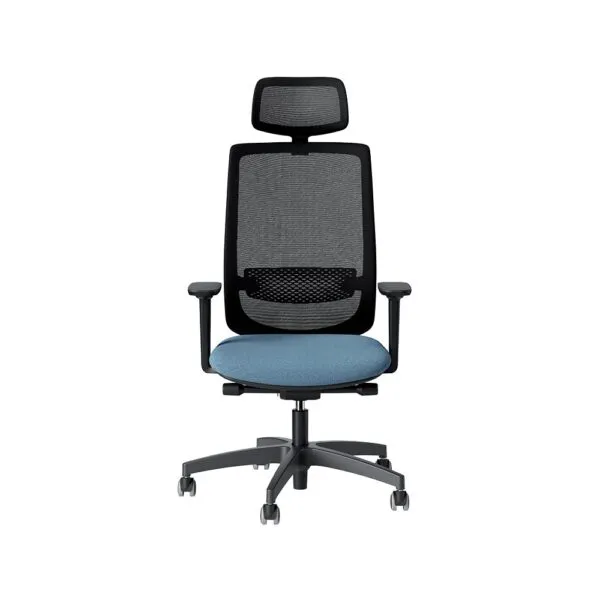
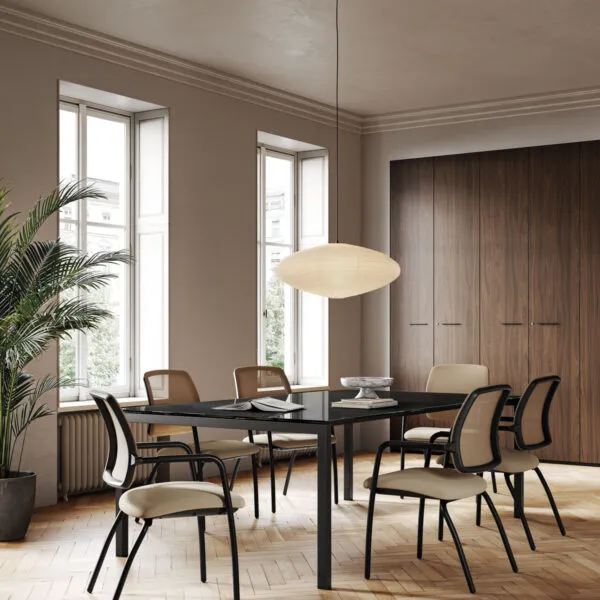
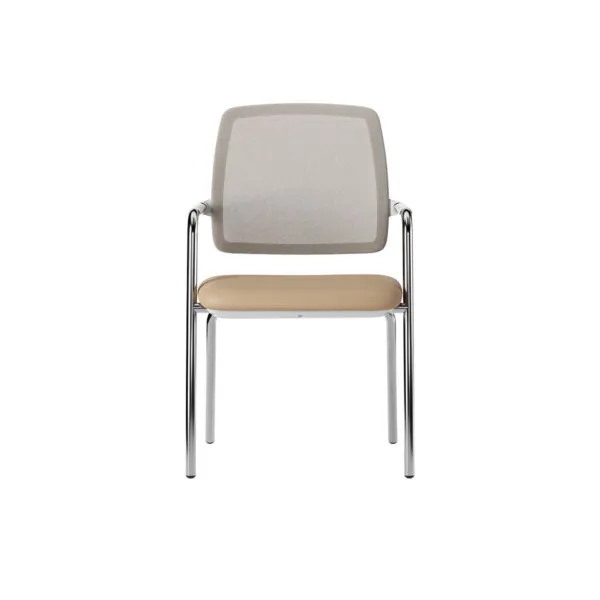
Viggo – ergonomic operator chair
Chairs and stools
New
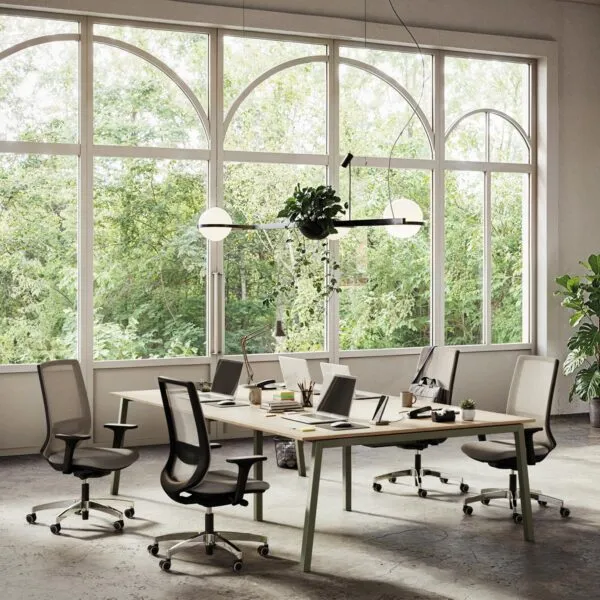
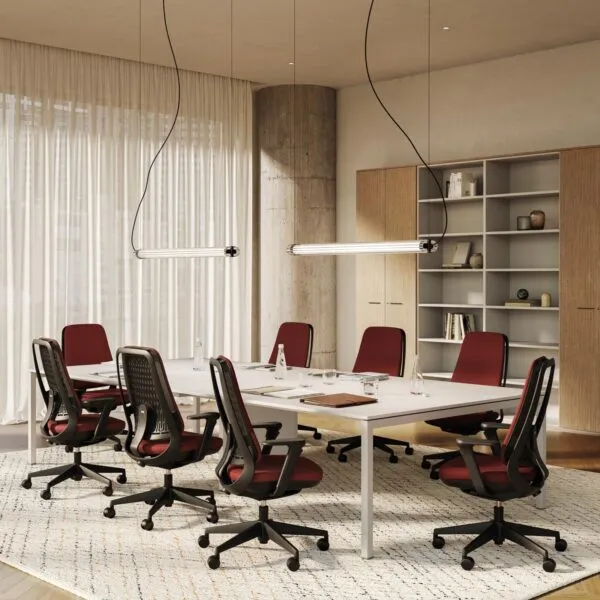
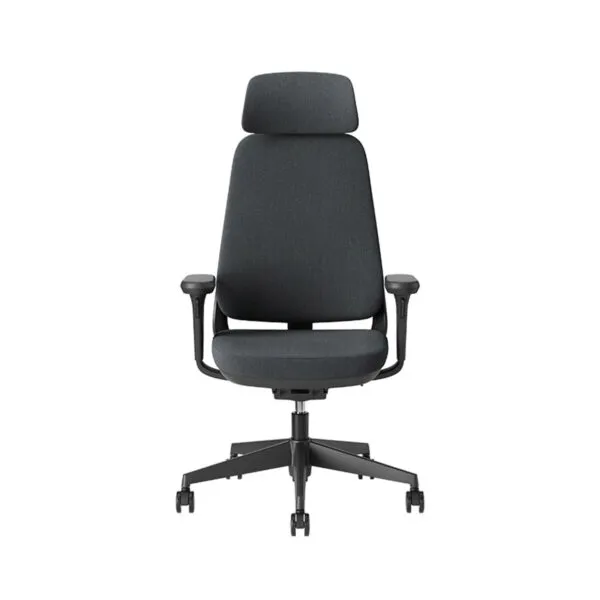
Charlize – office chair
Chairs and stools
New
Areca – ergonomic office chair
Chairs and stools


Workwall boiserie wall
Furniture accessories


Alplus – bench desk
Desks and tables


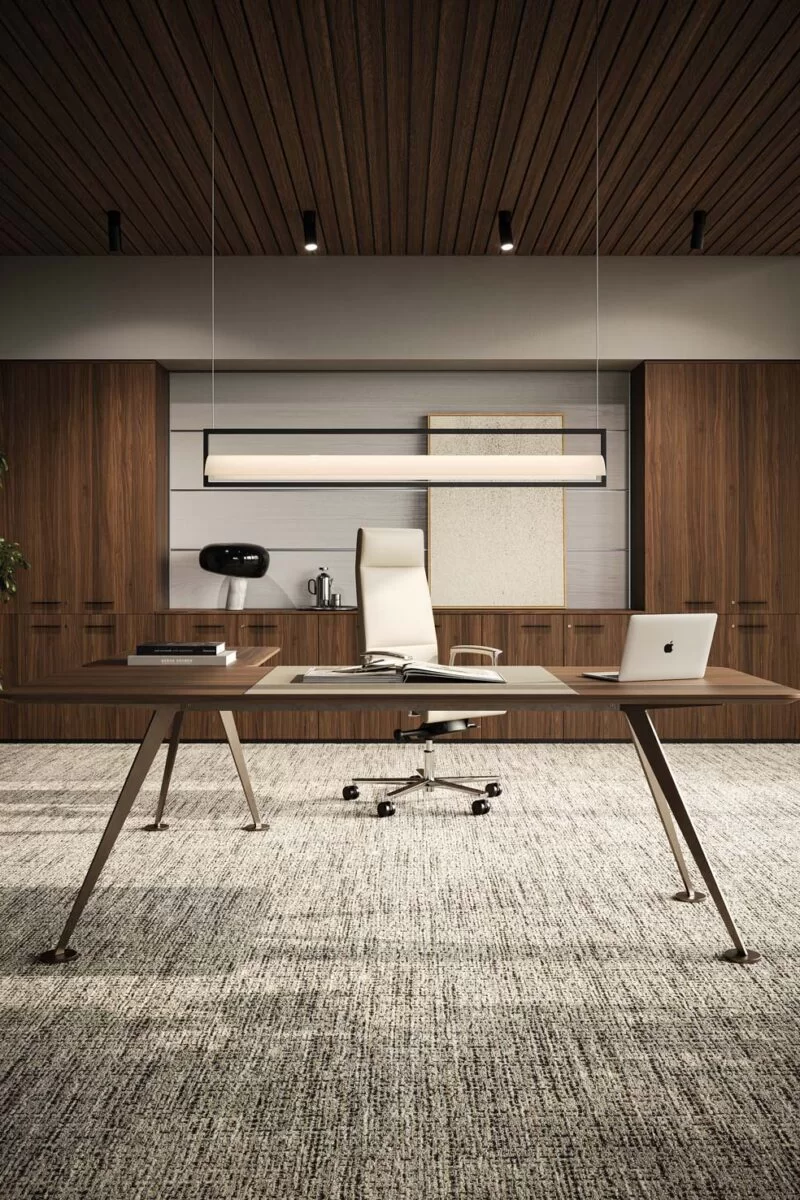
Alplus – executive desk
Desks and tables


Be.1 – desk
Desks and tables


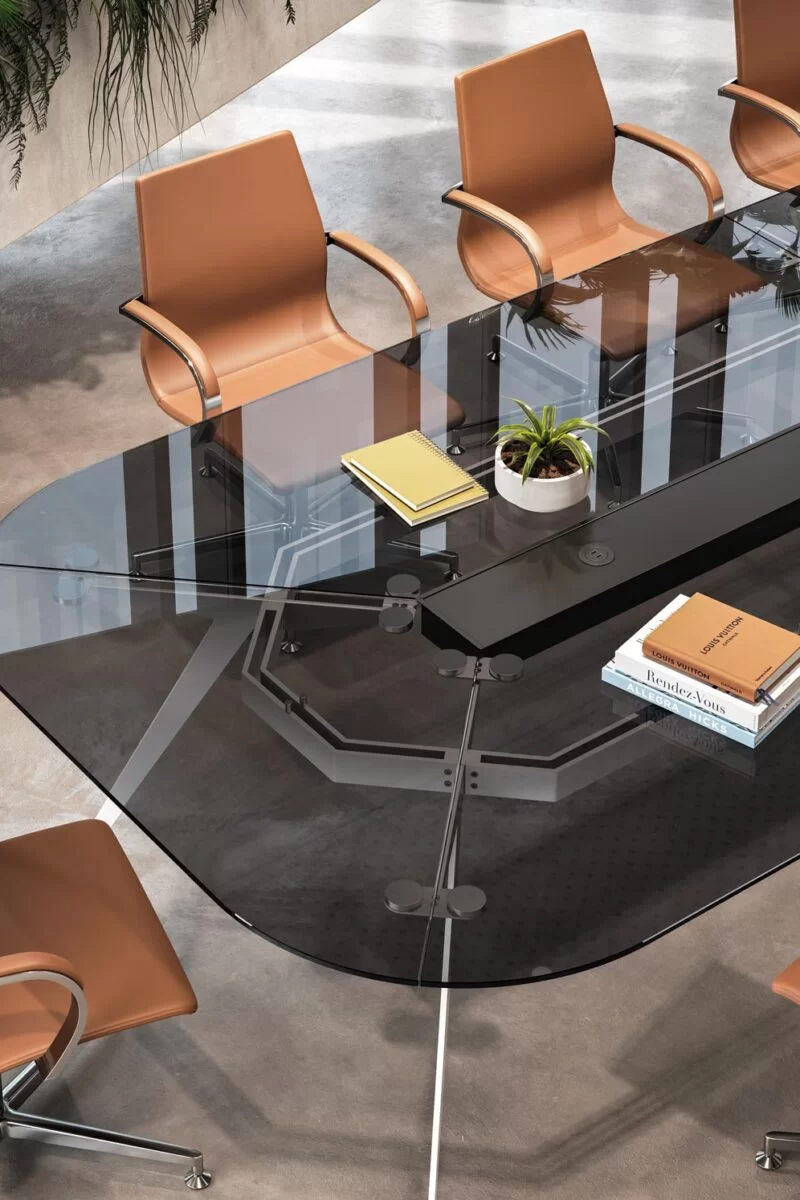
Be.1 – meeting table
Desks and tables


Be.1 – bench
Desks and tables


Be.1 – Nomad Table
Desks and tables


Radar – pouf
Armchairs and sofas


EM 202 – visitor chair
Chairs and stools
12 of 61 products
Load more
Open plan office furniture for the operative office
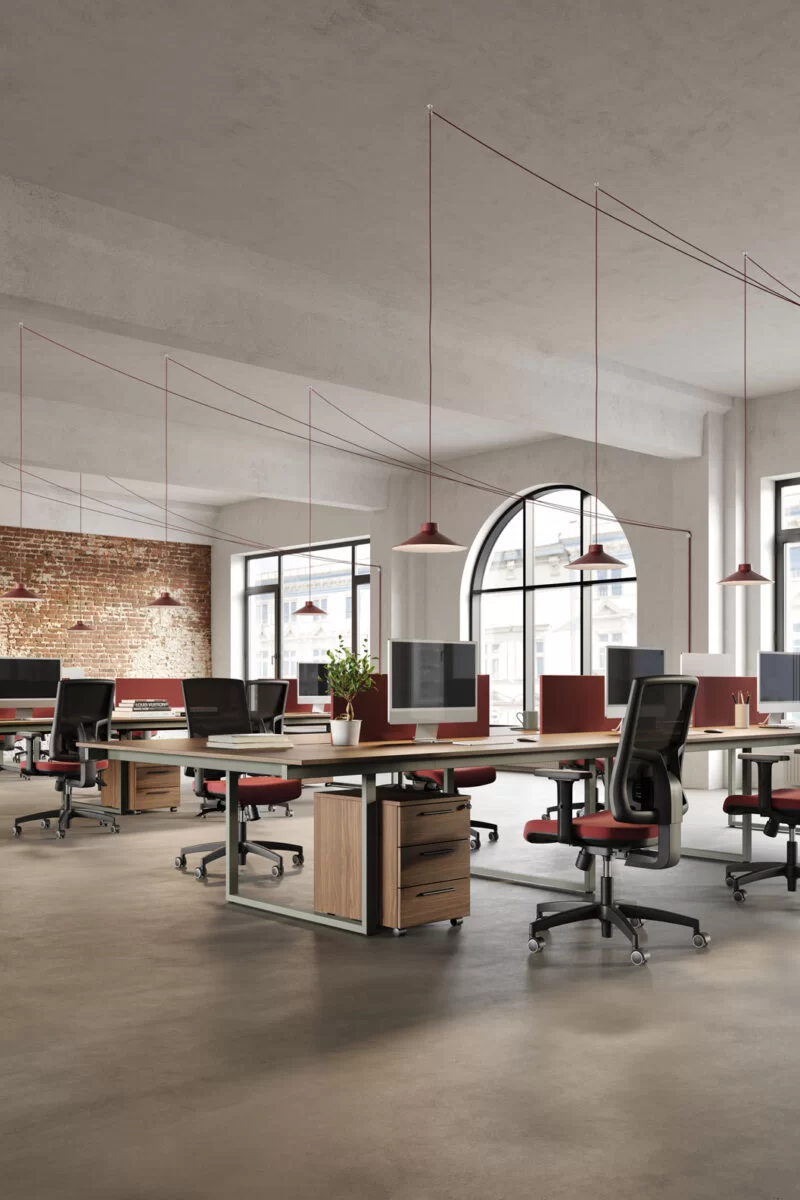
Office workstations are where most of the working day happens, so in an open plan office they have to do several jobs at once: support long hours of screen work, keep cables and belongings under control, give each person enough privacy and still let teams talk to each other. When desks, chairs, storage and screens come from the same manufacturer, finishes, colors and heights stay consistent across the whole floor.
Frezza designs and manufactures in Vidor, Italy, office desks, office chairs, partition walls, storage furniture and accessories for the operative office, from a single floor to a multi-story headquarters.
Bench desks and open office workstations
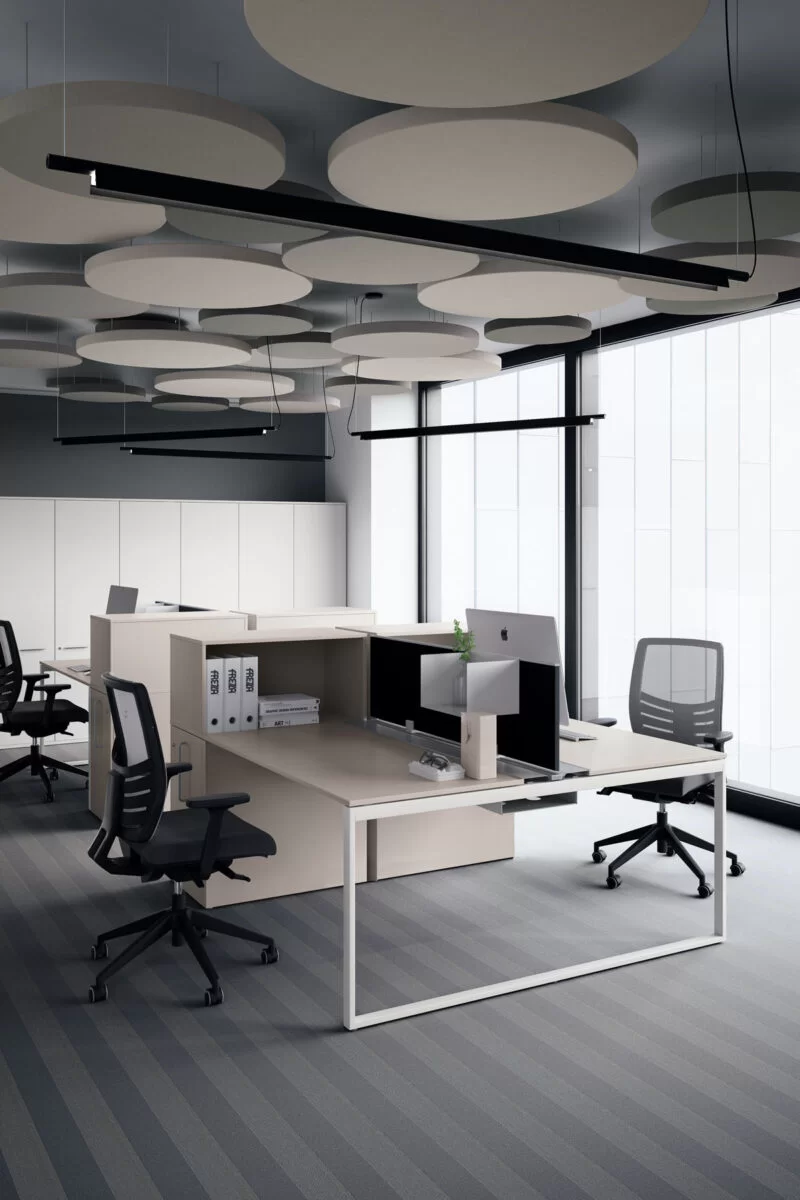
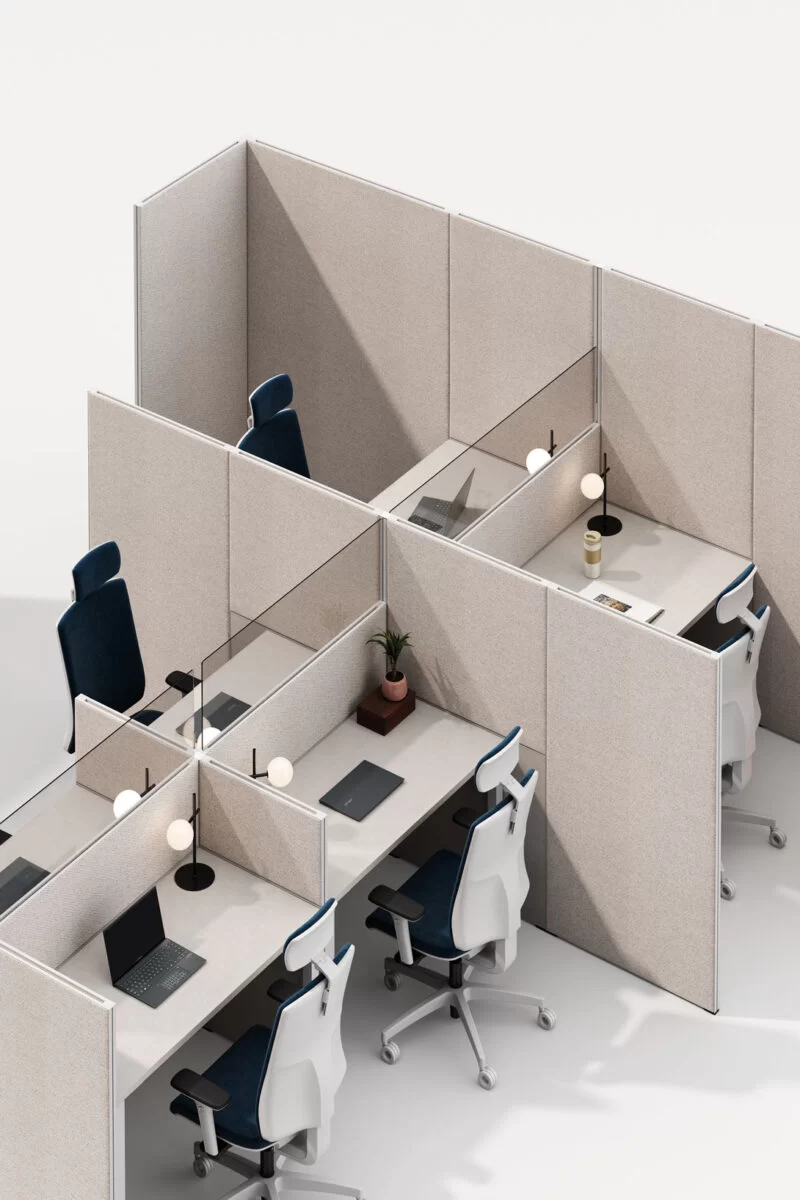
Bench desks organize the open plan office into rows of two, four or more positions sharing one frame. The Be.1 bench desks by Progetto CMR are modular, come in two depths, 125 and 165 cm, and take screens in melamine, fabric or glass, with stationery trays, paper trays and document holders that hook onto the screen. The Alplus bench desks by Marco Zito can be fitted with a screen in melamine, or melamine and polyurethane upholstered in fabric, 140, 160 or 180 cm long and 39 cm high, with the brackets hidden inside the panel.
For long hours at the screen, the Pop AD height-adjustable desk moves from 61.5 to 127 cm, complies with EN 527-1 and stores up to 4 positions on its control panel. Where teams change layout often, the Be.1 desks on wheels move easily across the floor, and the Be.1 desk with drawers works as a single operative position. Read more about the benefits of sit-stand desks.
Task chairs for every workstation
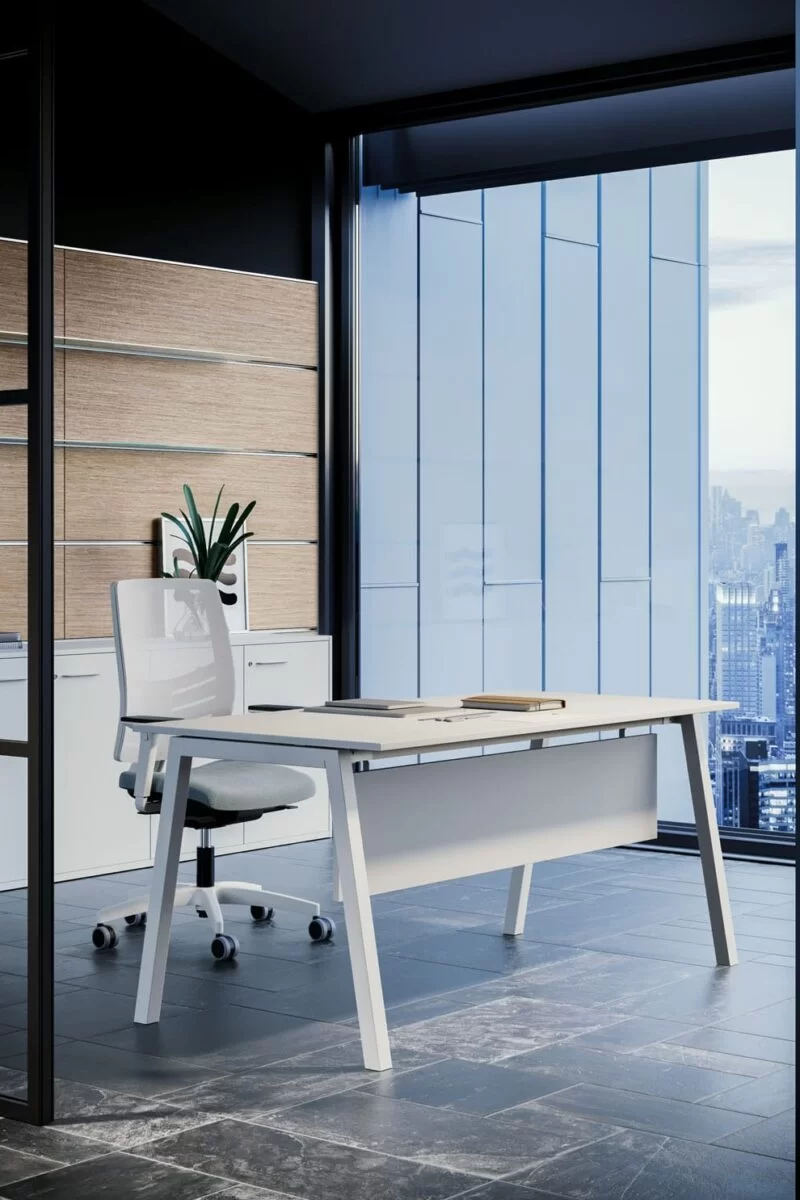
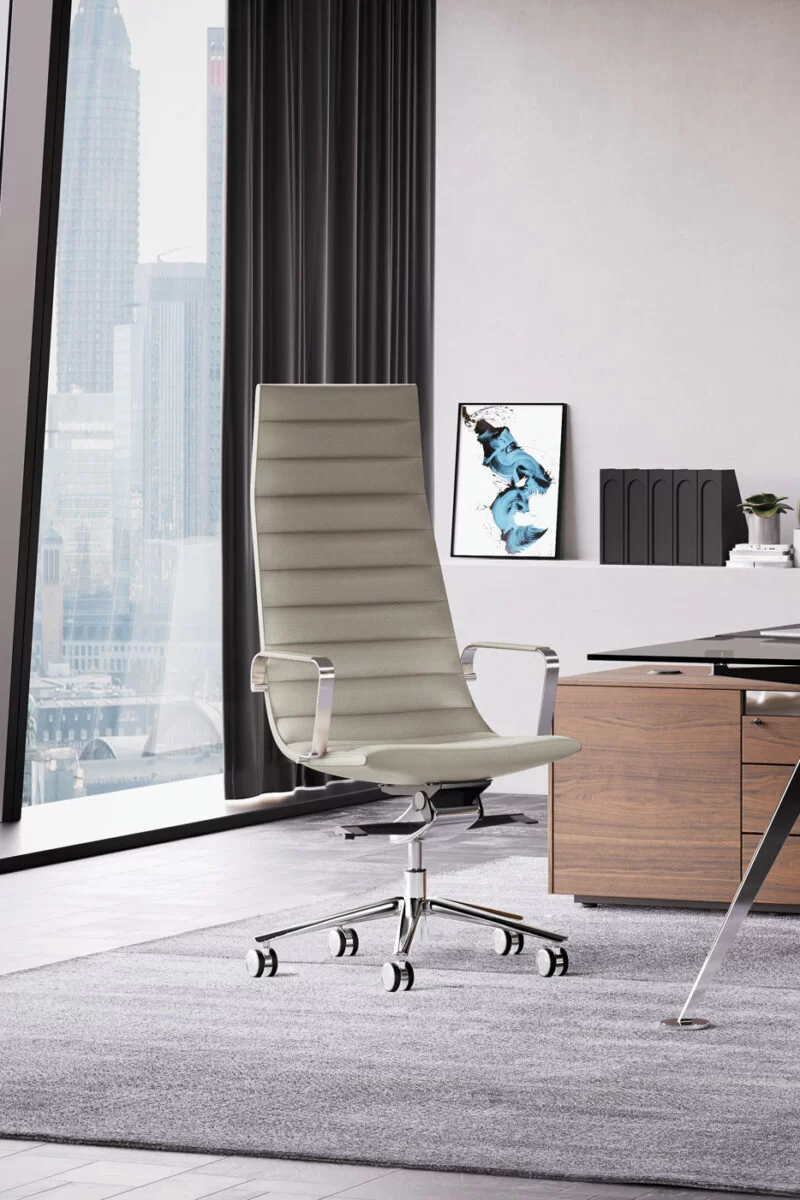
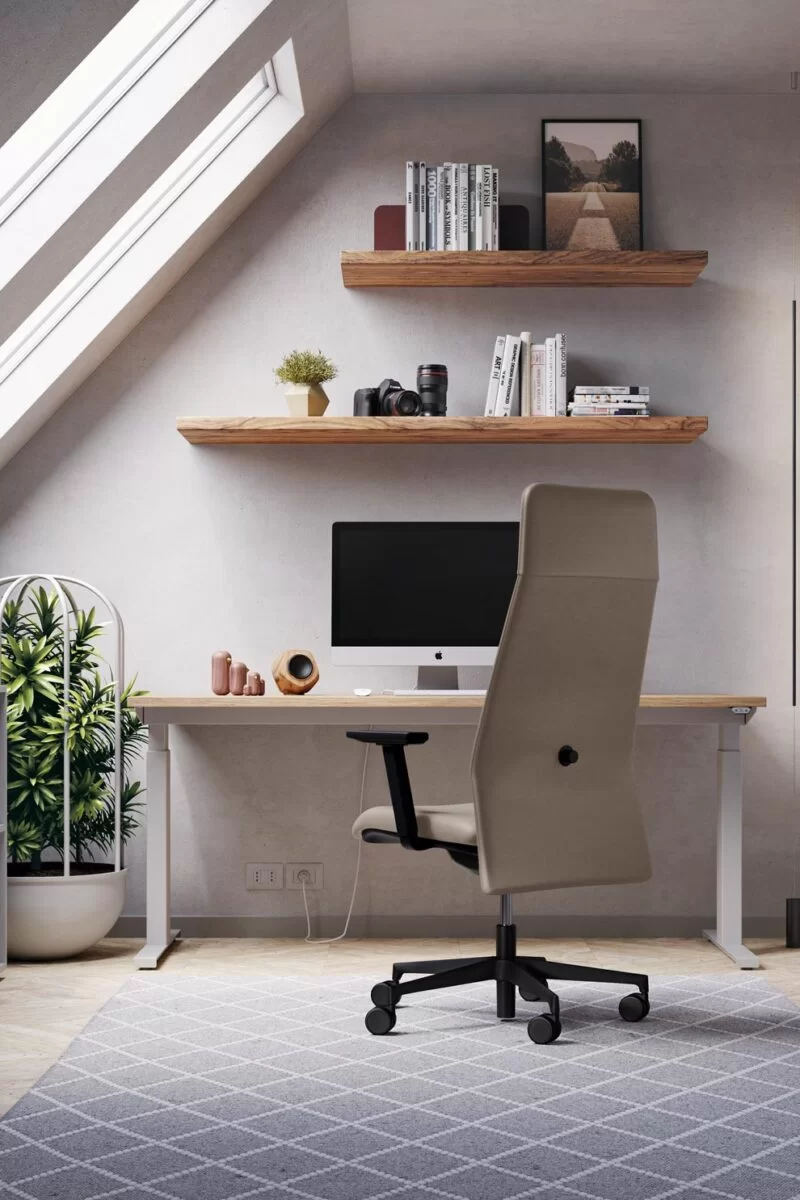
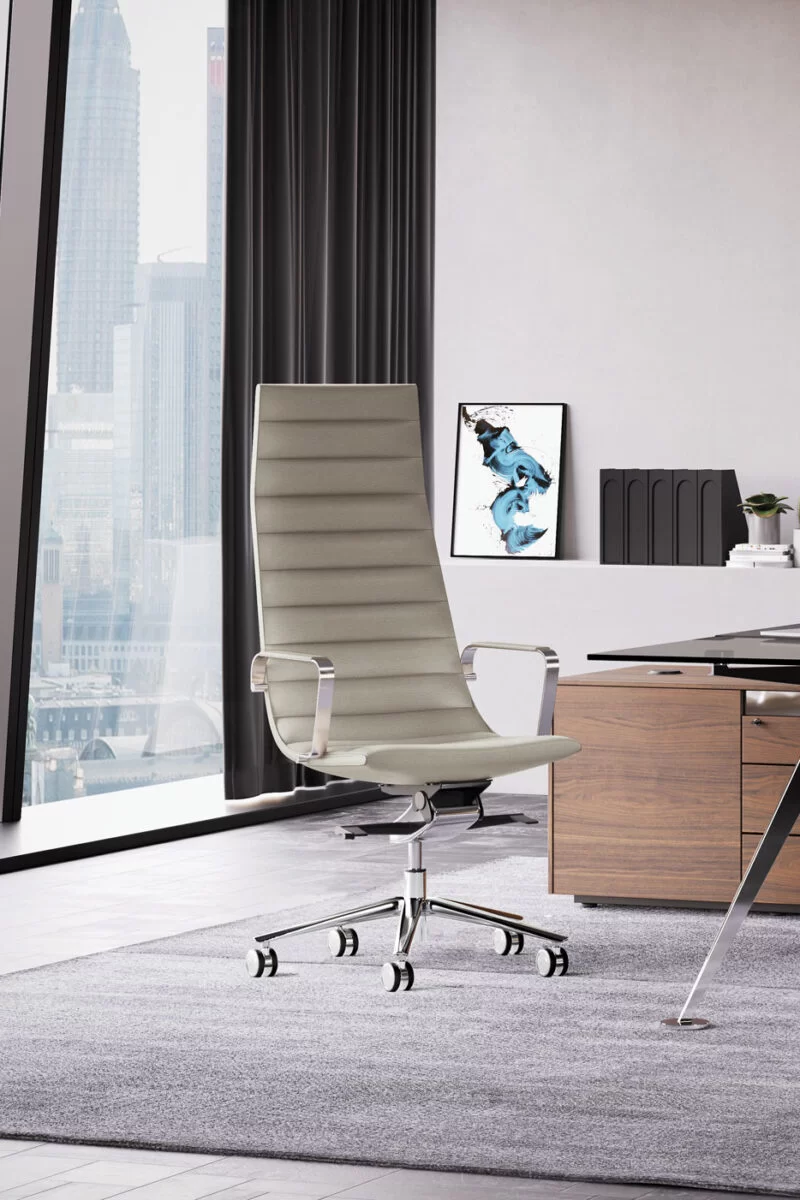
A task chair is chosen by hours of use and adjustments. The Viggo operator chair has a mesh back with tension adjusted to the user’s weight, height-adjustable lumbar support, a synchronized mechanism and optional adjustable armrests and headrest; Areca is designed for long hours, while Charlize and EM 202 serve guest seats and touchdown tables.
Storage, lockers and screens
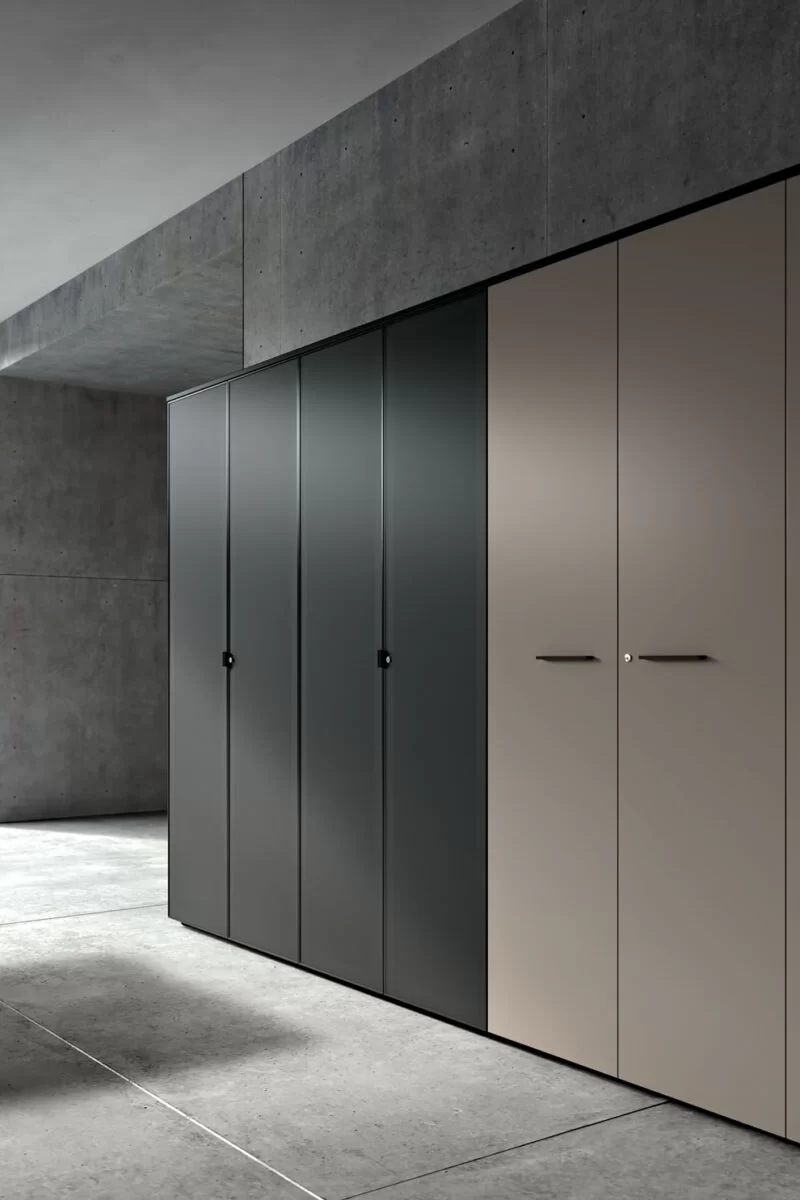
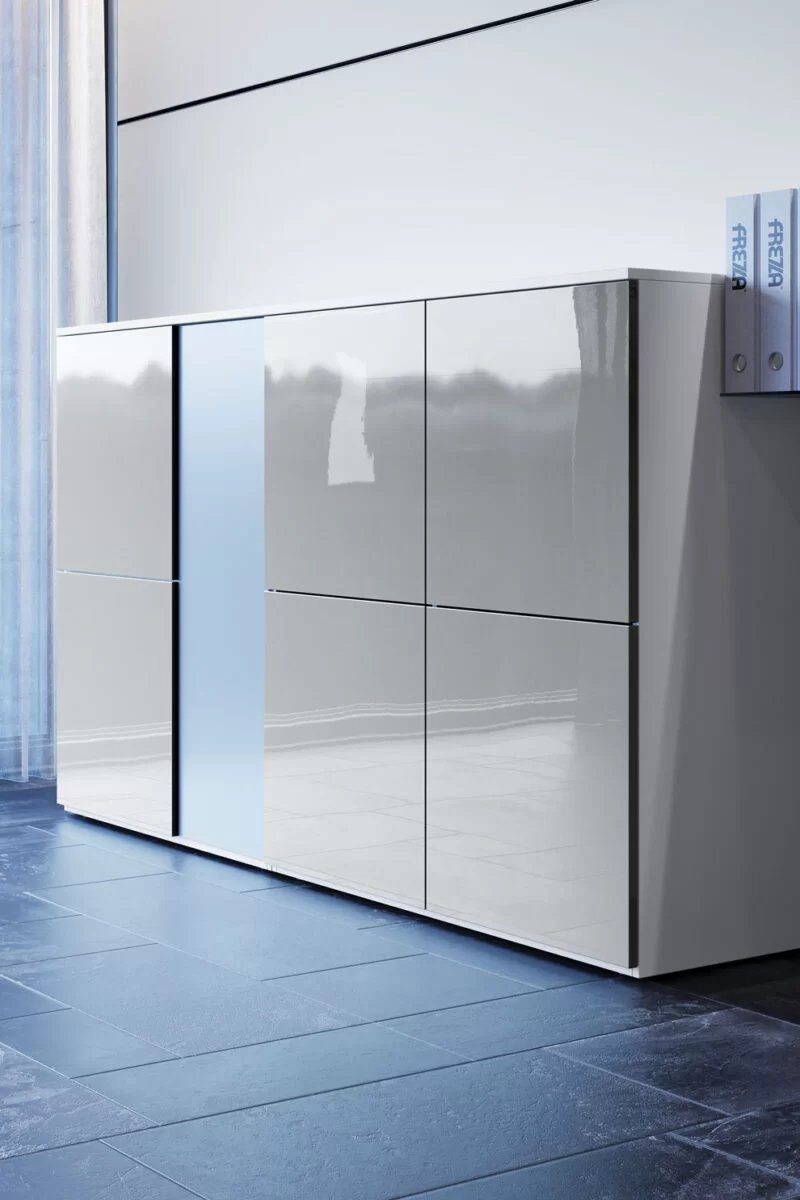
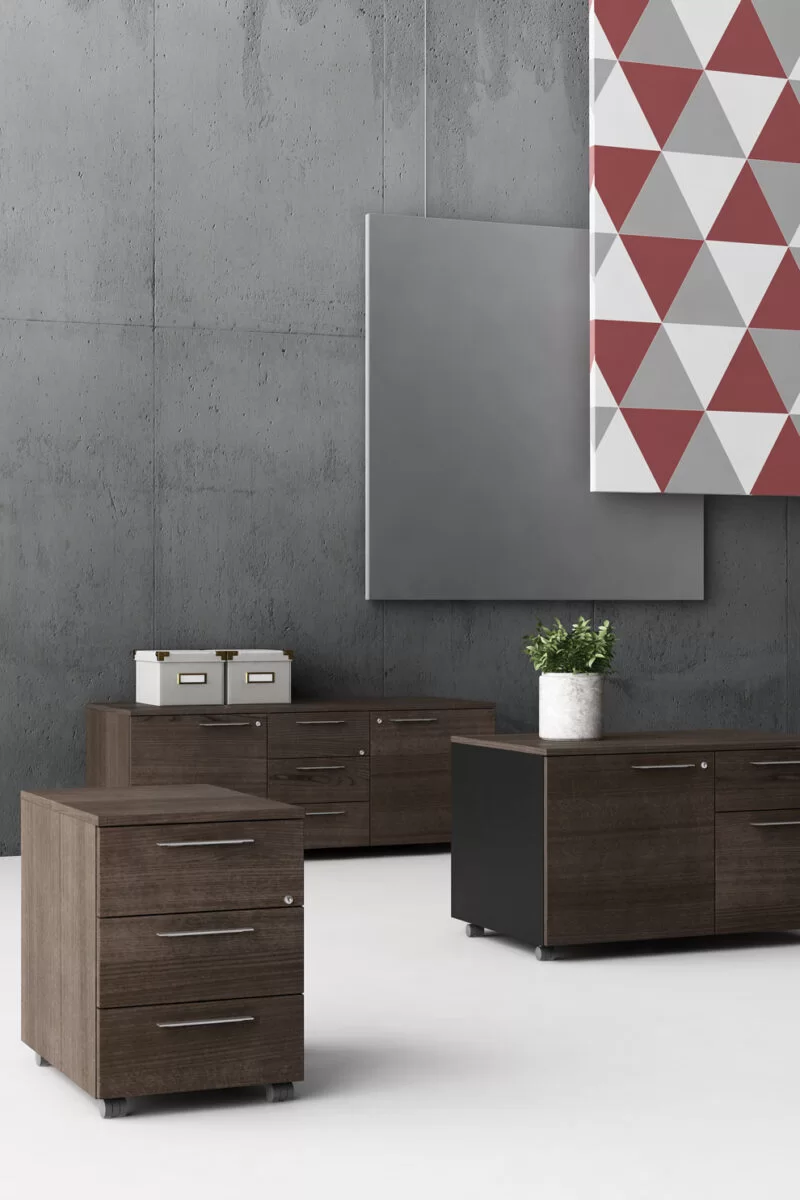
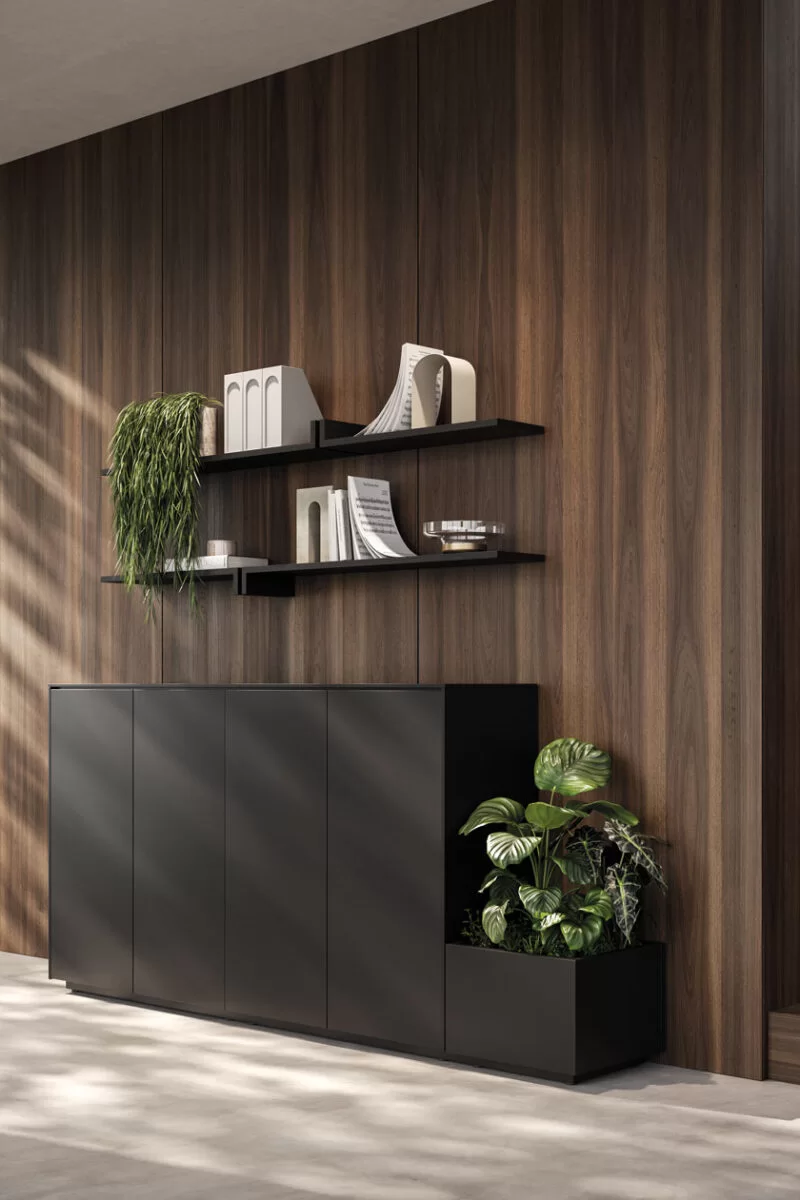
Mobile pedestals keep files and supplies at each desk, while cabinets and sideboards serve the team and can double as low dividers between rows. In unassigned-desk offices, lockers hold personal belongings in 45 cm modules with 3 or 4 compartments, with key, combination or programmable card locks.
Around the workstations, Pal Spina panels connect desks and tables and route cables, the Workwall equipped wall organizes perimeter walls, and the Alplus meeting pod gives small groups a place for quick meetings without booking a room. Our guide to open space office furniture covers more layout ideas.
From the workstations to the rest of the office
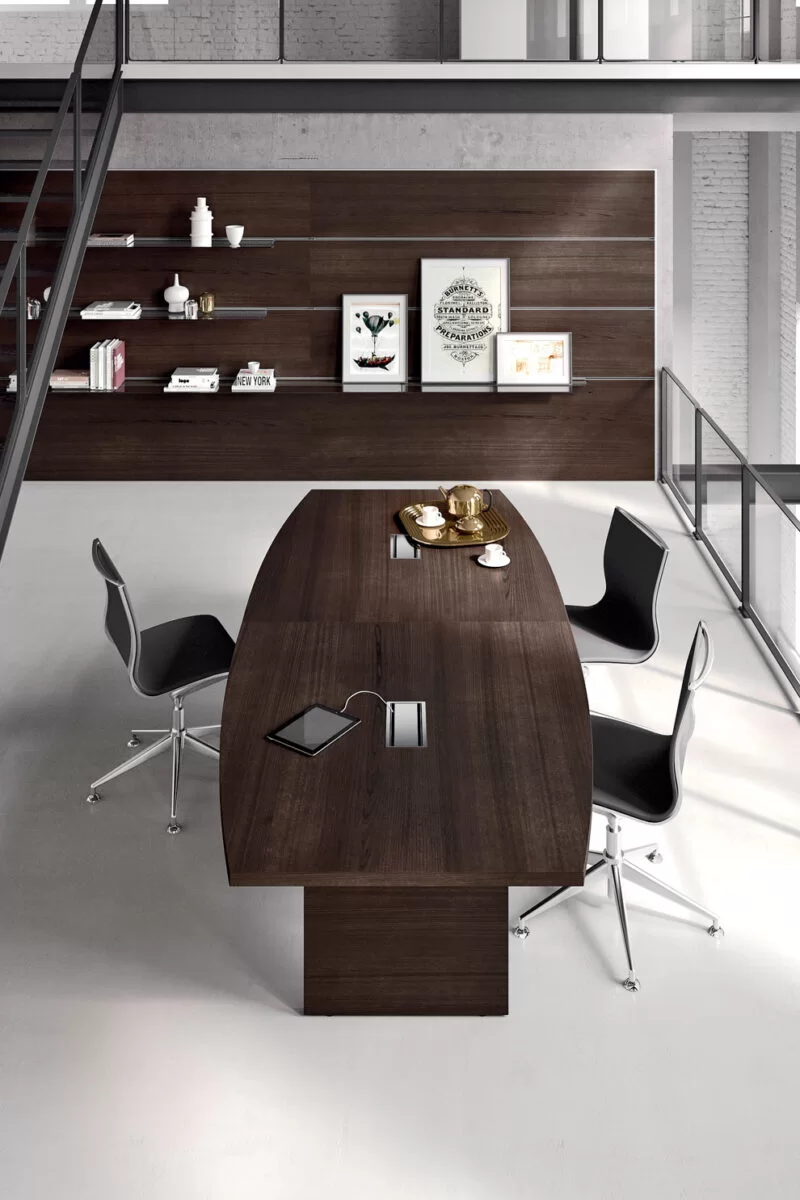
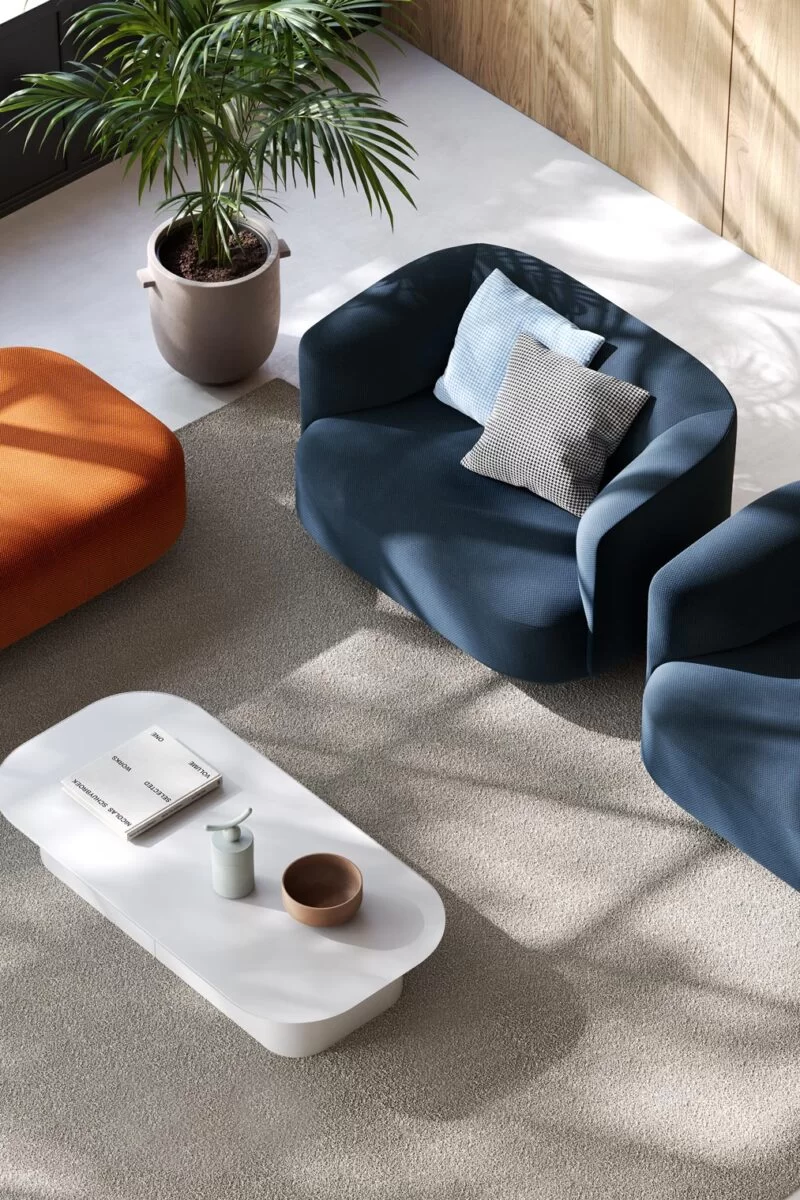
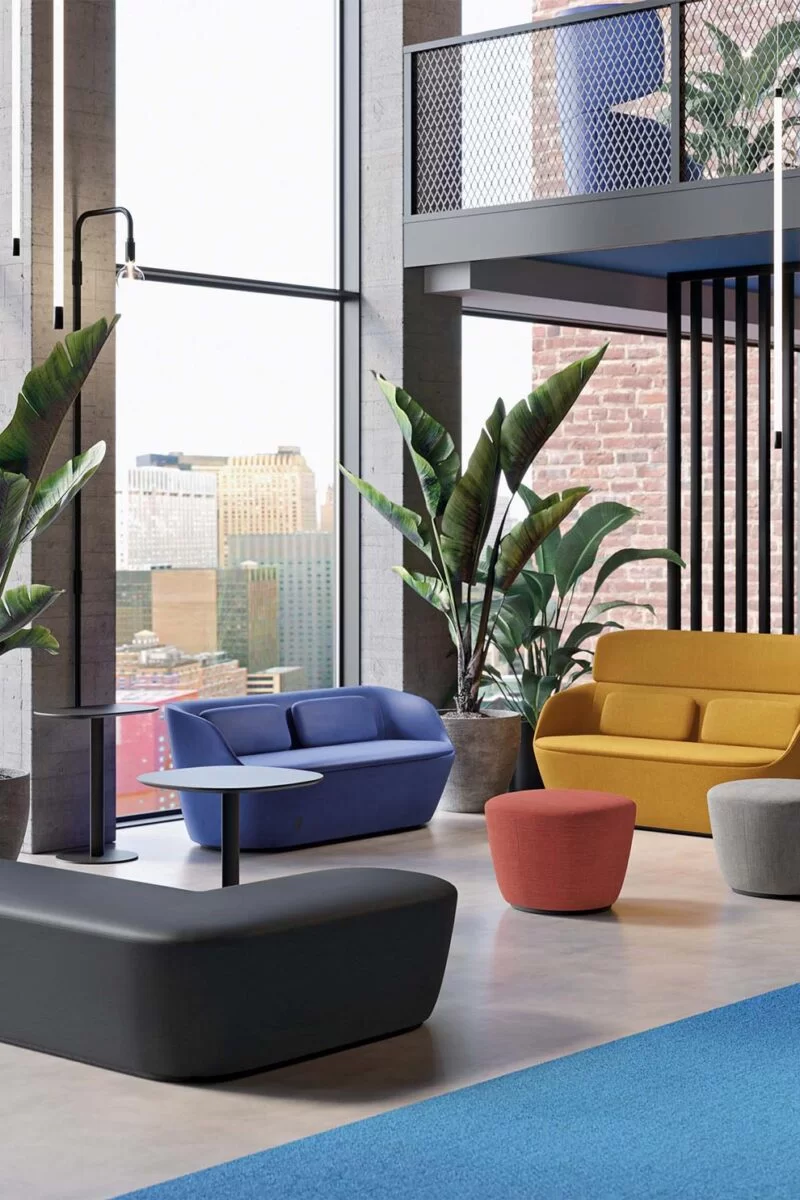
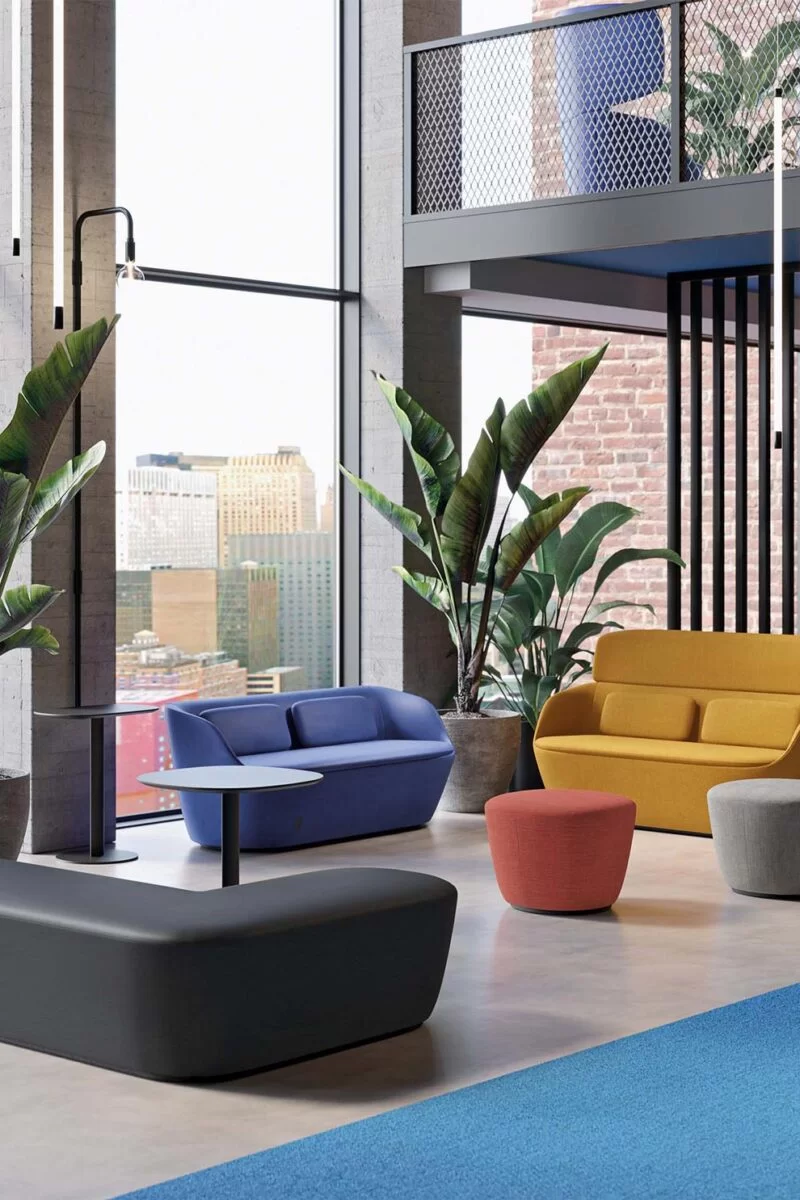
The same collections continue into the meeting room, the executive office, the reception and the lounge area: Be.1 and Alplus, for example, move from bench desks to meeting tables and lounge seating, so the whole office keeps one design language. For more inspiration, see our designer office furniture.
Design and supply for architects and contractors
For complete fit-outs, Frezza develops custom projects manufactured in-house in Vidor, which keeps finishes and supply consistent on large contracts and later expansions. The company is certified ISO 9001, ISO 14001 and UNI ISO 45001 and supports projects pursuing LEED credits. Catalogs, technical sheets and DWG files are available for architects and specifiers to drop office workstations straight into the layout.

Discover more
Close
Office workstations: frequently asked questions
Bench desks or cubicles: which works better in an open office?


Cubicles give each person a fixed, enclosed footprint with high panels, but they are hard to reconfigure and limit collaboration. Bench desks share one frame and cable route across several positions, so they use floor space more efficiently and adapt as teams grow or shrink; privacy comes from desk screens, such as the Be.1 screens in melamine, fabric or glass or the 39 cm high Alplus screen.
How many people can share a bench workstation, back to back or side by side?
Benches are usually planned in rows of two, four, six or more positions. Back-to-back layouts share a central screen and cable route and need a deeper double desk (Be.1, for example, comes in 125 and 165 cm depths), while single-sided rows along walls or windows work better where the room is narrow. Modular systems like Be.1 let you extend a row with additional modules, and Pal Spina panels connect desks and tables in a continuous, cable-managed line.
What storage should each office workstation include?
Start with personal storage at the desk, usually a mobile pedestal or an integrated drawer unit like those of the Be.1 family, then add shared cabinets and sideboards for the team, which can also act as low dividers between rows. In offices without assigned desks, lockers replace the pedestal: Frezza lockers come in 45 cm modules with 3 or 4 compartments and key, combination or programmable card locks.
Can office workstations be reconfigured as teams change?
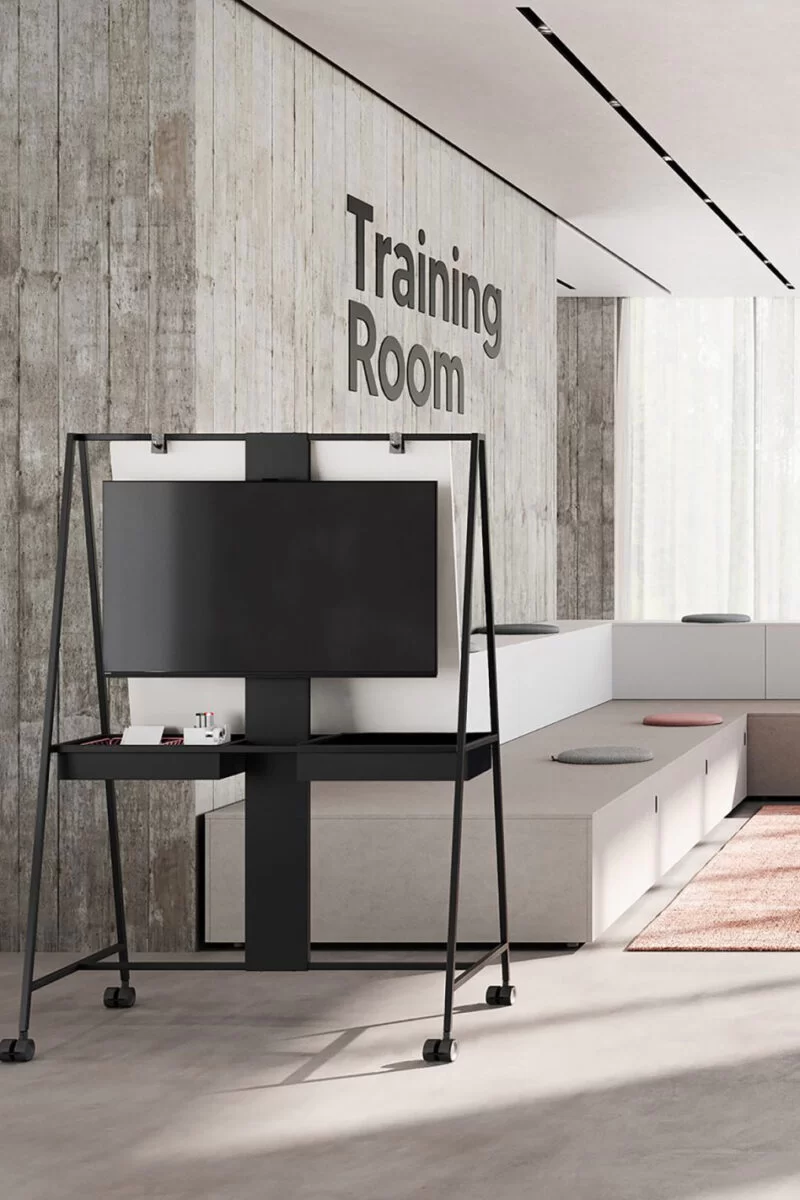
Yes, if the system is modular. Be.1 bench desks are built from modules in different sizes and finishes, so rows can be extended or split; Be.1 desks on wheels and the Mediawalk mobile partition move with the team; and the Pop AD height-adjustable desk, from 61.5 to 127 cm with 4 memory positions, adapts to whoever sits at it. Planning cable routes with systems like Pal Spina makes later changes faster.
How often should office furniture be replaced?
There is no fixed schedule: replace furniture when it no longer adjusts properly, when wear affects safety or comfort, or when the layout no longer fits the way people work. Task chairs usually show wear first, in mechanisms and upholstery, while desks and storage last longer and can often be reconfigured instead of replaced. For Be.1, Frezza provides assembly and disassembly instructions and an end-of-life disposal guide, so components can be reused or recycled responsibly.


 Back to top