









 News
News
 3rd July 2026
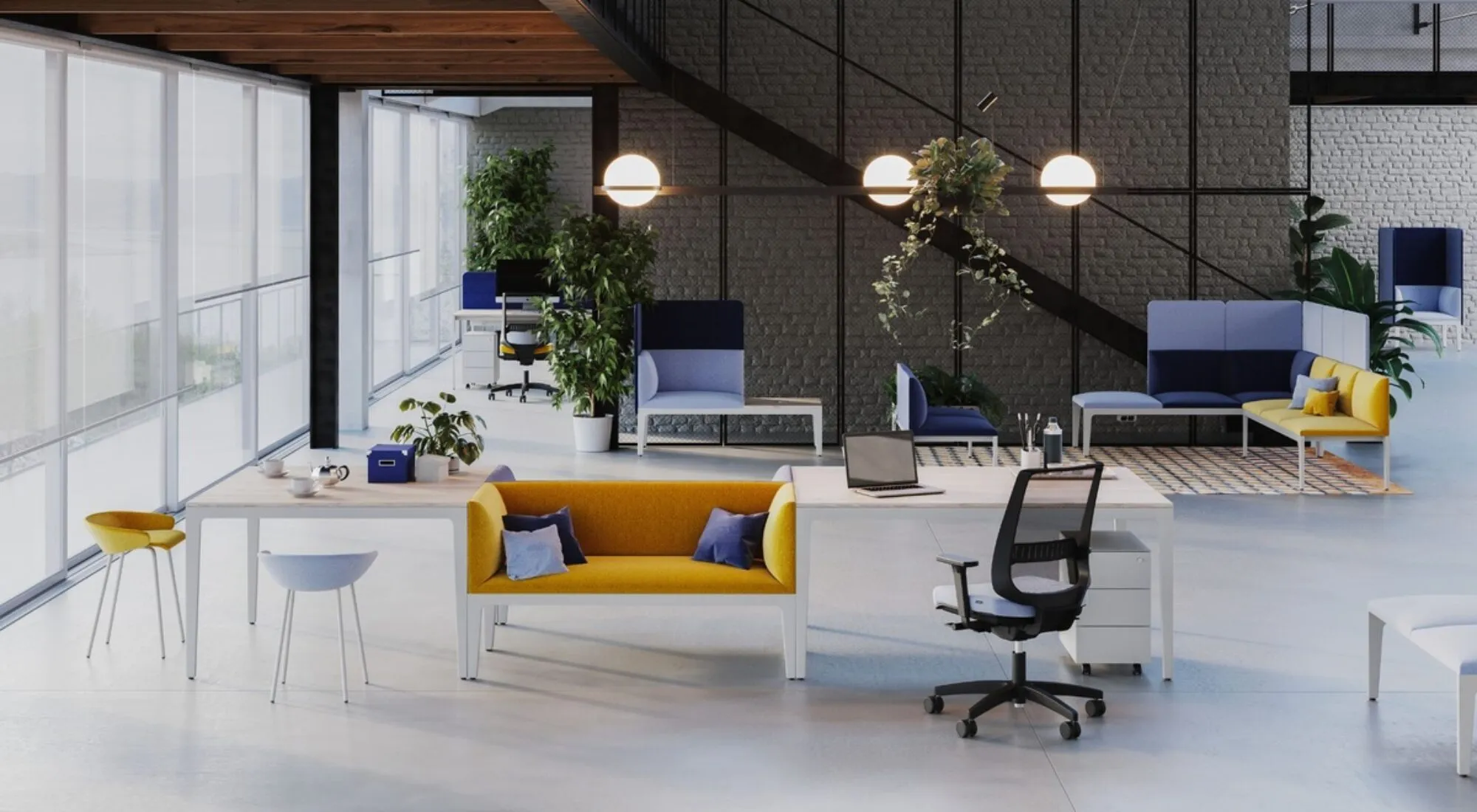
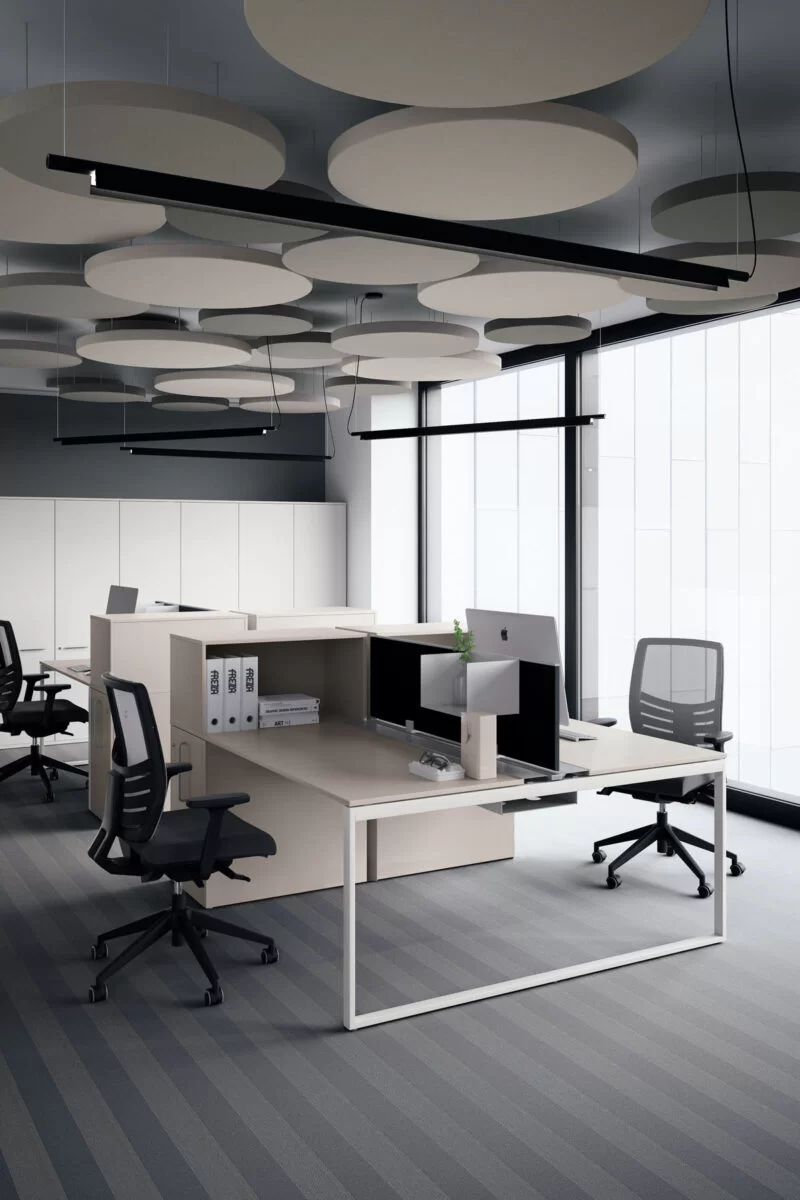
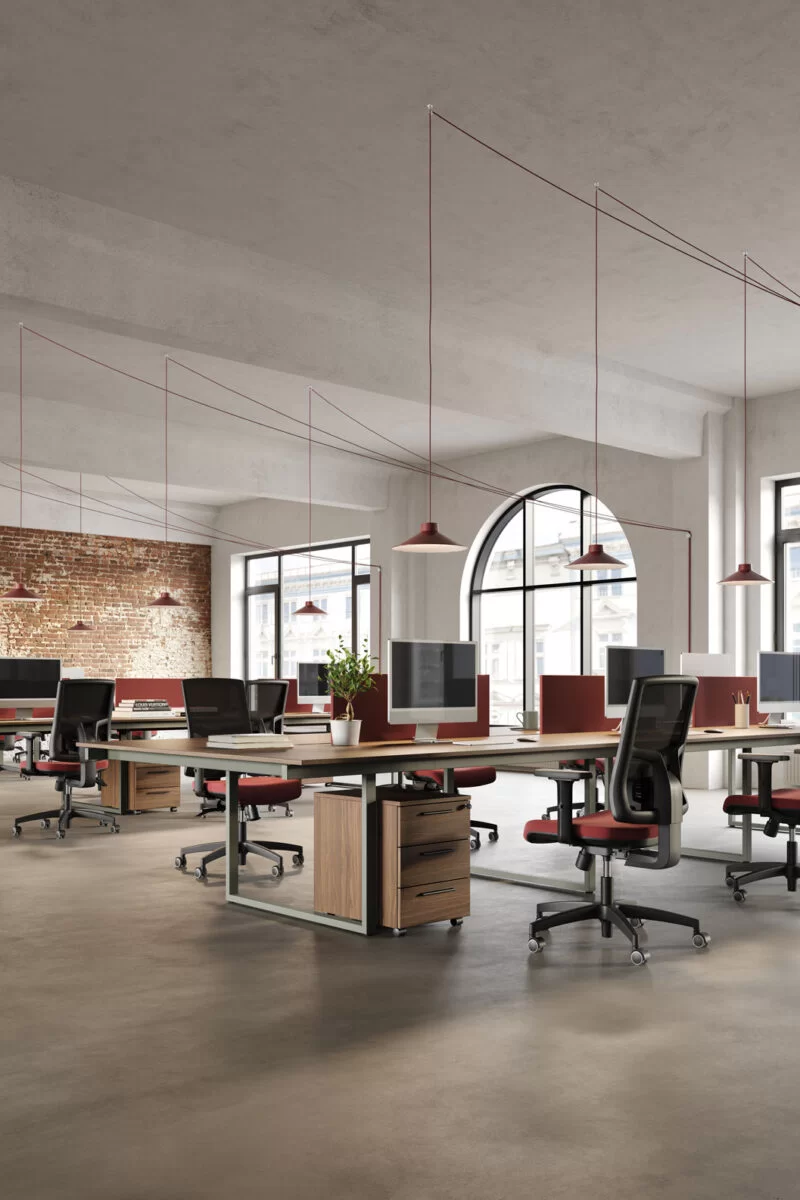
Contemporary open-plan offices are no longer environments dedicated exclusively to task-based work. They increasingly accommodate a variety of activities that require different levels of concentration, collaboration and interaction. Alongside traditional workstations, spaces for meetings, informal exchanges and breaks have now become essential, designed to support diverse uses throughout the day. As a result, designing shared spaces calls for a flexible approach that balances functionality with the comfort and well-being of those who use them every day.
The importance of an office lounge area
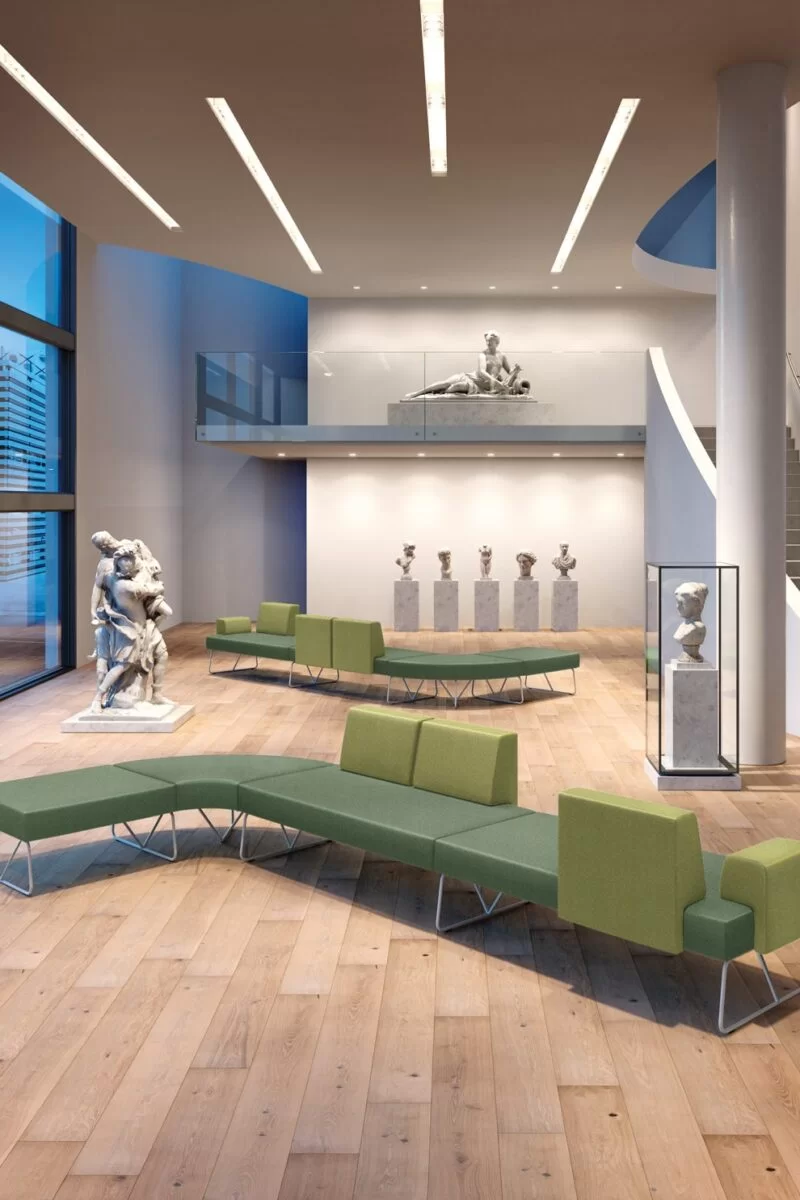
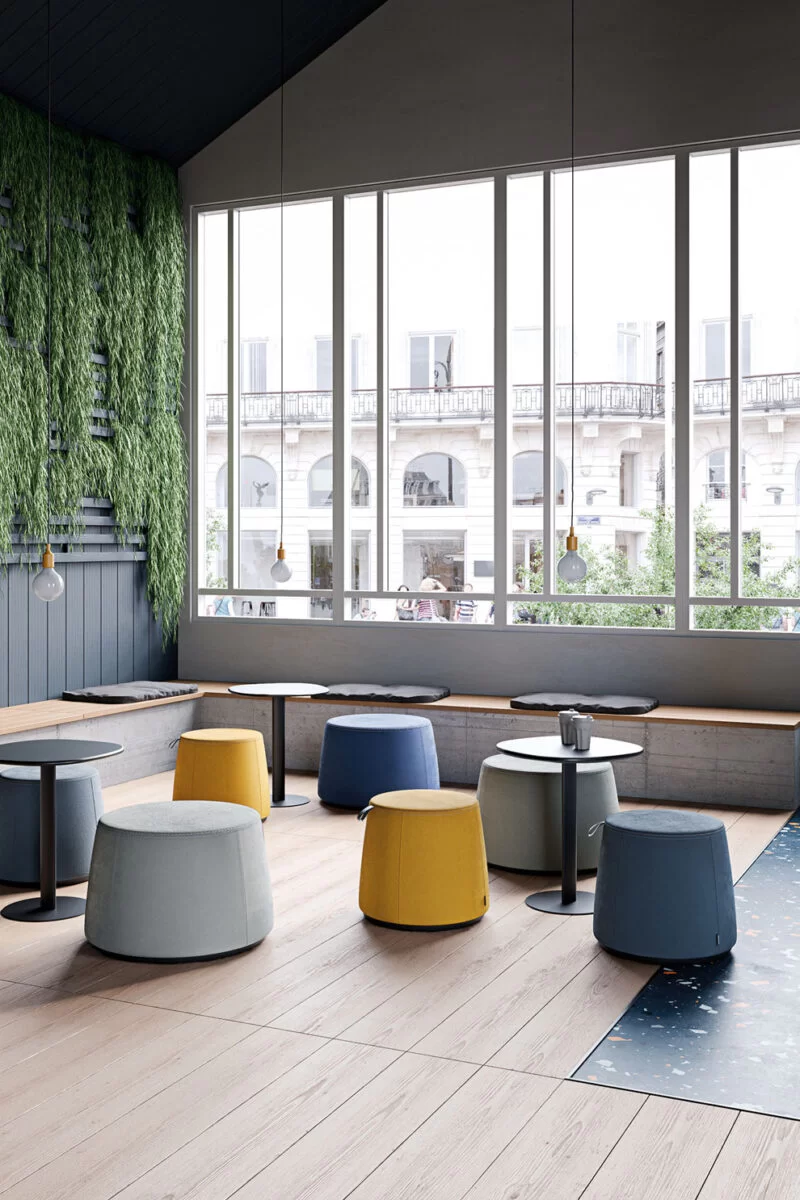
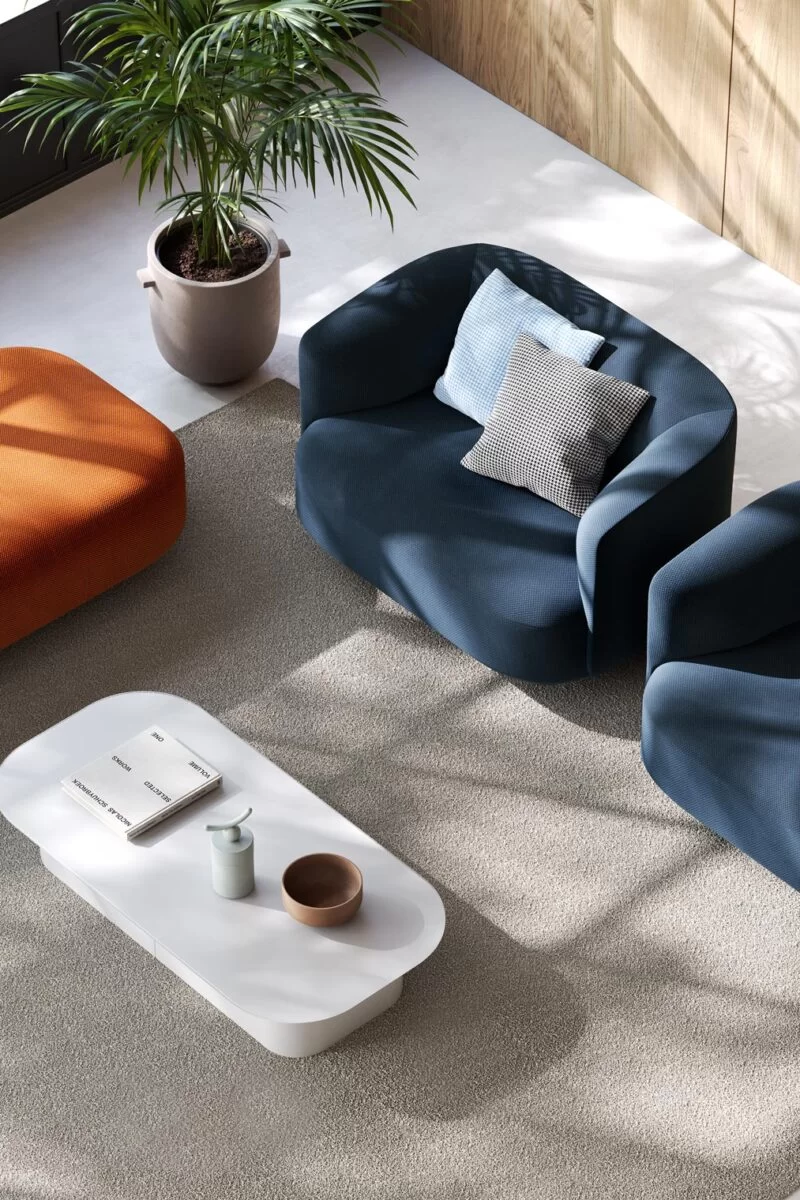
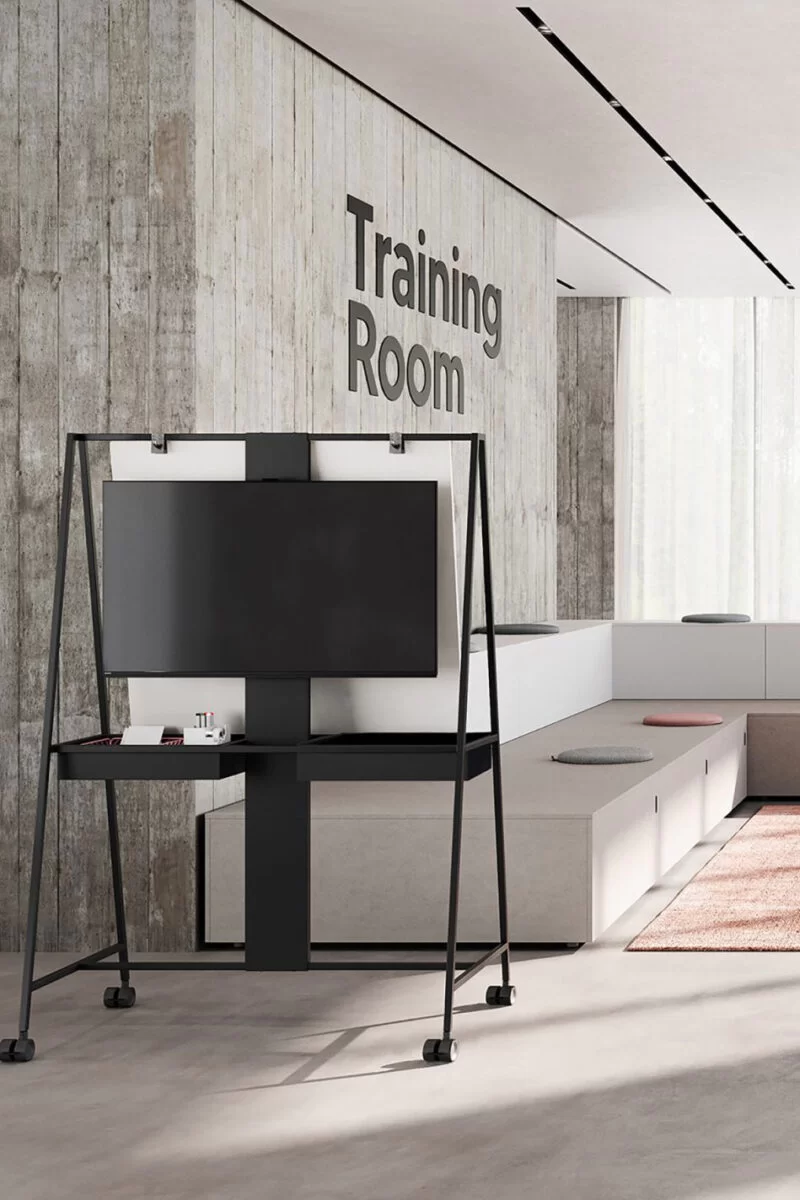
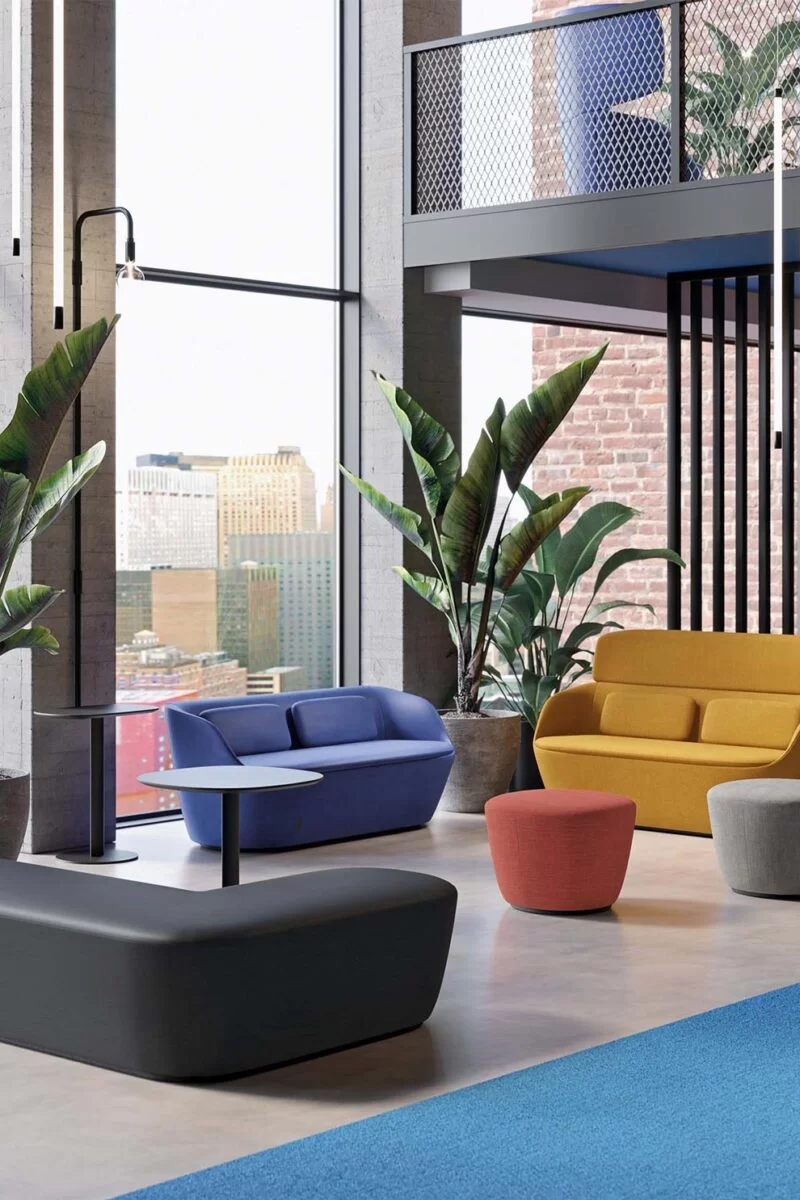
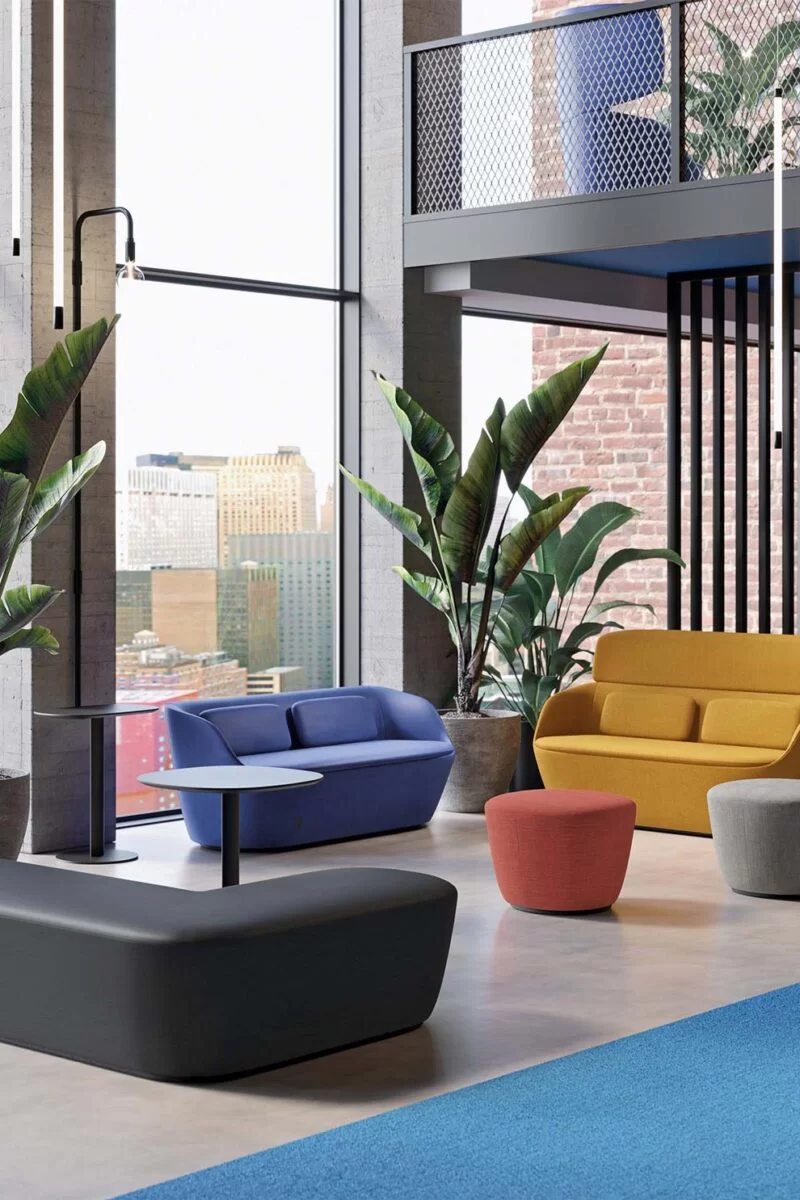
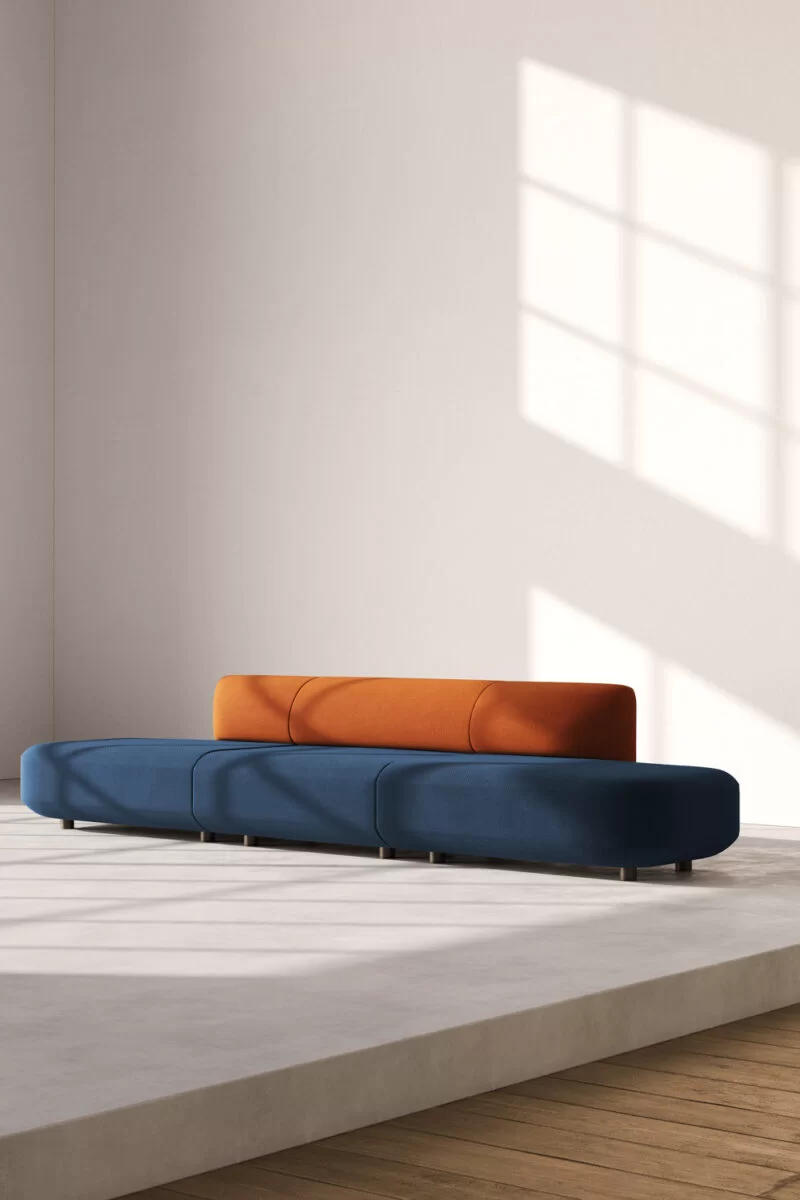
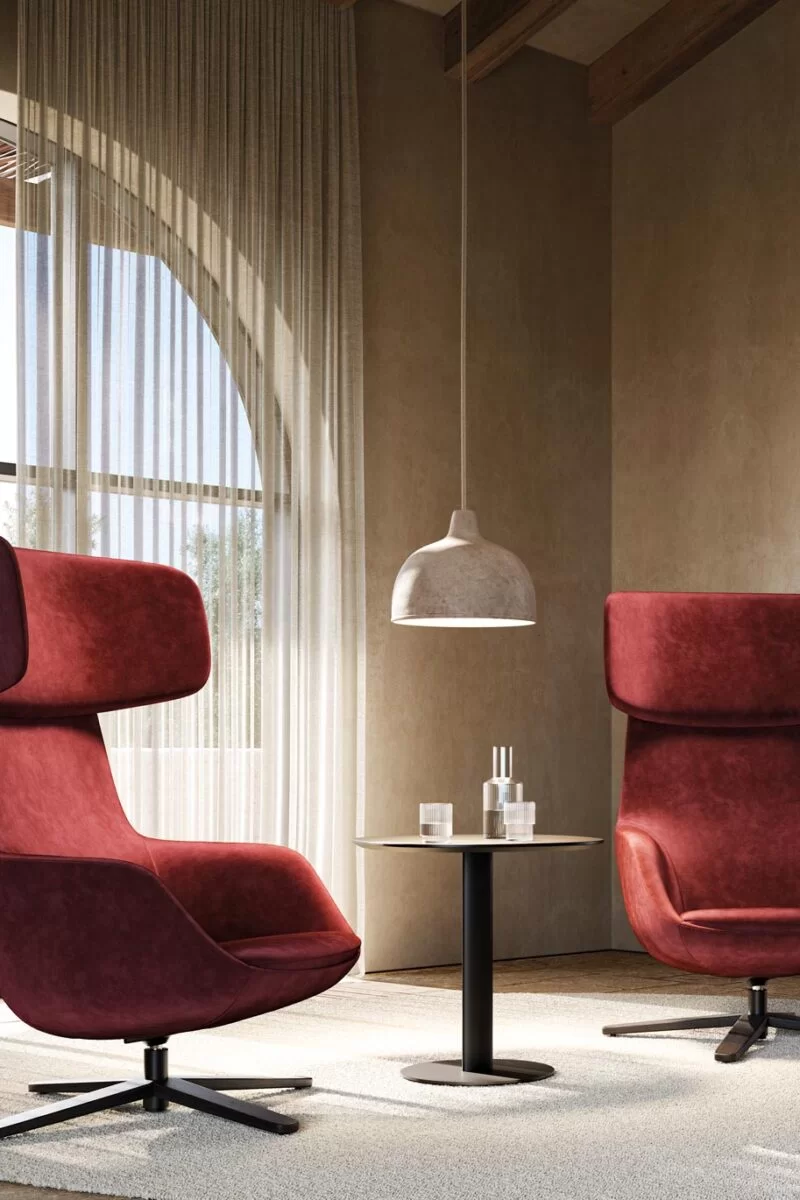
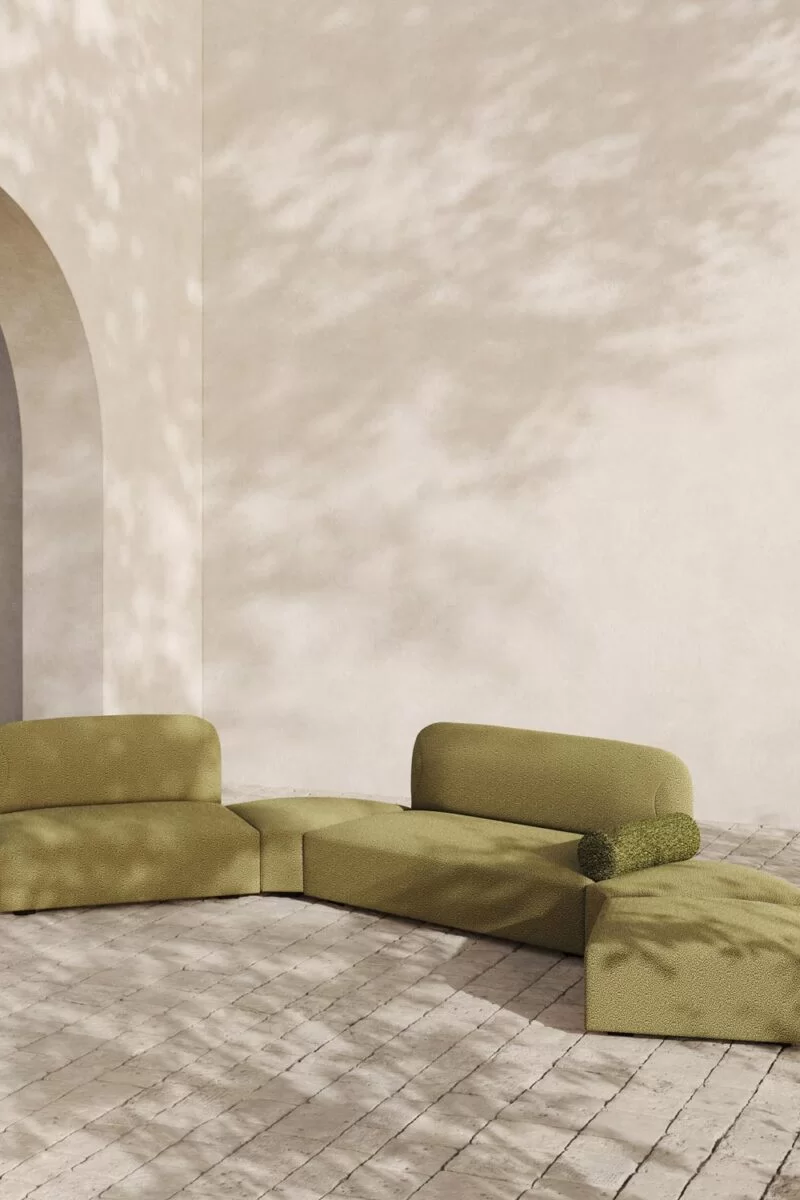
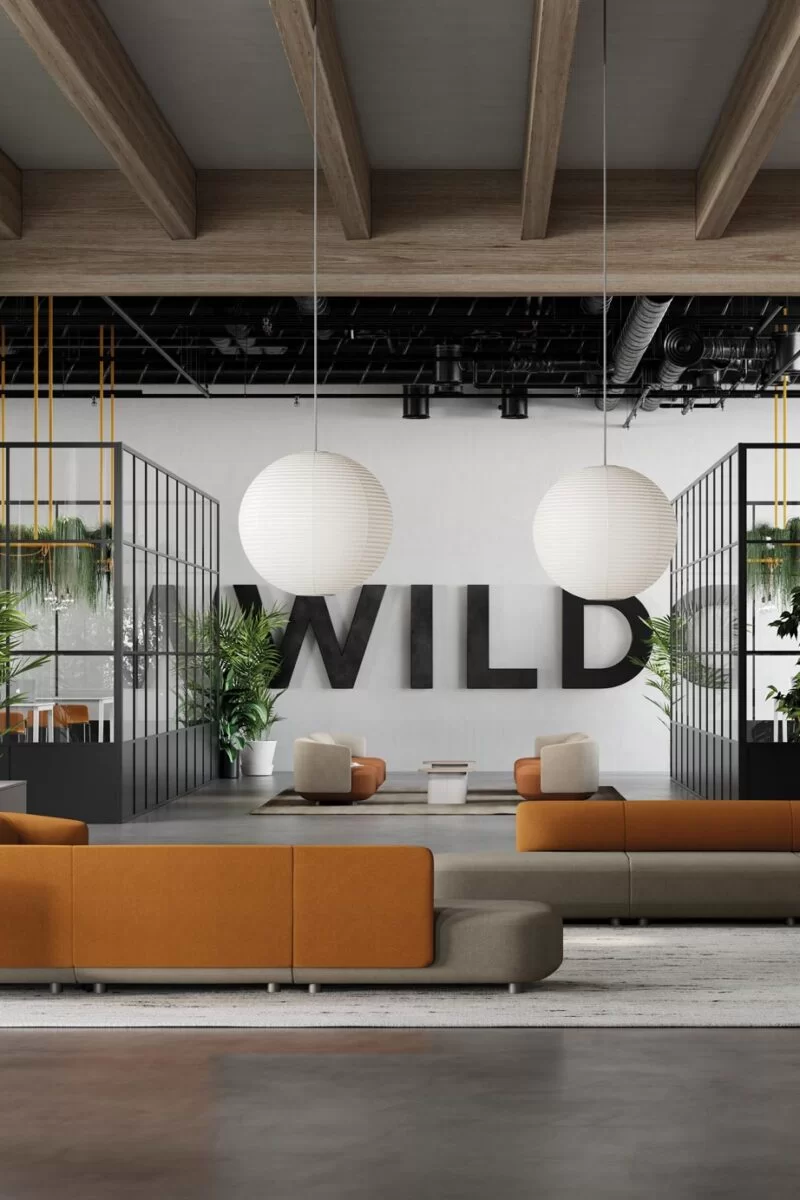
Within a well-organized open space, each area serves a specific function, from operational workstations to environments dedicated to informal collaboration and social interaction. In this context, the design of the lounge area plays a strategic role, helping to make the office more welcoming, dynamic and adaptable to the different moments of the working day.
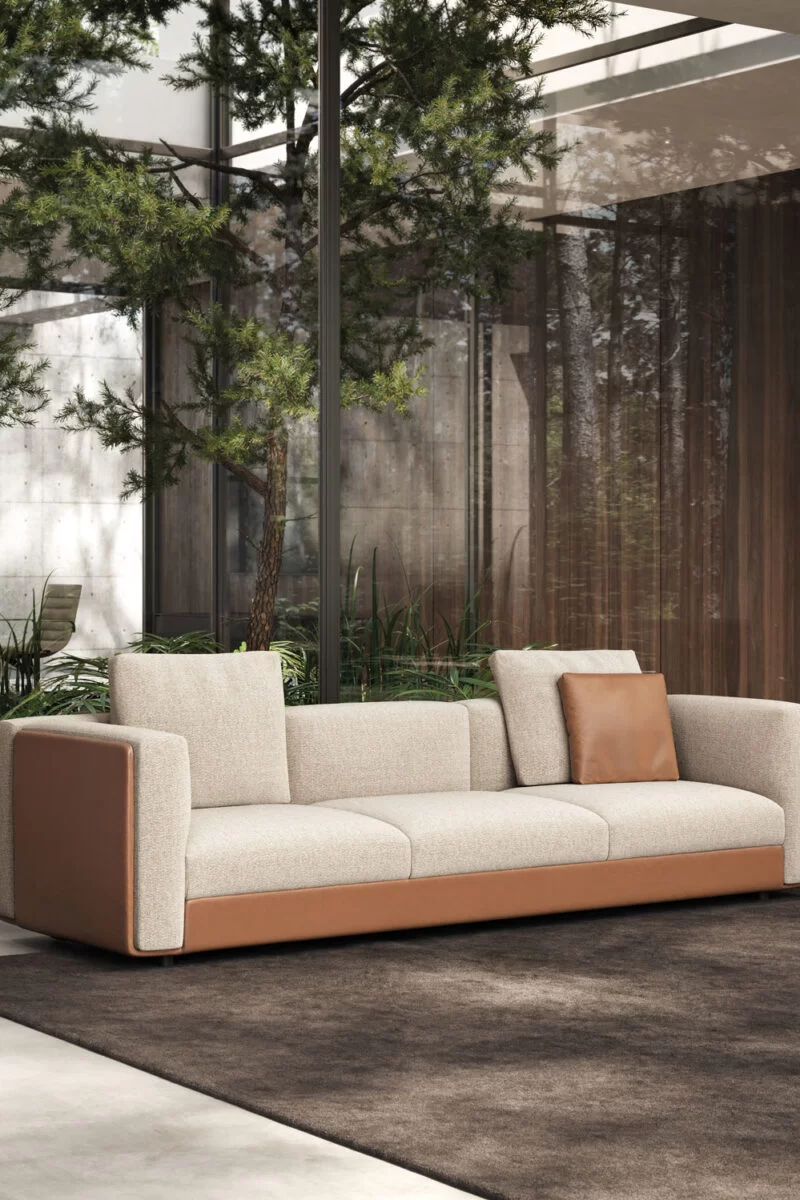
It’s not simply a space for relaxation, but a flexible environment that encourages spontaneous conversations, brief meetings and exchanges between colleagues. In addition to enhancing the way shared spaces are used, its presence also improves the overall user experience.
Key features of open space office furniture
Open space office furniture must meet diverse needs and adapt to constantly evolving environments. Beyond aesthetics, factors such as configurational flexibility, user well-being and the ability to define distinct functions within a single space become essential, from operational tasks to collaborative and lounge areas.
- Flexibility: modular, easily reconfigurable furniture allows spaces to adapt to changing operational needs, enabling a more dynamic management of shared environments.
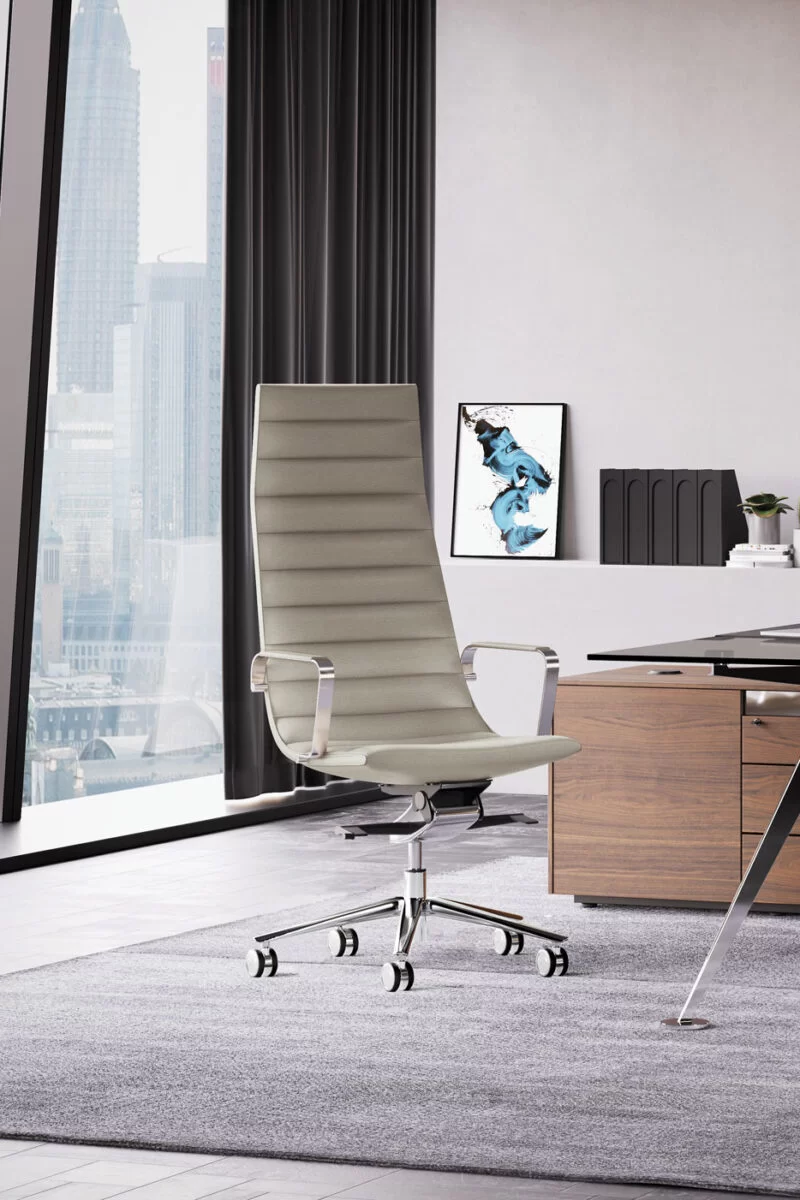
- Comfort and well-being: ergonomic seating, appropriately sized tables and welcoming solutions enhance quality of stay and everyday experience.
- Space organization: furniture acts as a design tool to create dedicated areas for different activities, improving visual order, functionality and usability.
- Design continuity: coordinated collections and integrated systems help create cohesive environments, ensuring a consistent design language across workstations, collaborative areas and lounge spaces.
Frezza’s open space office furniture
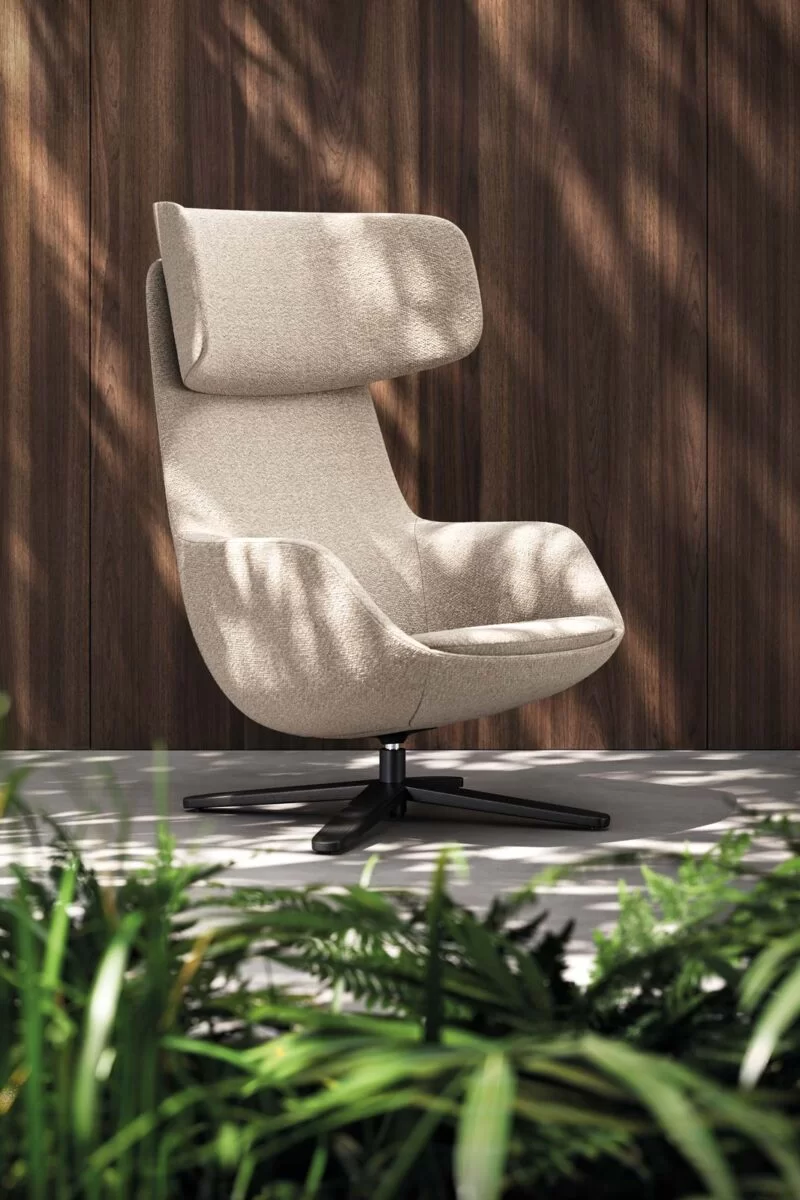
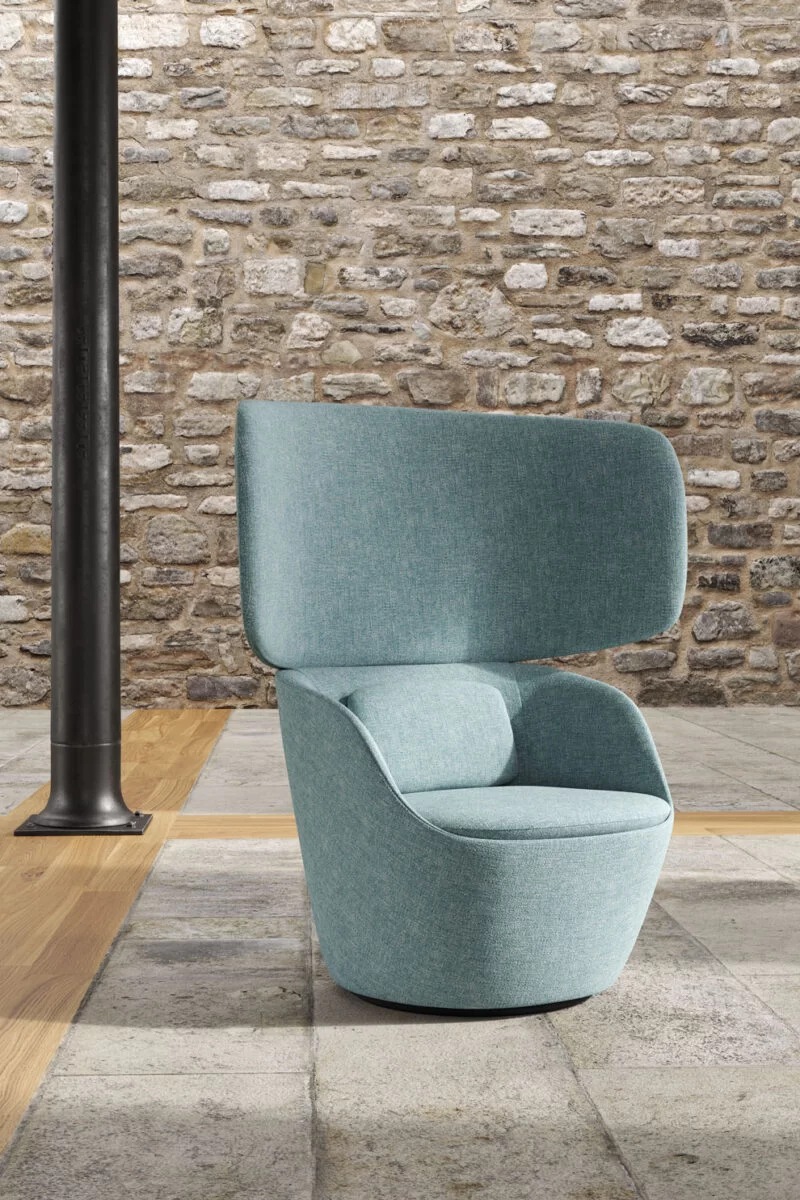
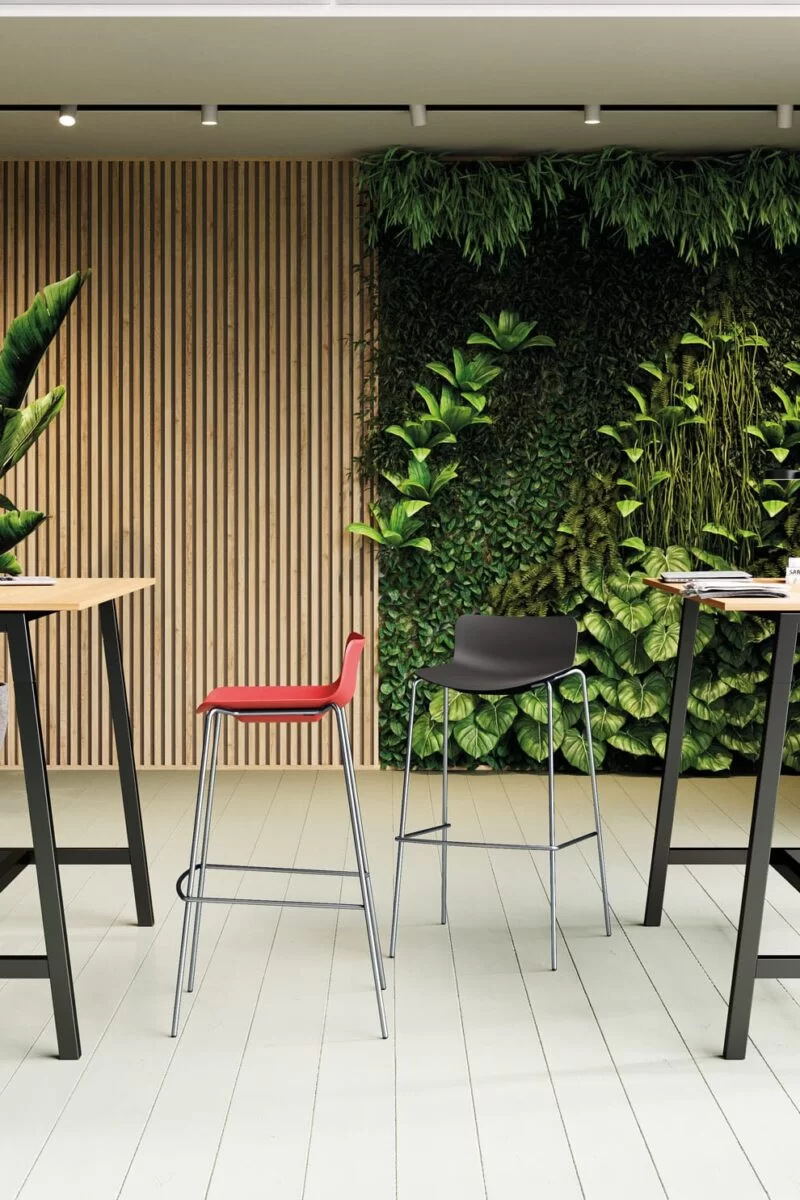
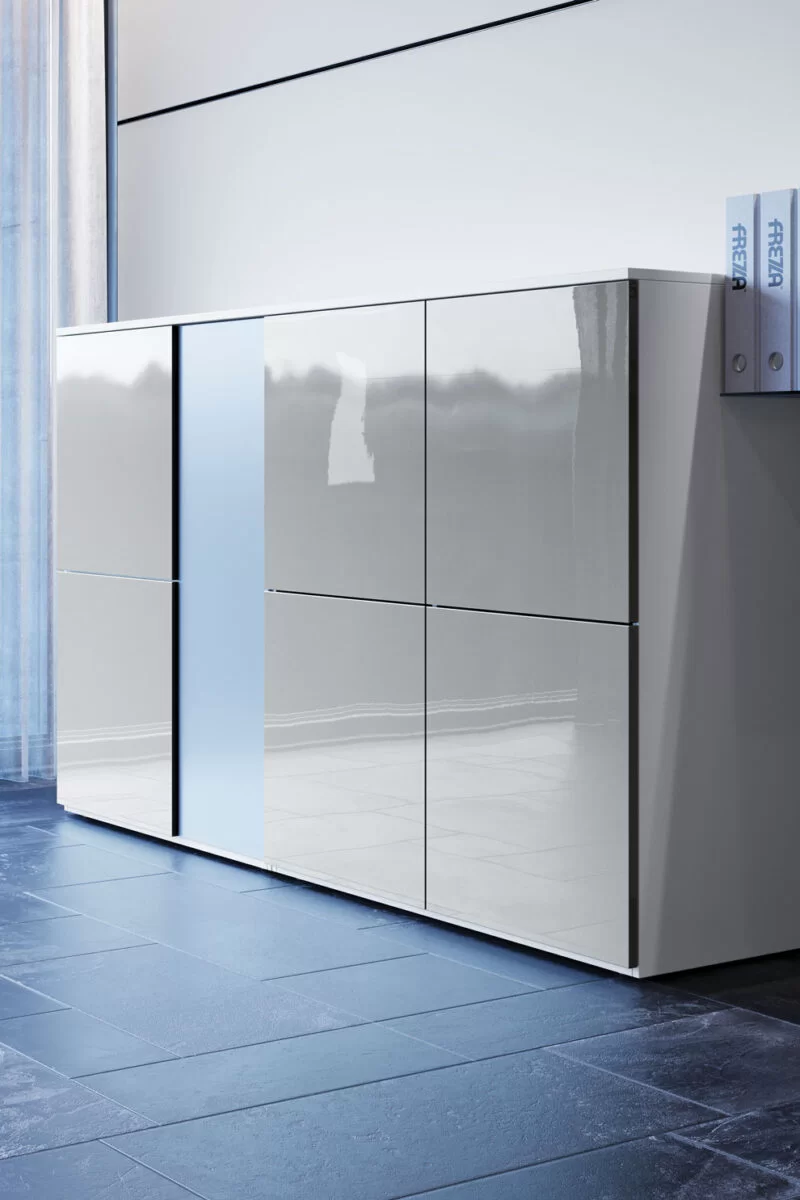
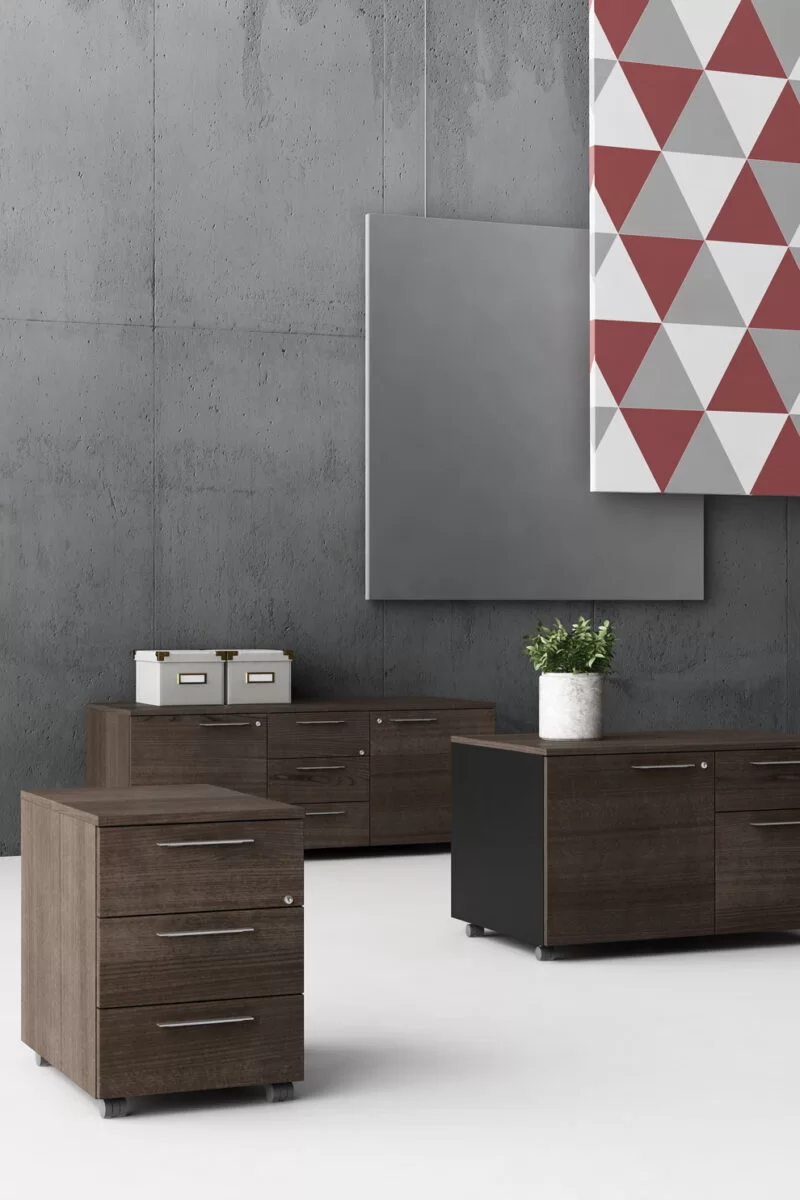
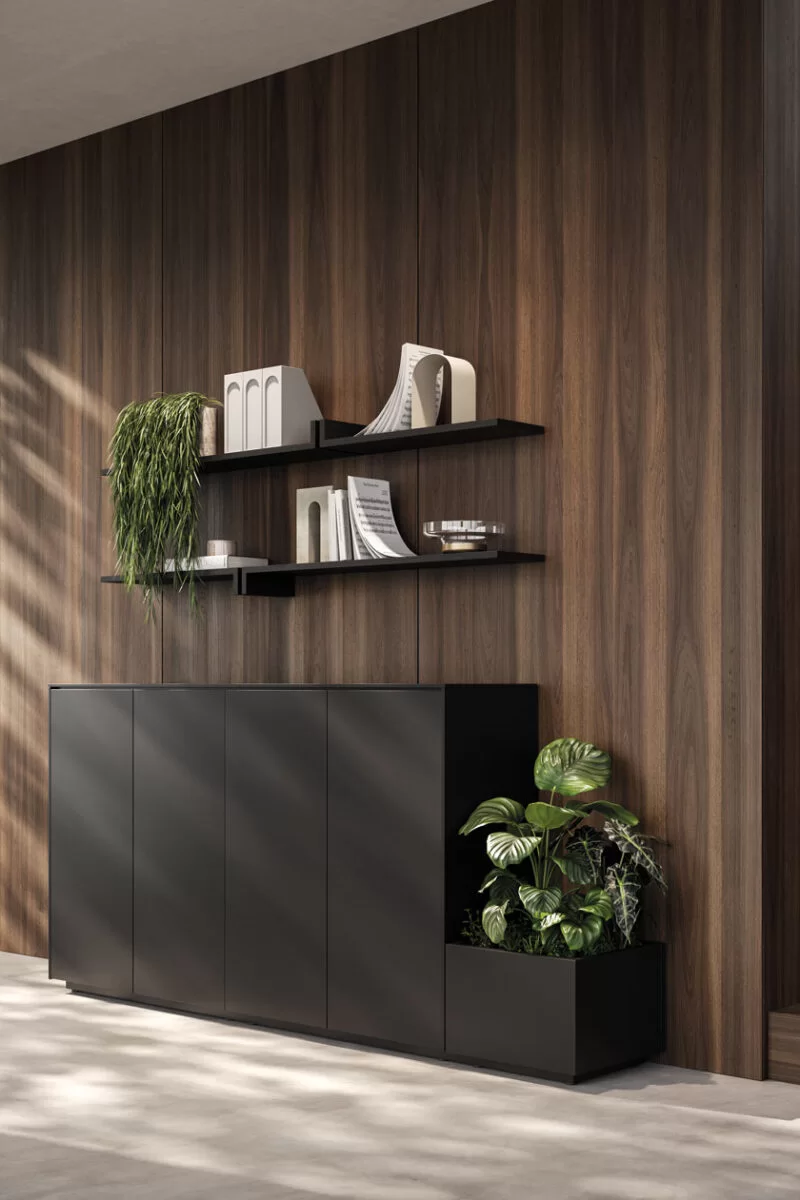
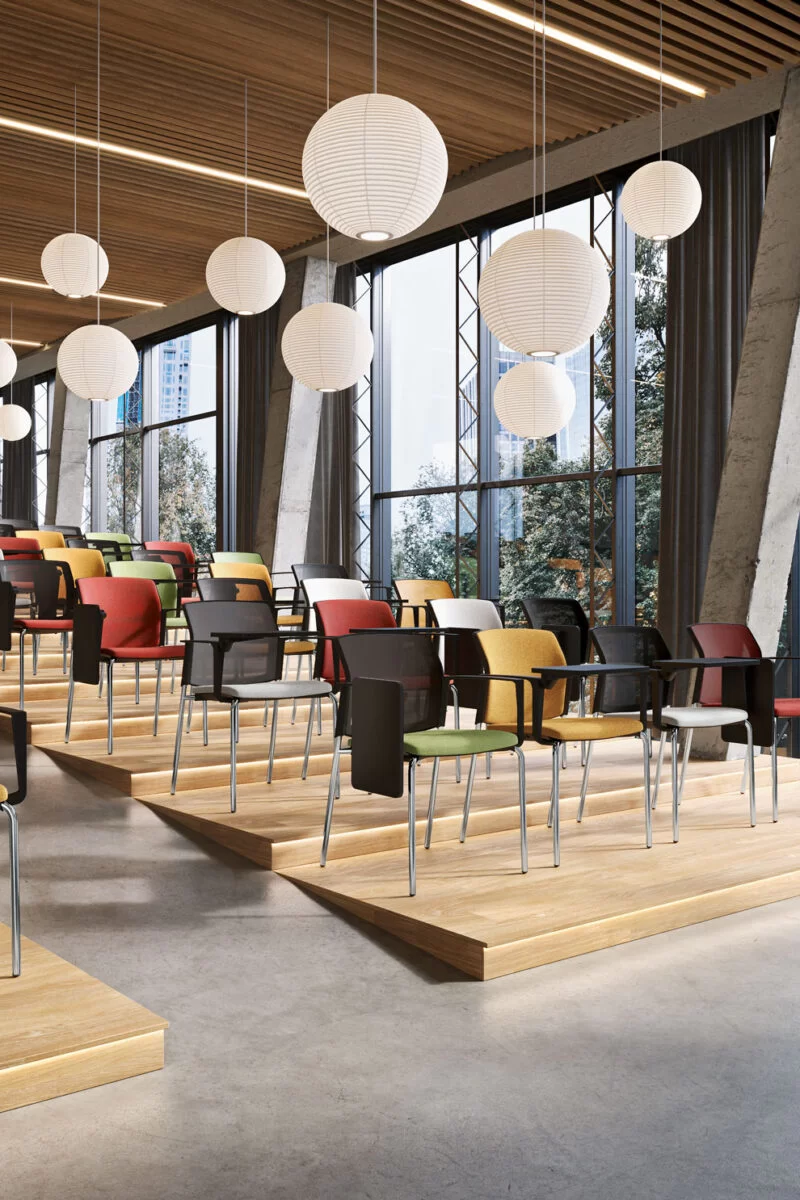
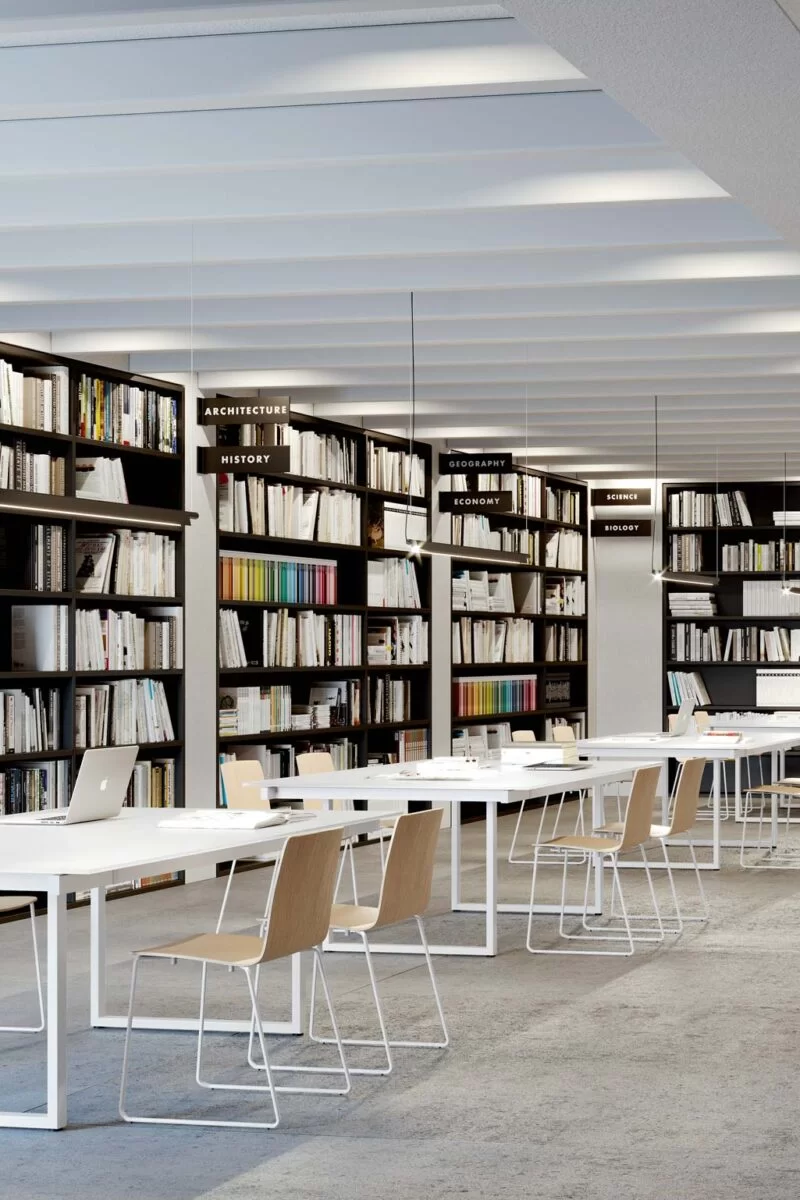
Collaborative activities require furnishings capable of shaping environments suited for teamwork, fostering both exchange and informal interaction. In modern open spaces, operational workstations increasingly coexist with lounge areas, spaces for spontaneous meetings and environments dedicated to social interaction. Frezza collections interpret the needs of shared spaces through welcoming, functional solutions that can be easily adapted over time.
Pal Spina modular structure
In open-plan environments, design quality also depends on the orderly and discreet management of technical elements. Pal Spina, designed by S.I. Design, was created to efficiently and harmoniously integrate electrification and cable distribution within the workspace.
Its modular structure connects desks, worktables and collaborative areas through an upper aluminium cable tray that facilitates cable routing while helping keep workstations tidy. This solution is particularly valuable in contemporary offices, where the widespread use of technology requires increasingly integrated yet visually unobtrusive infrastructure.
The Pal Spina system can be enhanced with shelves, storage units and accessories that increase workstation functionality and improve space organization. Thanks to its versatility, it can be positioned not only between desks but also in support of shared tables, small lounge areas or informal meeting zones, ensuring design continuity and access to power connections without compromising visual balance.
Alplus System collection
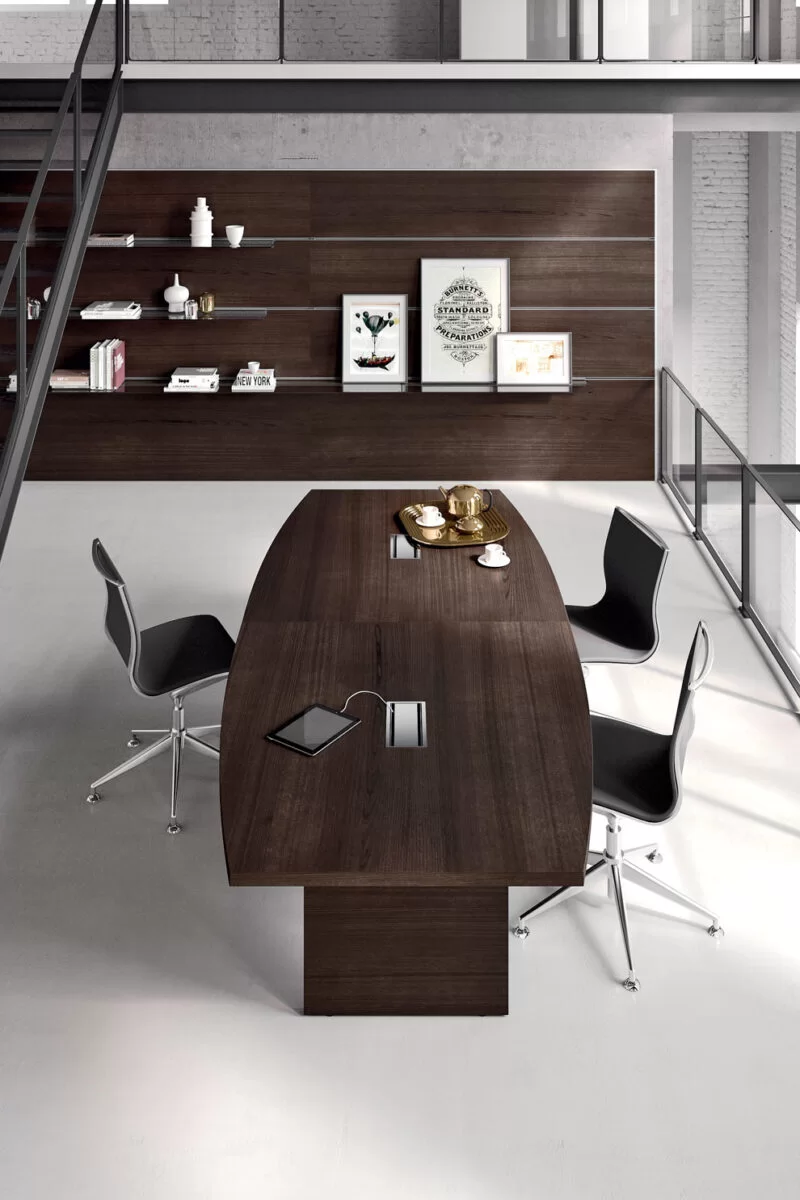
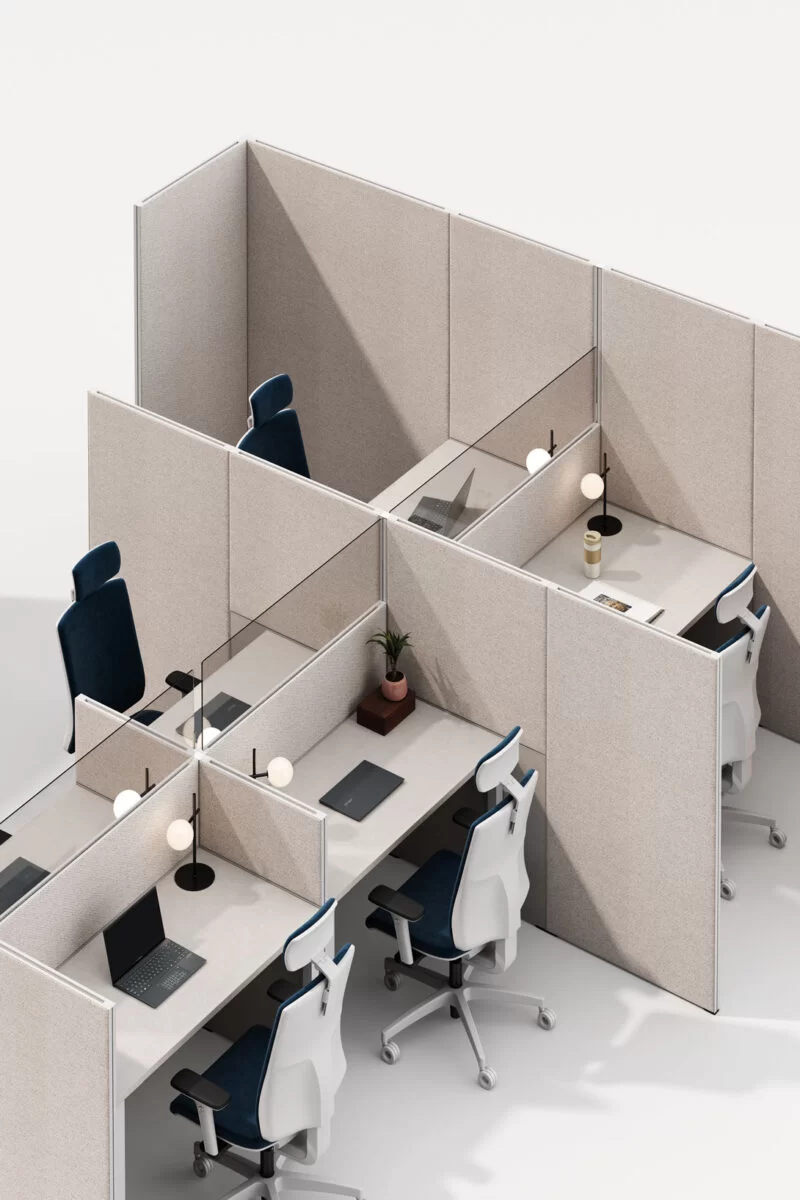
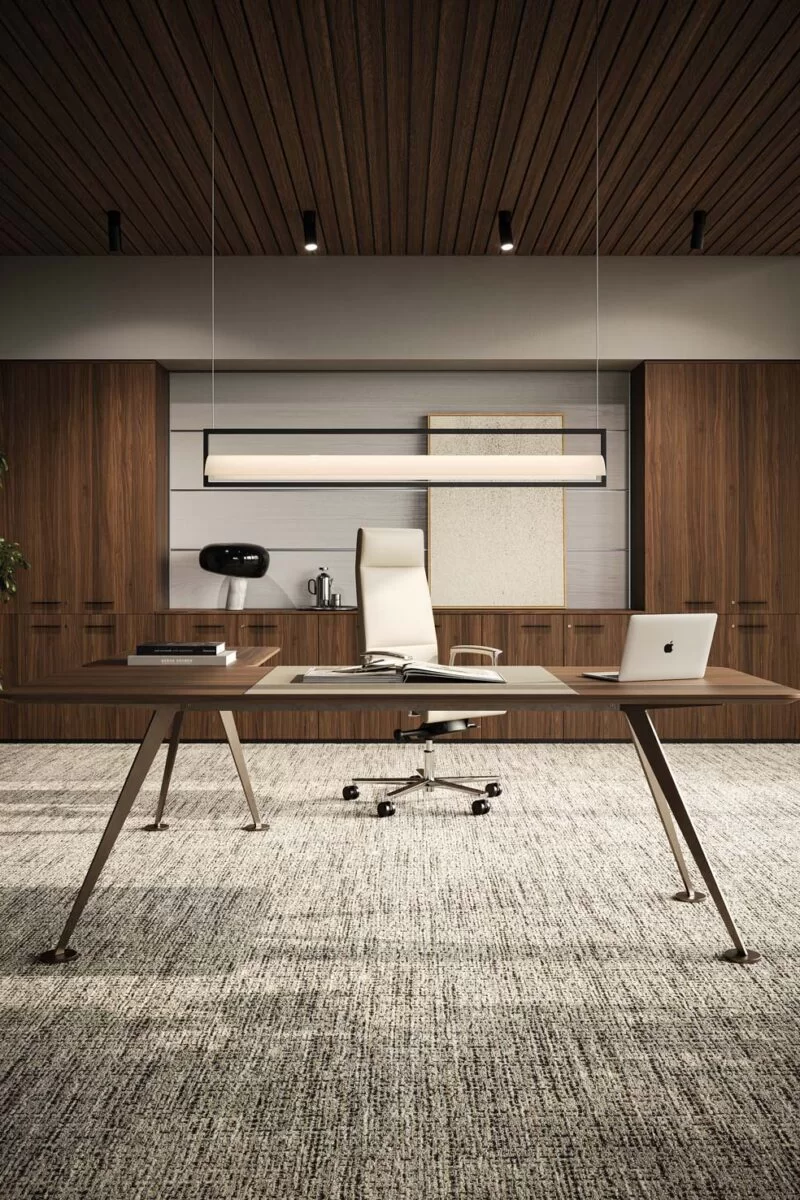
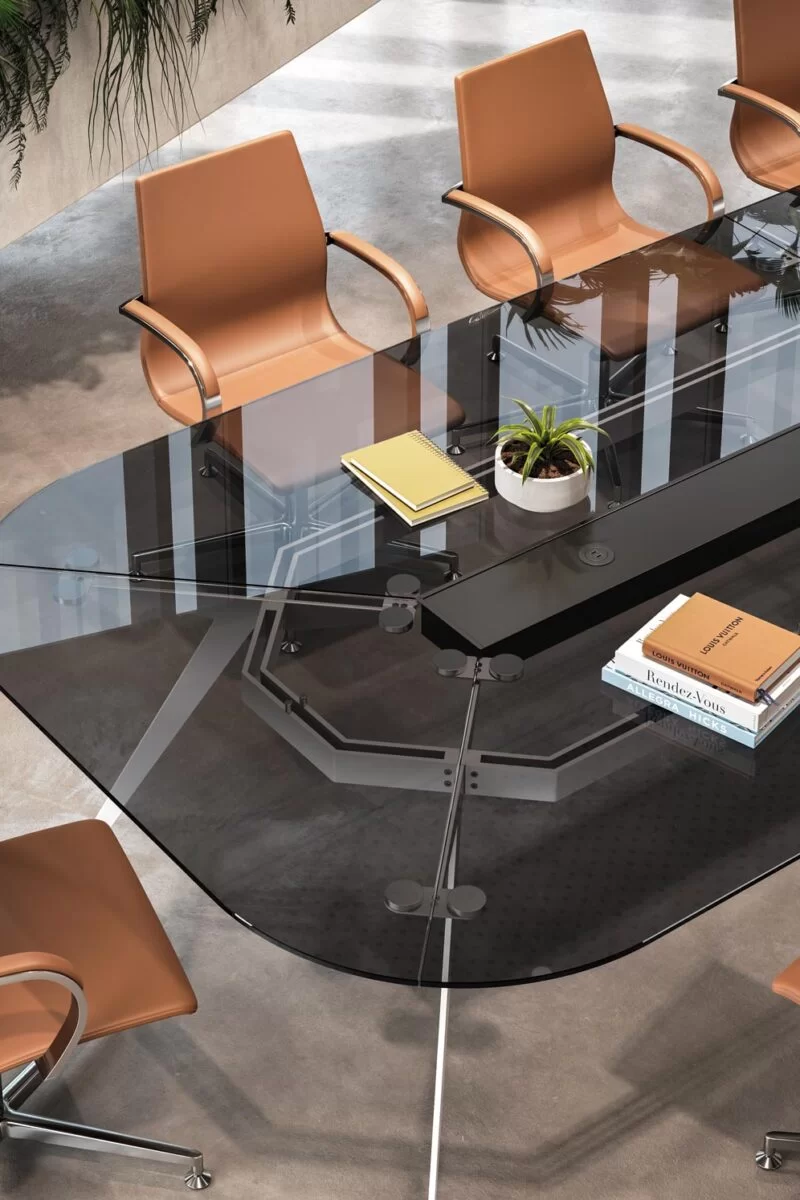
Designed by architect Marco Zito, Alplus System is a fully integrated solution that enables the design of multifunctional environments through a coherent aesthetic language. The collection includes multi-workstation and executive desks, meeting tables, benches, sofas and meeting pods, offering a comprehensive response to the various needs coexisting within an open space.
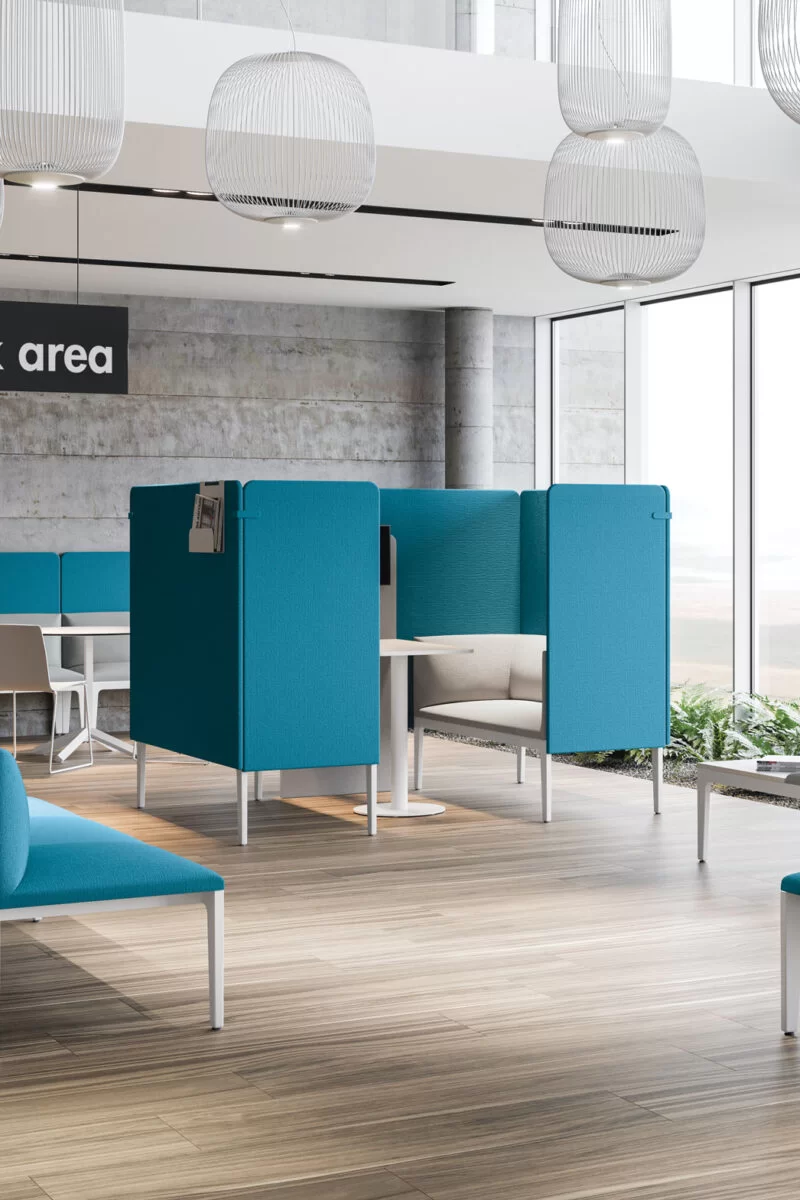
Its modular structure allows spaces to be shaped and organized into distinct micro-environments while maintaining overall visual continuity. In this way, the open space can be arranged into more open areas or more private zones designed for different uses.
This variety of solutions makes it possible to define areas dedicated to individual focus, team collaboration, meetings and social interaction, providing privacy where needed.
The essential design, characterized by lightweight yet sturdy aluminium structures, contributes to creating minimal and elegant environments. The system’s flexibility also allows spaces to be easily reconfigured over time, supporting the evolution of modern workplace practices.
Contemporary open spaces require furniture that can support the evolution of work methods and organizational needs.
If you would like to design a high-quality shared environment that promotes comfort and flexibility, contact us for more information.
 Read all





 Back to top