








 How To, Inspiration
 25th September 2026
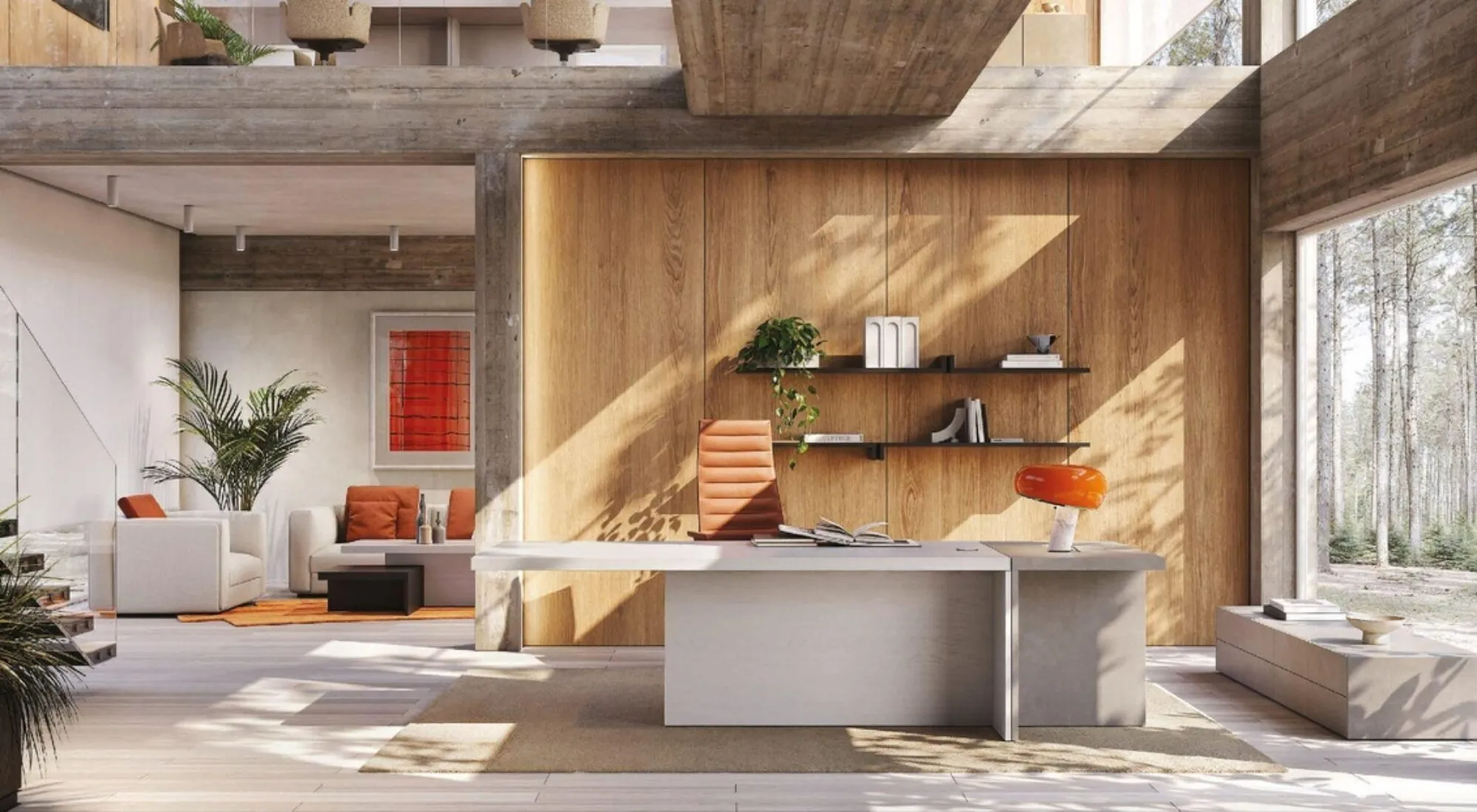
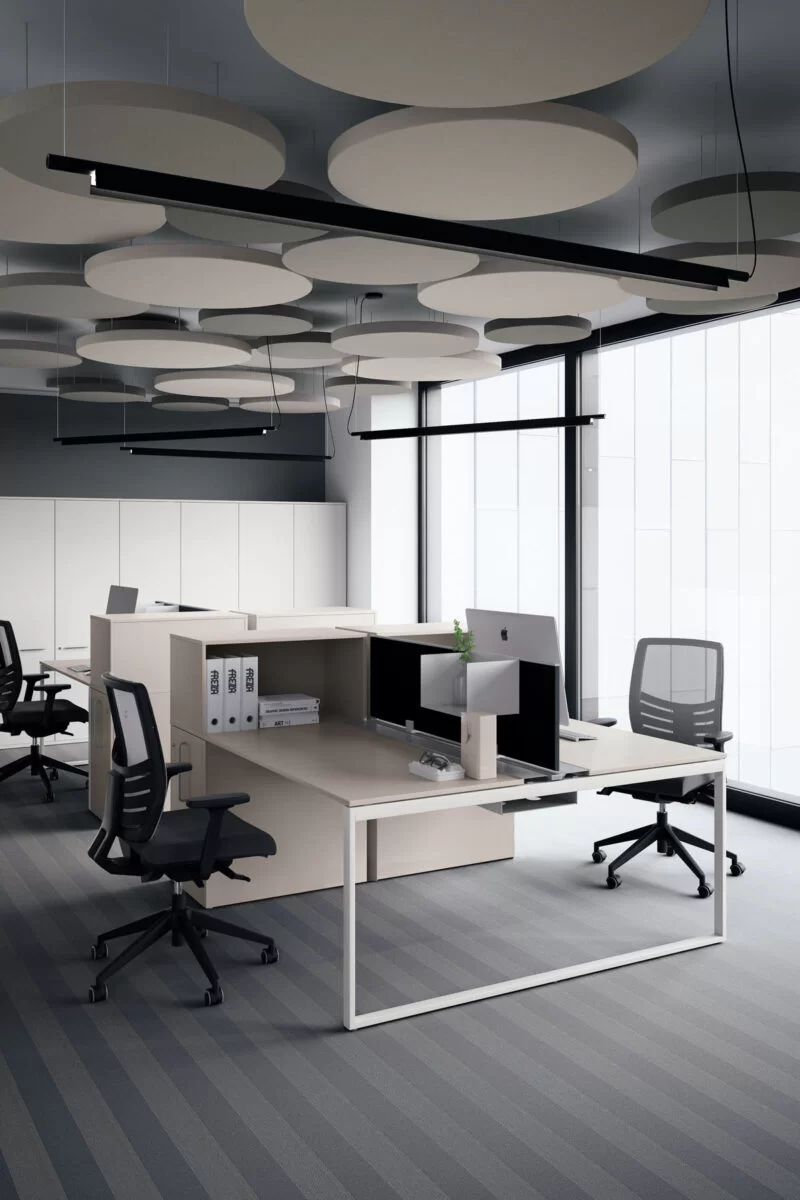
Every material conveys a message even before it is used. Its texture, colour and the way it reflects or absorbs light all play a role in shaping the overall perception of a space. Yet the choice of a surface or finish should be guided not only by aesthetic considerations, but also by its intended application, the experience it’s designed to create and the long-term performance requirements it must meet.
In any interior design project, materials and finishes become an integral part of the space’s visual language. They help define its identity while creating a balance between visual appeal, comfort and functionality. Understanding the unique characteristics of different materials and finishes enables more informed design decisions, resulting in spaces that are consistent with the project vision, built to stand the test of time and capable of meeting the practical needs of the people who use them every day.
Choosing materials and finishes for different environments
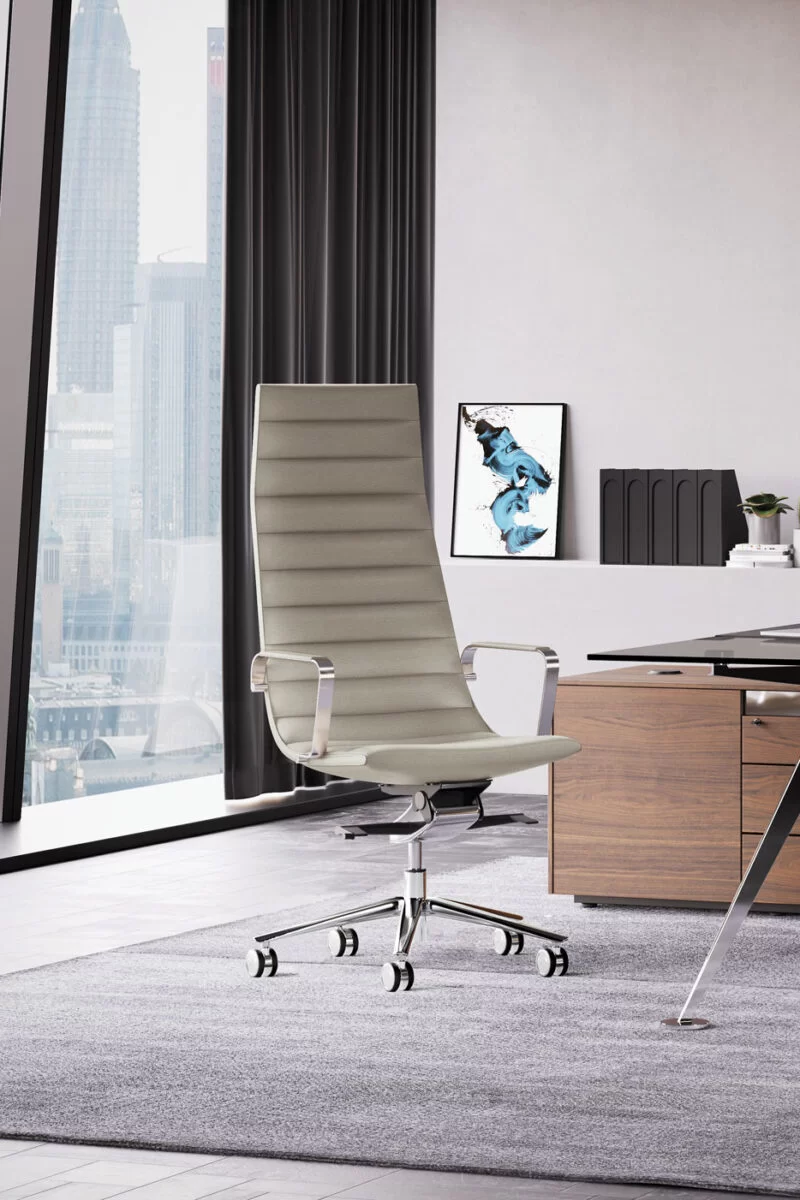
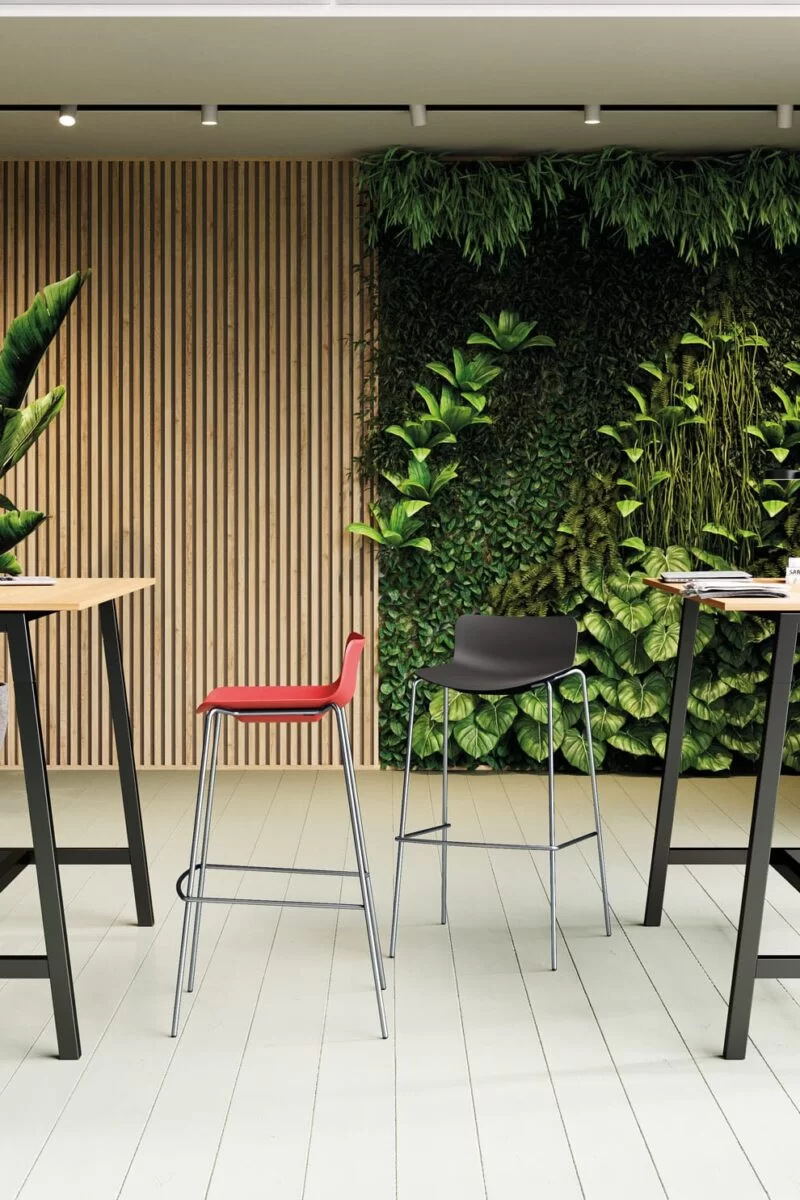
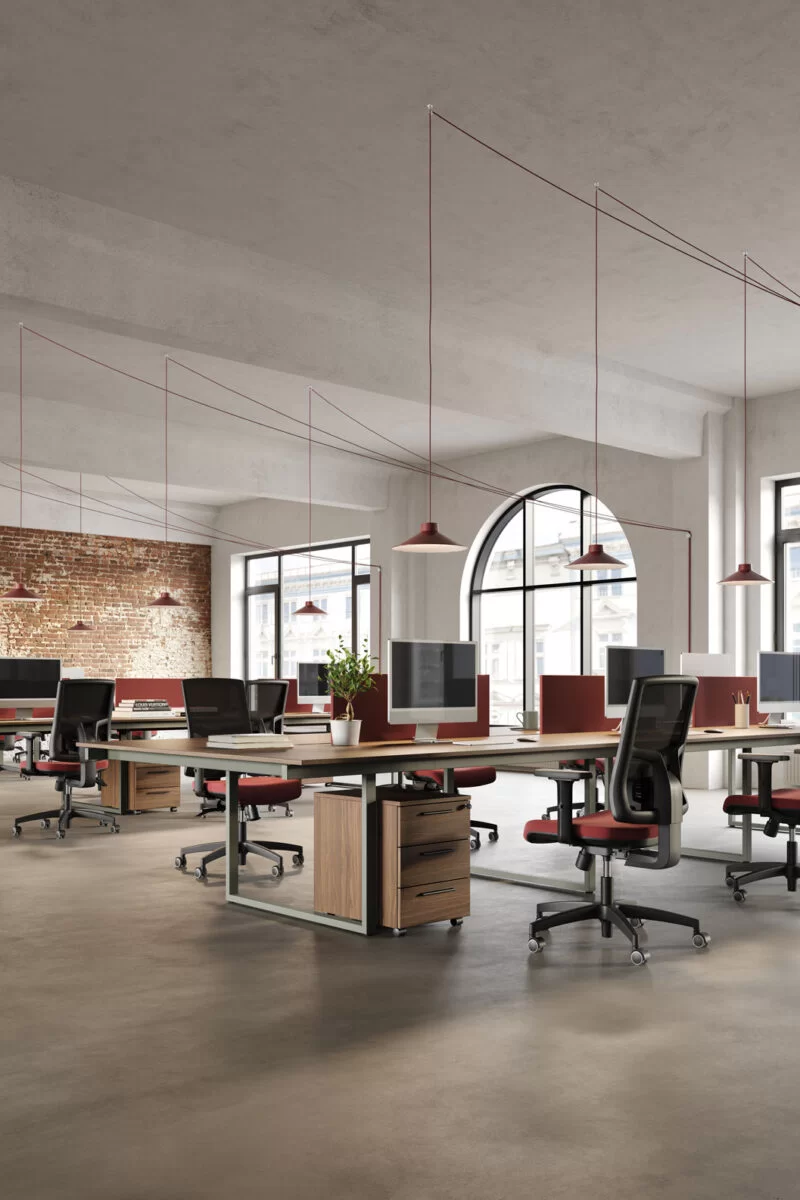
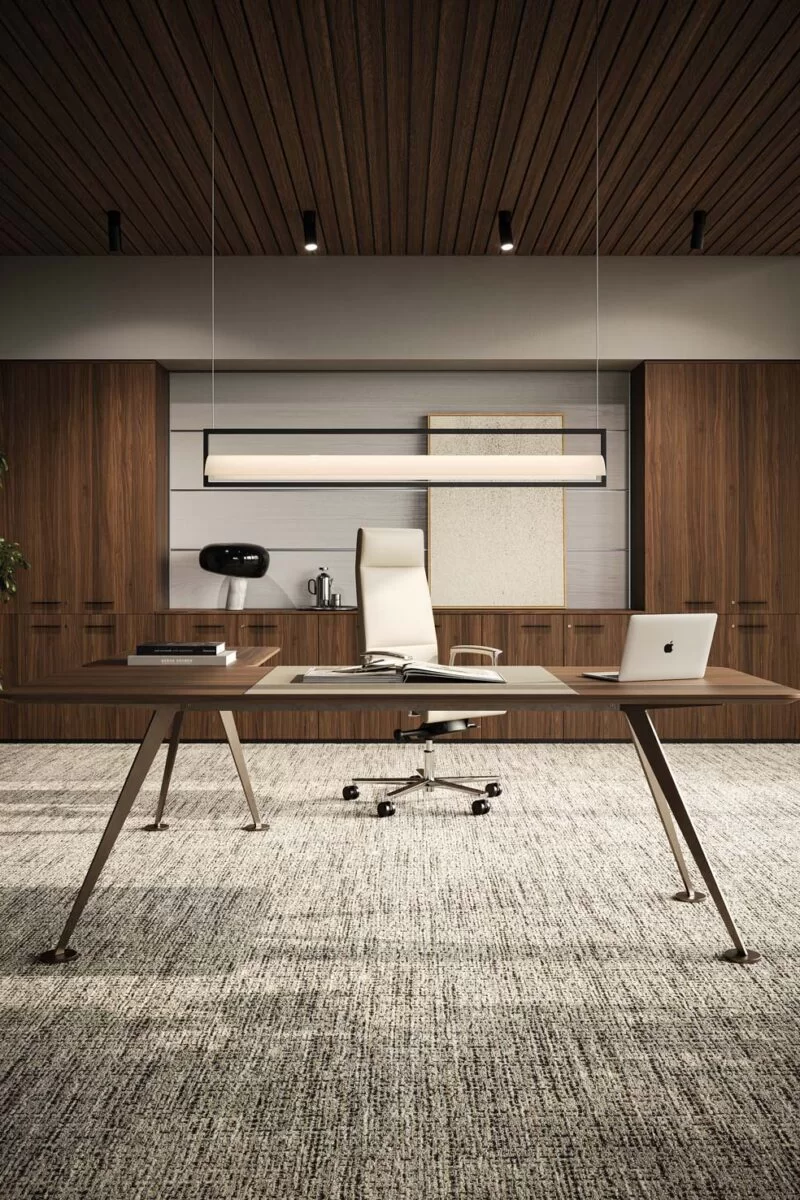
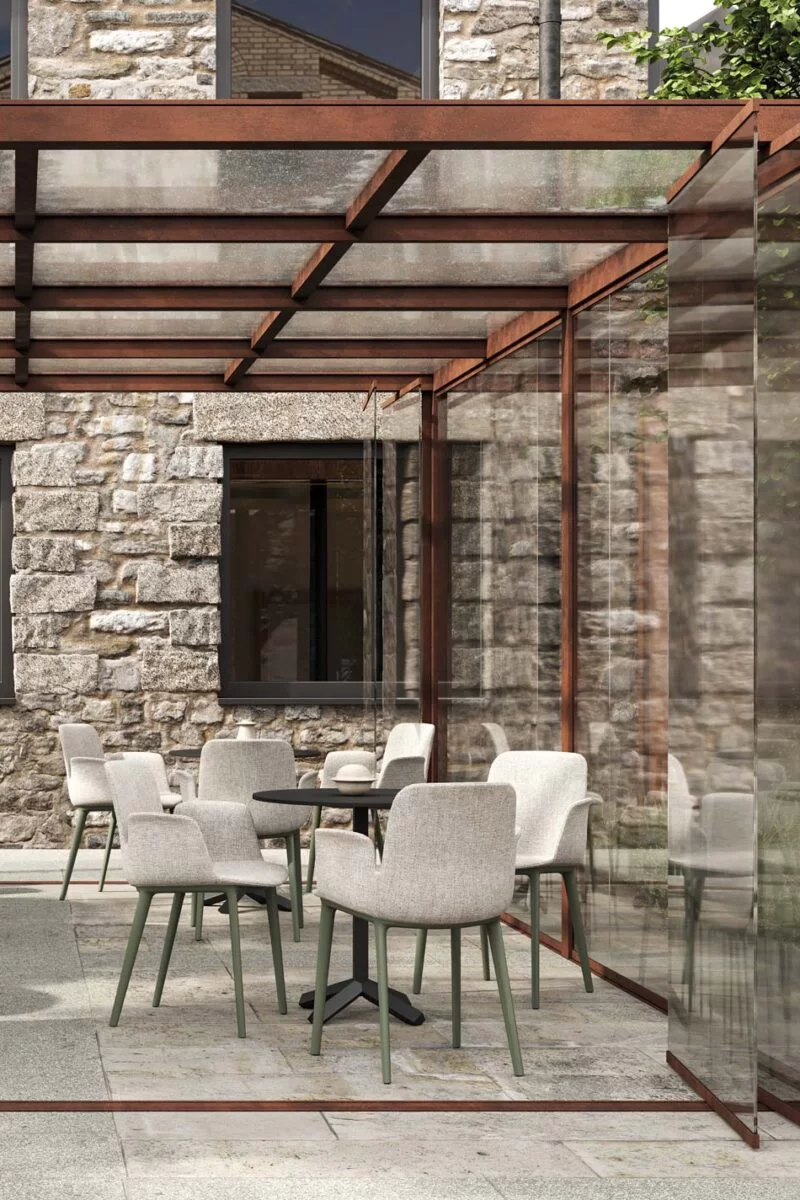
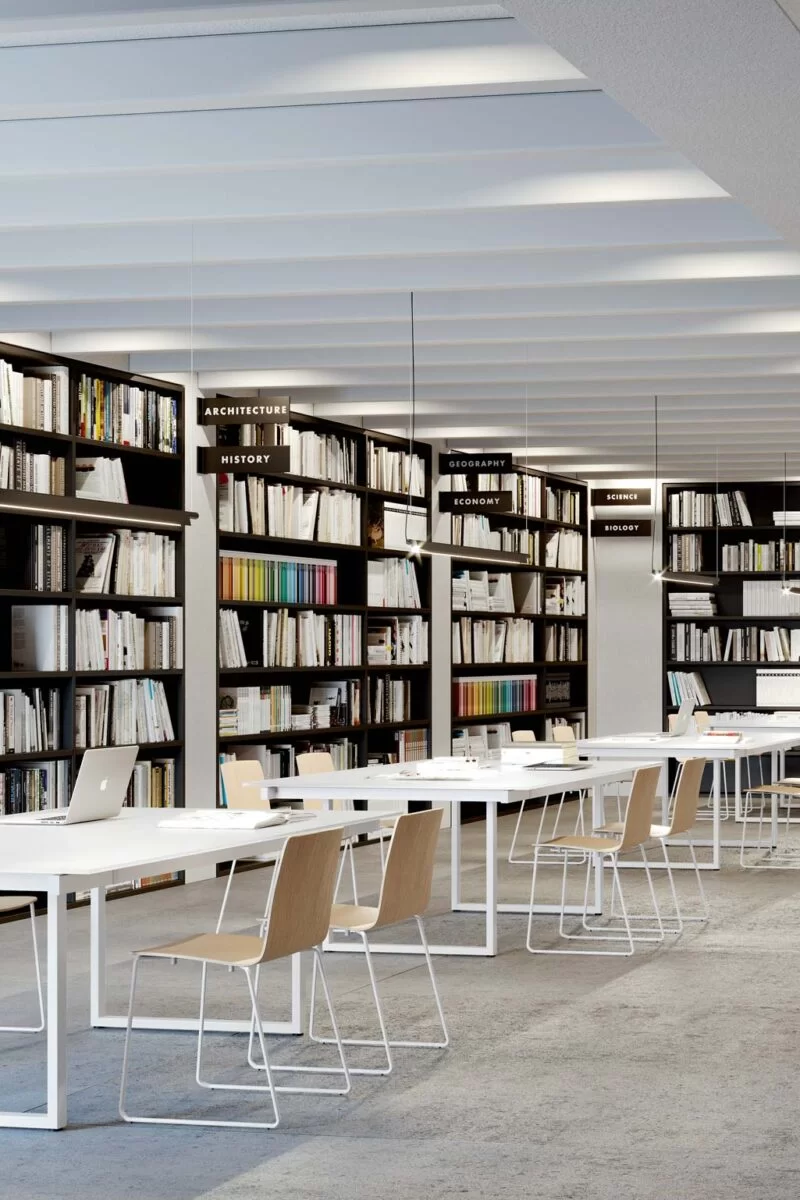
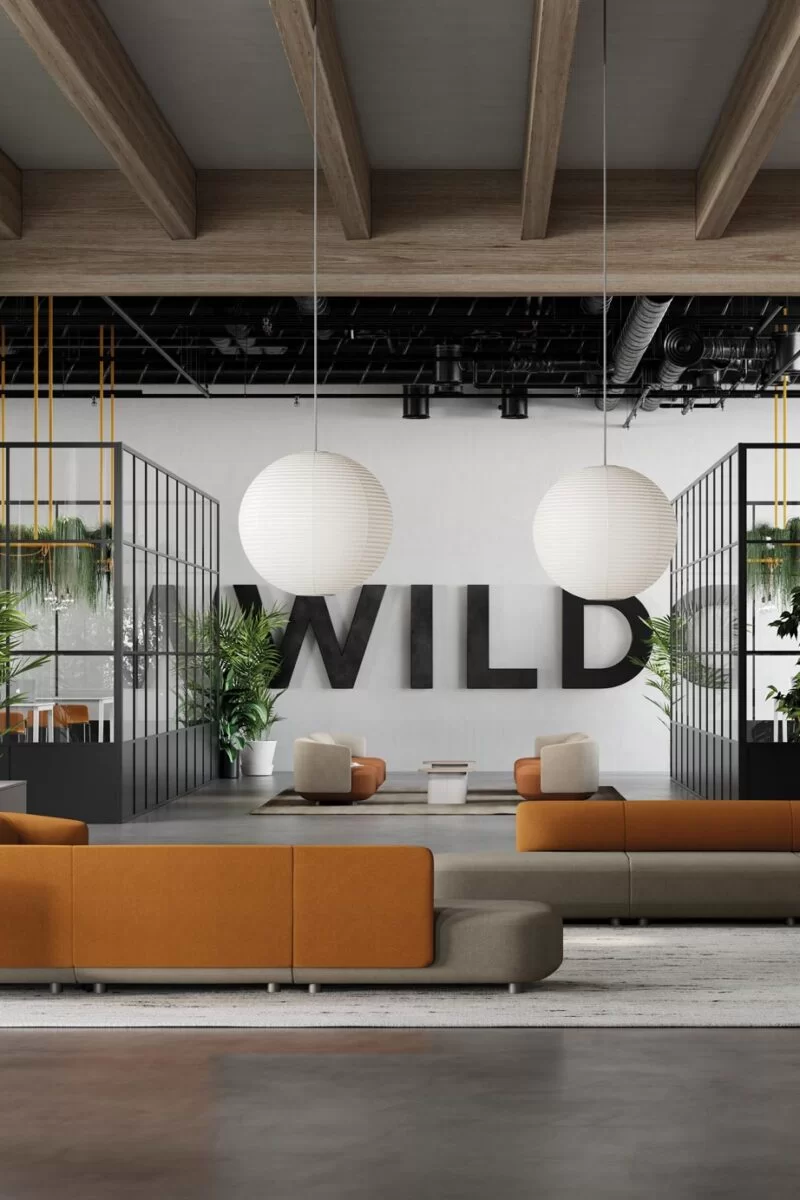
There is no universally superior material, only solutions that are better suited to specific contexts. In an executive office, for example, the choice of surfaces helps define the space’s representative character, while in areas dedicated to collaboration or social interaction, materials and finishes can be used to create a more relaxed and informal atmosphere.
Comparing surfaces and materials: characteristics and design potential
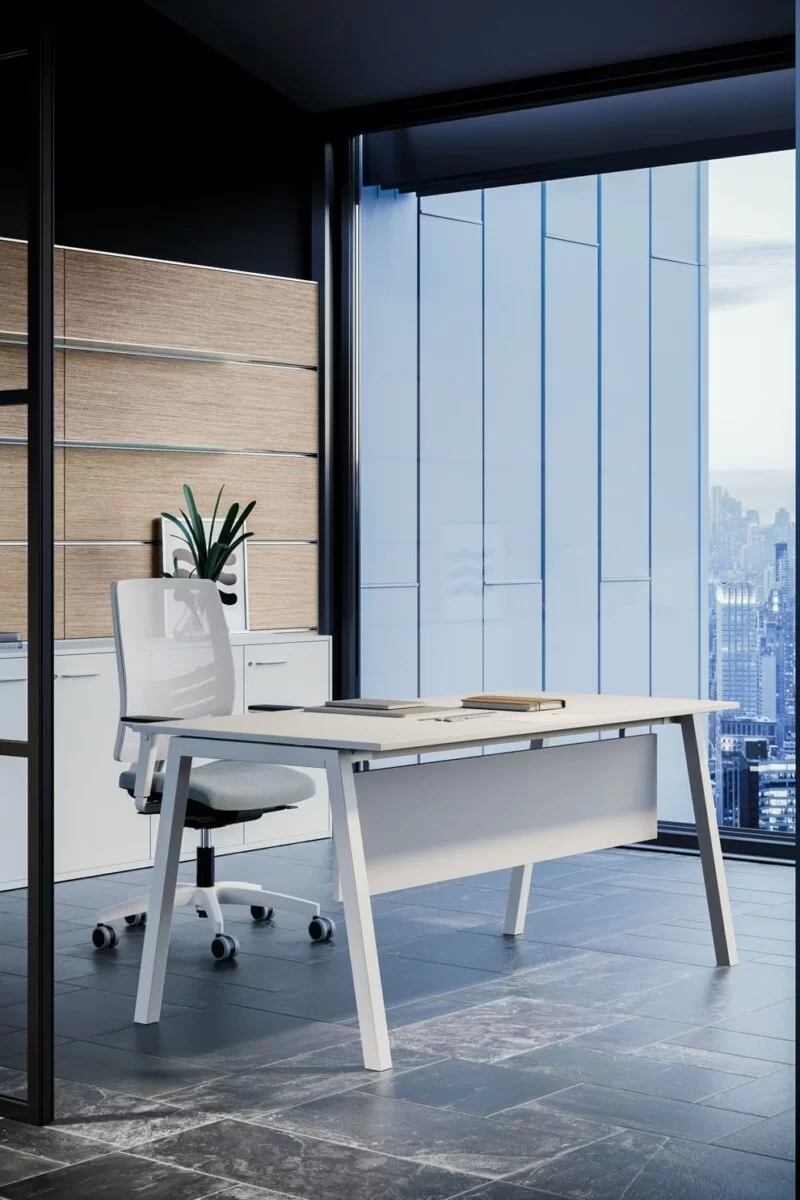
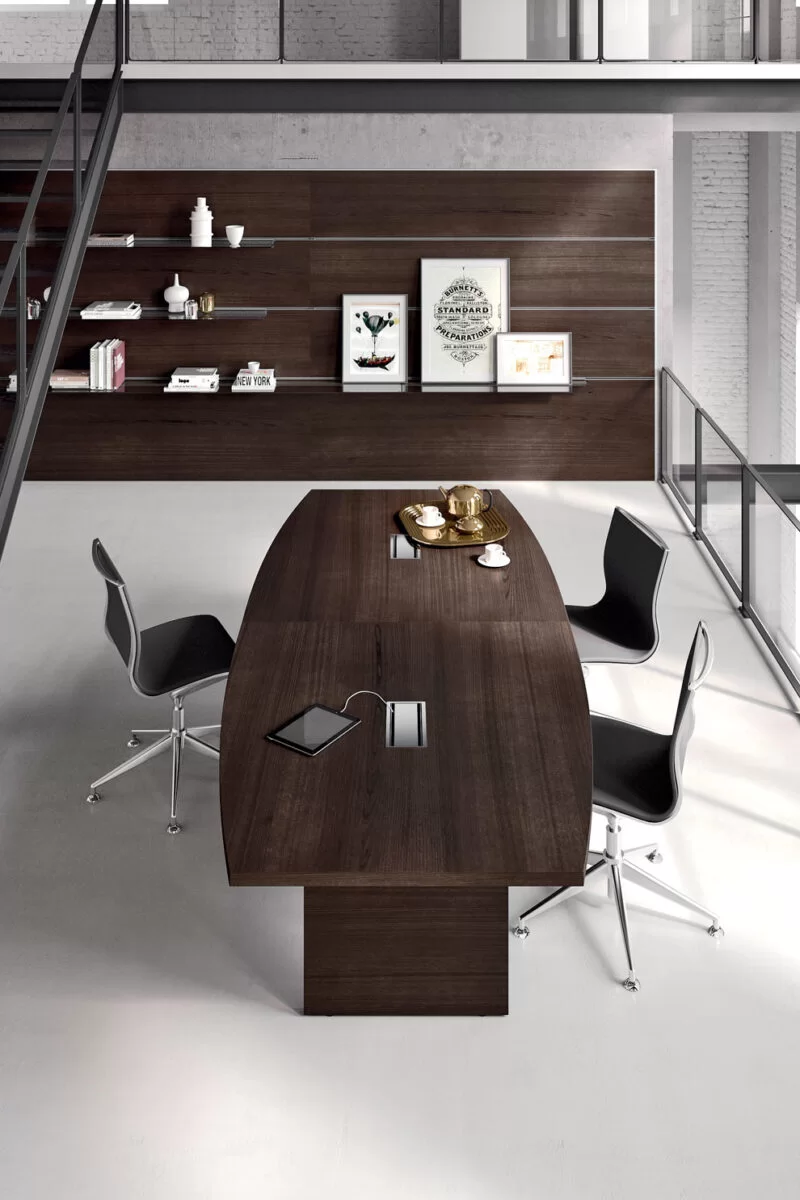
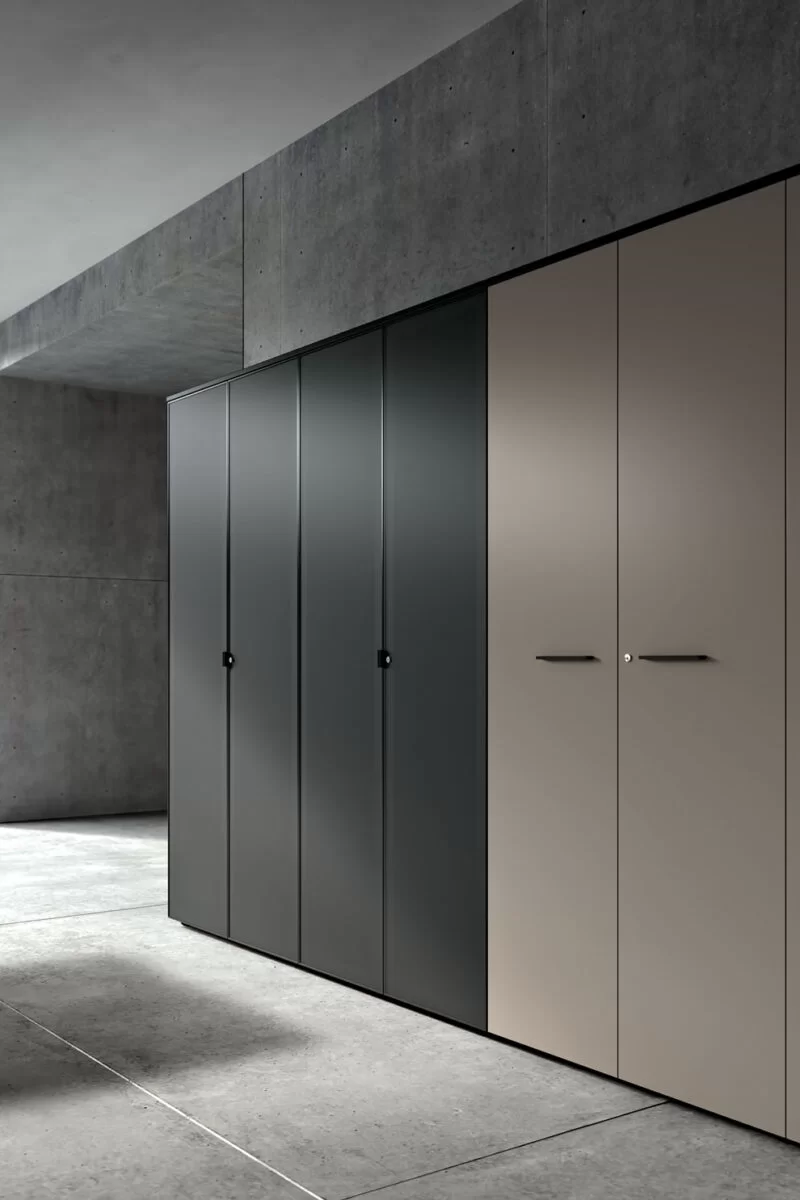
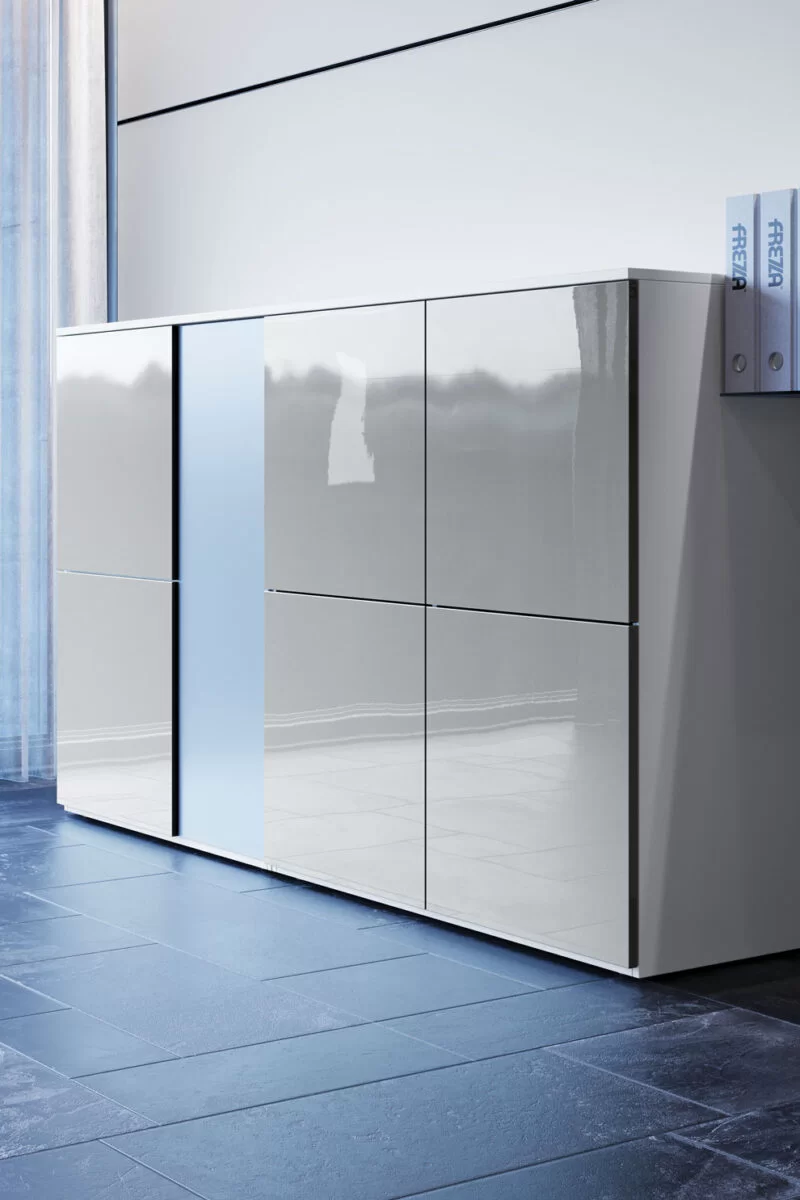
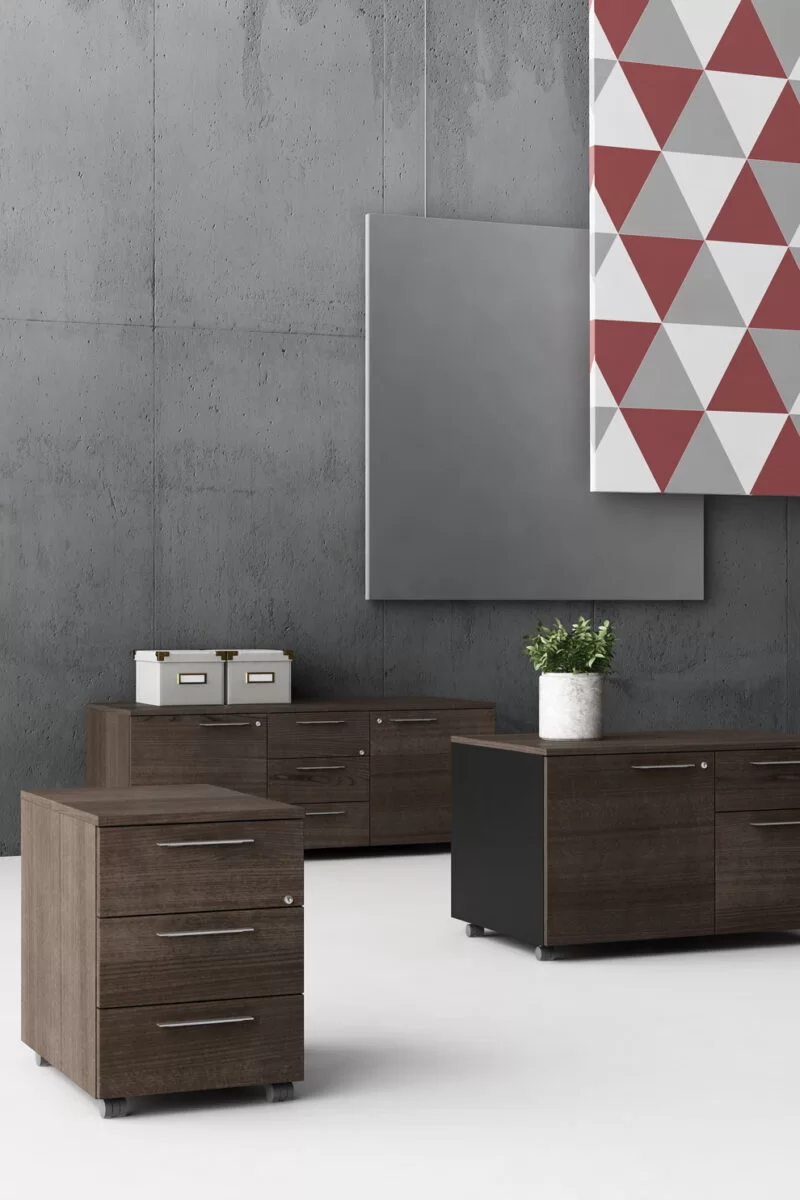
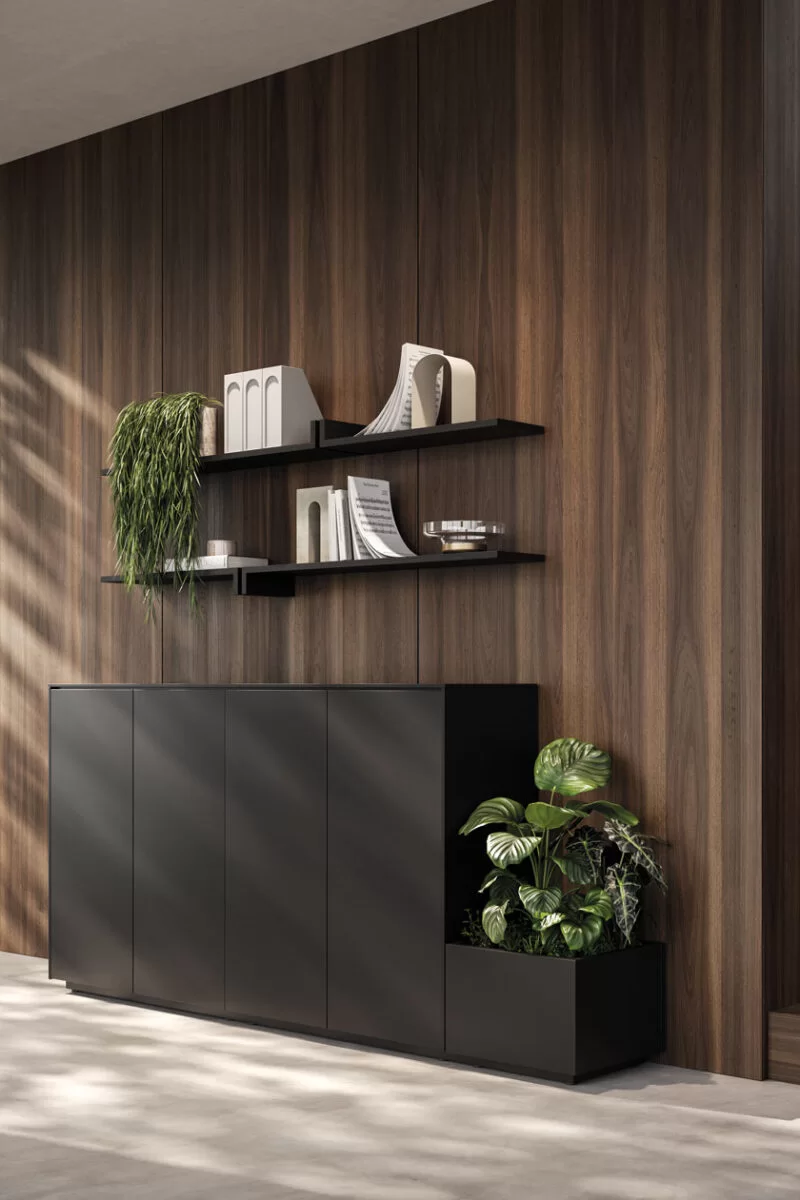
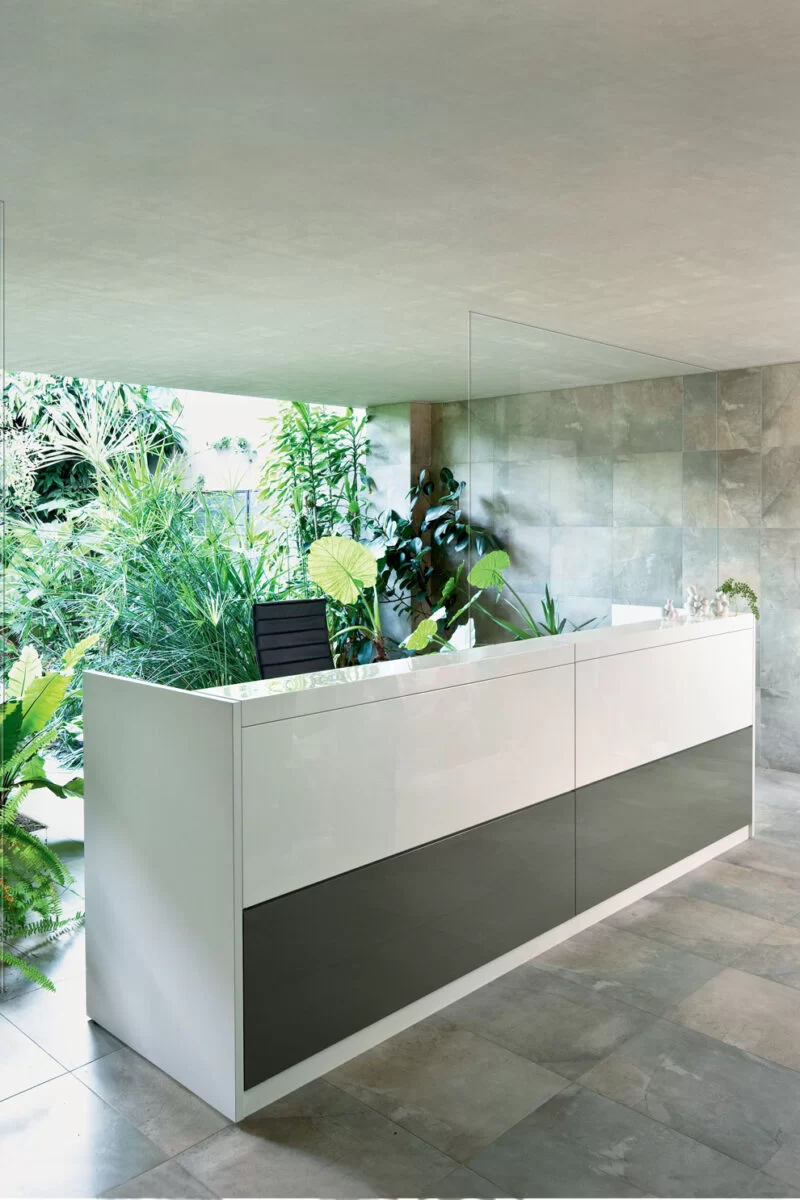
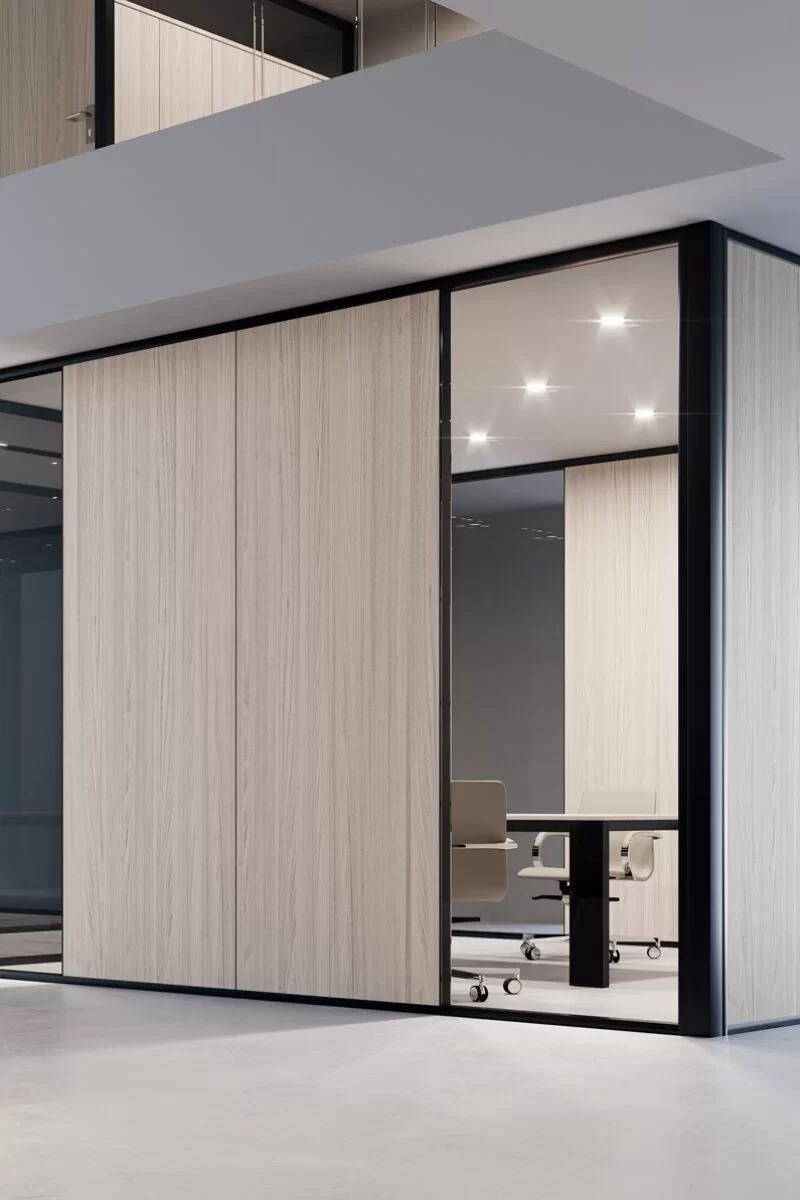
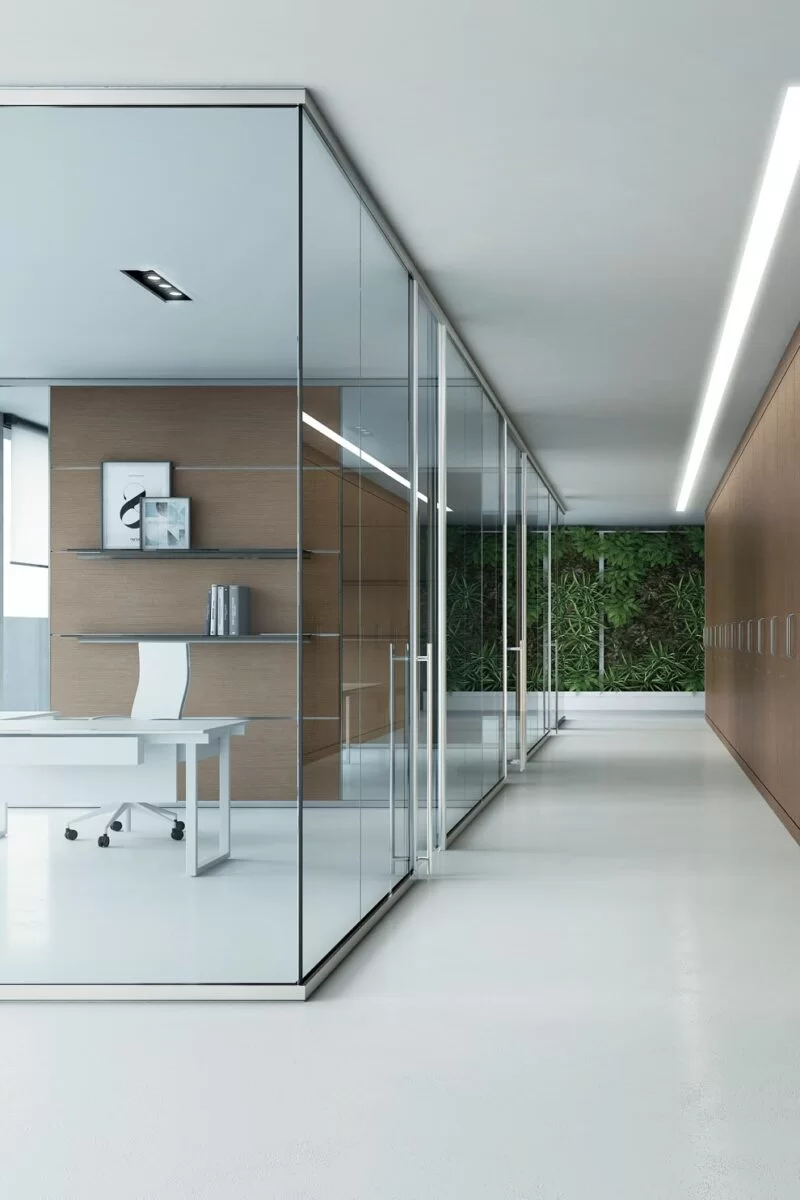
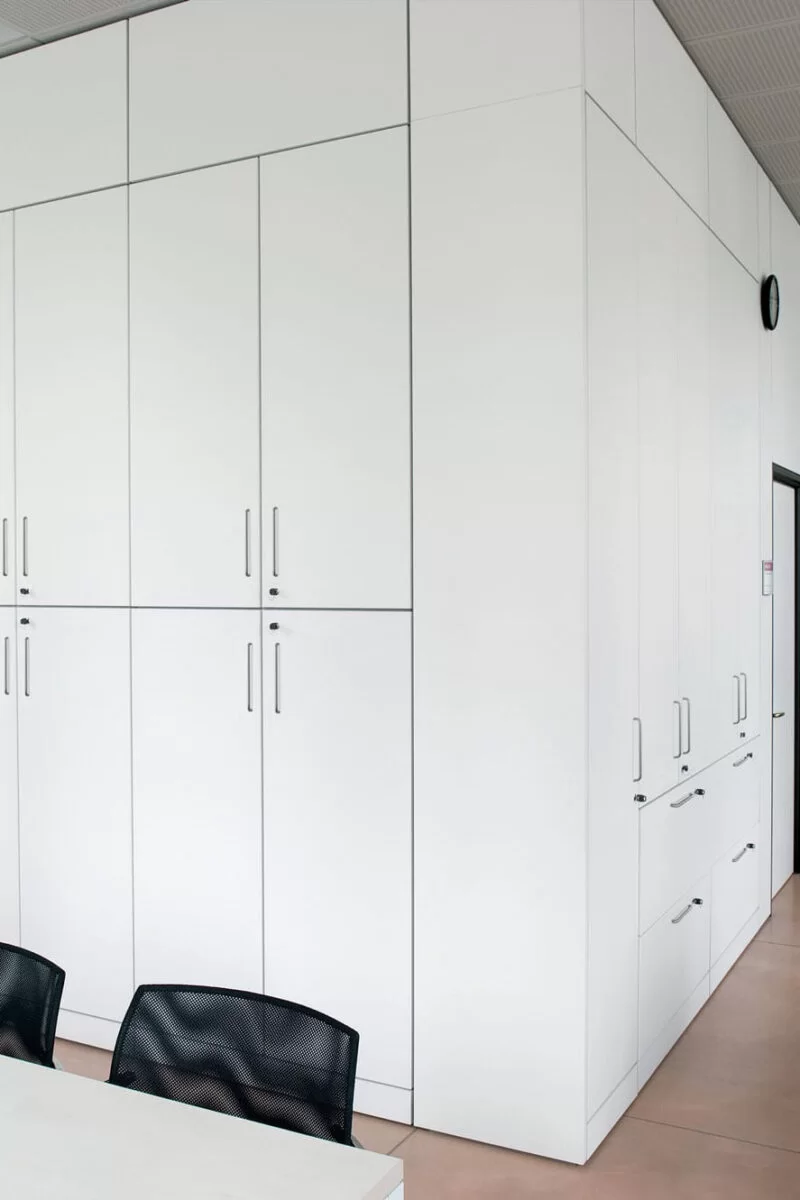
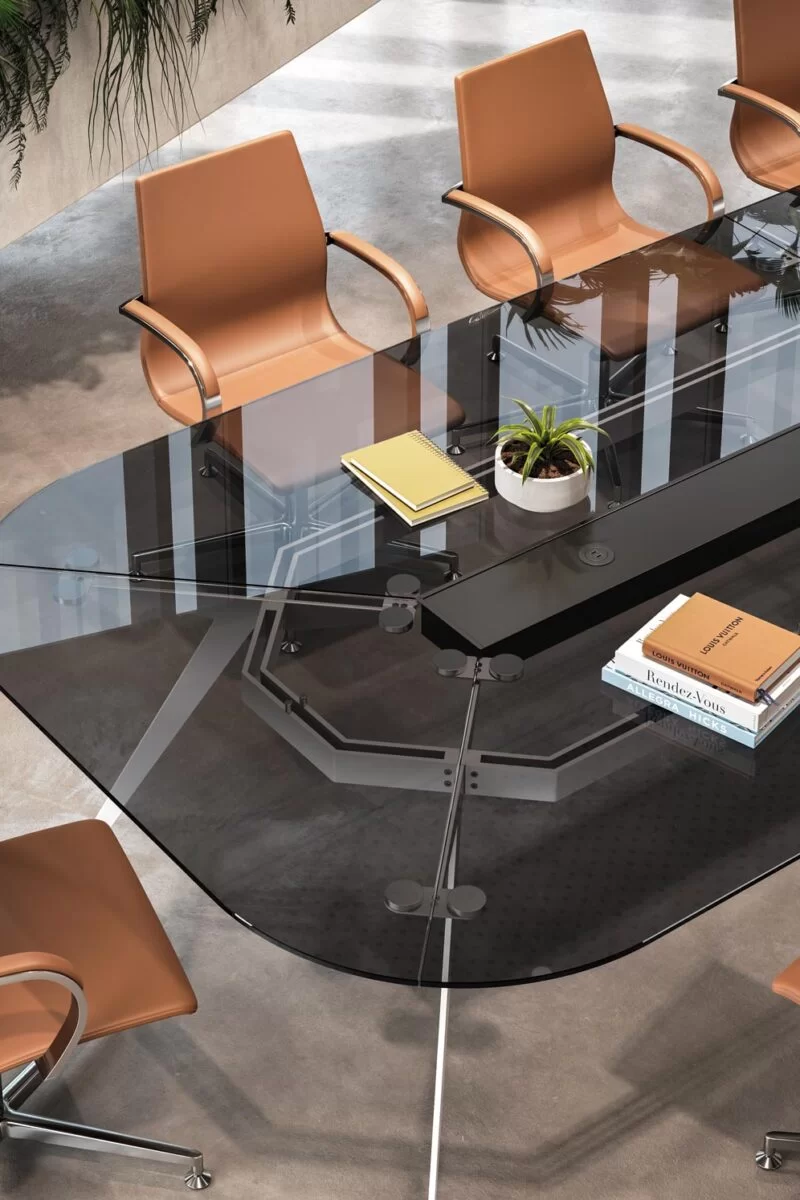
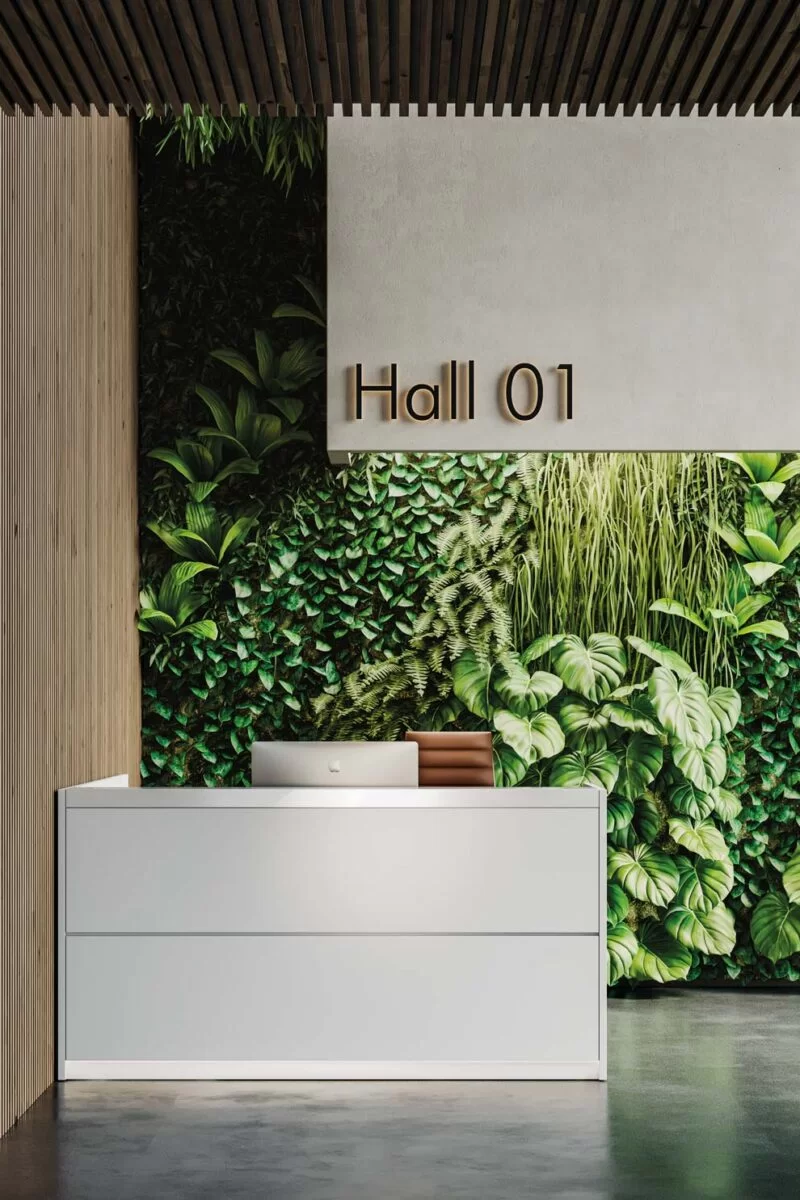
Wood, melamine, glass and metal each address different requirements and lend themselves to different applications, depending on the setting, level of use, desired visual impact and maintenance needs. In this sense, the surface becomes an integral part of the architecture, shaping the perception of a space just as much as its forms and volumes.
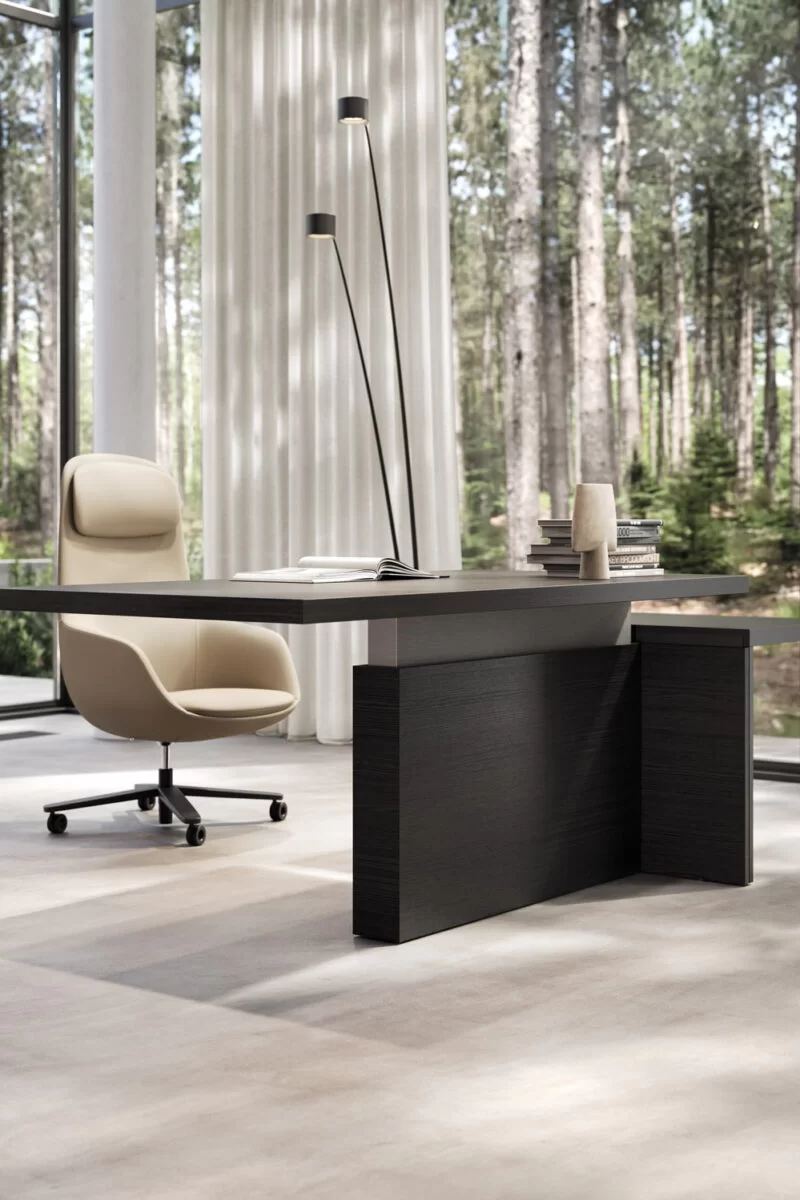
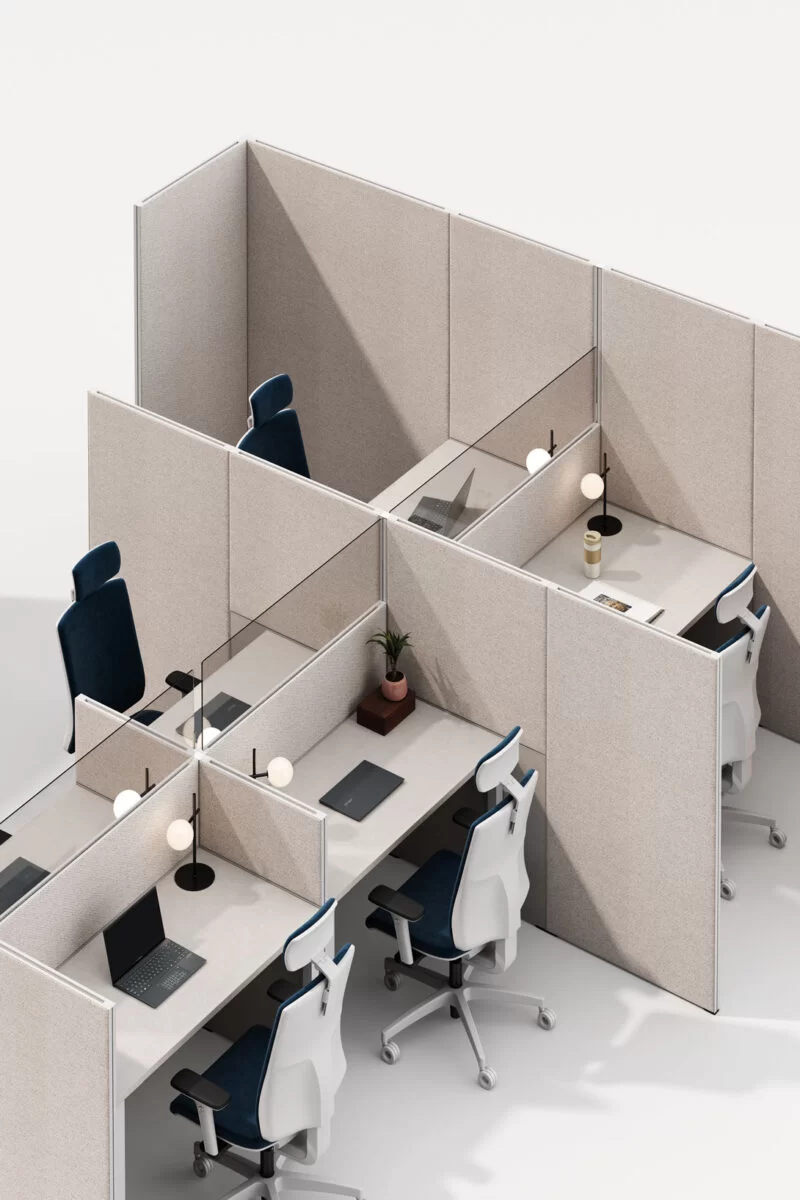
Alongside these considerations, increasing attention is now being paid to materials sourced from certified supply chains and to the adoption of an eco-design approach. This design philosophy takes the product’s entire life cycle into account, promoting more efficient use of resources, lower-impact material choices and solutions designed to last, be reconfigured and, whenever possible, repaired or recycled. A prime example is Mux70, the collection designed by Stefano Boeri Interiors, where formal research goes hand in hand with a careful exploration of materials and finishes. The desk and other pieces in the collection can be customised through a wide selection of materials and finishes, ranging from wood veneers and premium leathers to more innovative and sustainable options such as Fenix and Oleomalta.
In particular, Oleomalta stands out for its natural composition based on water and sunflower oil, as well as its complete absence of epoxy resins. Its cold-production process helps reduce CO₂ emissions compared to traditional manufacturing methods, while its antibacterial, antiviral and air-purifying properties further enhance its functional performance. Applied to Mux70, this finish can be combined with the other available materials to introduce a distinctive tactile element with a natural yet sophisticated appeal. The extensive range of colours and finishes available also makes it possible to create combinations that are fully aligned with the surrounding architecture and the identity of a space. The result is a highly versatile design solution, capable of interpreting a wide variety of settings with creativity, from prestigious executive environments to refined residential interiors.
Choosing upholstery fabrics: from texture to performance
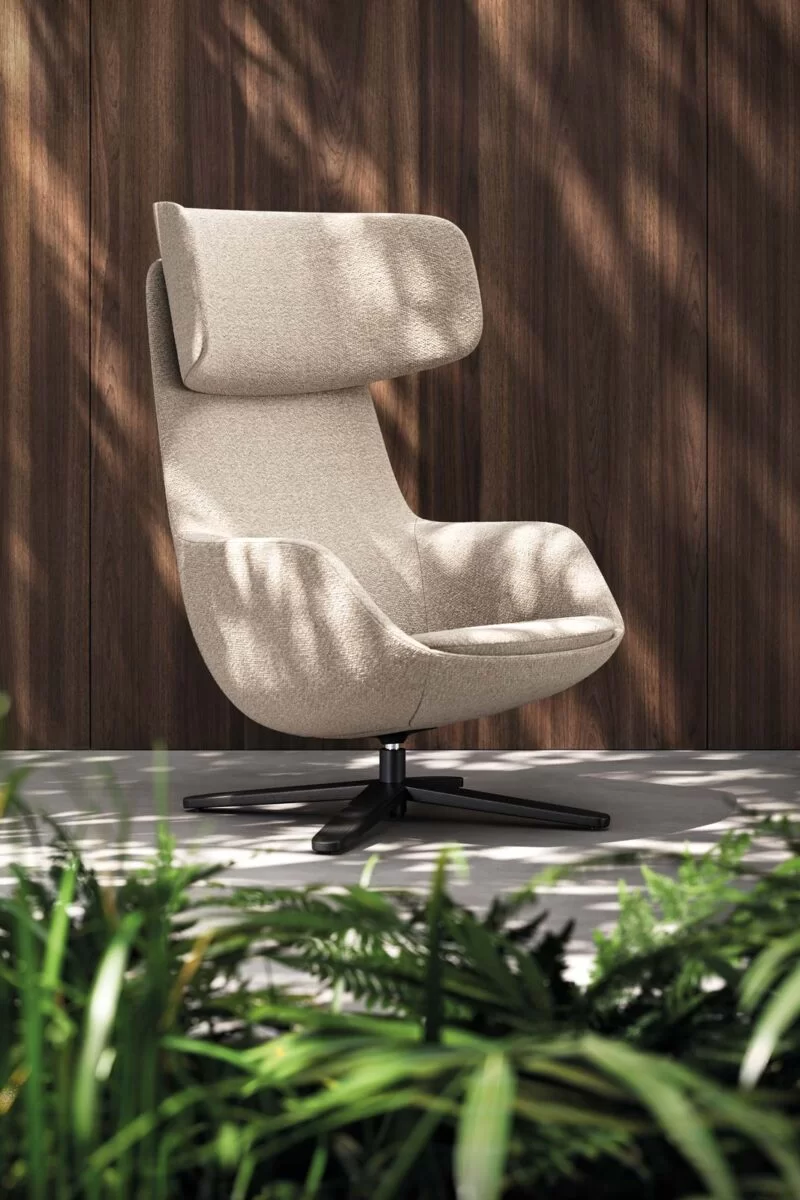
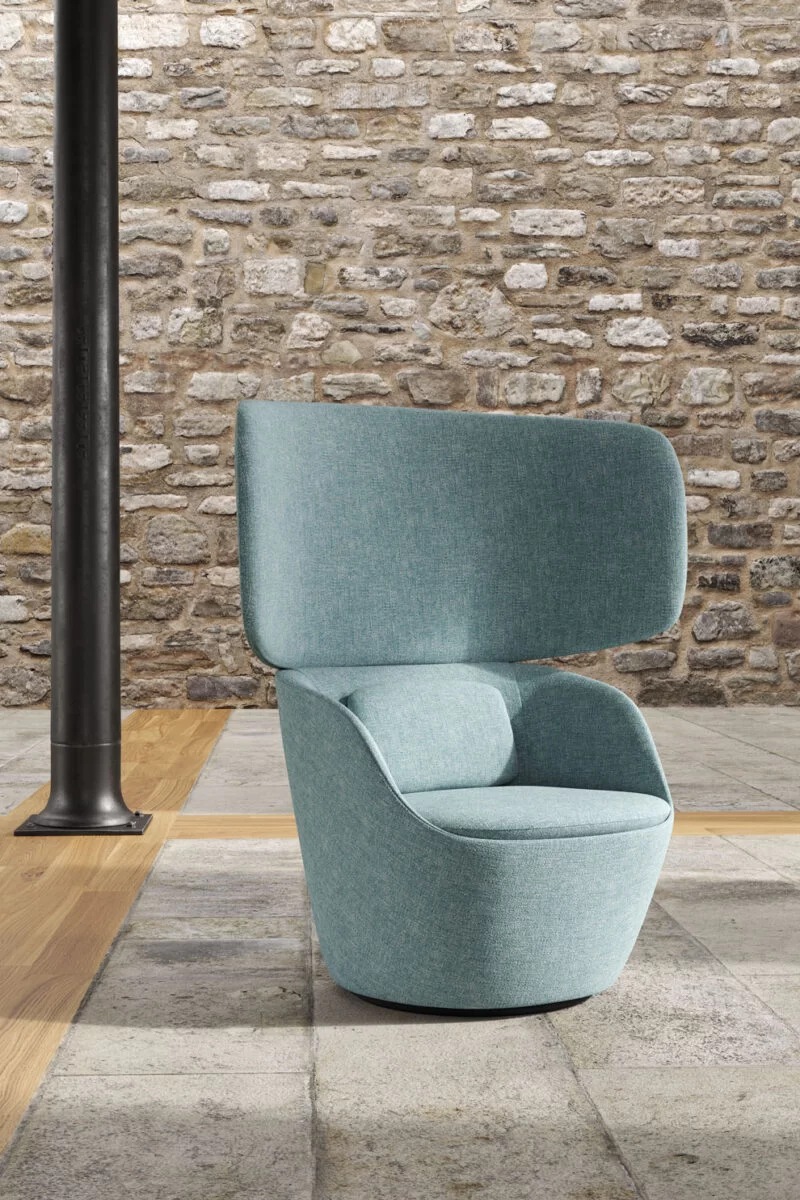
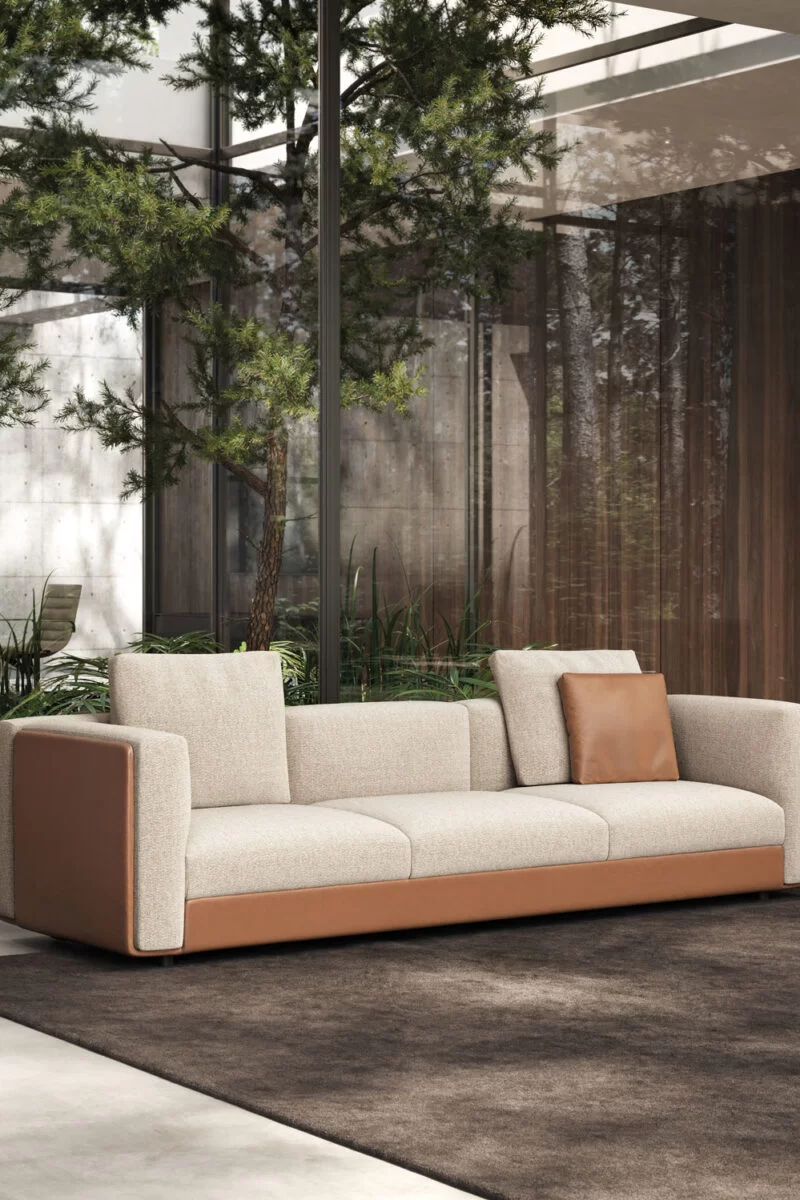
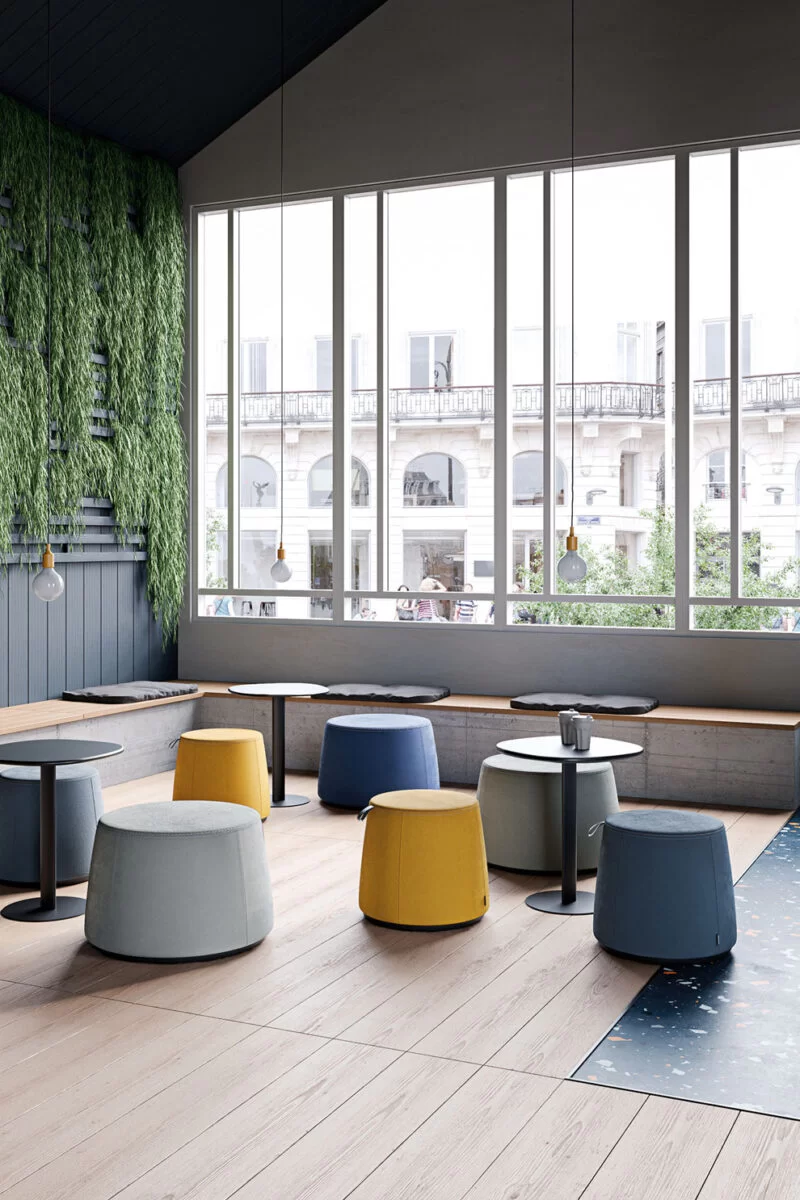
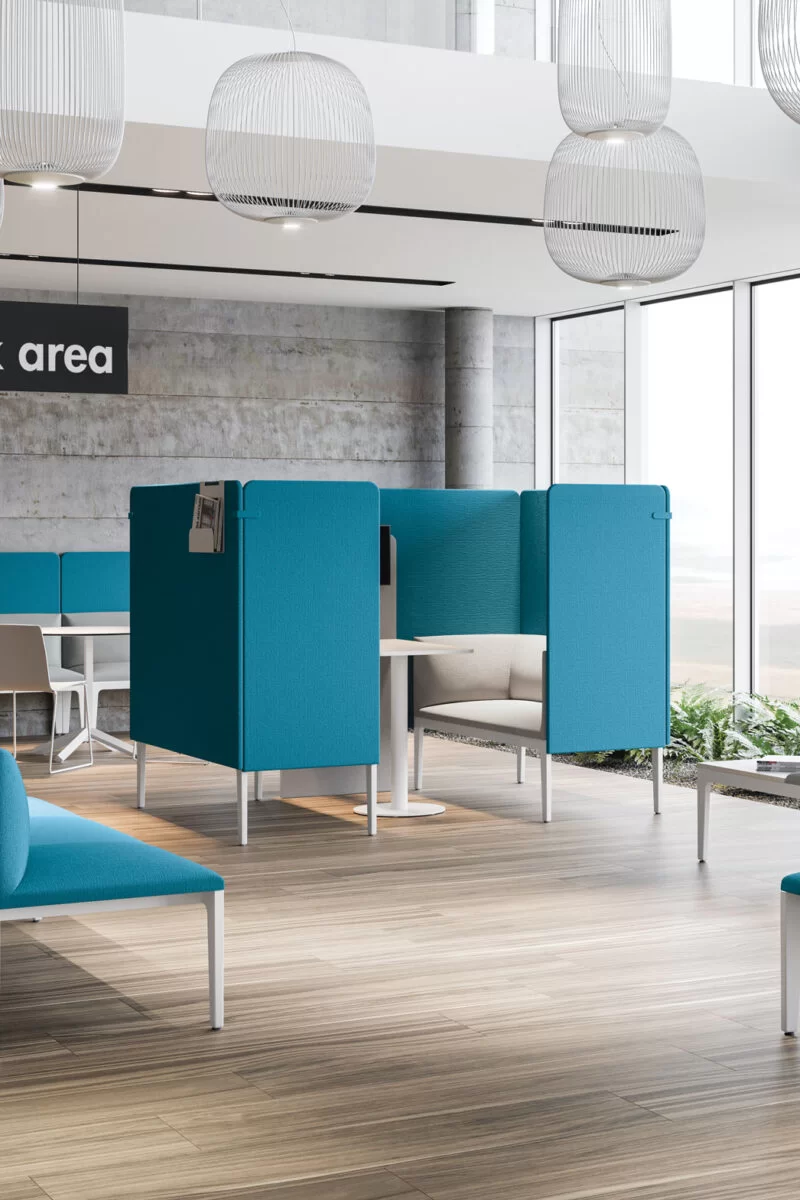
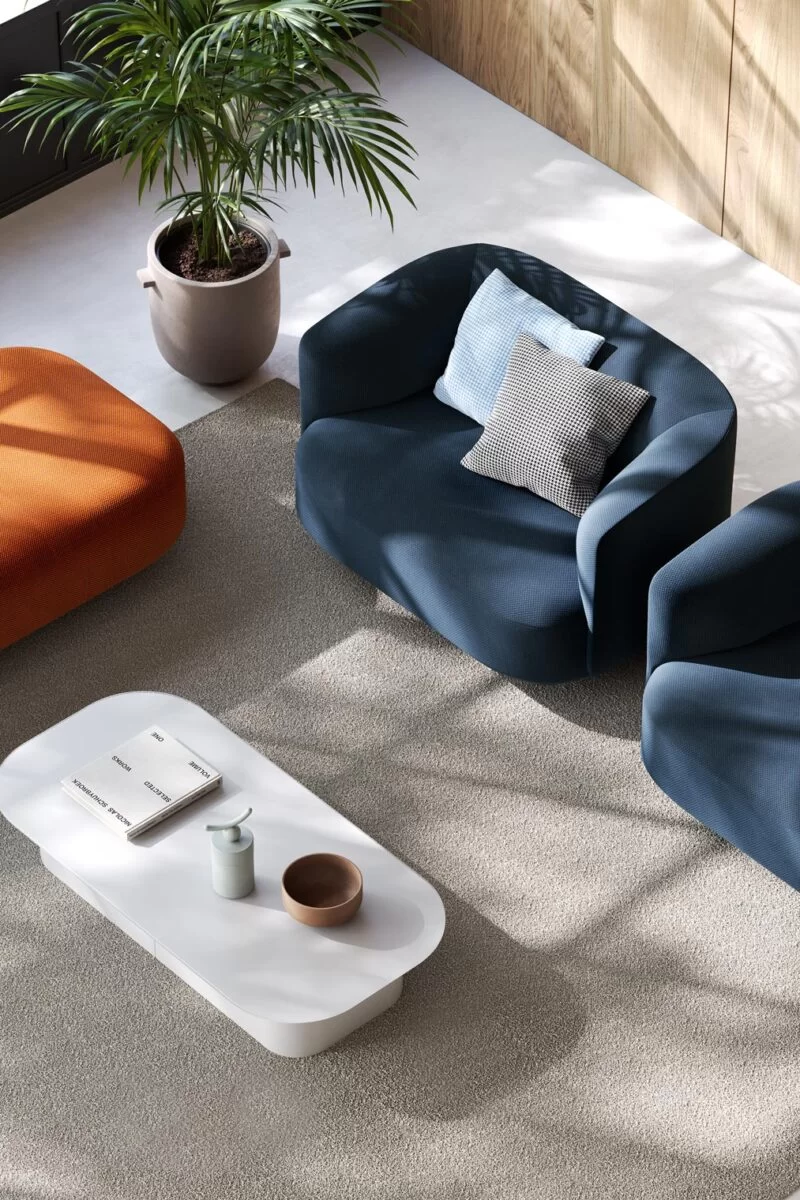
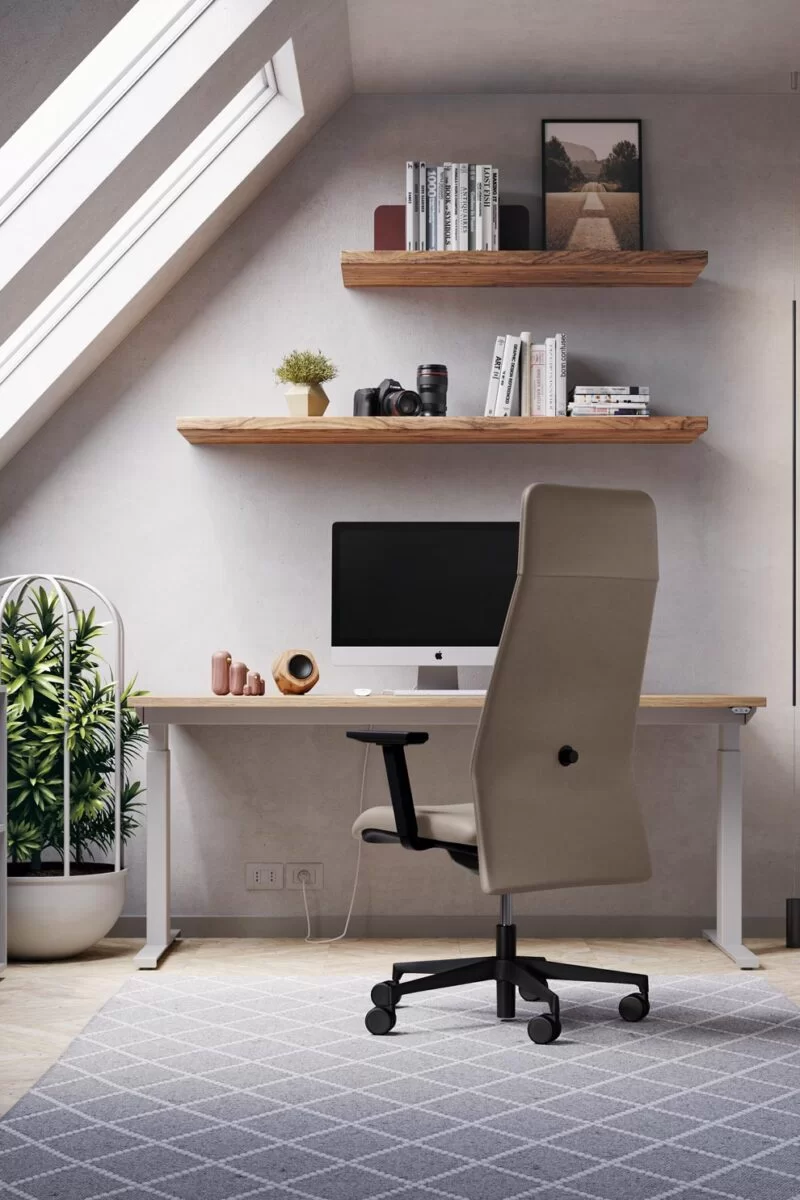
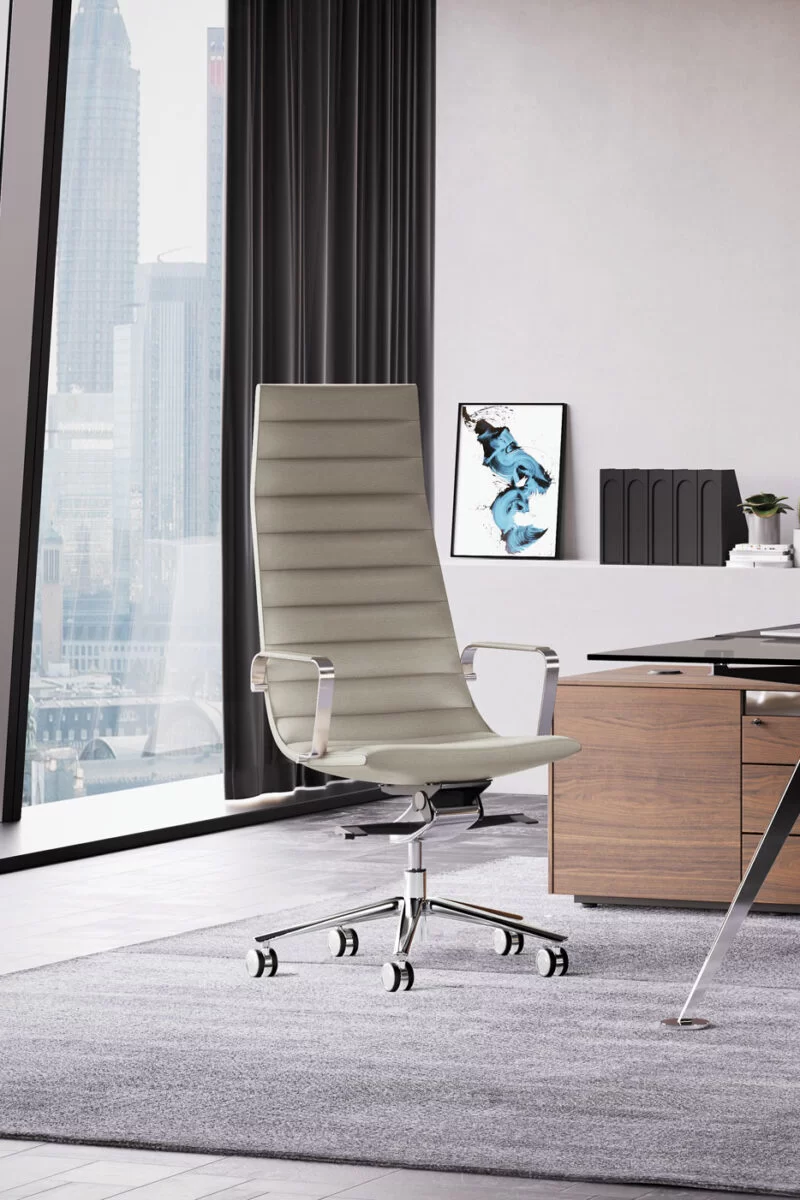
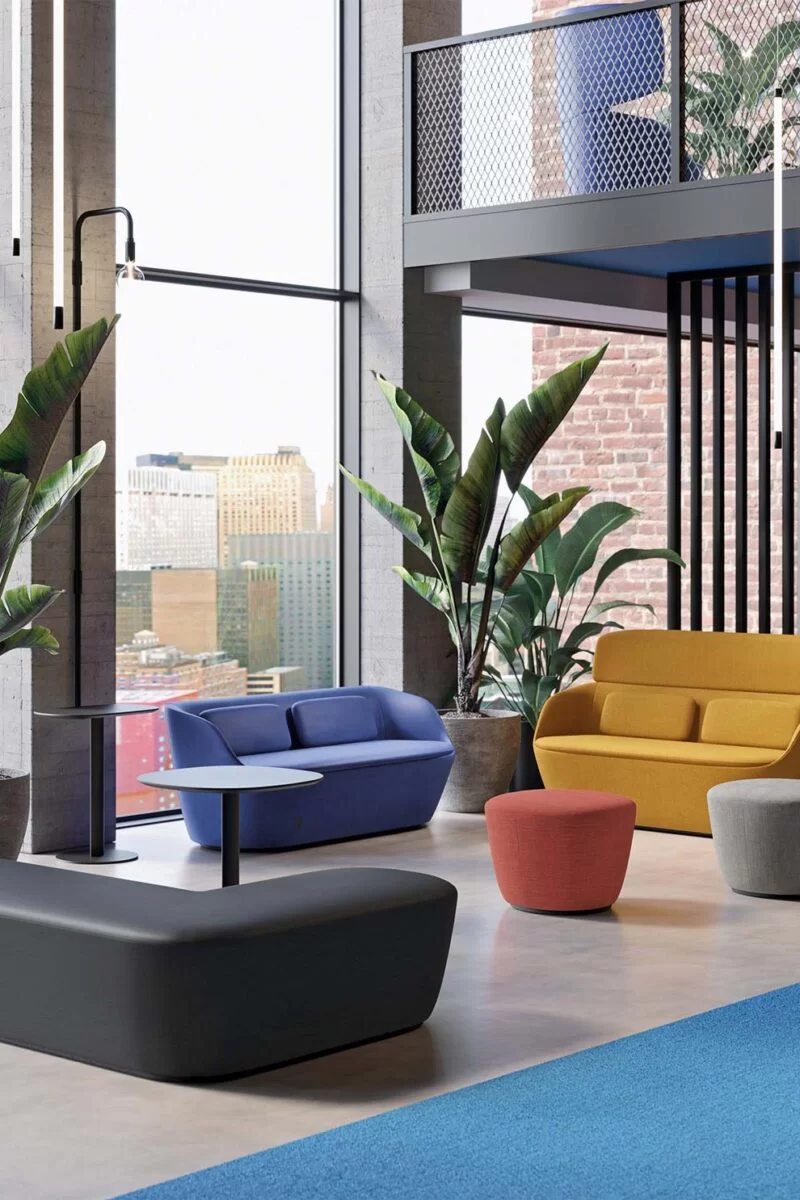
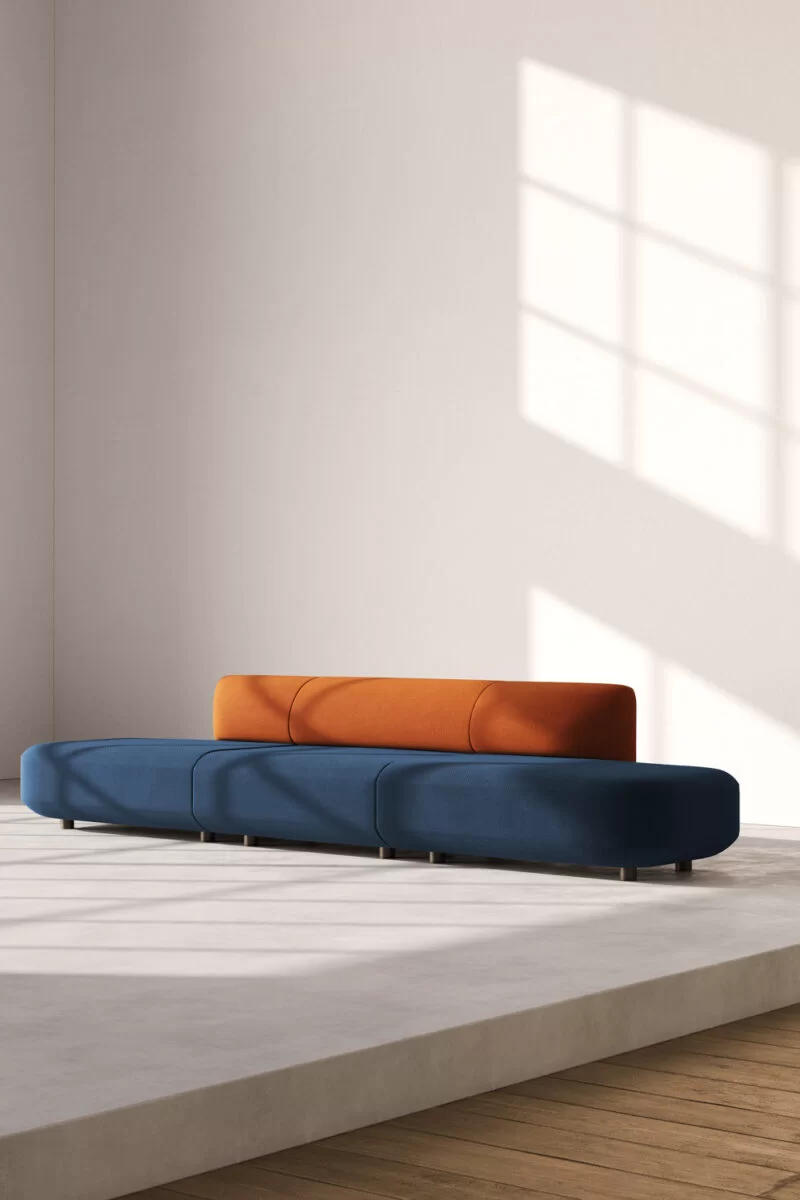
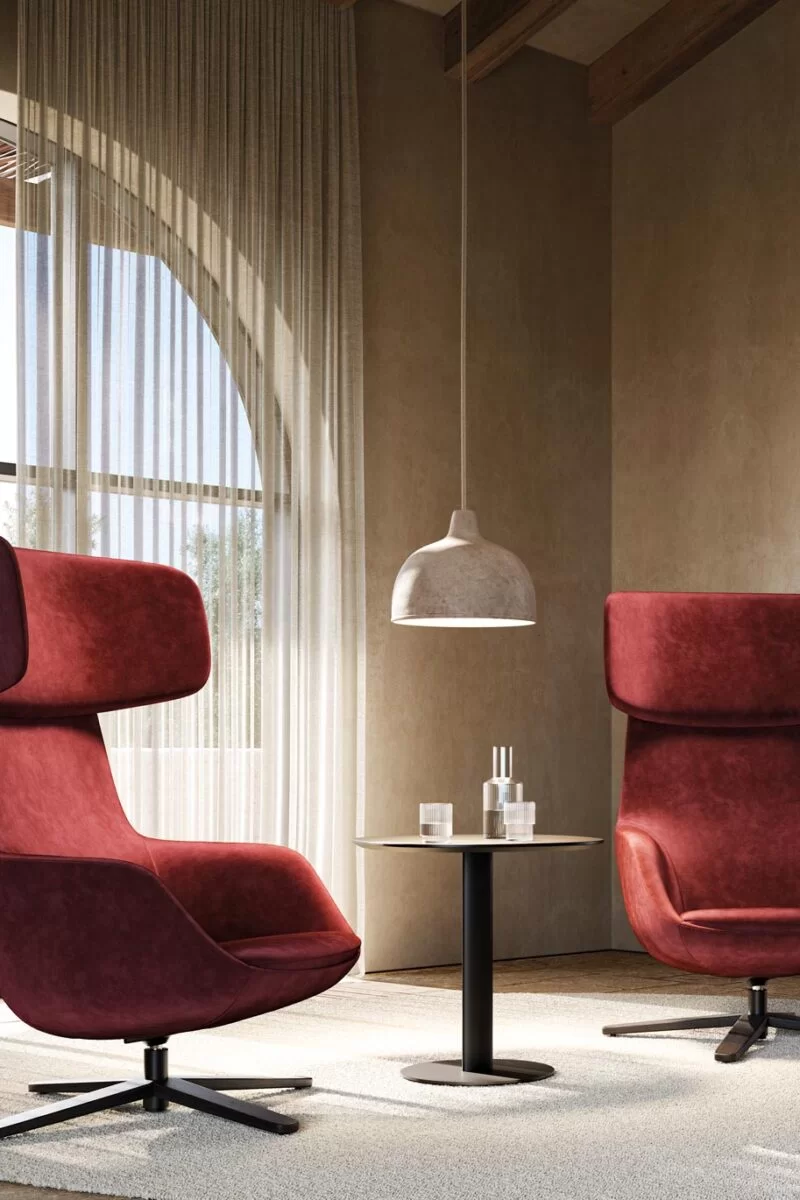
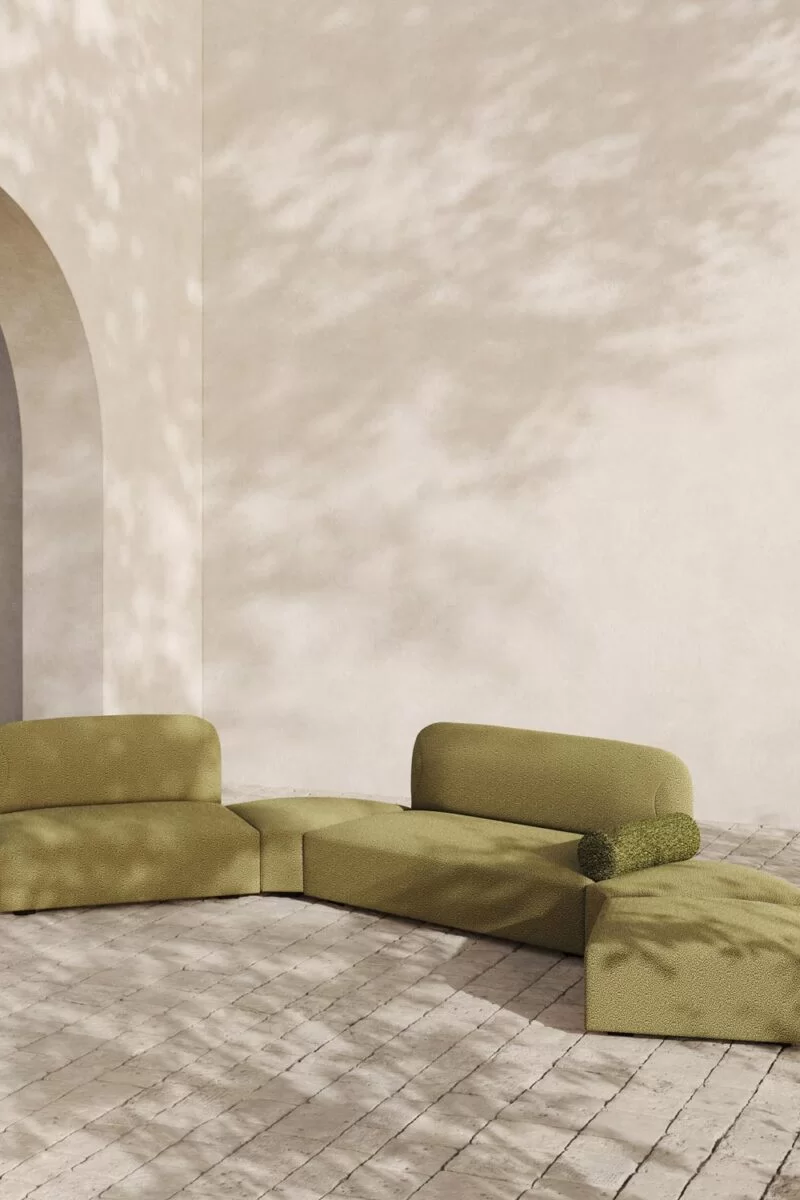
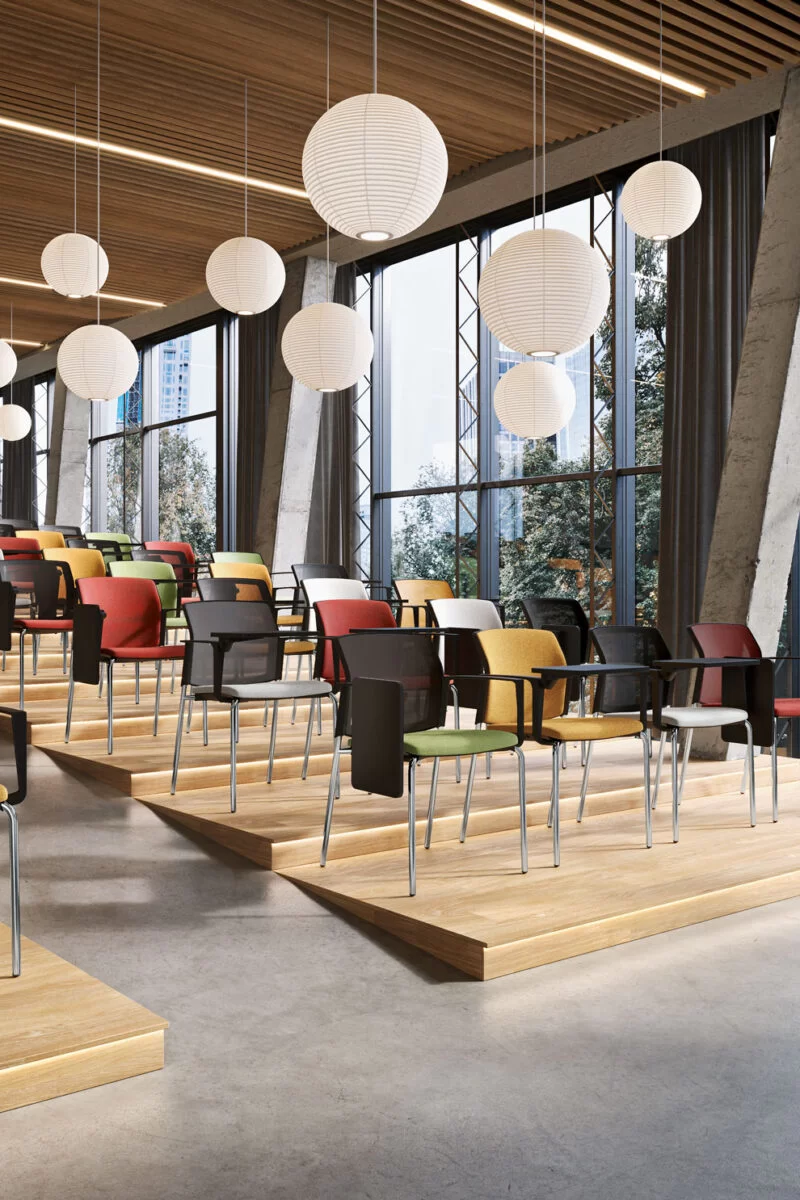
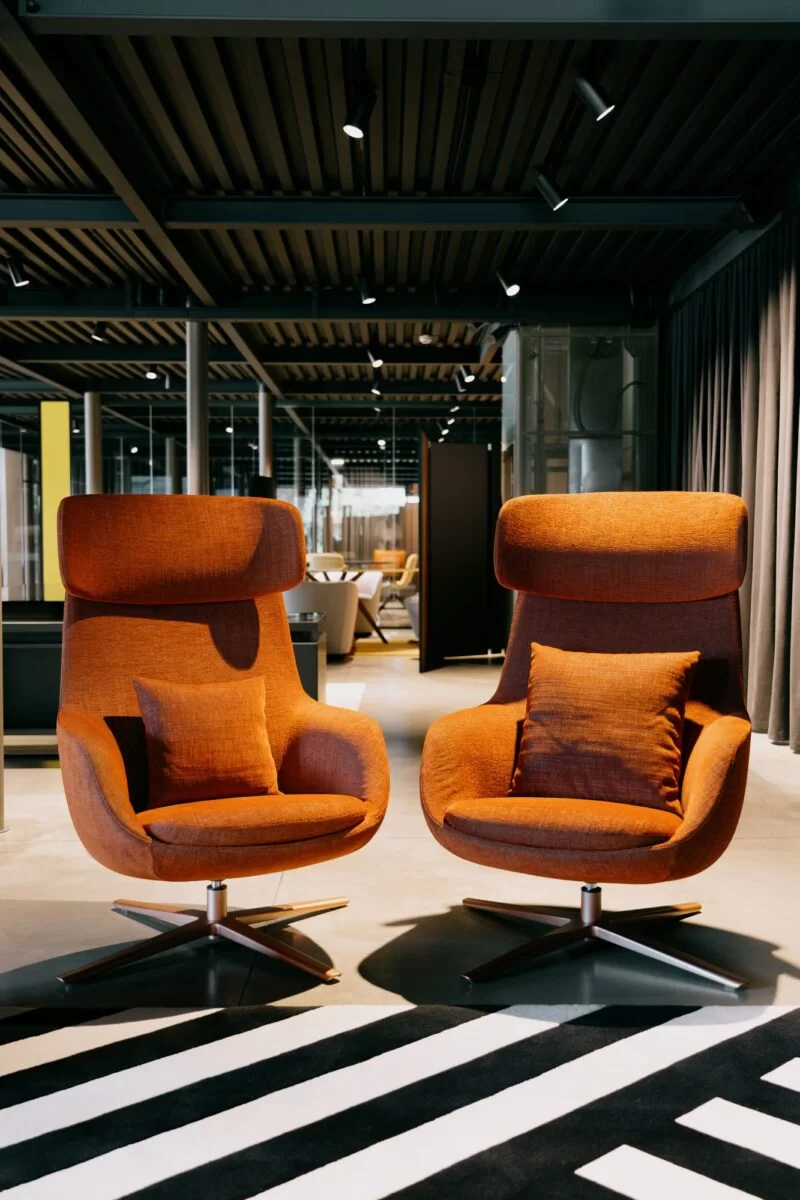
When it comes to seating, the choice of upholstery plays a key role in determining comfort, the perception of the space and the product’s longevity. Textures, colours and materials serve different needs: some prioritise softness and create a greater sense of comfort and wellbeing, while others offer enhanced durability and ease of maintenance, making them particularly suitable for high-traffic environments. The fabric surface also contributes to the chair’s sense of materiality, shaping an experience that is not only visual but also tactile. Richly textured weaves with a three-dimensional effect and natural fibres can add depth and character to a space, while smooth, uniform surfaces blend seamlessly into more understated, minimalist interiors.
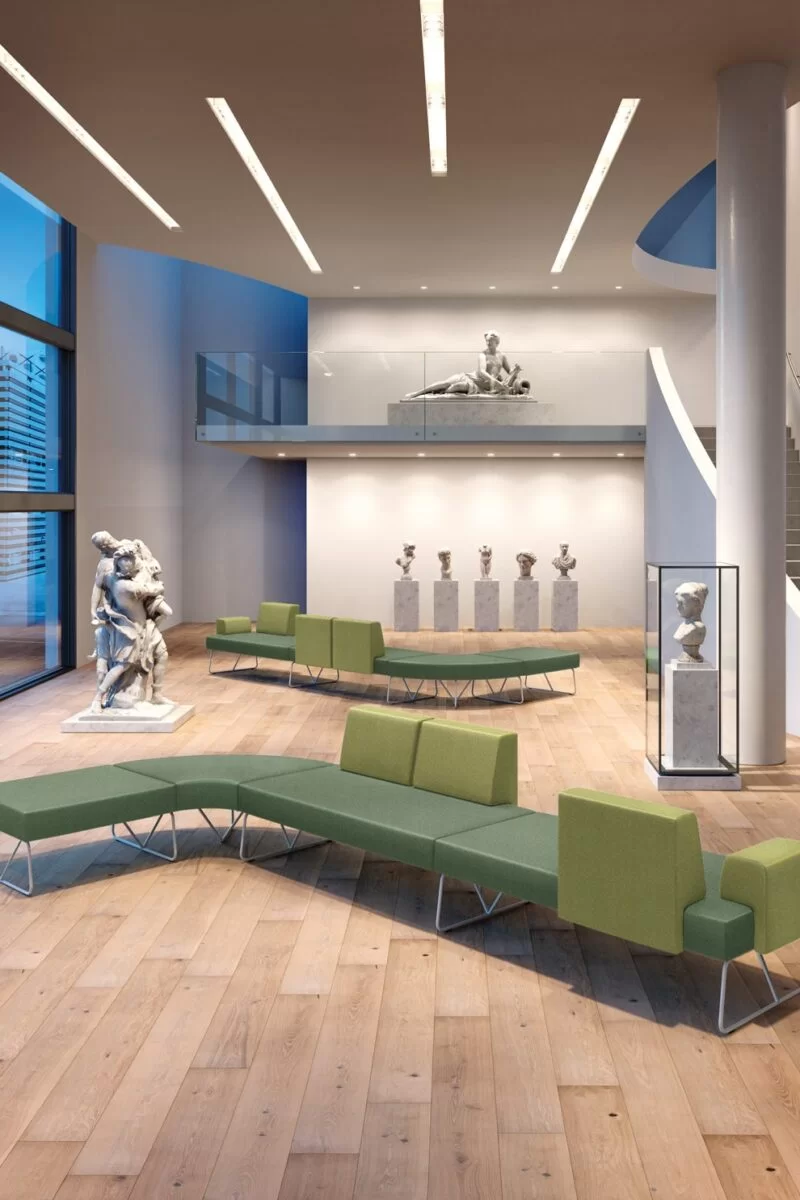
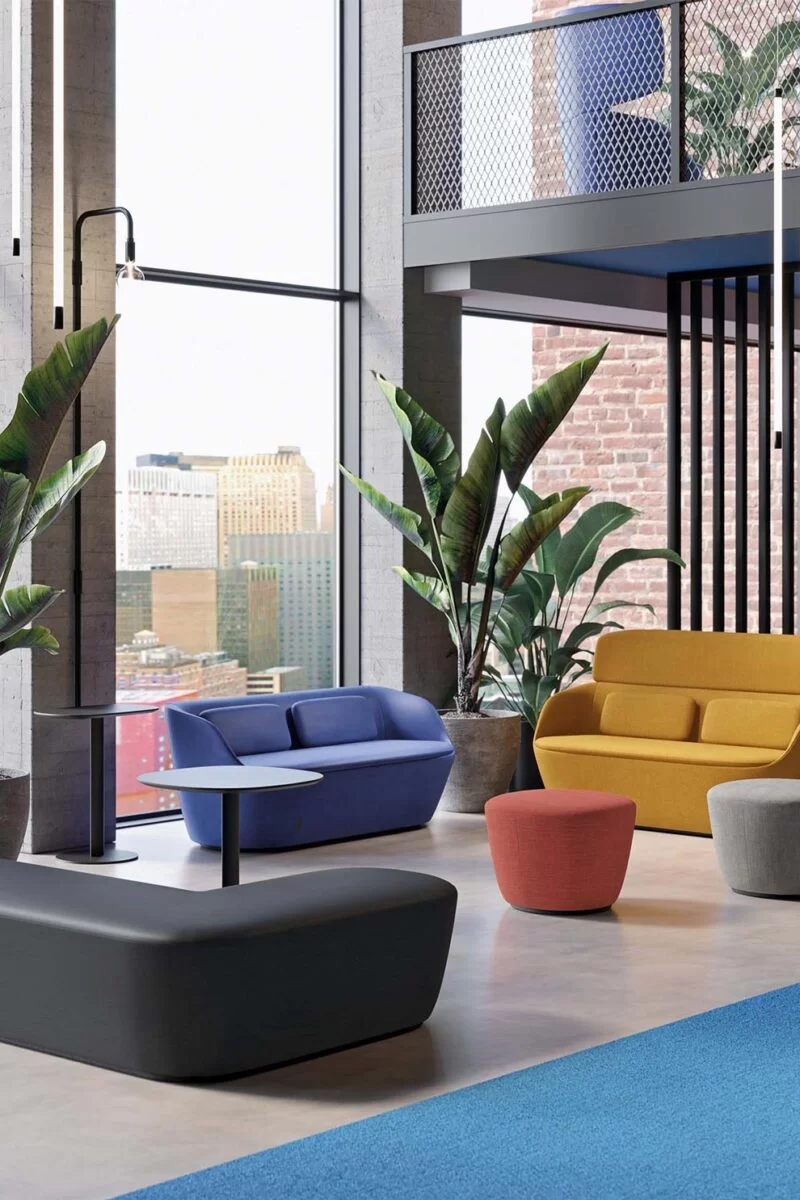
Colour also plays an important role in shaping the atmosphere of a space. Neutral, nature-inspired tones complement timeless, minimalist design schemes, while bolder shades can be used to create focal points, differentiate functional areas, or highlight the presence of a seating element within an environment. The ability to combine different colours and textures further expands the design possibilities, allowing the same product to be adapted to a wide range of settings and aesthetic languages.
Alongside these aesthetic qualities, practical considerations, sustainability and user wellbeing are becoming increasingly important. Frezza’s carefully selected fabrics include solutions designed to meet a variety of requirements, from wear resistance and ease of cleaning to options incorporating recycled materials or fibres derived from recovery and recycling processes. These fabrics are supported by a range of recognised certifications, including EU Ecolabel, Global Recycled Standard (GRS), GREENGUARD, and EPD (Environmental Product Declaration), enabling the environmental performance of materials to be assessed alongside their technical characteristics. In addition, several fabrics carry the OEKO-TEX® certification, guaranteeing the absence of harmful substances and helping ensure a safer environment for end users. Many Frezza fabrics also feature the recyclability symbol, further reinforcing an offering designed to support more informed upholstery choices based on the specific requirements of each project and its intended use.

 Read all




 Back to top