









 Insights, News
 28th July 2026
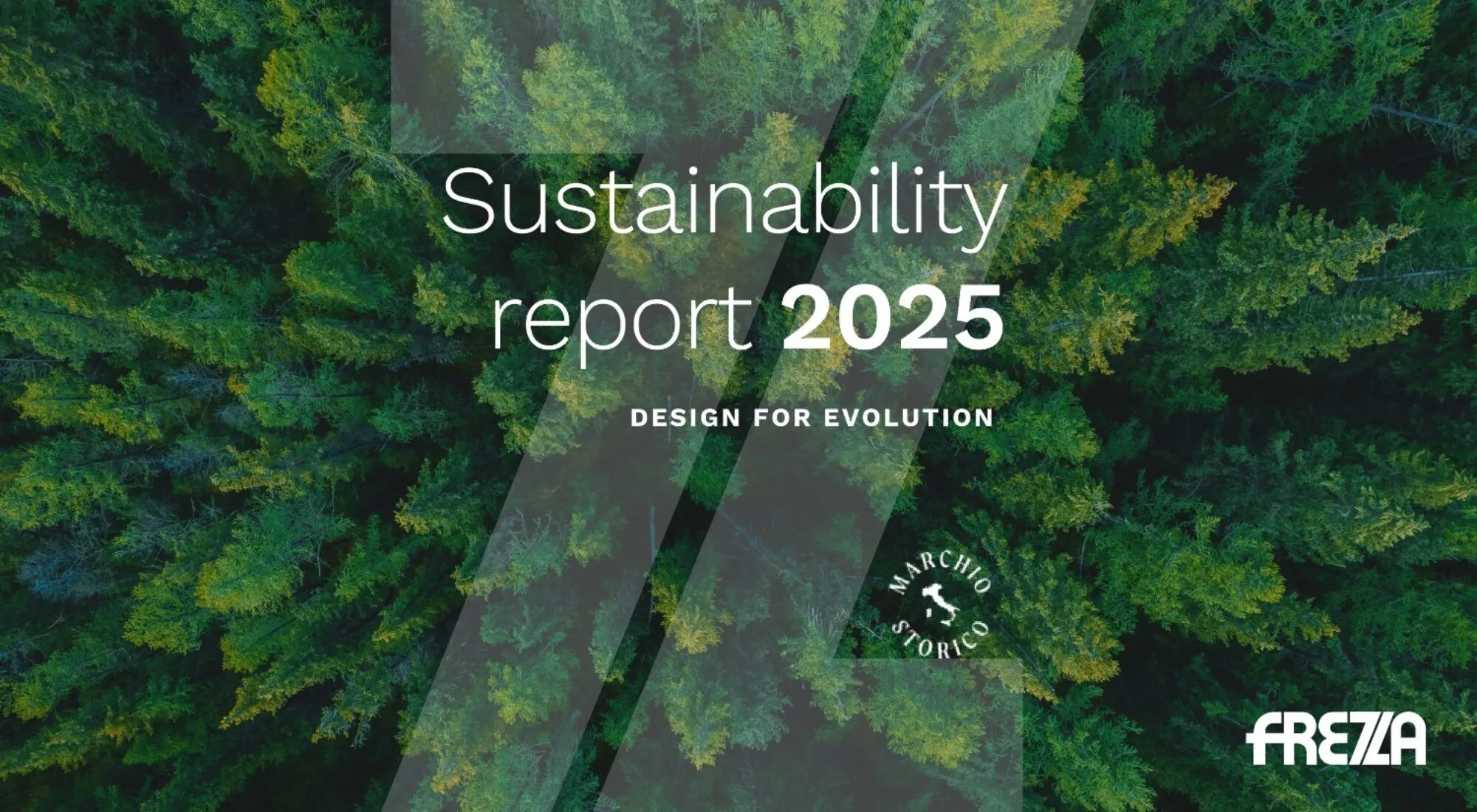
Every growth journey reaches a point where it must expand its horizons. For Frezza, 2025 represented one of those defining moments: a year in which sustainability evolved beyond its role as a guiding principle in product design to become the strategic foundation of the entire organization.
Frezza’s fourth Sustainability Report tells the story of this evolution. Design for Evolution, the principle that has guided the company’s vision for years, now takes on an even broader meaning: designing change means acting not only on the product itself, but also on production processes, organizational structures, people and the relationships that create genuine added value.
The result is a model of integrated sustainability, where every decision contributes to building a more efficient, resilient and responsible company, capable of addressing the challenges of both environmental and digital transformation through a unified vision.
From design to integrated sustainability: a natural progression
Since the outset of its ESG journey, Frezza has identified design as the most effective lever for generating positive impact. After all, it’s at the design stage that a product’s environmental footprint is largely determined across its entire lifecycle. Guided by ecodesign principles, the company has steadily developed collections that are increasingly durable, repairable and recyclable, while prioritizing materials selected according to rigorous environmental criteria. This design-driven culture continues to grow through ongoing research and collaboration with internationally renowned designers.
In 2025, however, this journey entered a new phase. Sustainability is no longer viewed solely through the lens of product development; it’s embraced as an integrated framework that shapes the entire organization. Design, manufacturing, logistics, quality, human capital and supply chain management are now understood as interconnected elements of a single strategic vision. The evolution therefore concerns not only what Frezza creates, but how it creates it. This is the essence of Design for Evolution: driving meaningful change while remaining true to the company’s core values, and turning every business aspect into an opportunity for continuous improvement and long-term value creation.
Innovation, people and processes: at the heart of transformation
Today, sustainability requires tools capable of measuring, monitoring and continuously improving performance in tangible ways. To support this objective, Frezza has invested in the ongoing development of its Smart Factory, introducing technologies that enable increasingly accurate monitoring of energy consumption, production efficiency and resource utilization. Technology isn’t an end in itself, but a means of enhancing process quality, reducing waste and enabling more informed decision-making. In this context, digitalization becomes an integral component of the company’s sustainability strategy, giving shape to what is commonly referred to as the twin transition, a pathway where digital transformation and environmental transition progress hand in hand.
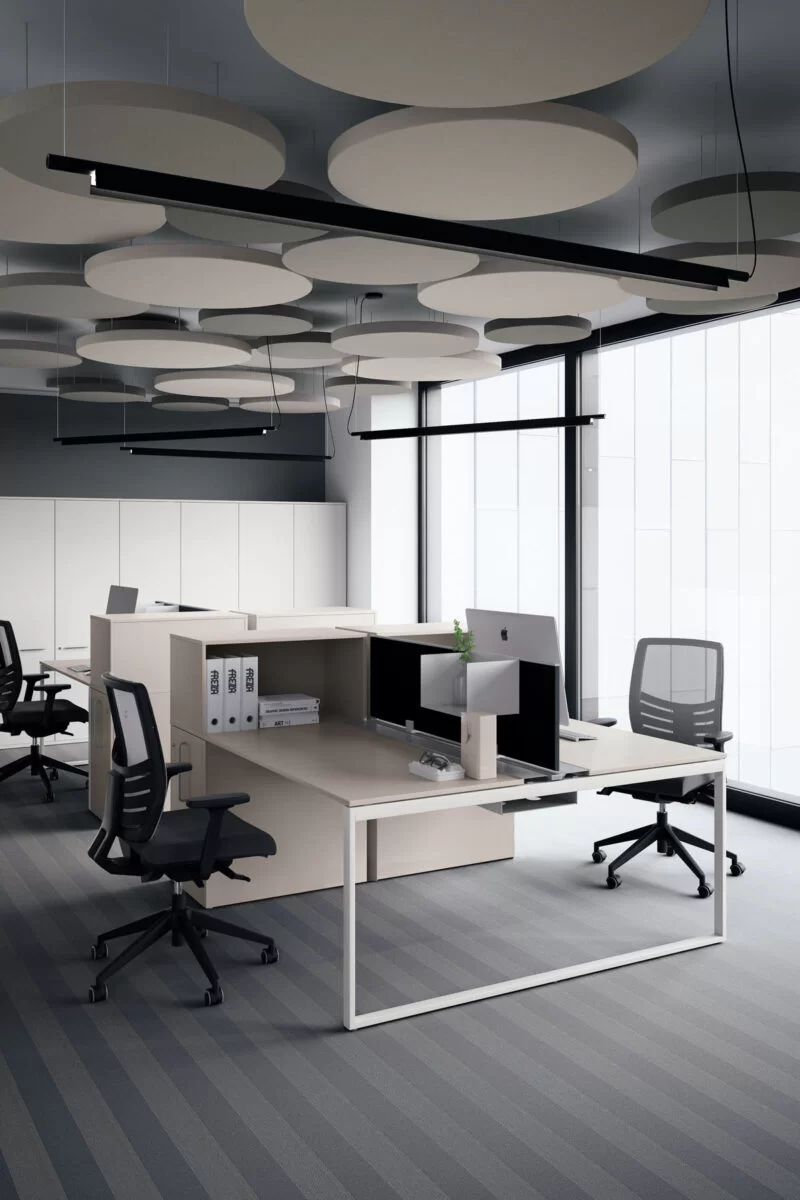
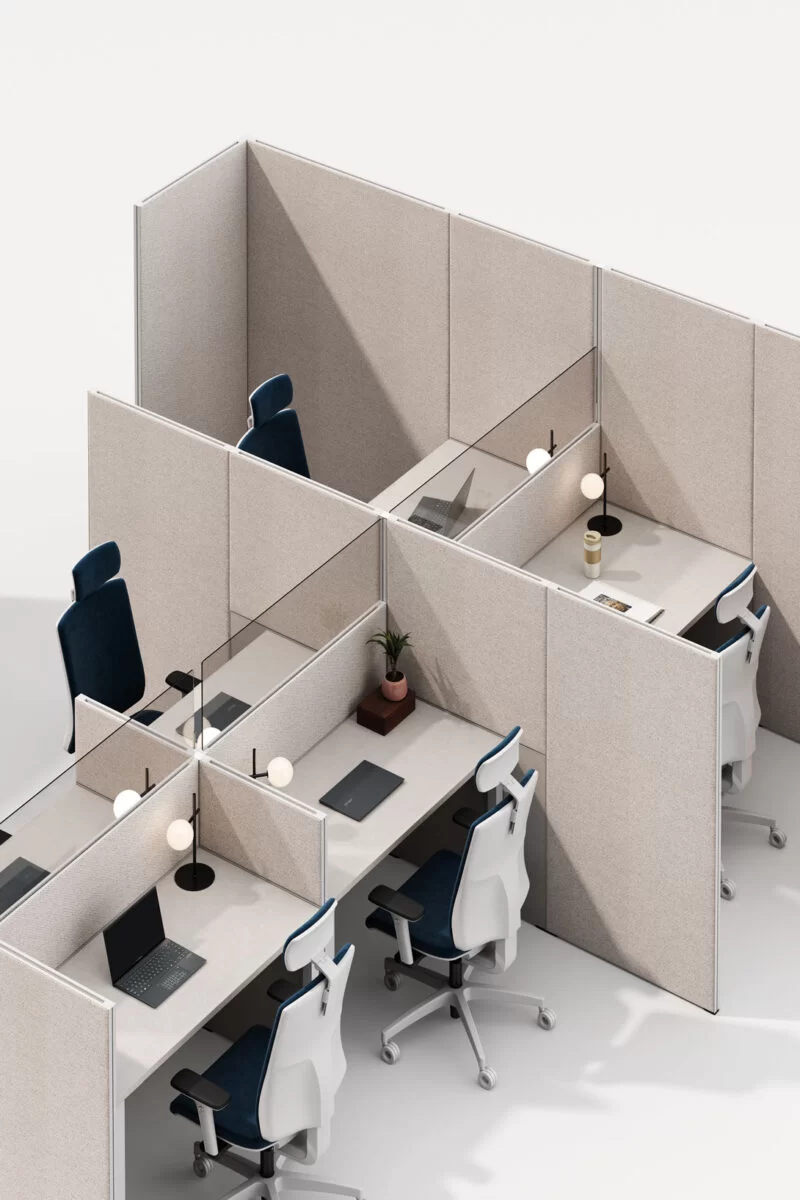
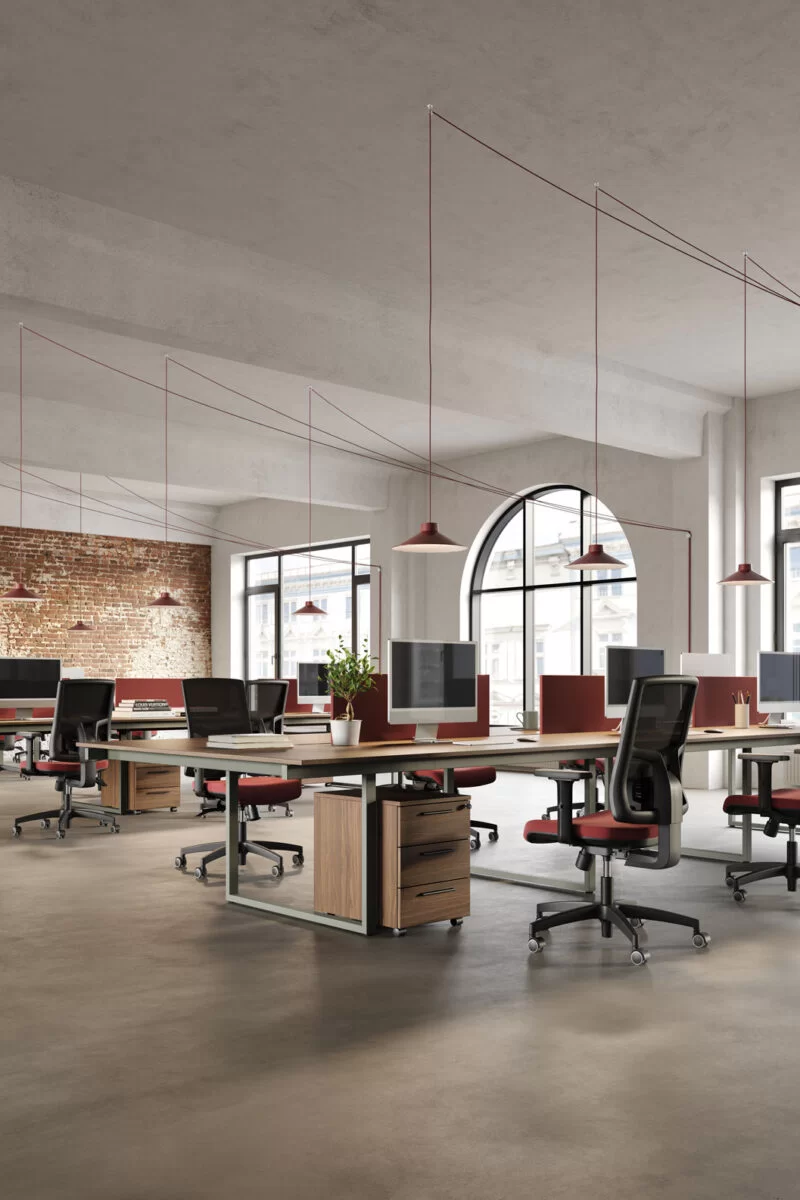
At the same time, Frezza has embarked on a progressive insourcing strategy for selected strategic manufacturing processes. By strengthening direct control over production, the company is able to enhance quality, improve traceability and help reduce the emissions associated with logistics and transportation. Alongside these investments in industrial development, Frezza continues to place growing emphasis on employee well-being. The redesign of workspaces, the introduction of new collaborative environments and ongoing initiatives to improve acoustic comfort and overall workplace quality all reflect a deeply held belief: innovation delivers its greatest value when it empowers people, supports their well-being and enables them to contribute at their best.
Growing together across the value chain
Sustainability creates meaningful value only when it becomes a shared commitment. For this reason, Frezza views relationships with stakeholders, suppliers, partners, designers, institutions and local communities as a fundamental part of its ongoing evolution. Throughout 2025, the company developed new collaborations that embody this open and inclusive vision: from the launch of its partnership with designer Monica Armani to circular economy initiatives and community-based projects involving local organizations and social enterprises.
International commercial relationships also continue to strengthen through a qualified network of partners that help promote a design culture rooted in quality, innovation and responsibility. In this model, value isn’t created solely within the company, but is generated across the entire value chain. Expertise, certifications, management systems, shared goals and transparent processes become strategic intangible assets that support sustainable growth over the long term.
Frezza’s fourth Sustainability Report therefore presents the portrait of an organization in continuous evolution: one that addresses industry challenges through a systemic vision where innovation, responsibility and corporate culture move in the same direction. This journey isn’t driven by a desire to change the company’s identity, but by the ability to reinterpret it in response to the evolving needs of markets, people and the planet.
Because evolution means broadening one’s perspective without losing sight of the roots that define who you are. It means preserving the expertise, values and heritage built over time, transforming them into a solid foundation for designing the future.
The Design for Evolution journey continues to grow through new expertise, stronger partnerships, and increasingly ambitious goals. Discover Frezza’s Fourth Sustainability Report and explore the company’s commitment to a model of growth that is ever more integrated, responsible and future-focused.
 Read all



 Back to top