




















 Wellbeing, Work Life
 12th December 2019

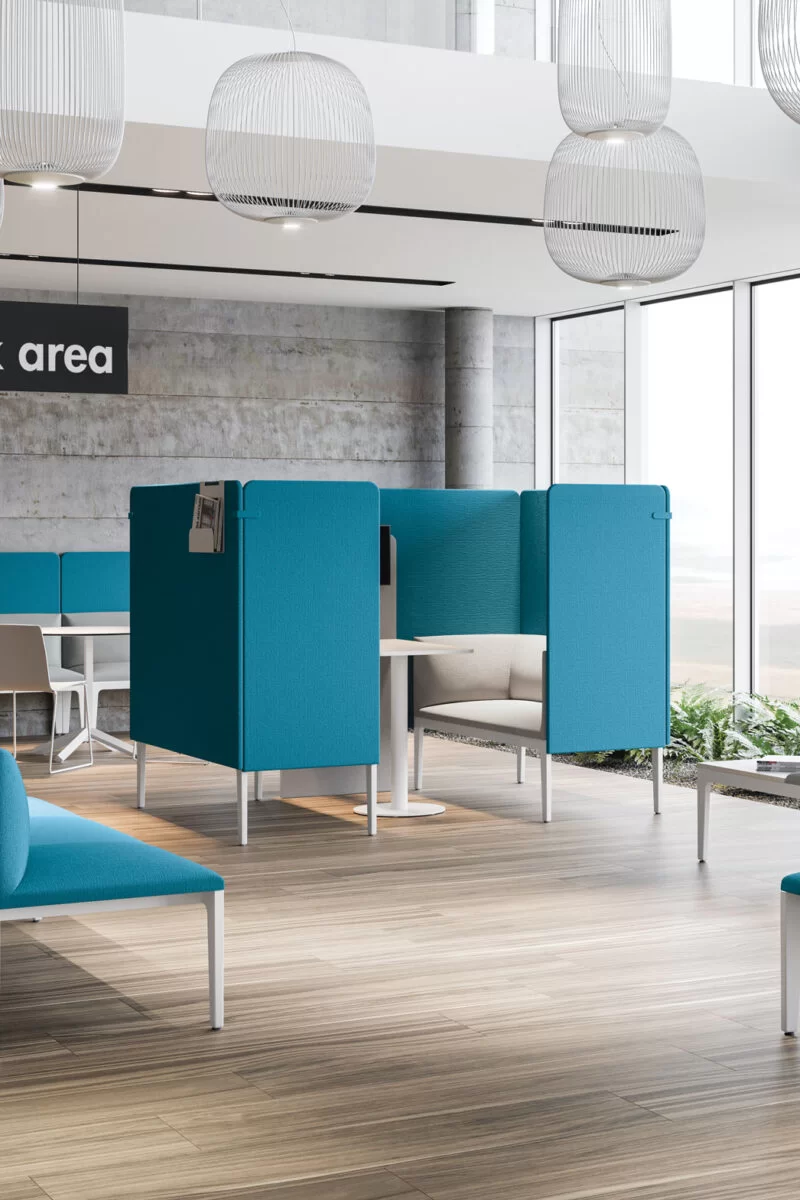
Work is changing and spaces are changing with it. Continuous technological evolution has resulted in a change in the ways we work and in our workplaces. New solutions are being offered with a view to encouraging ever-greater flexibility to allow personnel to do their jobs in any location away from the company office.
Remote work allows businesses to reduce running costs, boost productivity, and employ the services of professionals located anywhere in the world, with no geographical limits.
Meanwhile, for the worker, it means being able to work in environments better suited to their needs, interacting from any place at any time of day, benefiting from an improved work-life balance, avoiding daily commutes to and from the office and, in the case of coworking, establishing relationships with other professionals.
All these factors play a decisive role in promoting worker loyalty.
Working remotely or remote working - so-called smart working - is an increasingly common practice, especially for professionals who don't require direct contact with the public or with customers.
Click here for an overview of the various new ways of working.

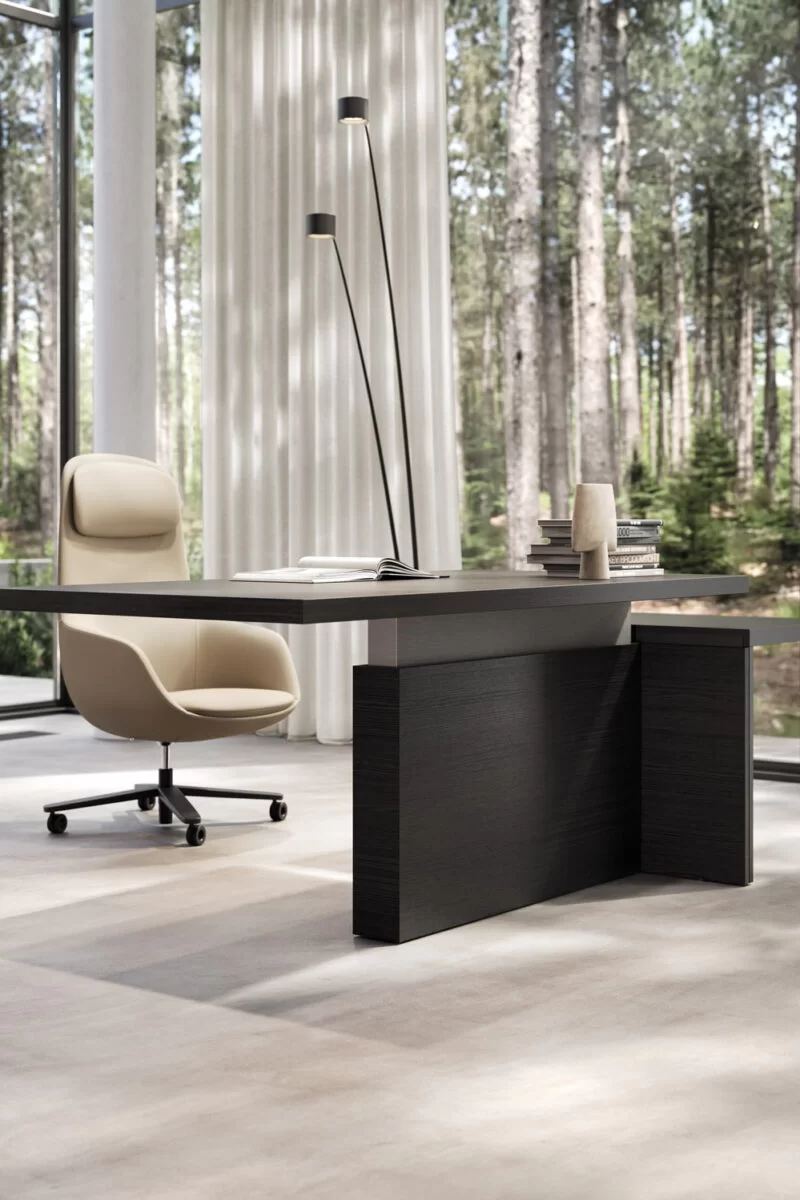
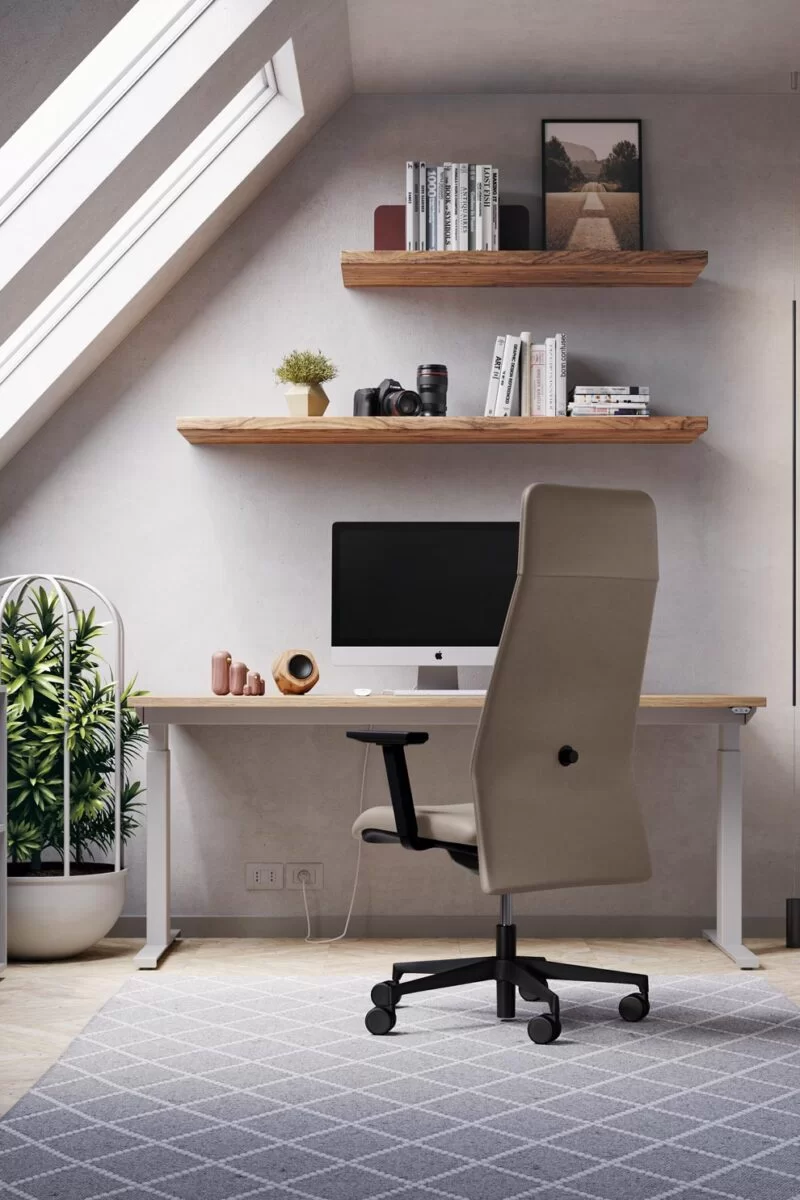
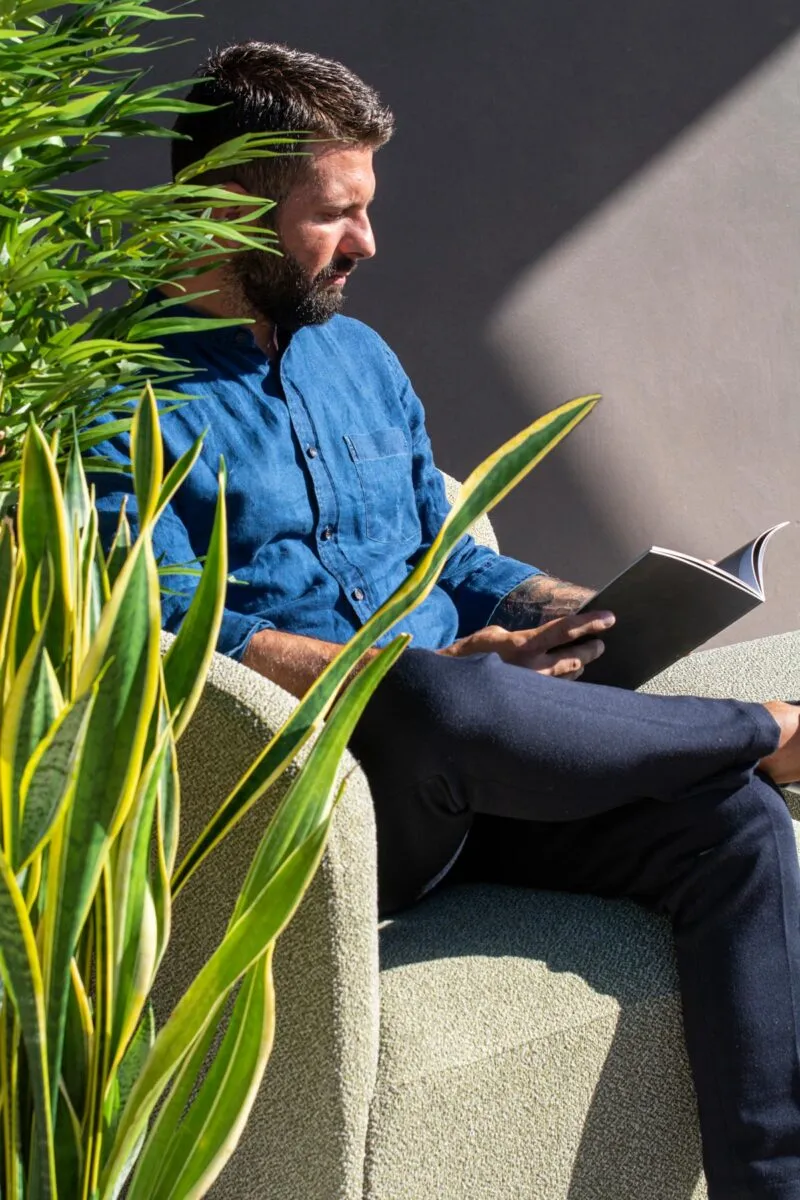
Working from home, working better
Research conducted by Remote.co reveals just how widespread the perception of this fluidity is. The data are quite surprising and clear-cut, there being a misconception that remote working is more likely to lead to time wasting. Individual effectiveness and productivity increase exponentially, to the extent that most of those interviewed (83%) would never go back to working in the office.Struggling to switch off? It's a common problem.
Alongside the numerous pros identified, remote work also has a downside. In point of fact, research has shown that the real problem remote workers have is unplugging. If home and work spaces are one and the same, there is a lack of boundary between private life and work life, which are in danger of getting mixed up. The feeling of guilt about taking 5 minutes to go and check the letterbox ends up adding extra time to the workday in the evening. Or, more likely still, checking your email - maybe from the sofa after dinner - turns into a last-minute analysis or a five-page presentation. In this case, the team manager can help, encouraging the remote worker to keep to the same hours as their co-workers back in the office. It all starts with each individual's attitude and organization.
 Read all







 Back to top