










 News
News
 15th December 2022

2022 is coming to an end and we're already looking forward to next year: what can we expect to see in the 2023 offices?
The market has already started to outline the next trends, which are a natural evolution of what we've already seen this year.
The near future isn’t so different: the cornerstones of the last 12 months, which are a consequence of the radical transformations dictated by the pandemic, will remain the same. The changes in the way we work, together with the increasing focus on health and environment have triggered a change that is still evolving, accelerated by an increasingly fast-moving technology.
What will this mean in the office environment from January onwards? Here are 4 trends we've already identified.


1. Sustainability
More than just a trend, sustainability is now at the heart of every building: its importance grows year by year and touches so many different areas, from design to day-to-day operations, both individually and as a company. In relation to this matter we find the Principle of the 3Rs (Reduce, Reuse, Recycle), which is mainly applied to materials and furniture production methods: they must be sustainable, ethical and certified.
2. Open spaces with inclusive design
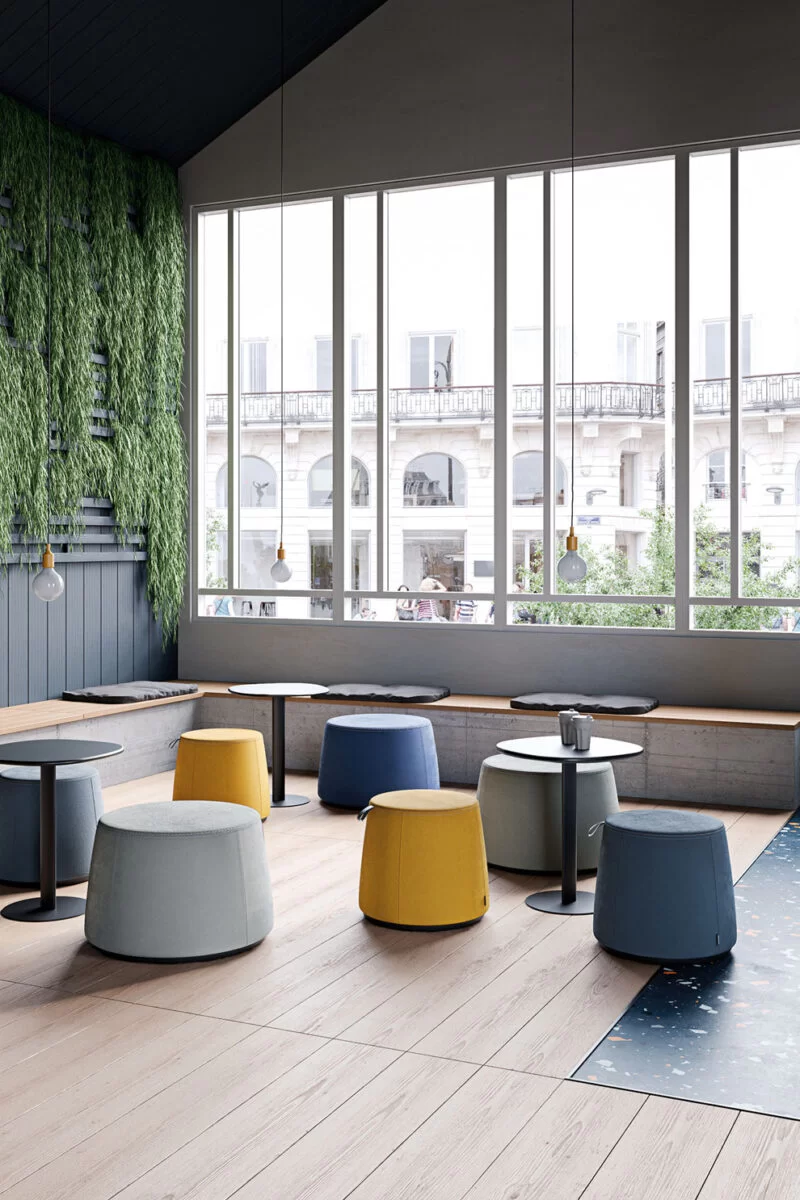
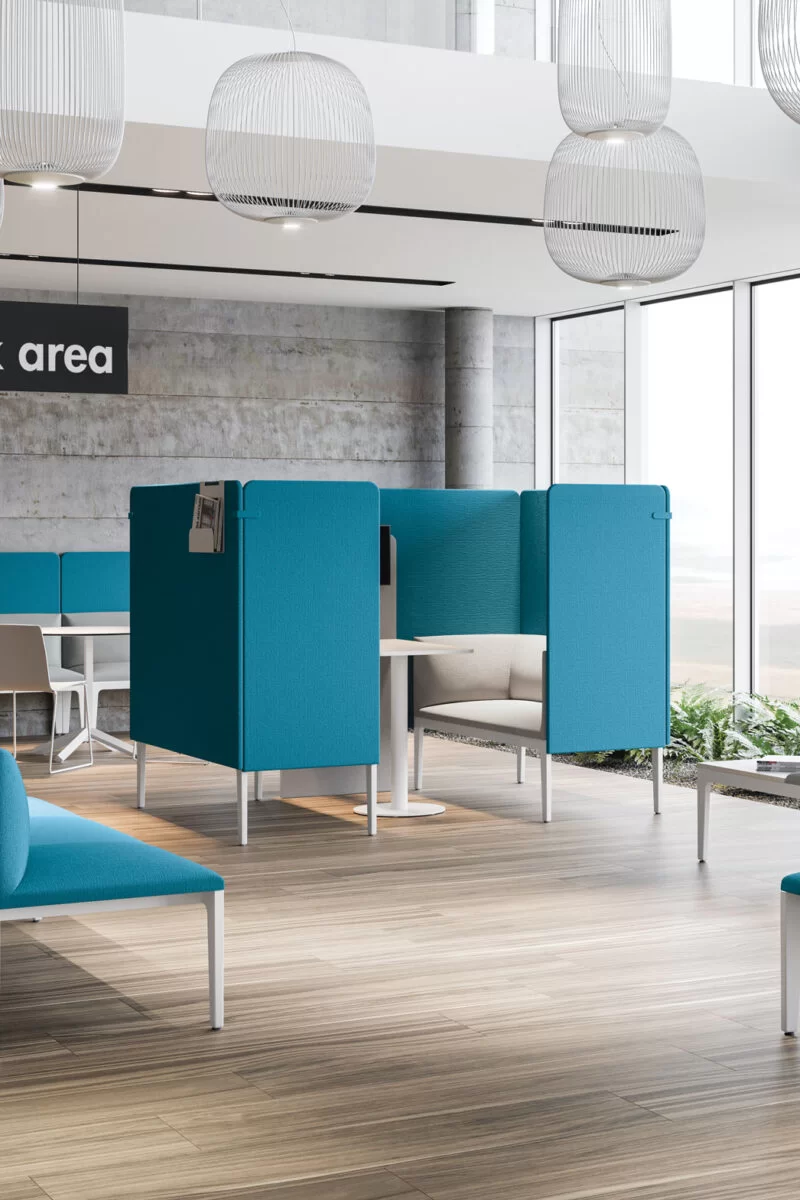
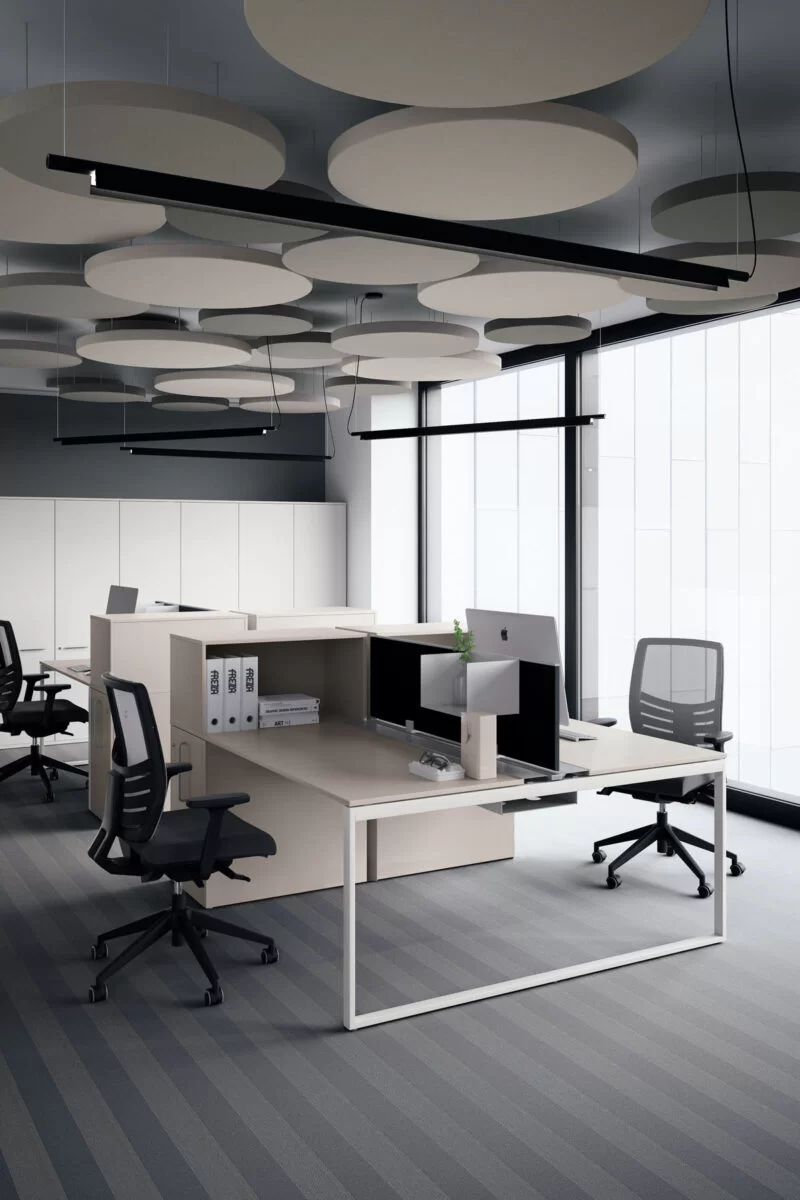
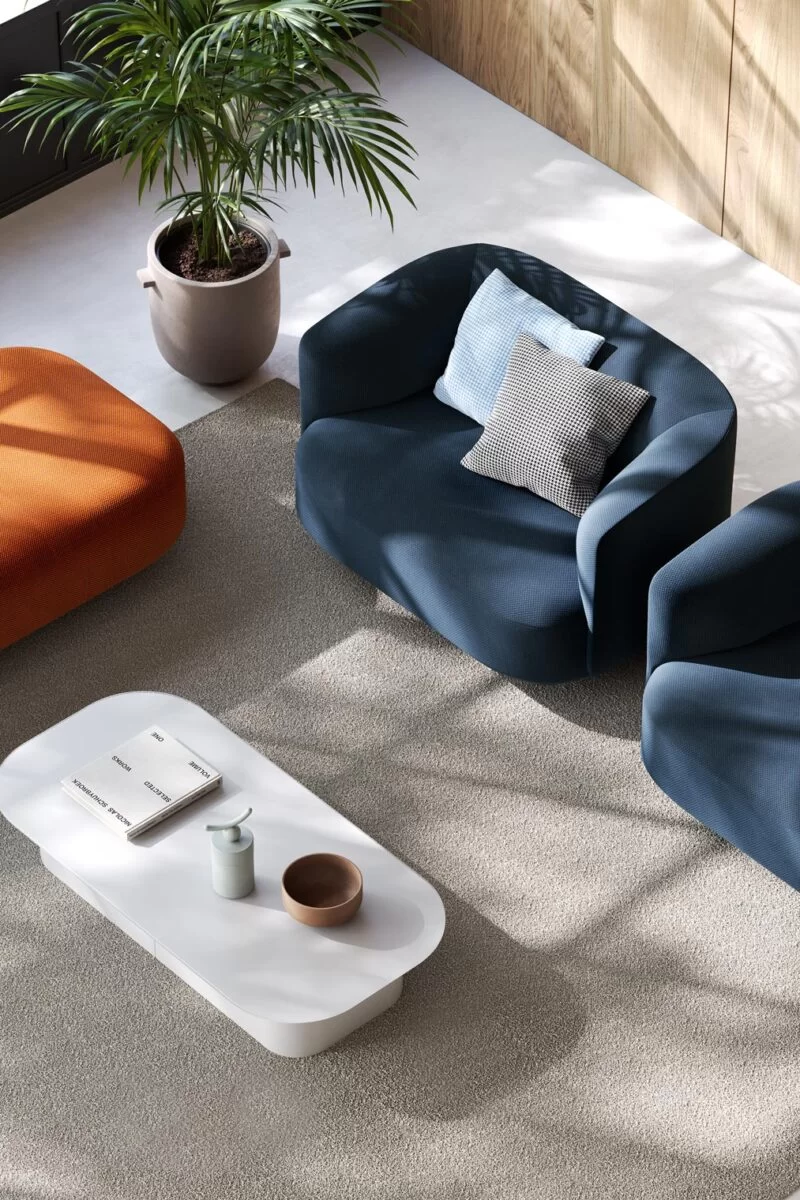
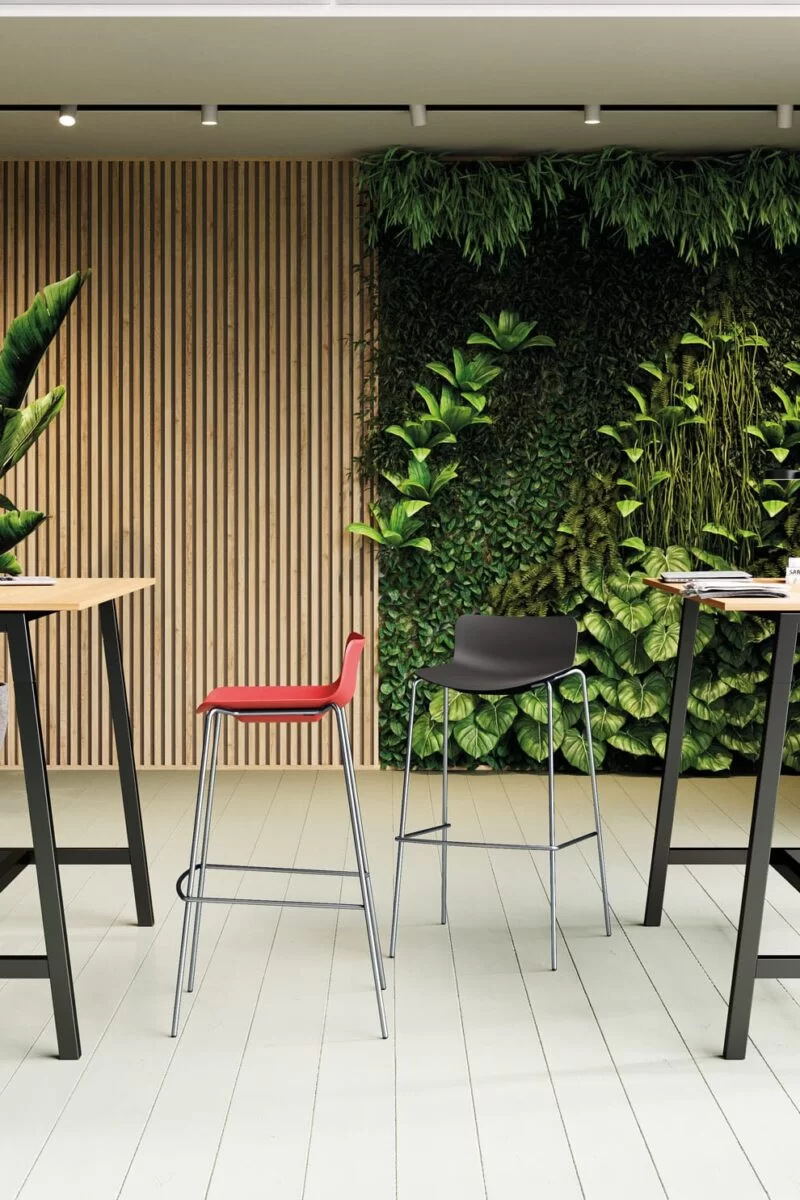
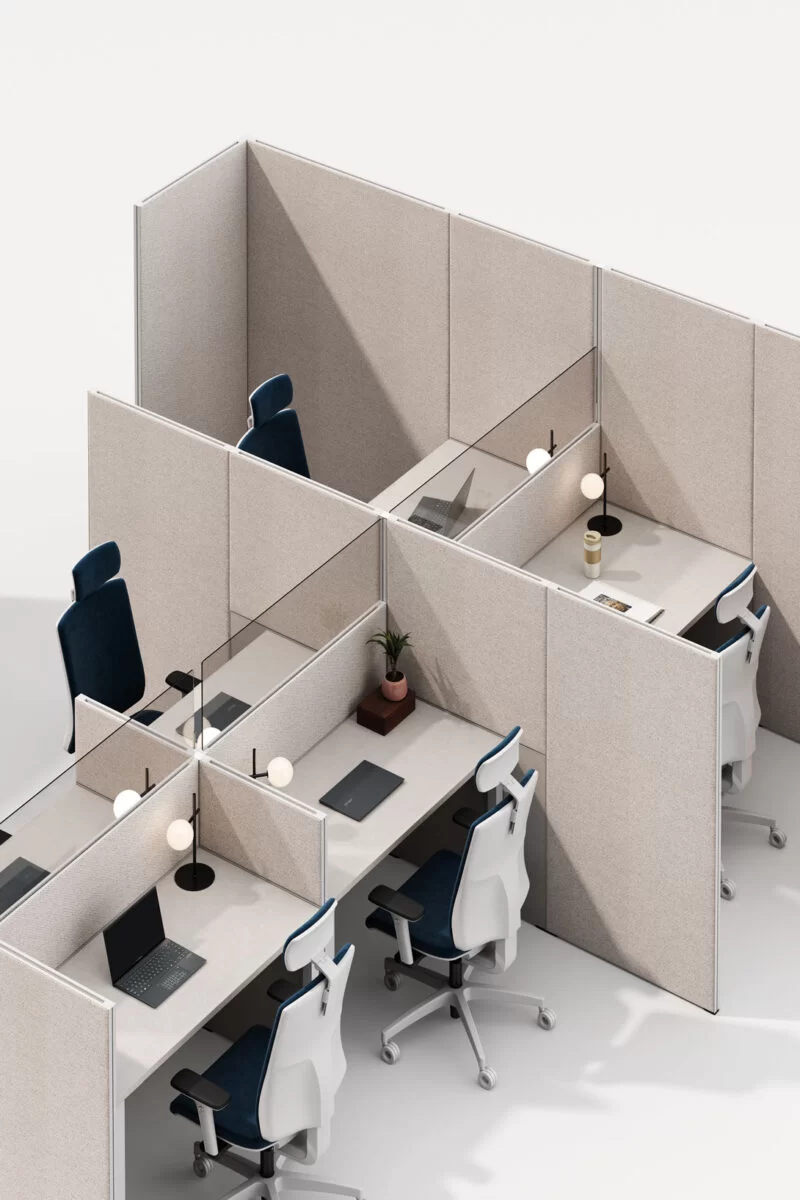
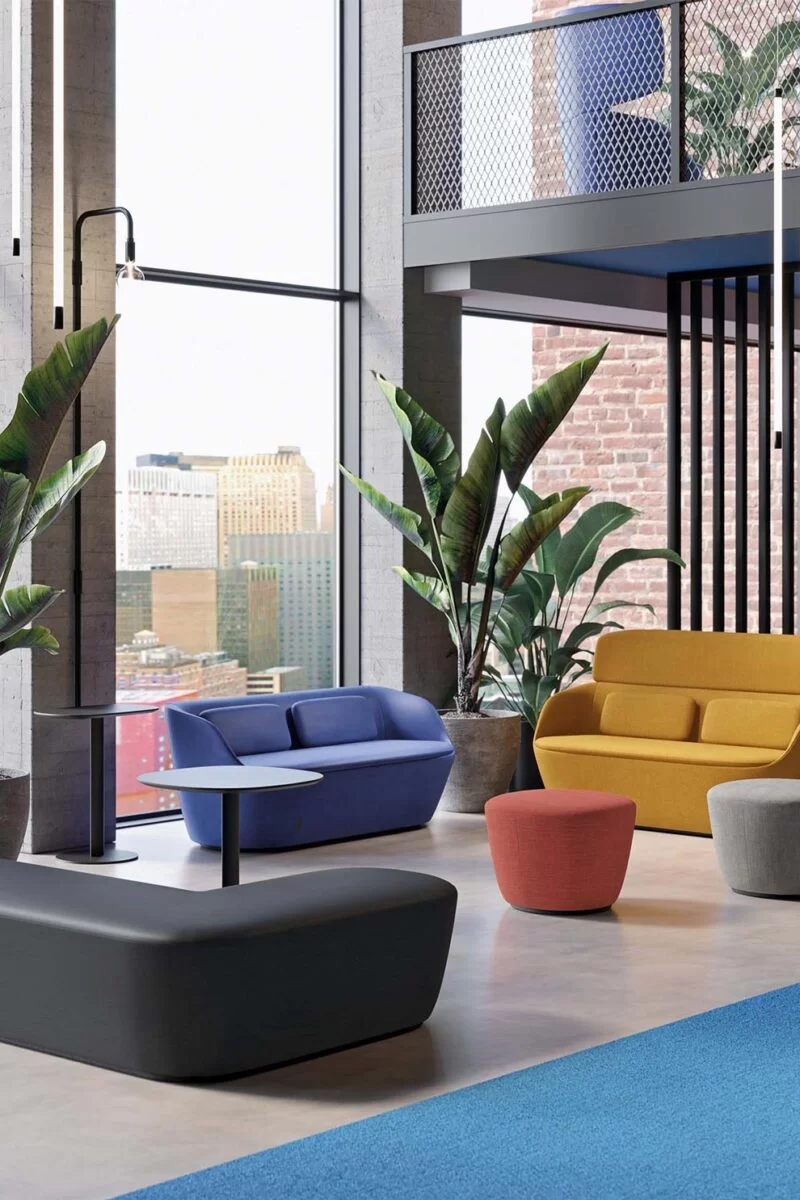
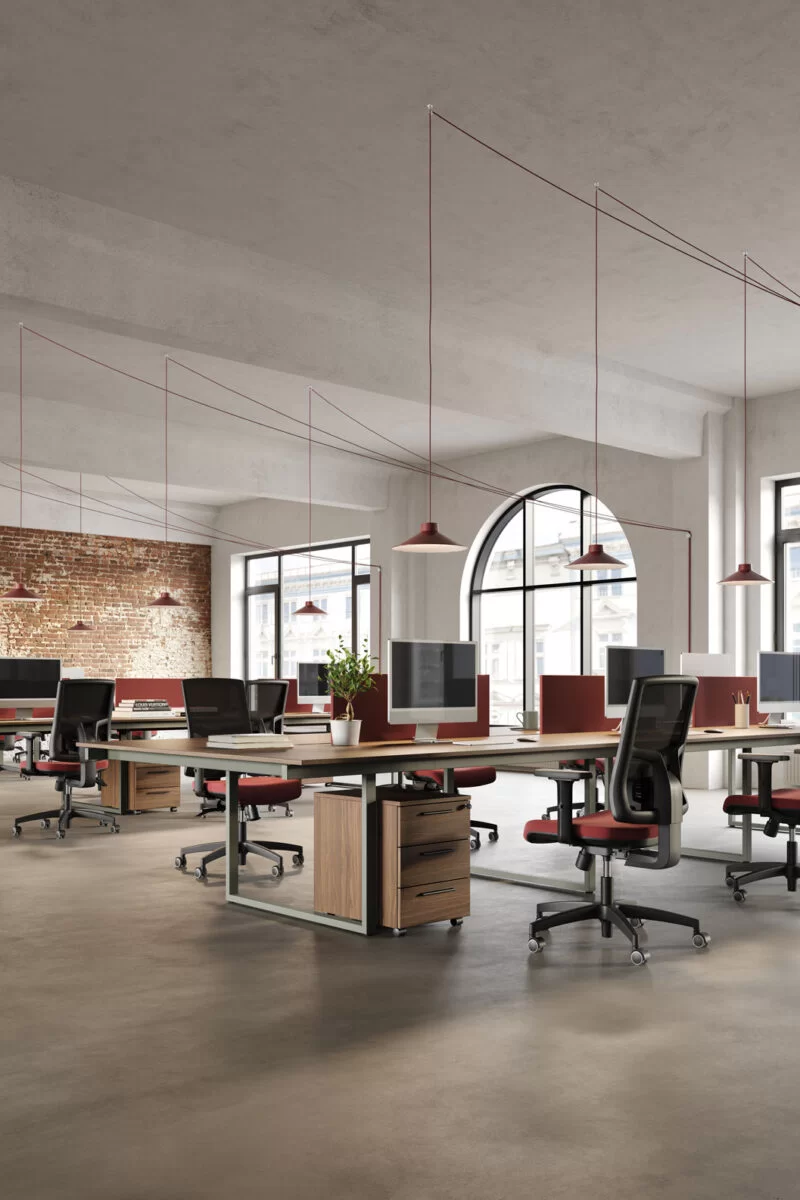
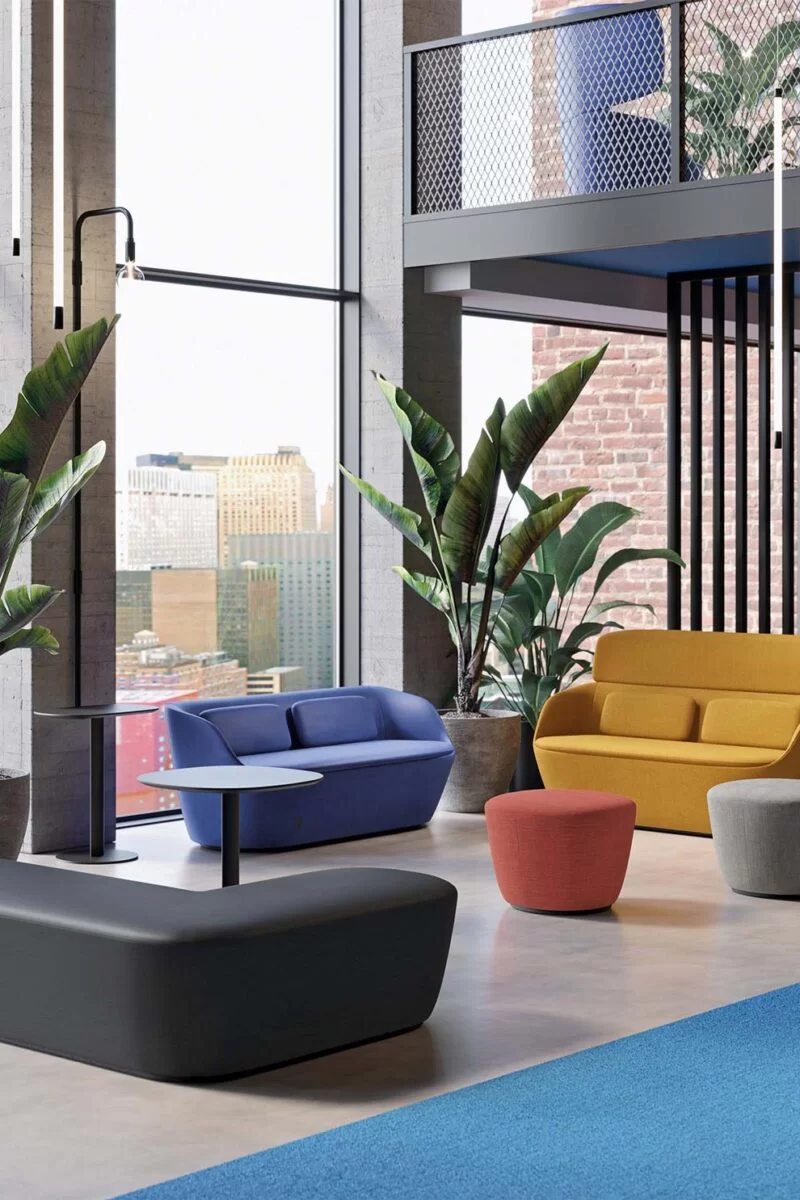
Discrimination, standardised spaces or rigid rules are no longer accepted: the watchword in 2023 will be inclusion. Workers are no longer content with a one-size-fits-all approach. More and more attention is being paid to the neurodiversity and work-emotional-character needs of individuals, through the principles of inclusive design. An increasingly common example is the division of open spaces: people entering the office must immediately understand which spaces are dedicated to socialising (e.g. high tables for team work with stools) versus those designated for quiet work (e.g. meeting pods). Another important element of inclusive design is light: it should be as natural as possible or equal to it. In private rooms it's recommended to choose dimmable light bulbs, thus leaving the light intensity setting to each individual.3. Data-driven design
The layout choice must be the result of real data study. Data-driven design uses sensors and other technologies to monitor people's behaviour and productivity (e.g. movement patterns, hours in the office vs. hours in smart working). The data analysis, integrated with feedback from individuals, becomes the starting point for the creation of 'demo' layouts, which are then tested and implemented in the company, and possibly modified over time.
 Read all




 Back to top