








 News
News
 15th September 2022

They are young, they are hungry and they are the future of the working world: we’re of course talking about Gen Z, those born between 1997 and 2010.
What until now seemed like the "teenage" generation is no longer so young: a good portion are already of age and about to enter the world of work or have been employed for some time. It’s estimated that by 2025 (so only 3 years from now), Gen Z will account for 27 percent of the global workforce.
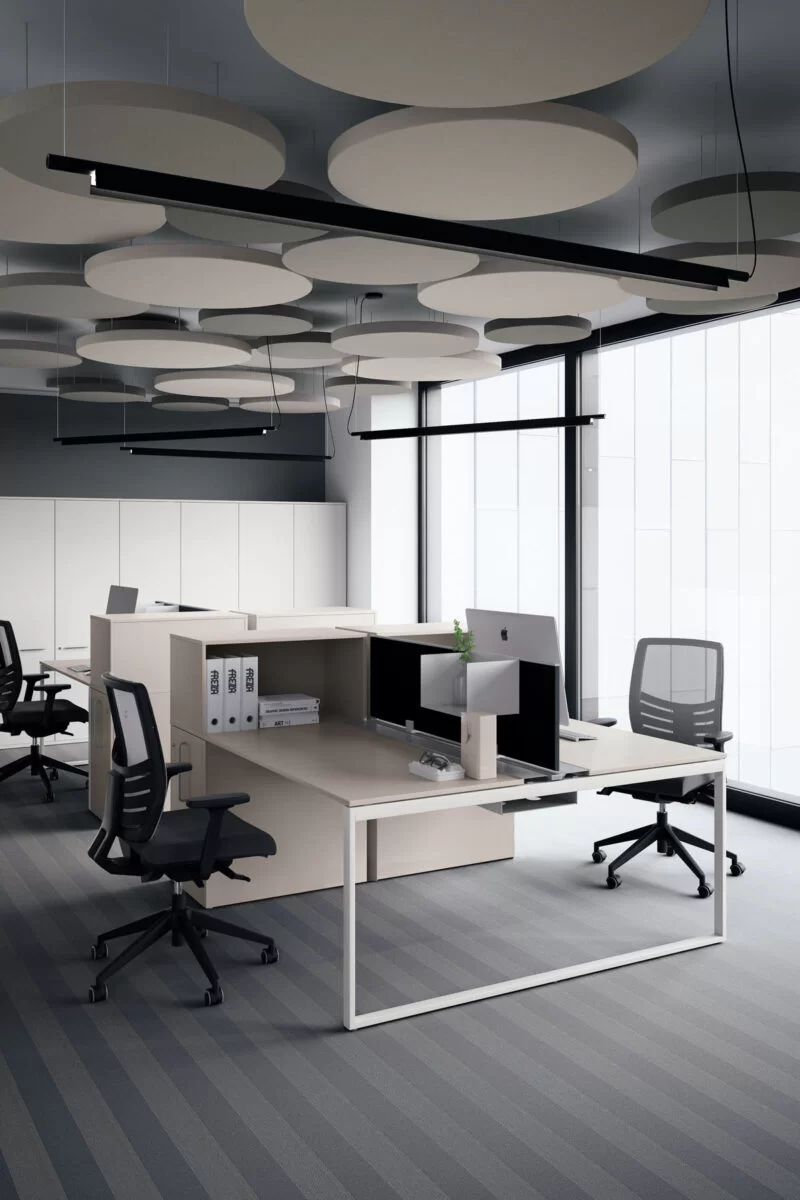
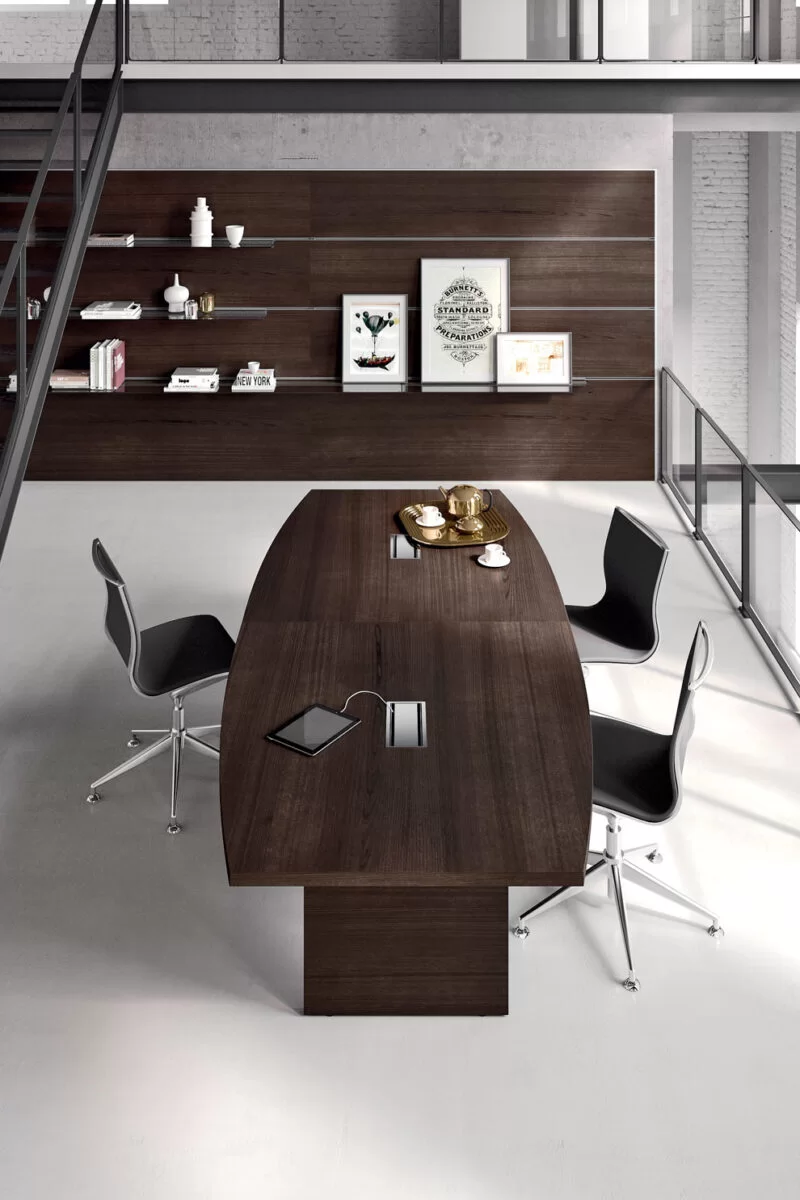
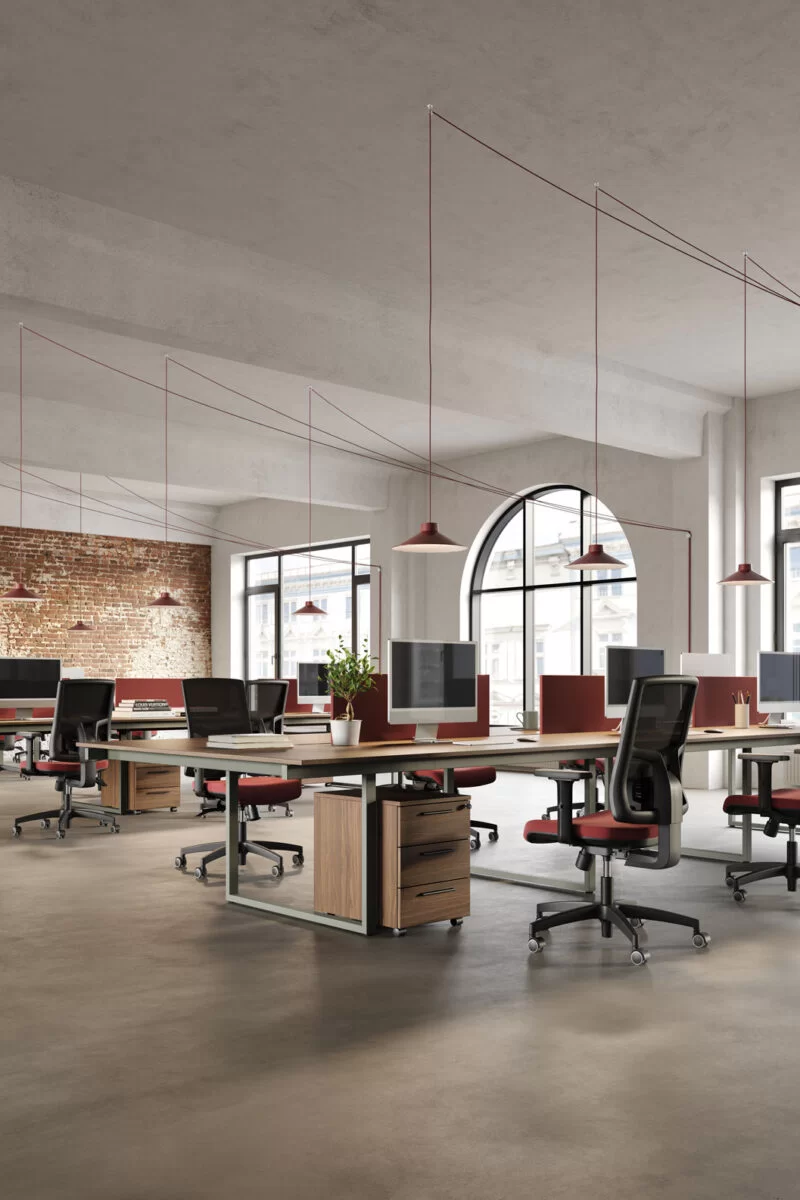
We’re not talking about small numbers: it’s now imperative for companies to consider the needs and expectations of this age group, not only from the point of view of company benefits, but also in terms of office design.
Companies must have a long-term vision in mind in order to create a competitive advantage right from the start. A working environment that is attentive to the needs of its employees is more attractive to talent, both in terms of acquisition and retention.


How to design an office that meets Gen Z requirements
Before delving into the actual design, it’s necessary to have in mind the main characteristics of Generation Z, both generic and specific with respect to the world of work.- Gen Zers are digital natives who have always had access to the Internet and social media. They are hyper-connected and constantly communicate with people from all over the world. They therefore recognize the differences in treatment between different countries and continents, which makes them more demanding of employers.
- Gen Zers are competitive and career-oriented, much more so than Millennials. However, they do not pursue only financial goals: the job must serve to achieve a better social position (an attitude therefore similar to that of Baby Boomers), allow a development of personal skills and be in line with their jobs, to "change the world."
- Gen Zers are concerned about well-being, both mental and physical, and look for companies that are equally conscientious in this respect.
- Gen Zers have a much lower ability to concentrate than previous generations, but they are at the same time more likely to multi-task, especially through the use of different devices at the same time.
The office must be flexible and technological
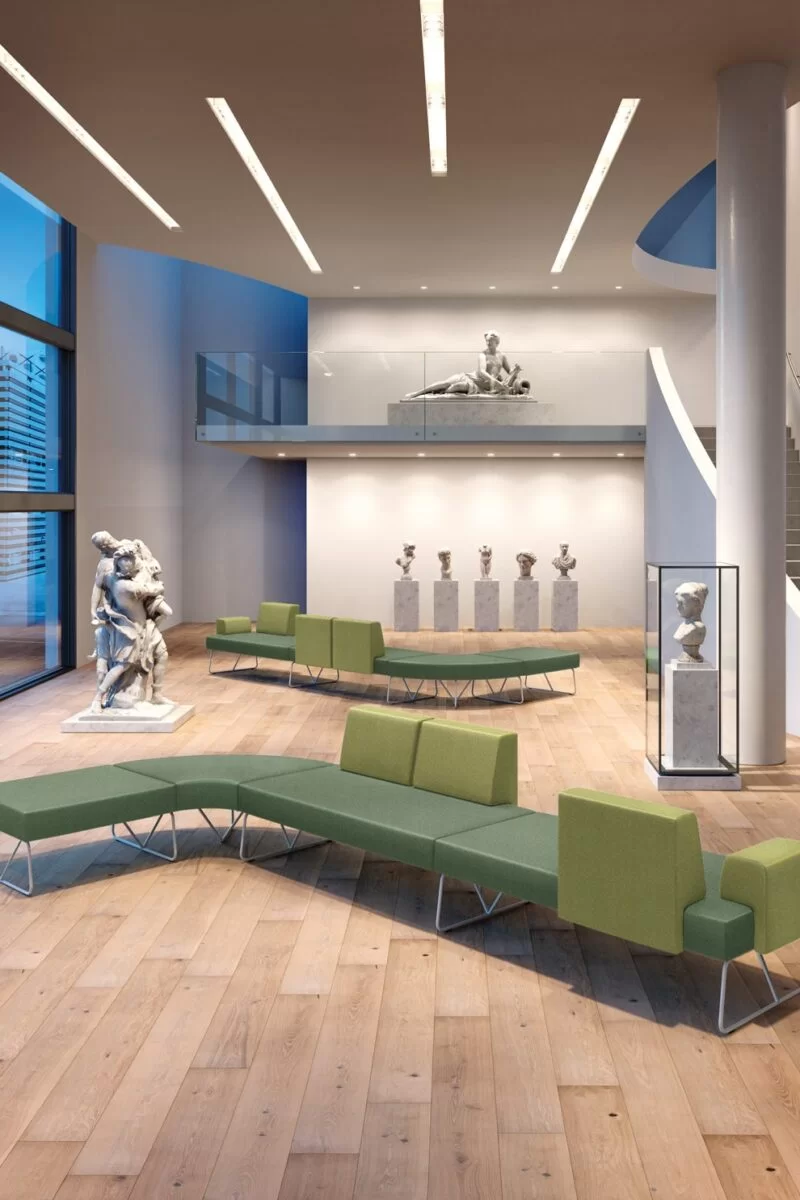
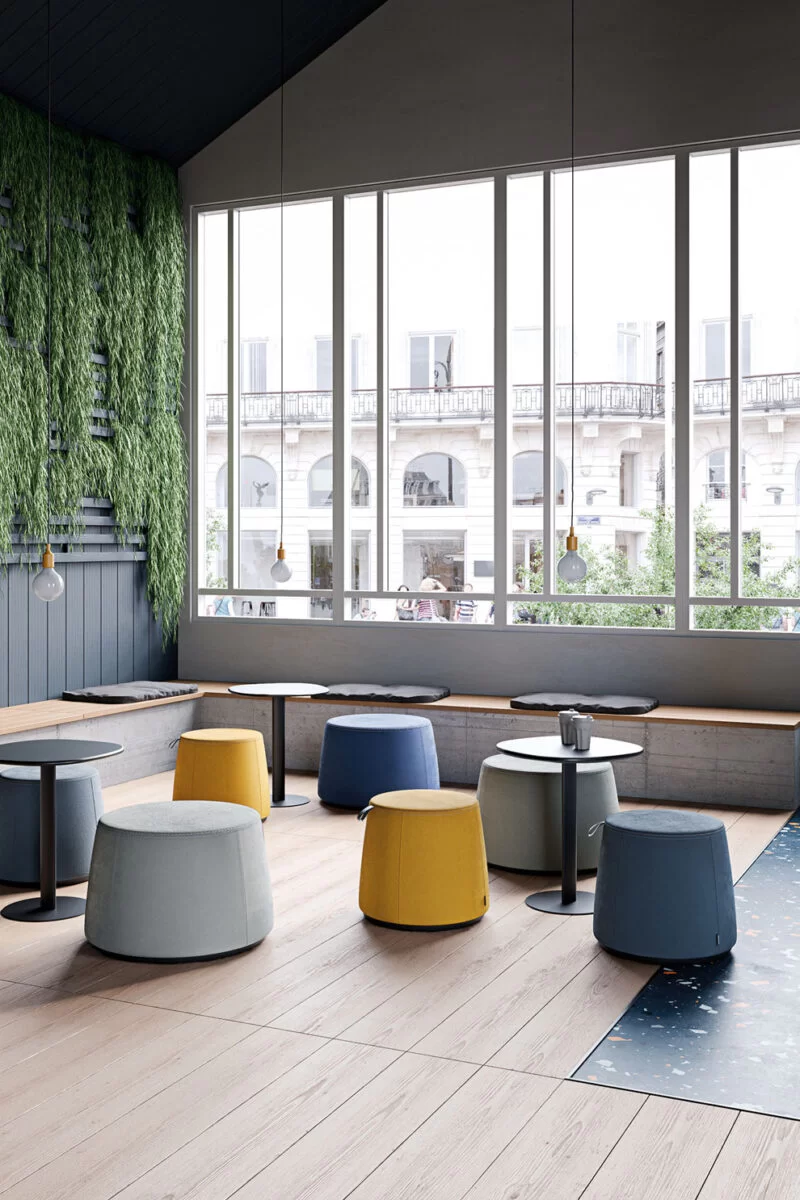
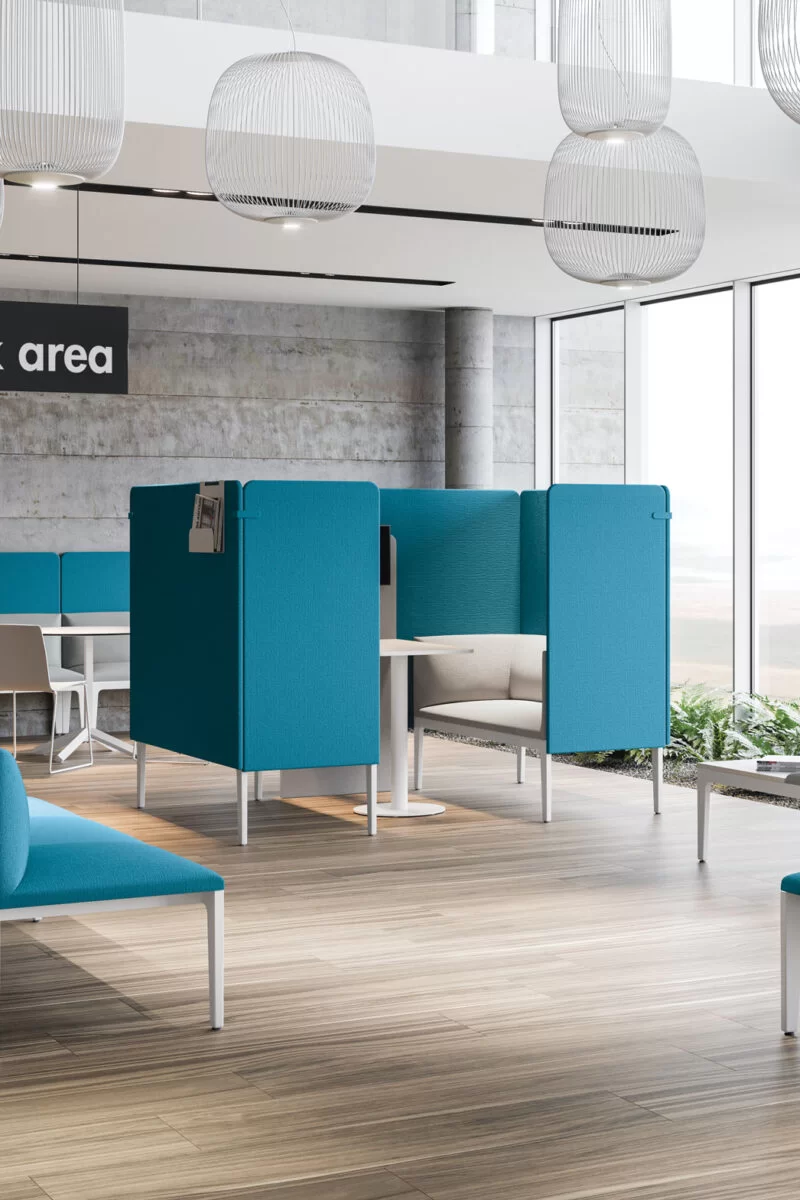
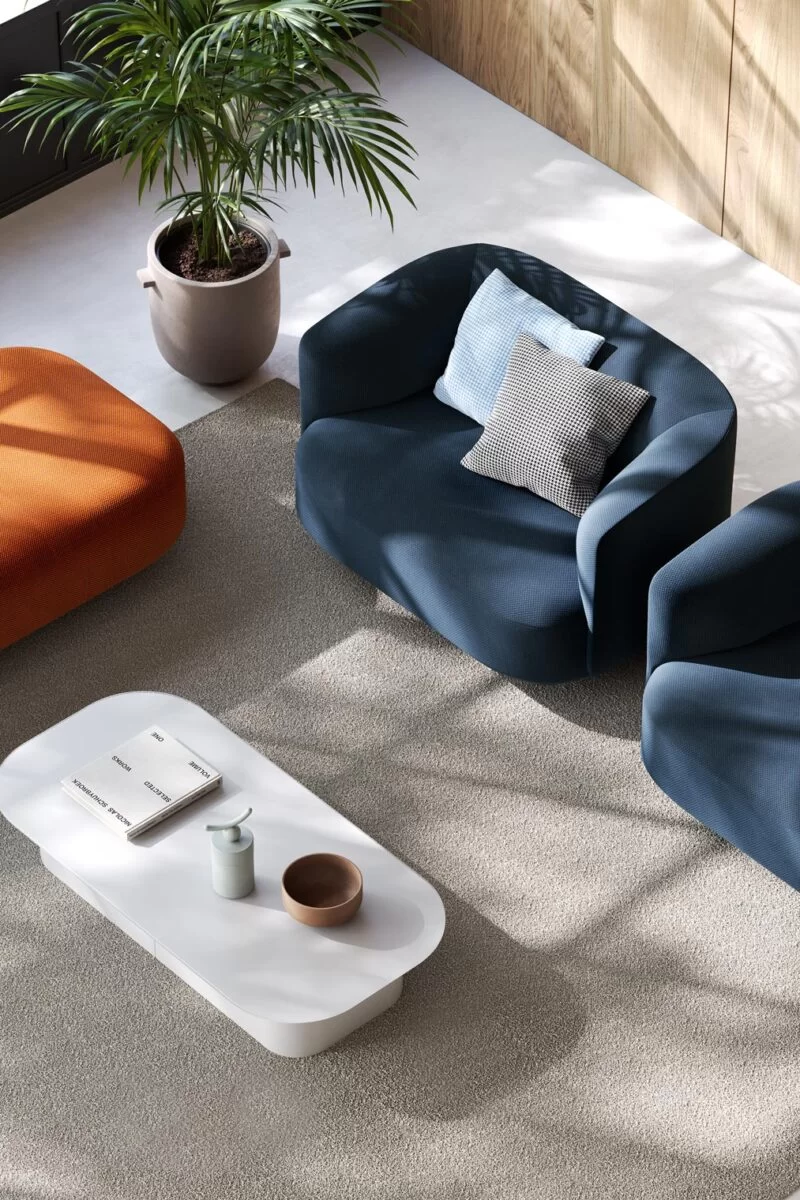
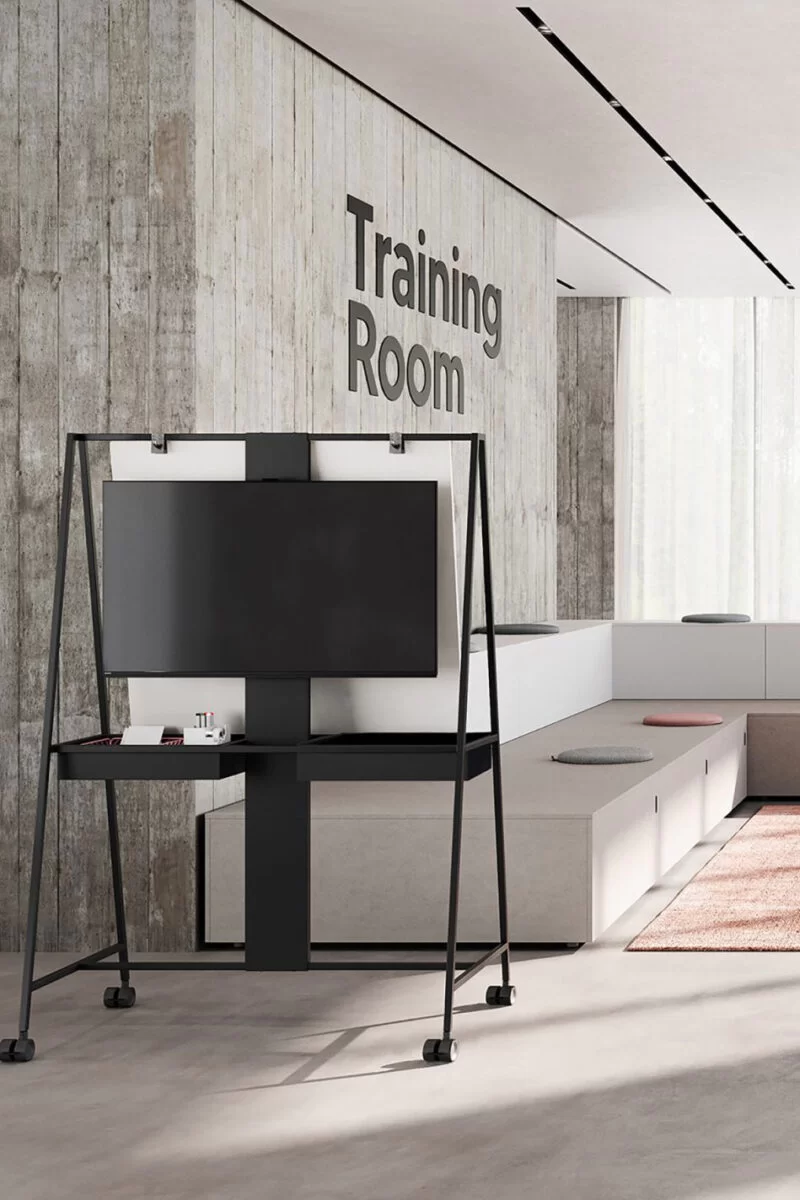
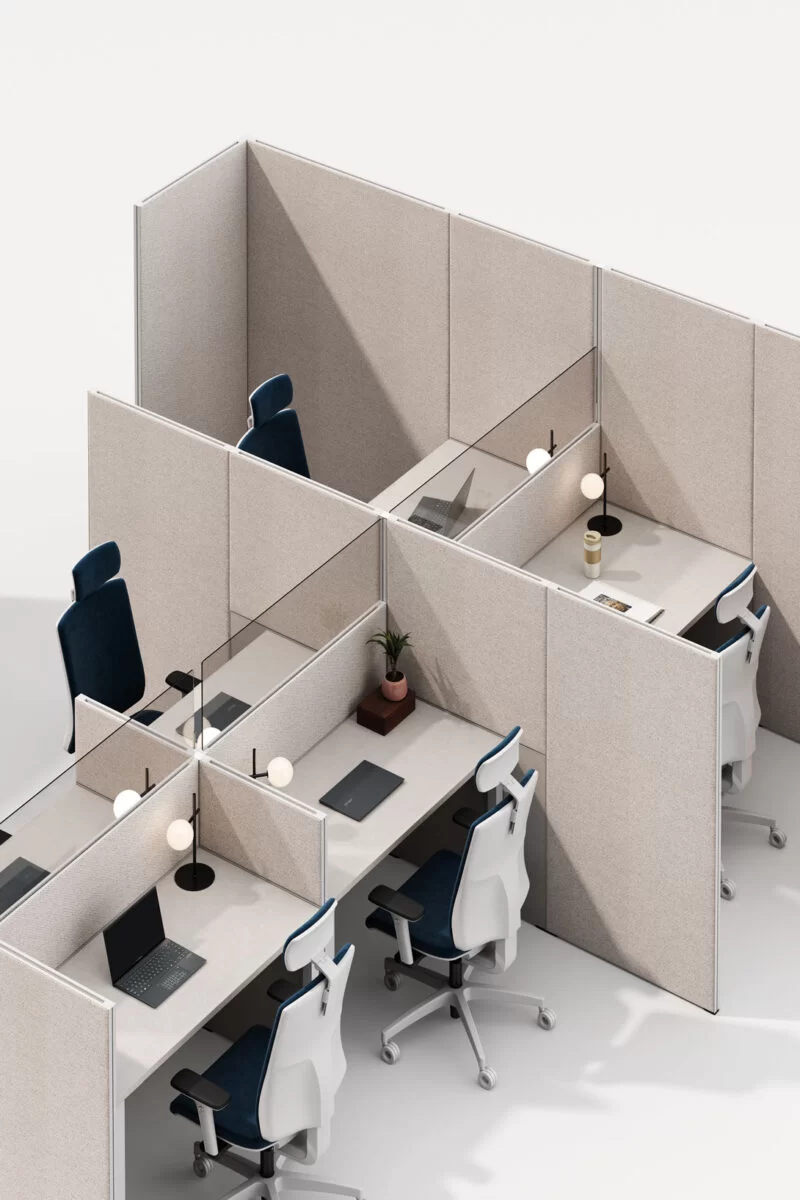
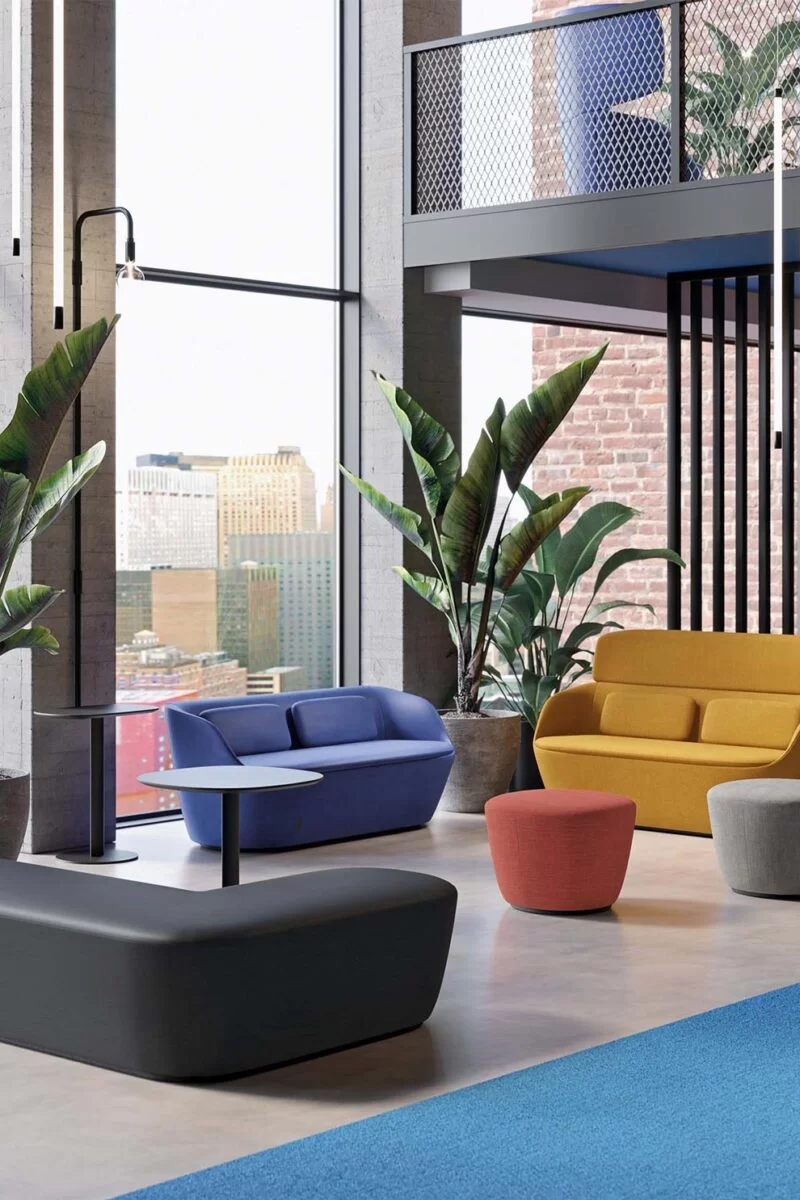
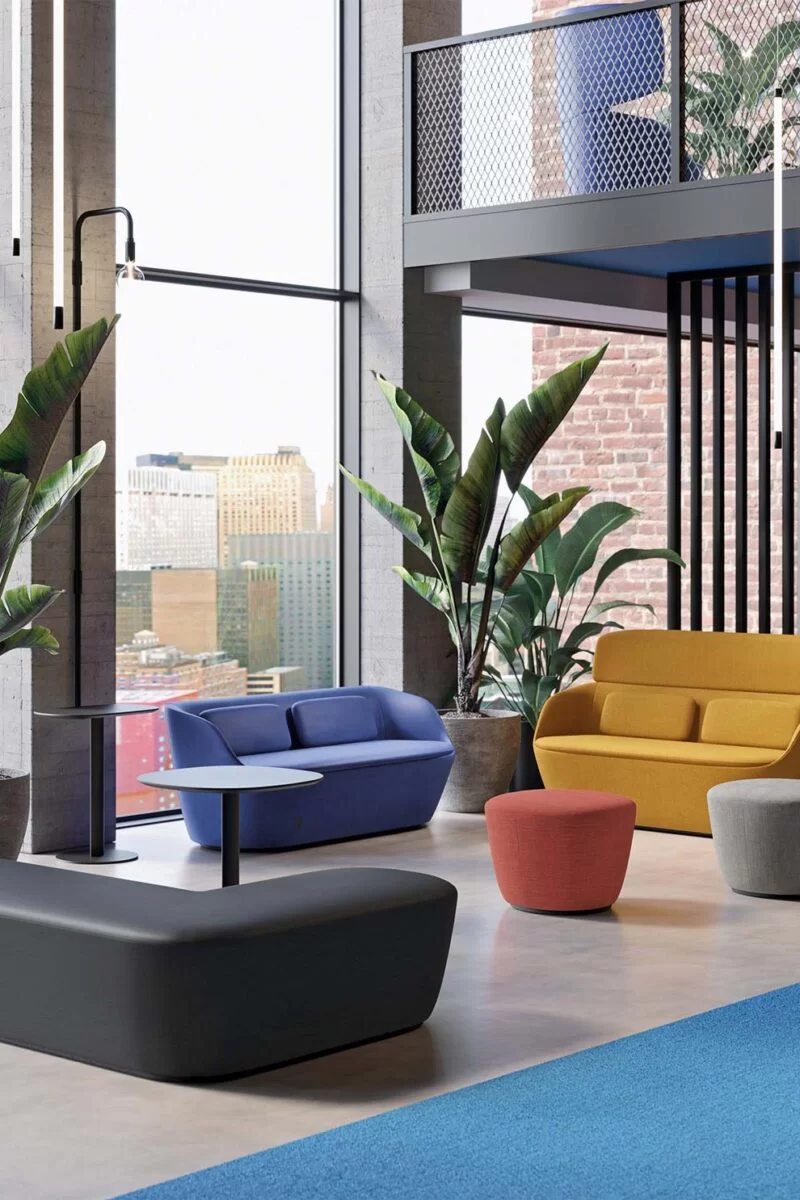
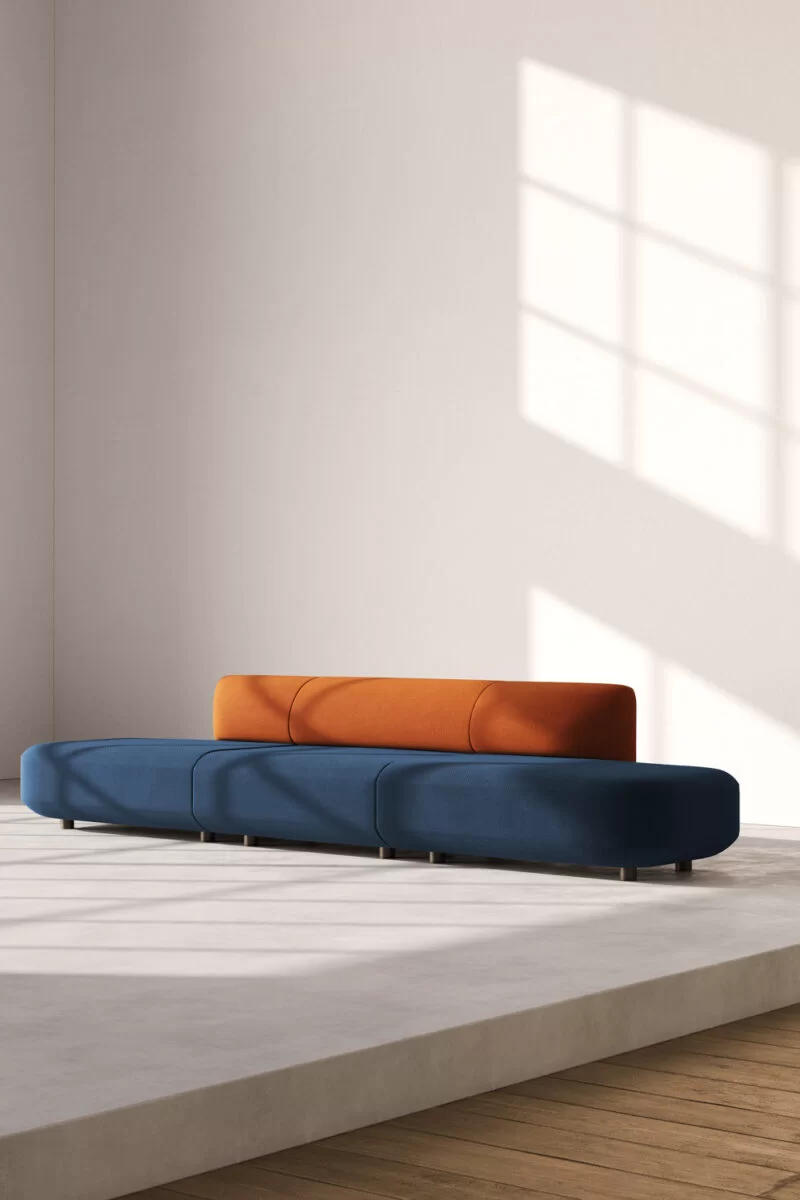
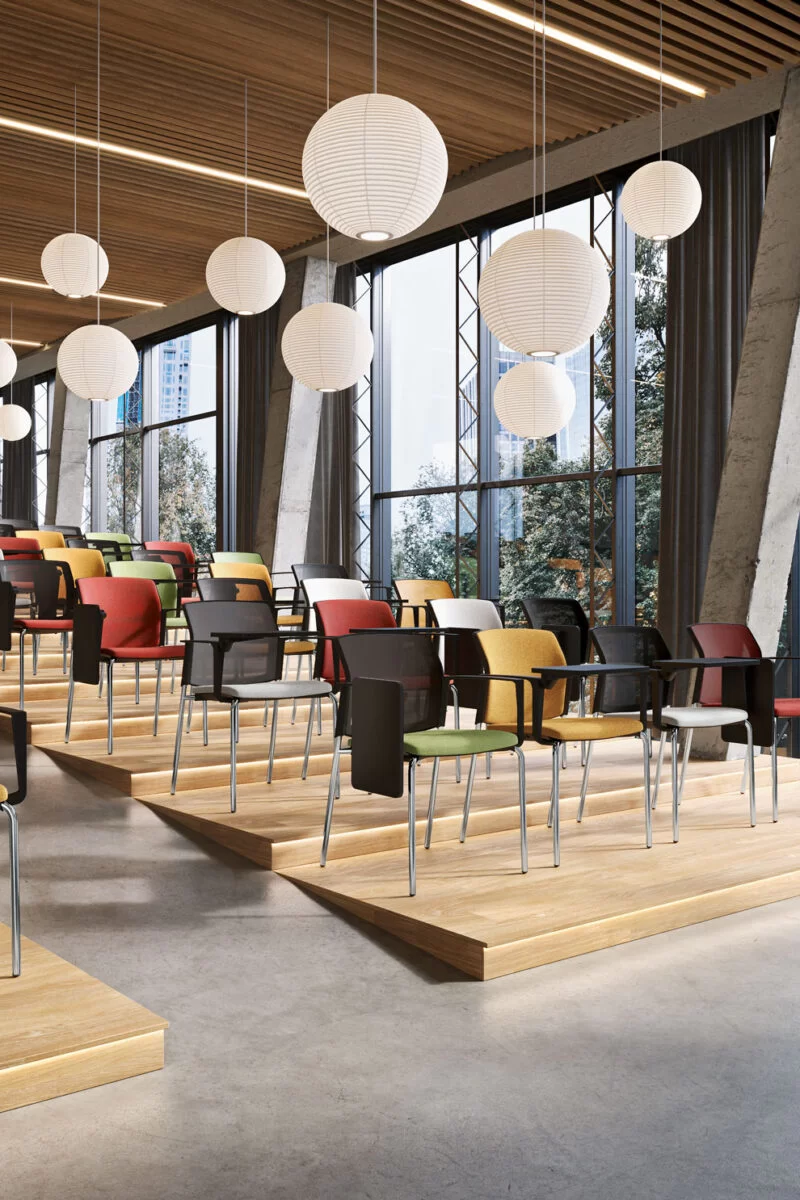
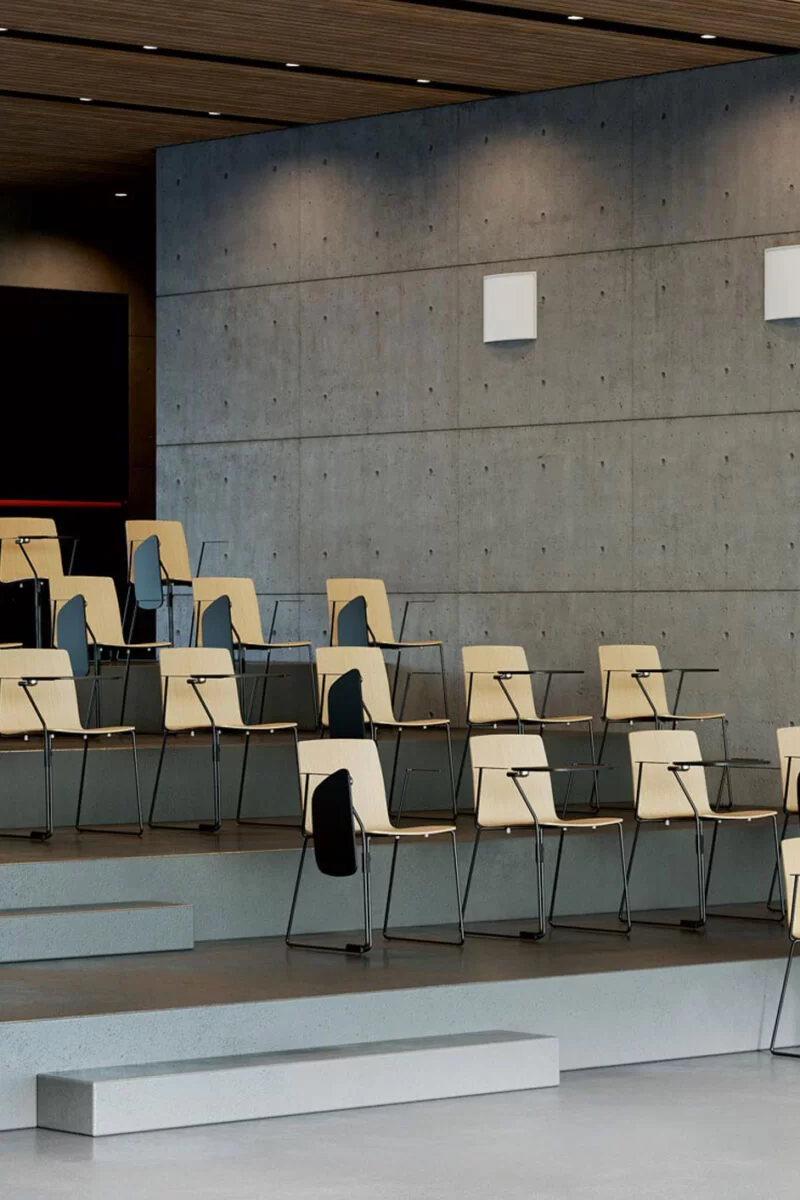
One of the most heartfelt demands from Gen Z is the implementation of hybrid work. The assigned desk is no longer a common necessity: operational spaces are being reduced, introducing the possibility of reserving one's own workstation as needed. Lounge areas suitable for individual or group work and training rooms become the new place to be: these environments must be connected, electrified and easily reconfigurable. Solutions such as the Gradone system and the Mediawalk panel become the trump card of the smartest companies. The platform elements are assemblable and modular to cope with different situations, from dedicated training time to brainstorming meetings. Mediawalk's structure, on the other hand, can be customized on both sides with TV screens, whiteboards, panels or other accessories.
 Read all



 Back to top