








 News
News
 15th May 2026
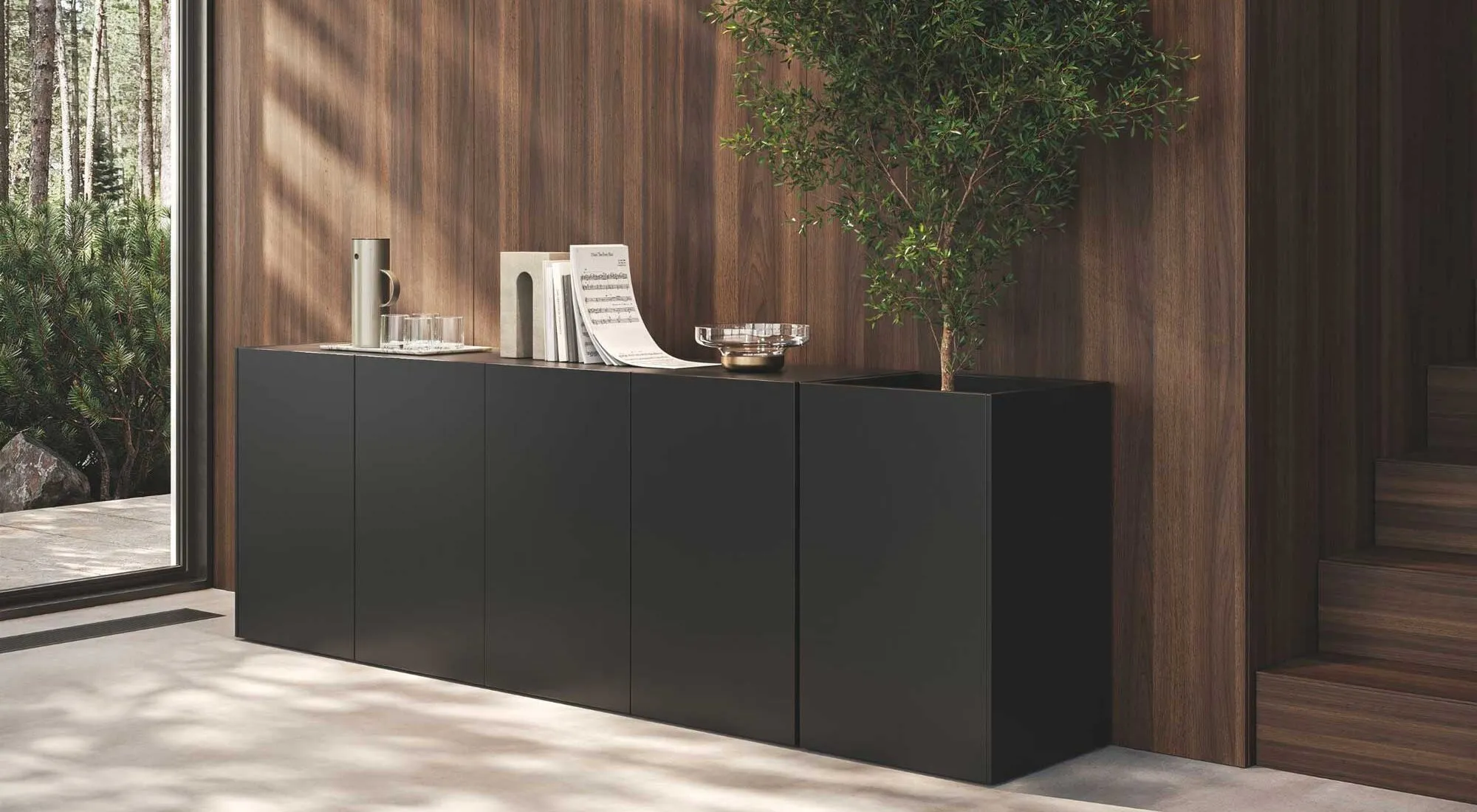
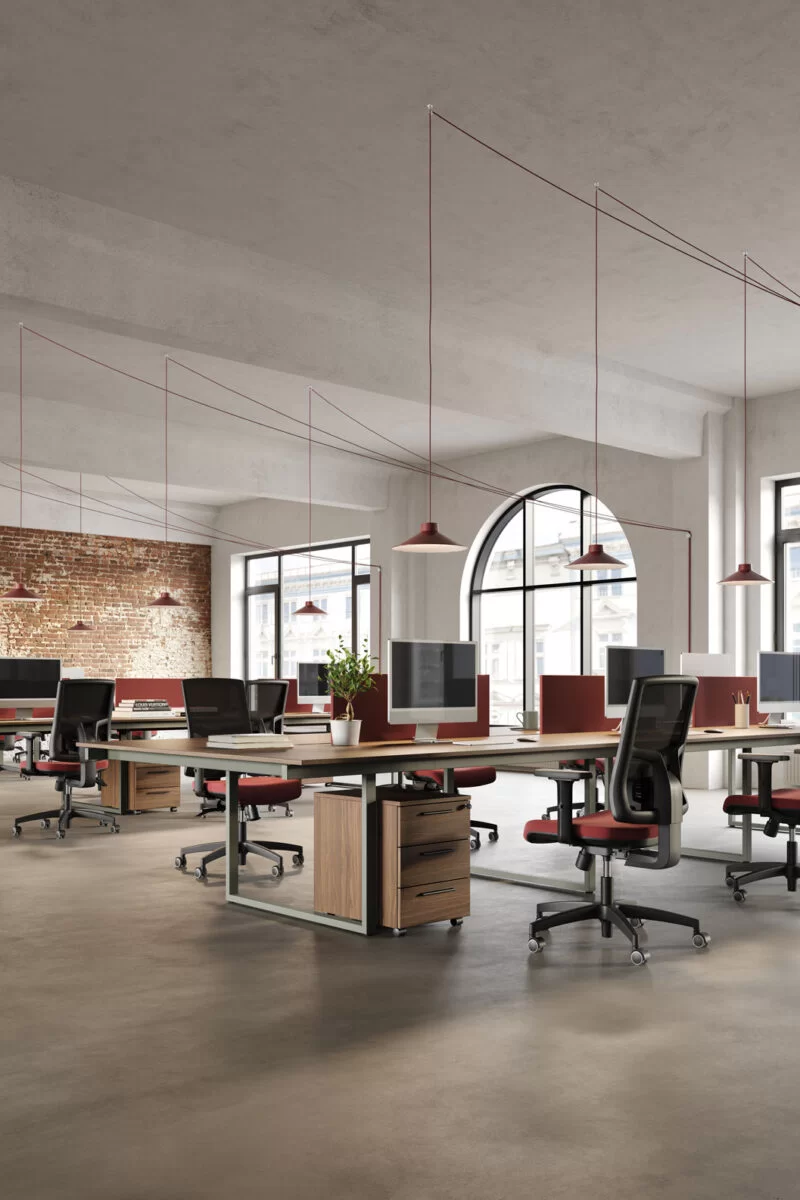
In today’s context, where most daily life and professional activities take place indoors, space design plays an increasingly strategic role. Interior quality is no longer measured solely in aesthetic or functional terms, but in its ability to foster well-being and a meaningful connection with the environment.
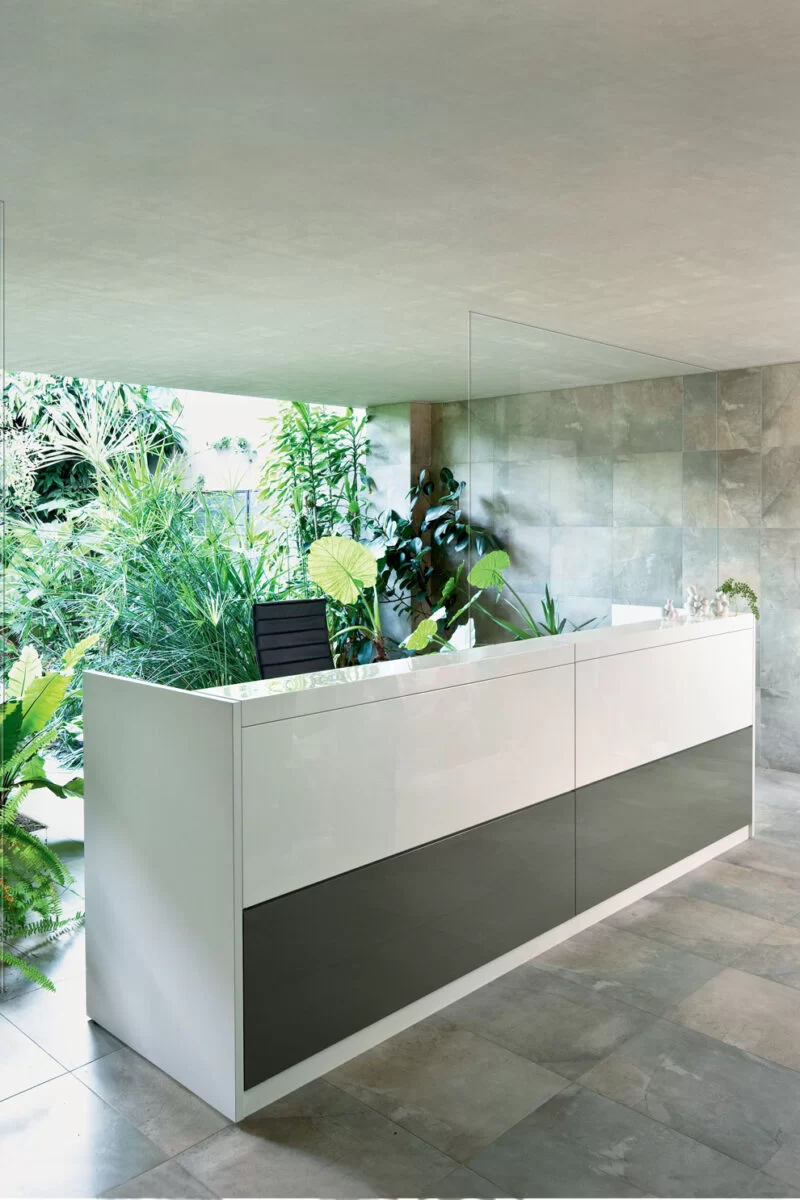
Biophilic interior design is an approach that integrates natural elements into built environments to re-establish an authentic relationship between people and nature. It’s not merely a trend, but an advanced design vision capable of enhancing spatial perception and positively influencing quality of life.
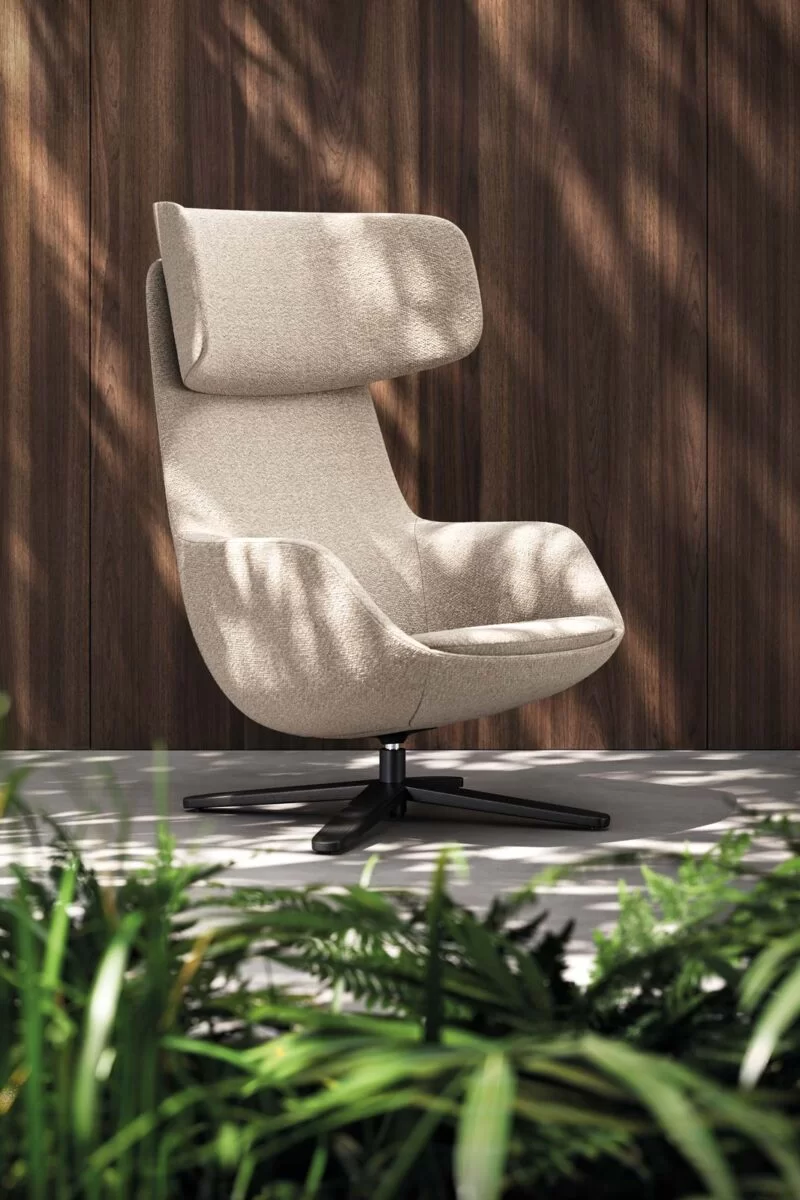
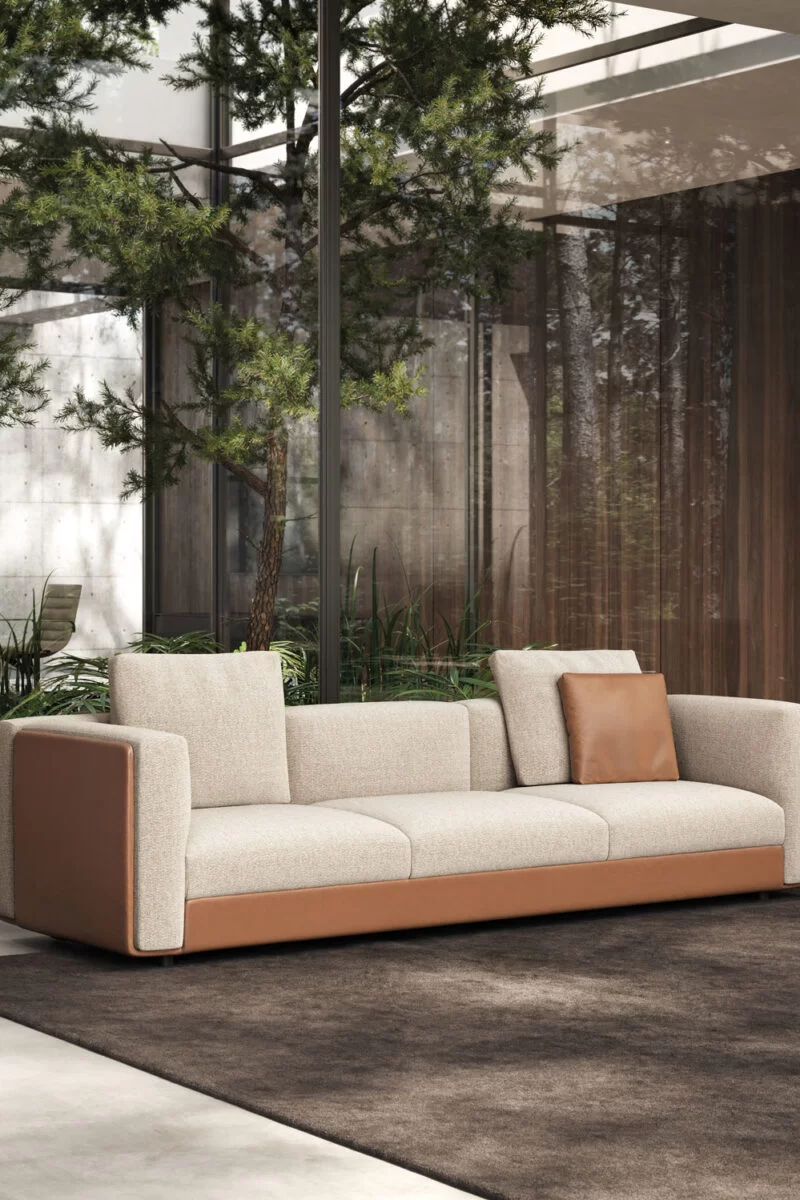
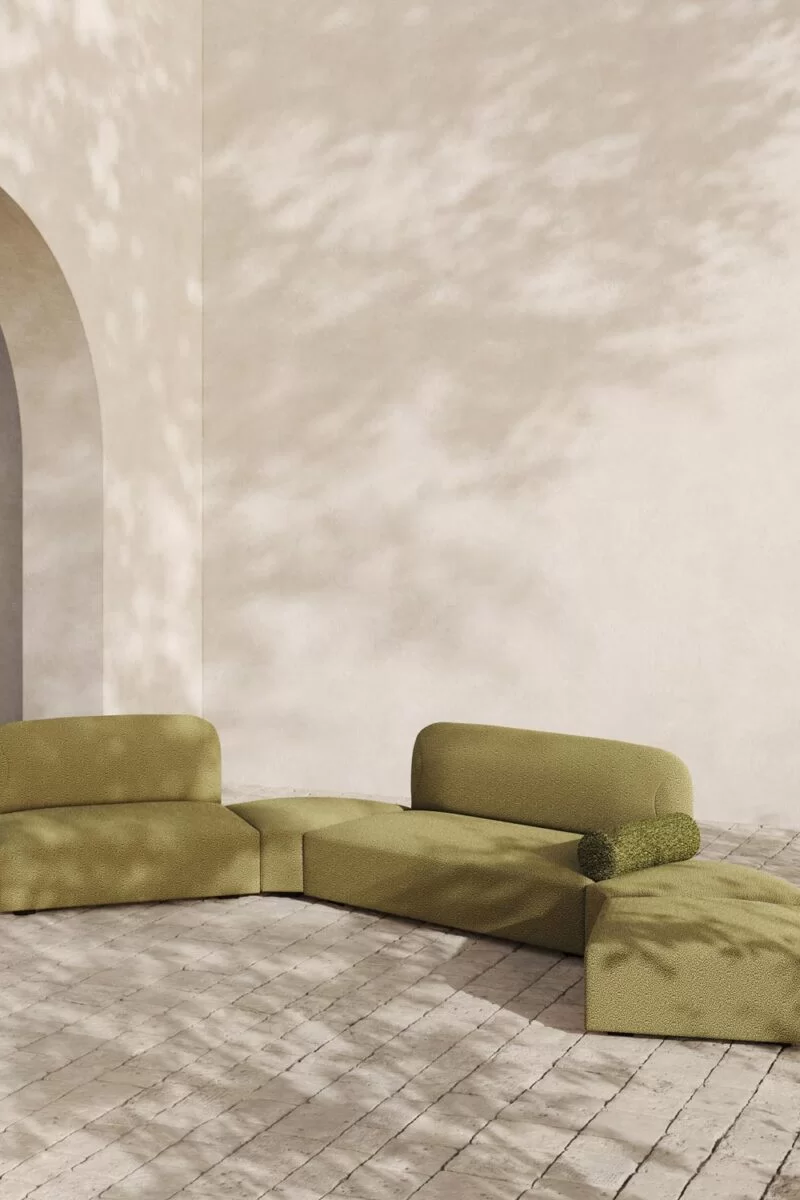
Through the thoughtful use of natural materials, textures and furnishings, biophilic interior design transforms both contract and residential environments into more welcoming spaces.
Biophilic interior design: the importance of natural elements in interior spaces
The effectiveness of biophilic interior design lies in its ability to activate a deeper visual and sensory connection with nature. This approach goes beyond decorative elements, becoming an integrated design strategy that involves materials, light, forms and perception. Natural elements thus become design tools capable of positively influencing psychophysical well-being, improving air quality and enhancing the experience within public spaces.
Key elements that define this approach include:
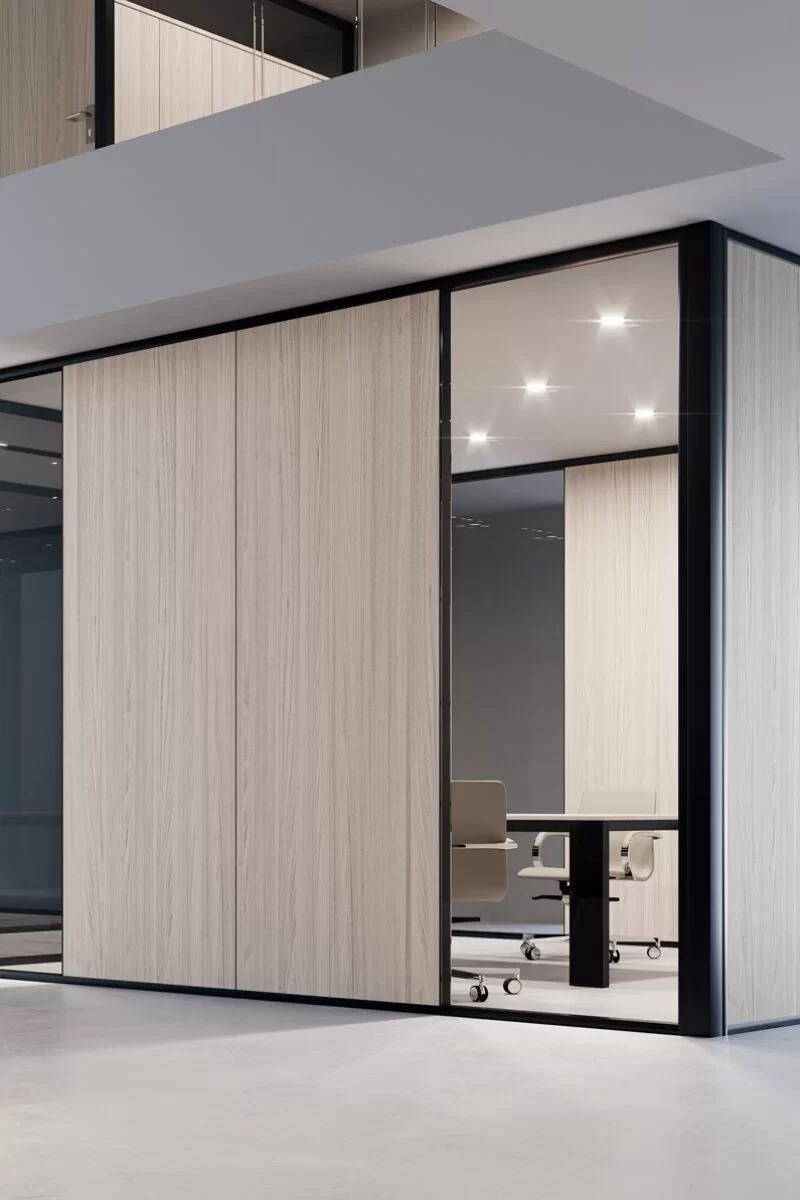
- Natural materials: The use of materials such as wood, marble, stone and mineral-based surfaces helps create authentic, high-quality environments. Their aesthetic and tactile properties introduce a sensory dimension that evokes nature, conveying solidity, warmth and elegance.
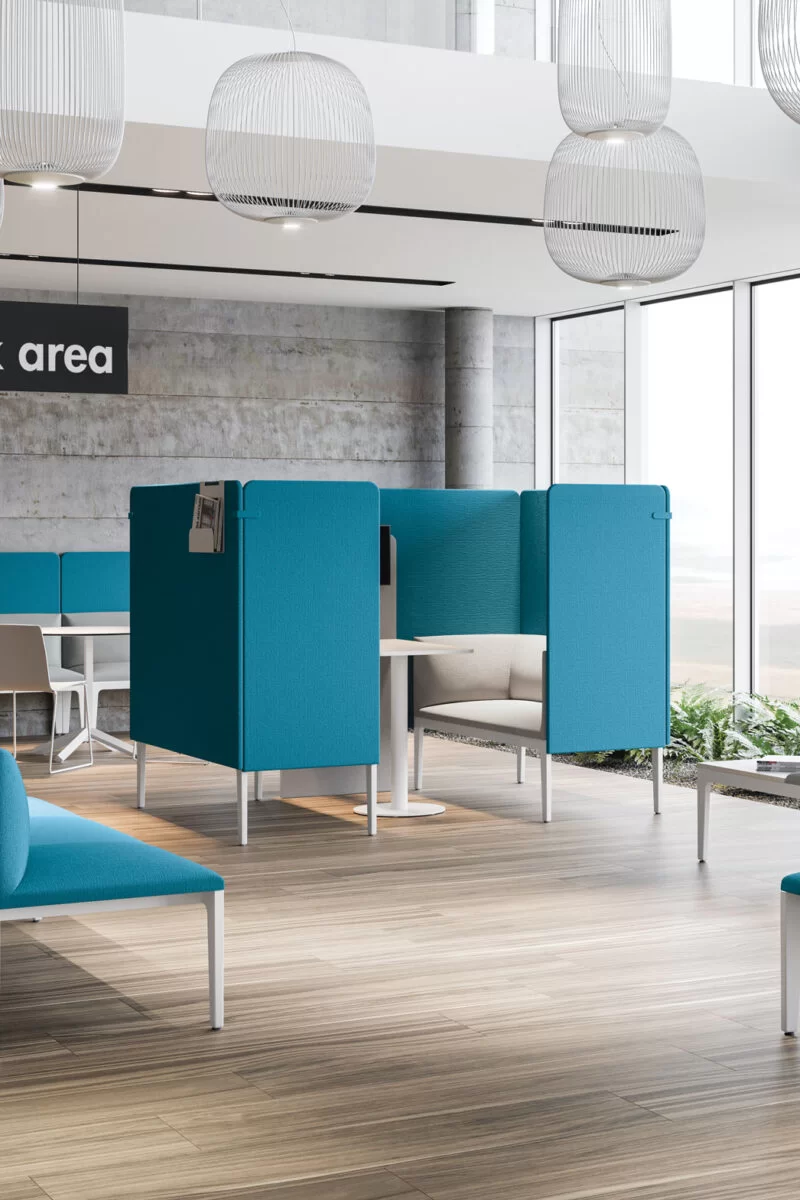
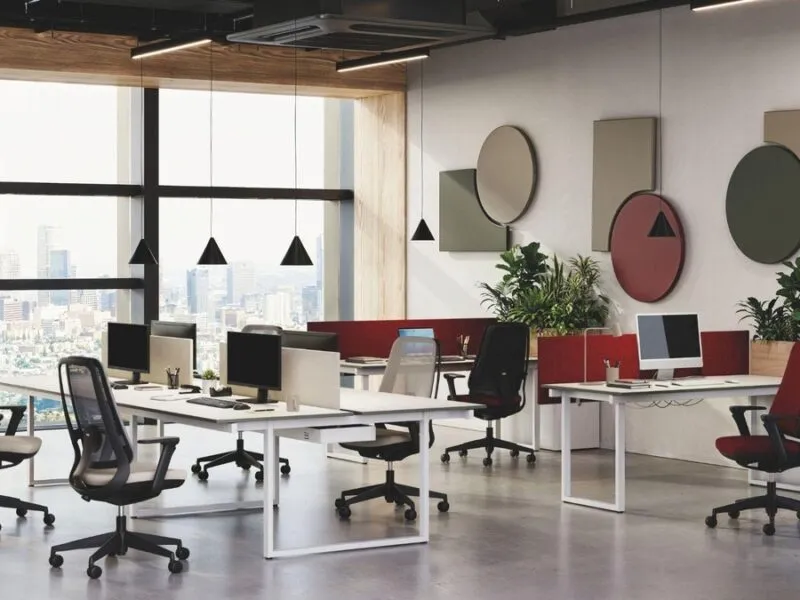
- Natural light and acoustic comfort: Designing to maximize natural light supports visual well-being and healthy circadian rhythms. At the same time, attention to acoustic comfort contributes to more balanced environments, improving productivity and relaxation during breaks.
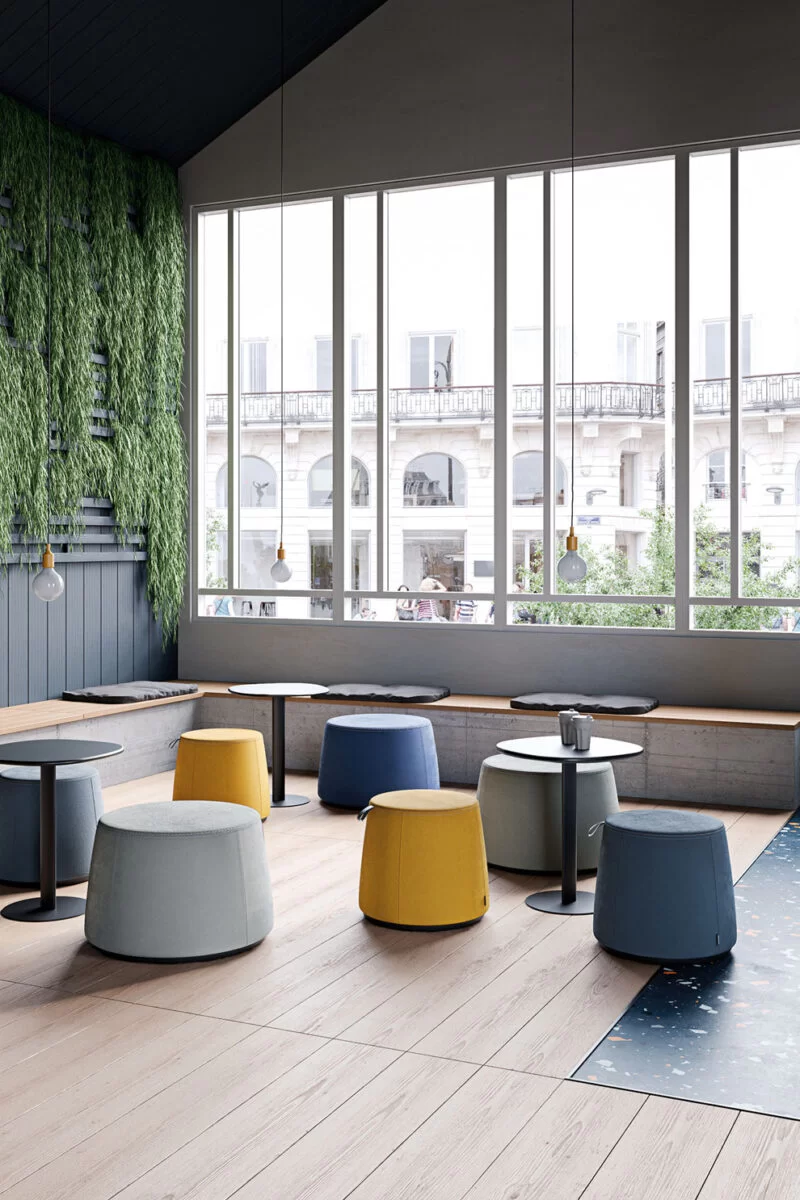
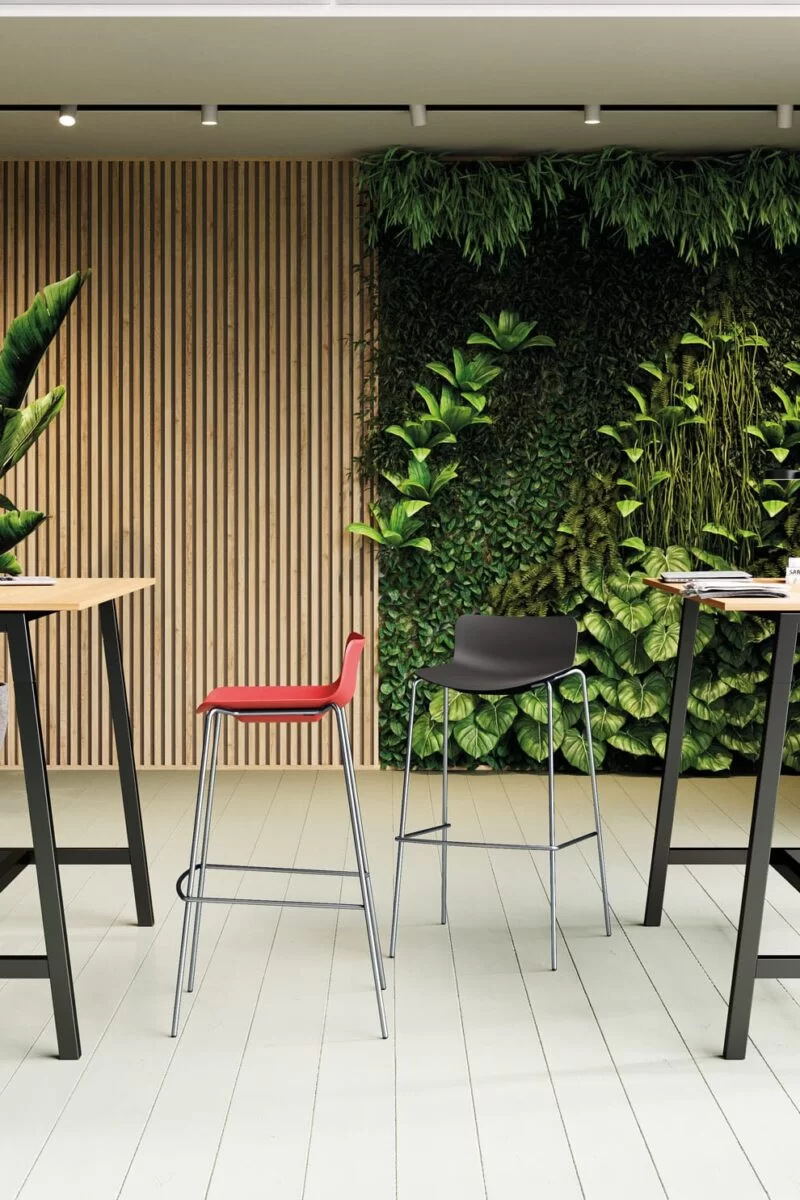
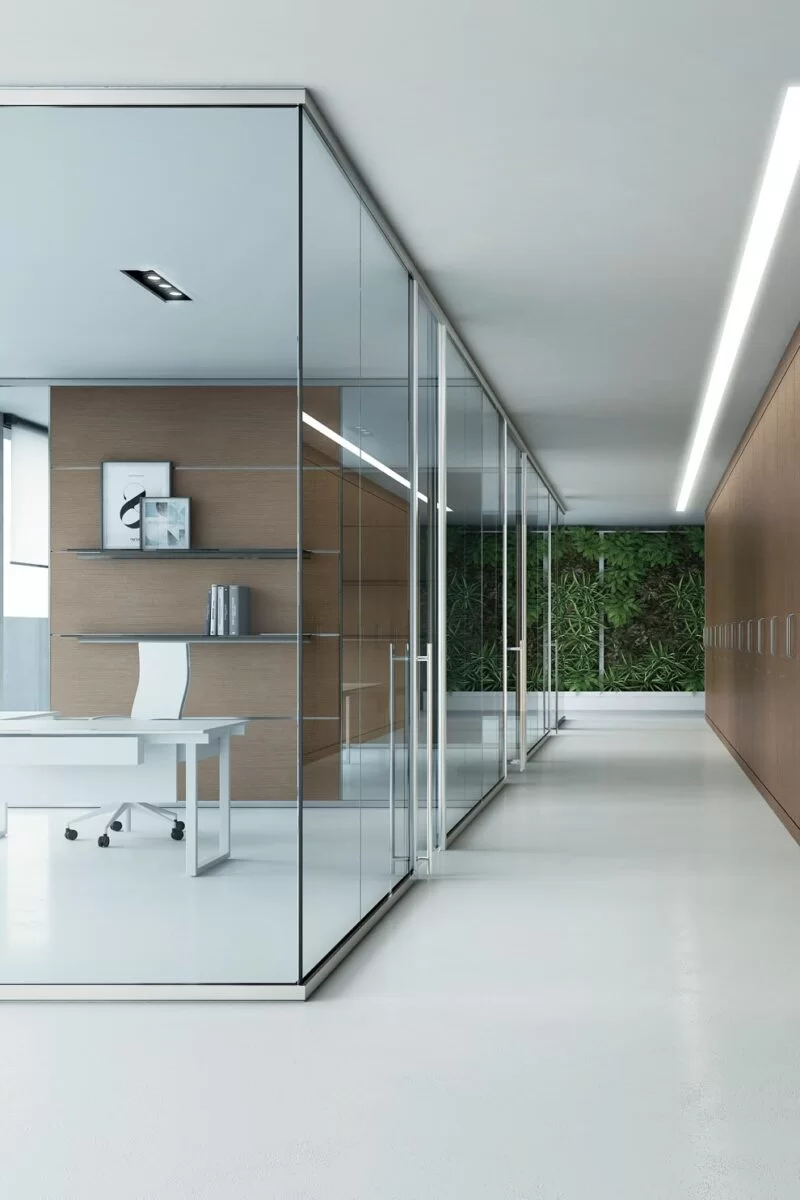
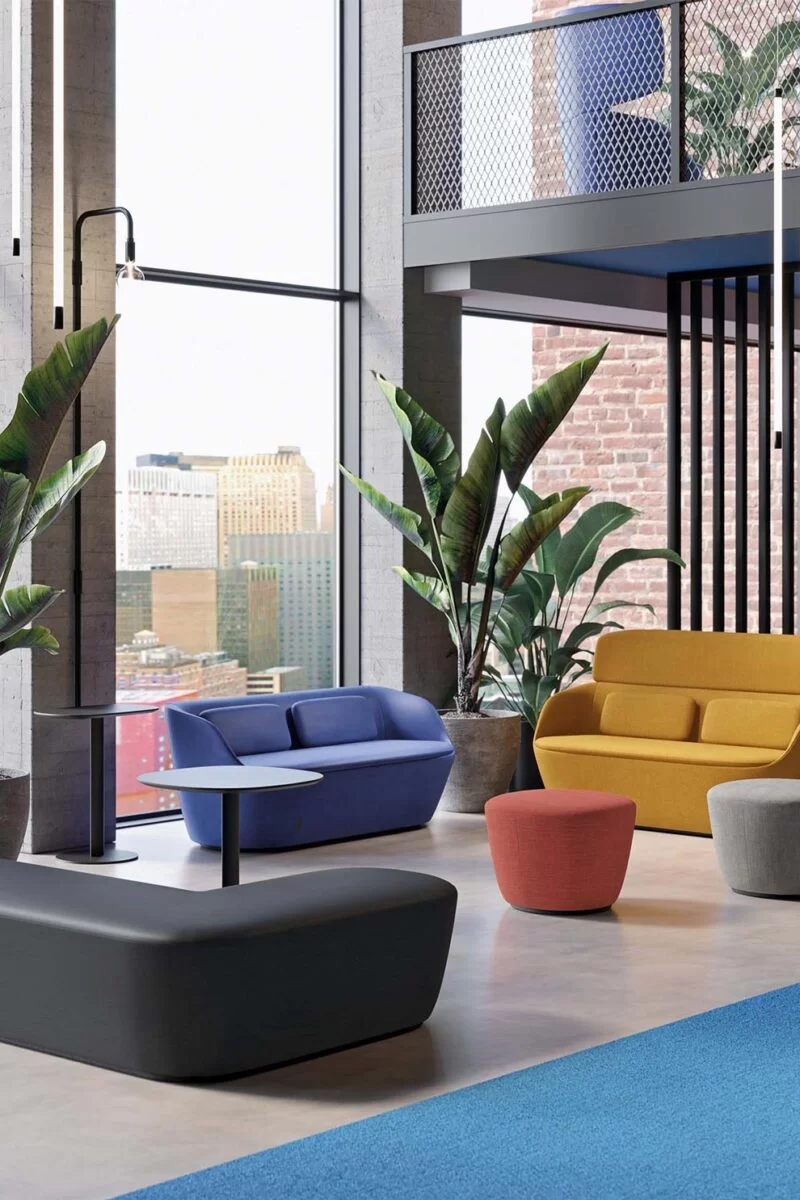
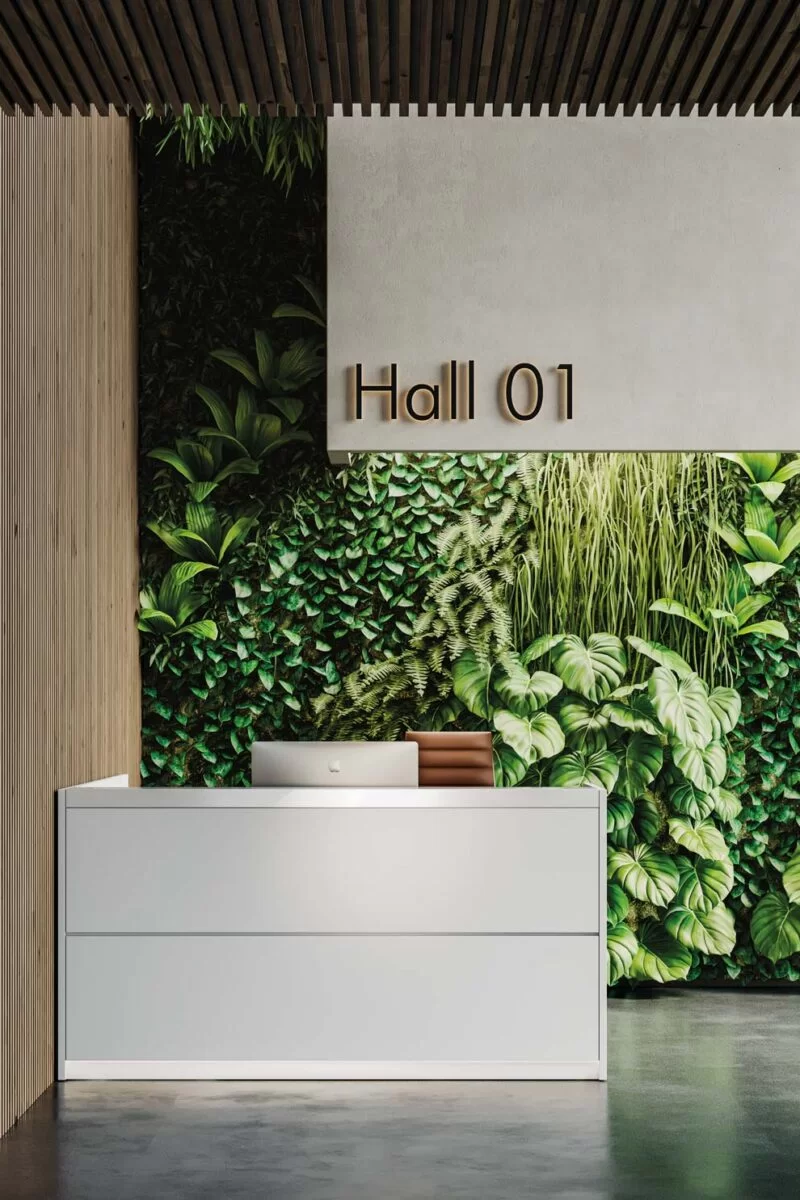
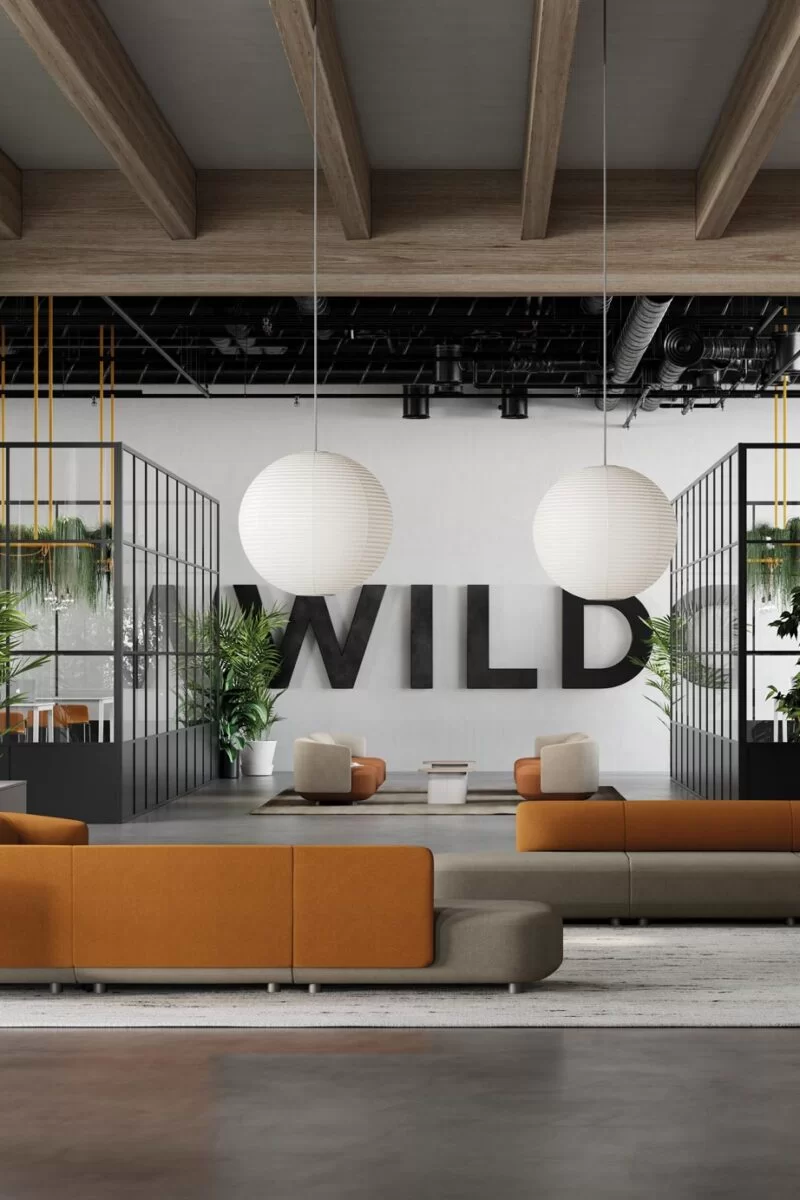
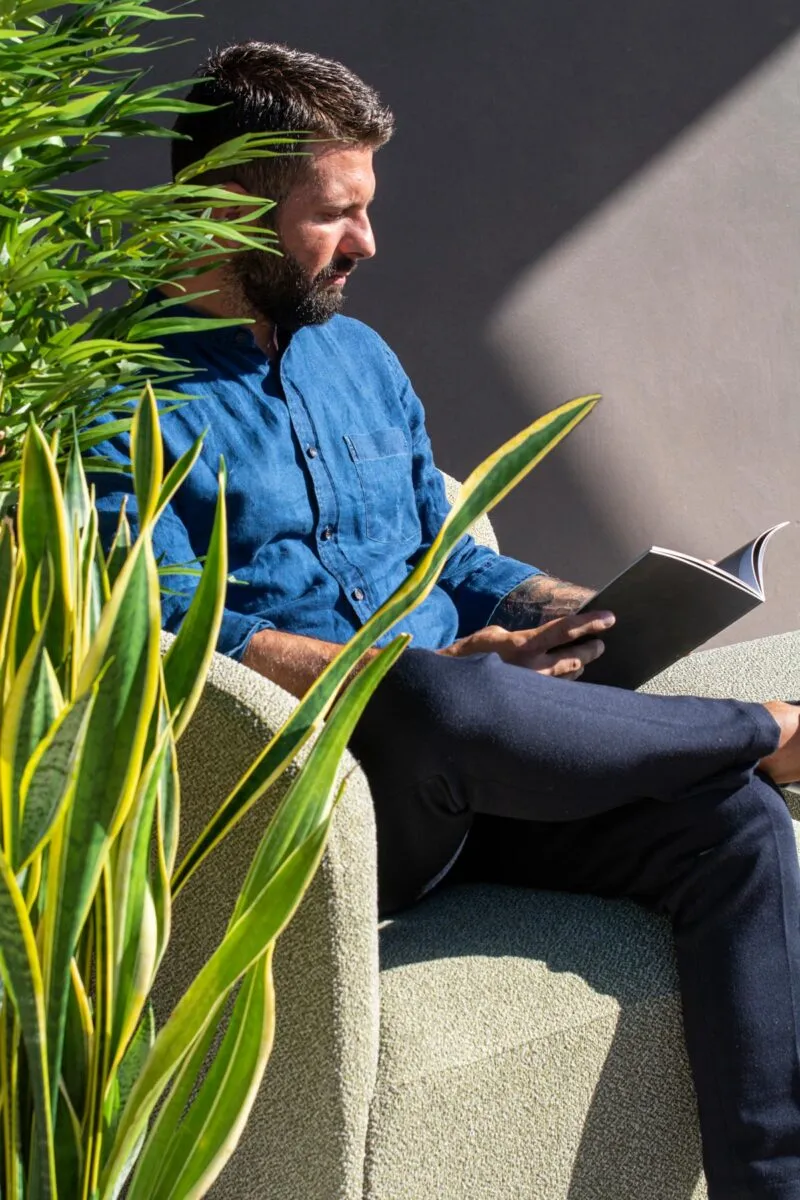
- Integrated greenery: Incorporating plants improves air quality and creates a dynamic, regenerative atmosphere that conveys vitality.
Frezza solutions for biophilic interior design
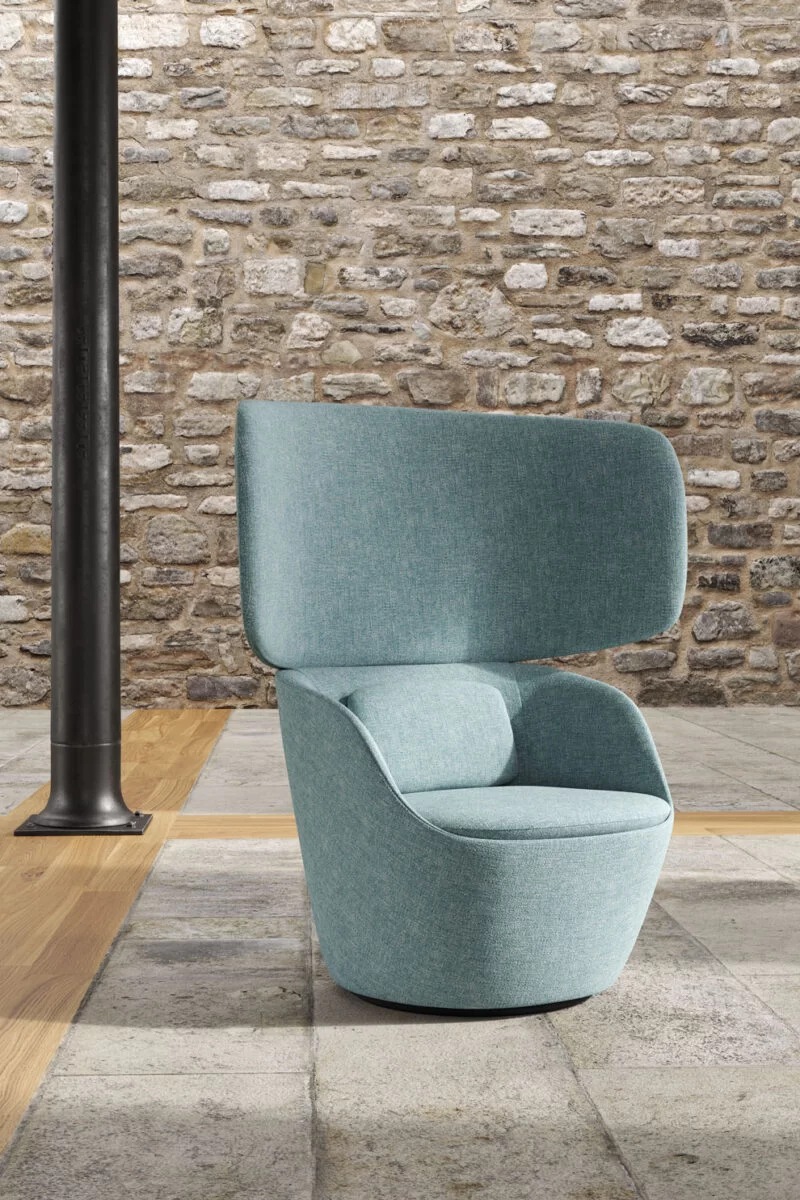
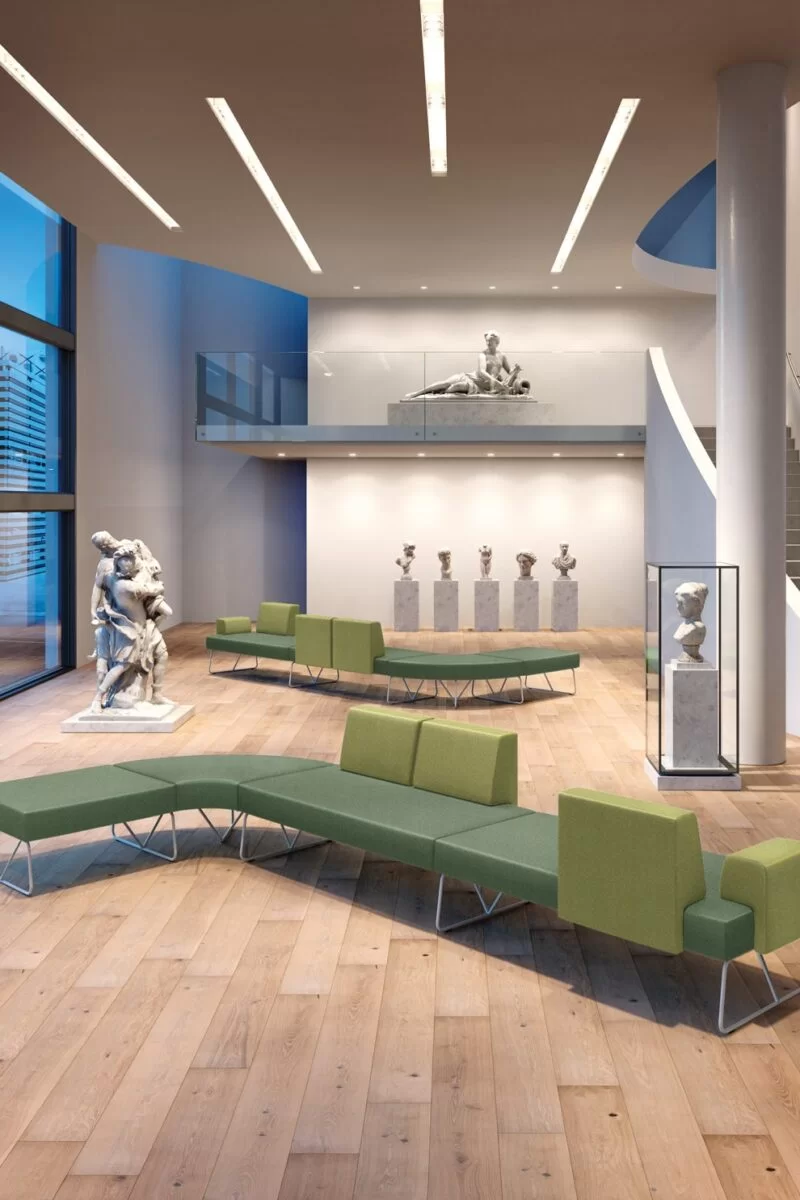
Within this design approach, Frezza translates the principles of biophilic interior design into tangible elements through furnishing solutions that prioritize quality. Attention to surfaces and finishes, research into nature-inspired textures and colour palettes and the use of carefully selected materials make it possible to create elegant, balanced environments aligned with contemporary needs.
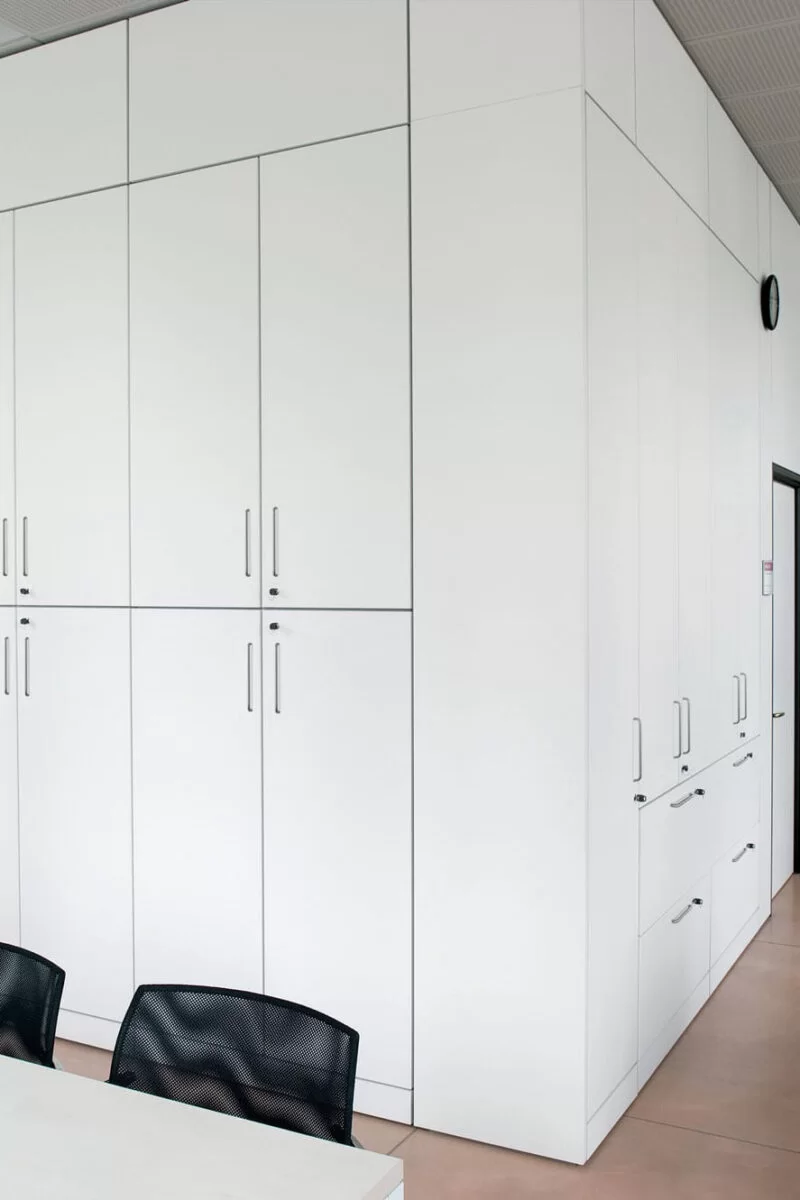
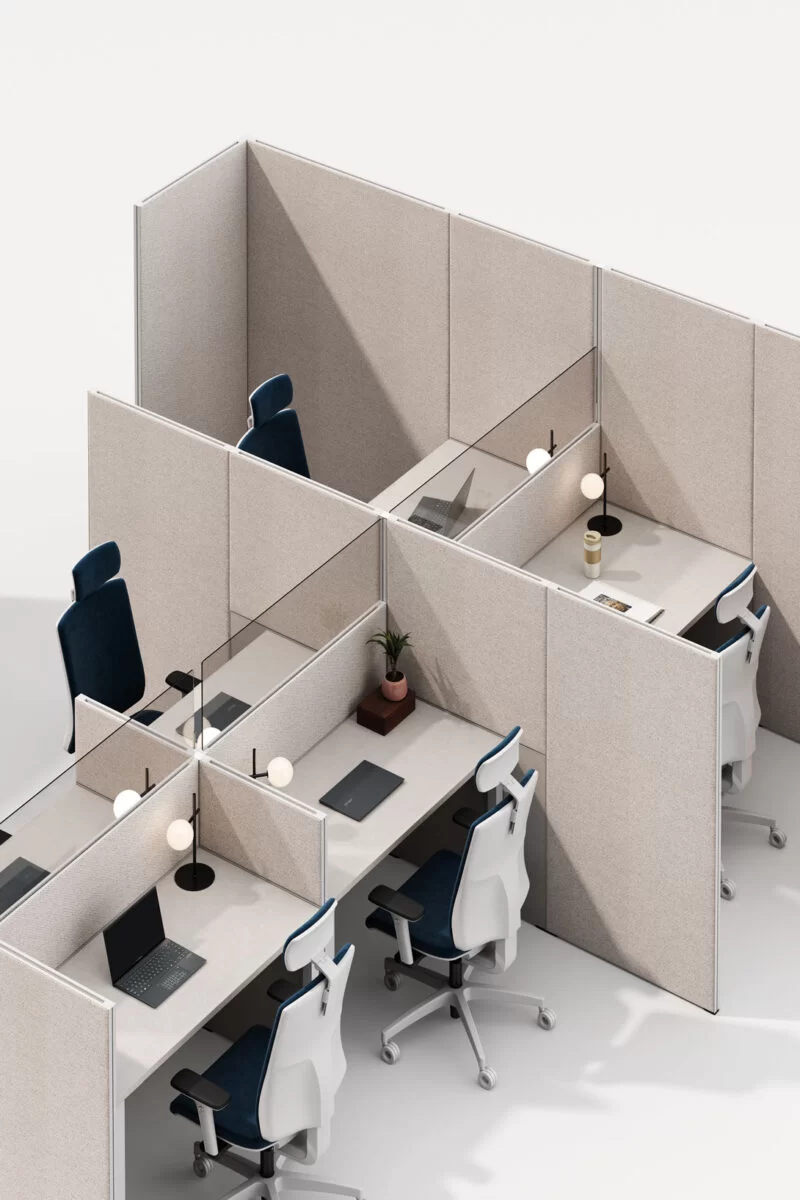
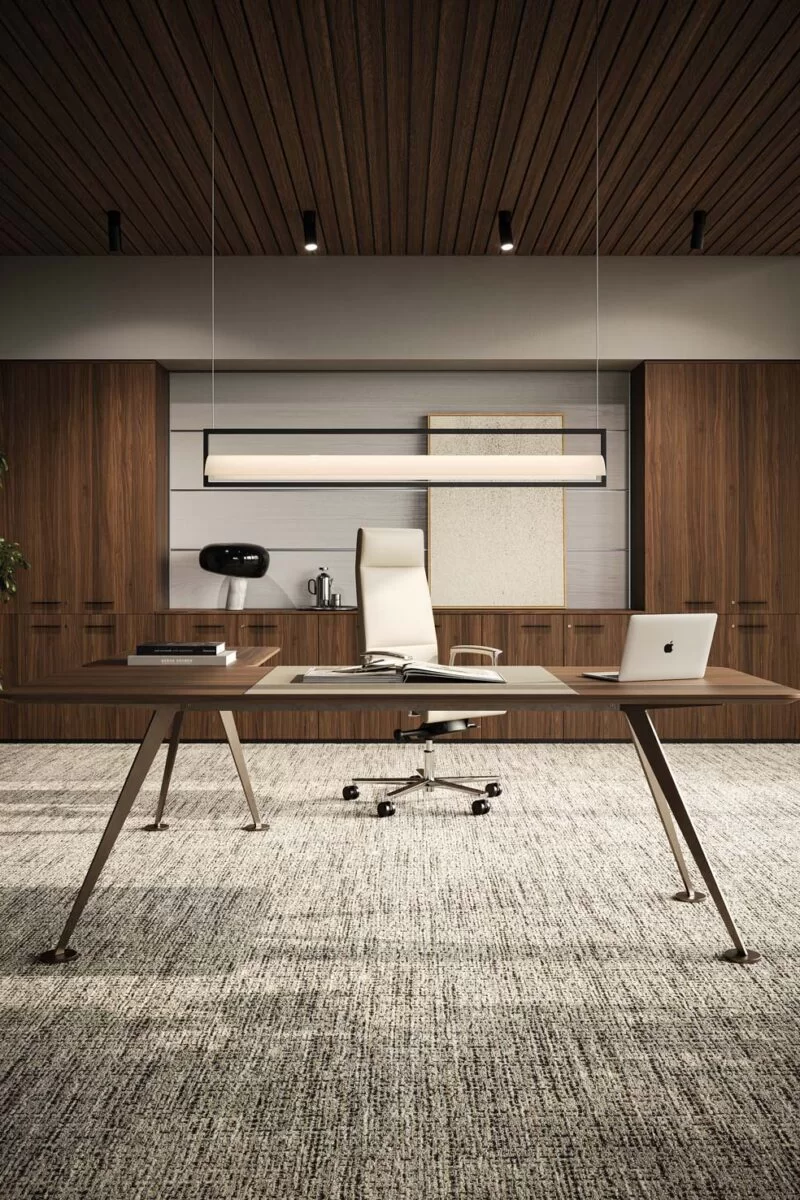
Mux70 desks and storage units
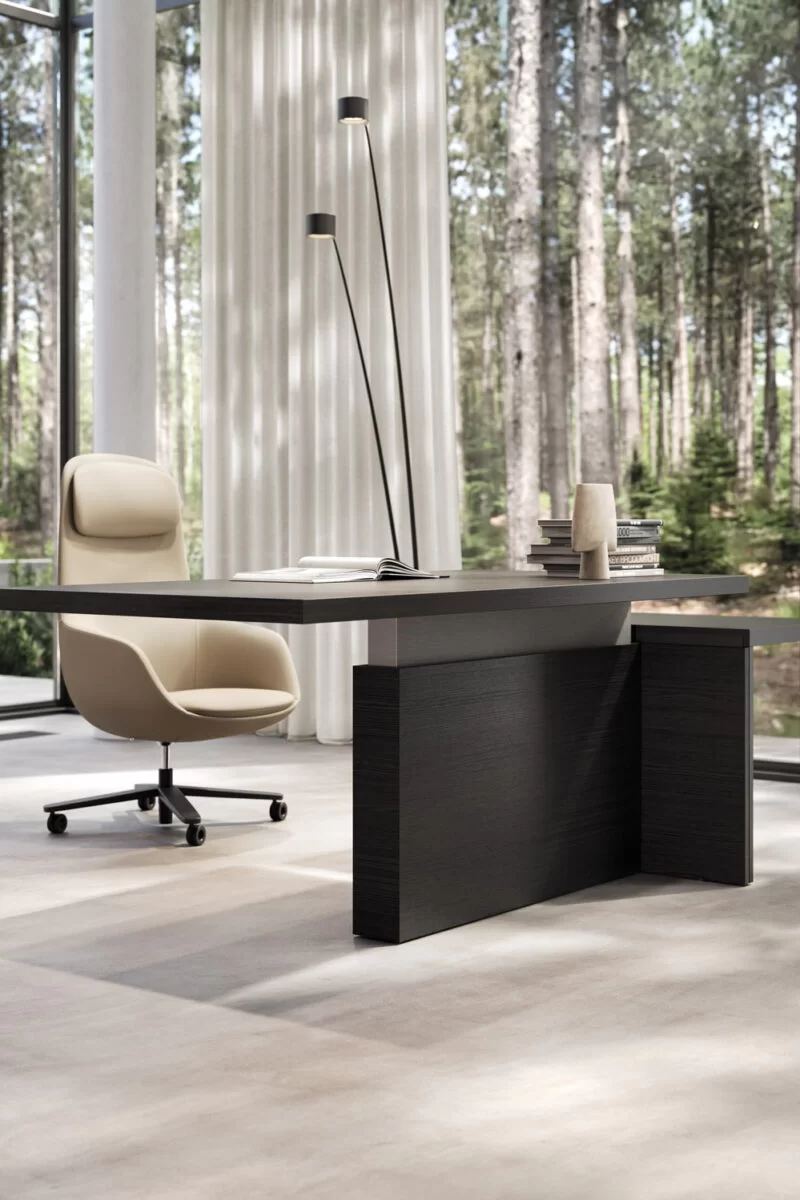
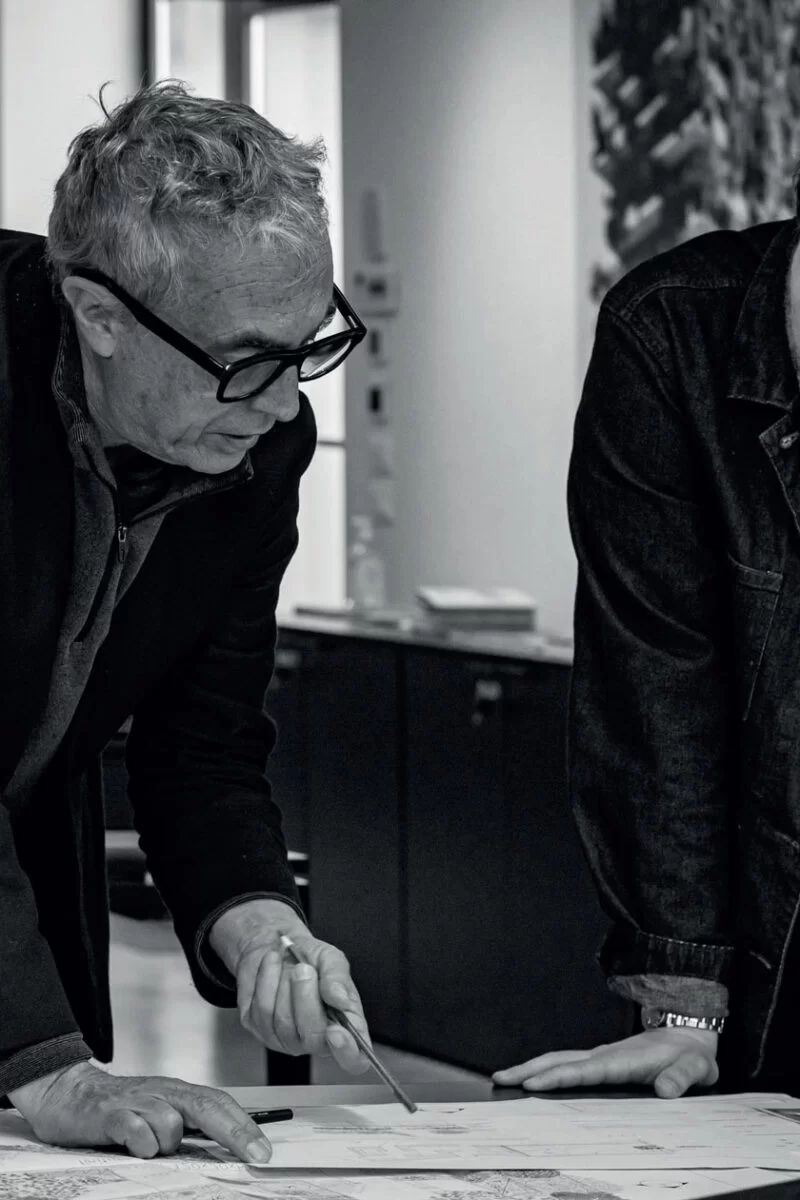
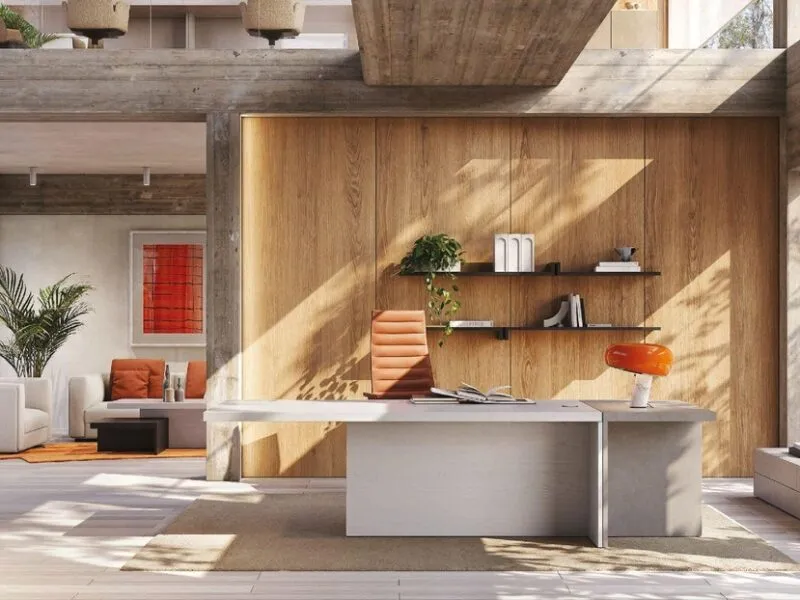
Aligned with this vision is the Mux70 desk, designed by Stefano Boeri Interiors, which interprets biophilic design principles through a careful selection of materials. Available finishes including quartz, wood and Oleomalta introduce an authentic material dimension, delivering a natural yet refined aesthetic. Oleomalta, in particular, is an innovative material distinguished by its low environmental impact production and antibacterial properties, making it a natural air purifier.
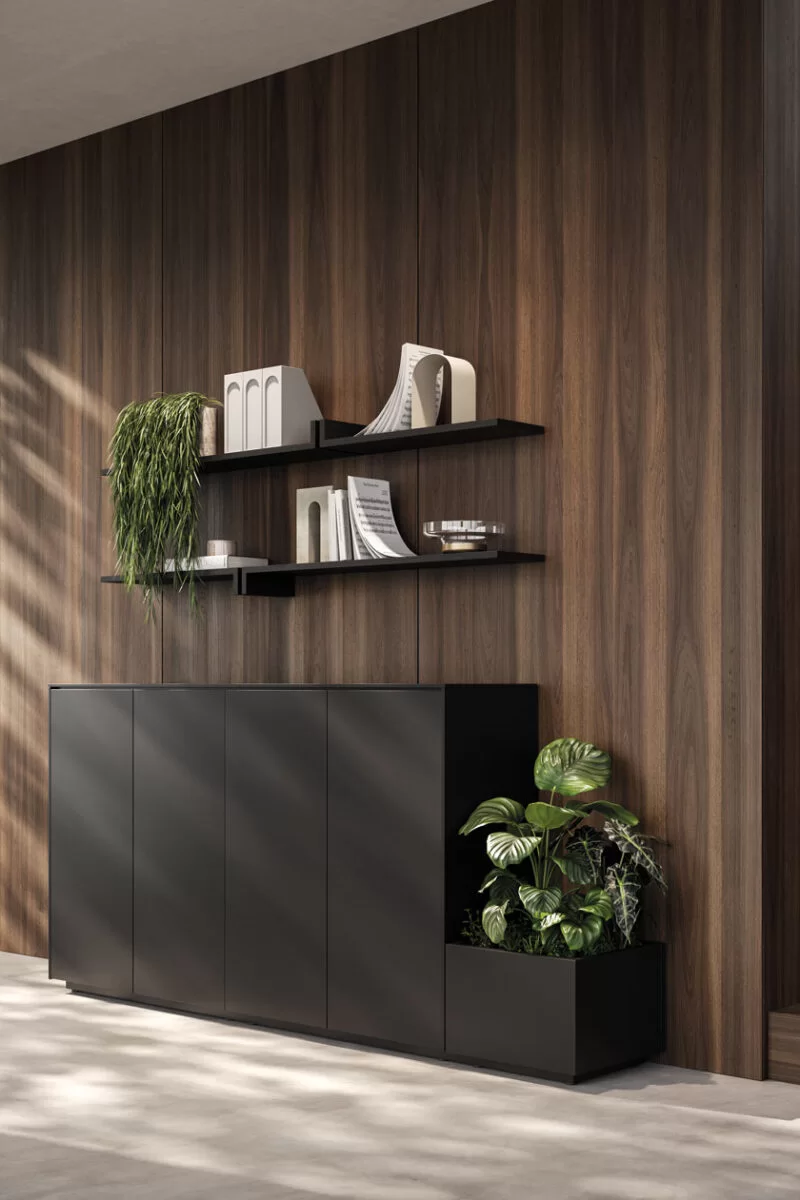
Especially noteworthy within the collection are solutions that enable the direct integration of natural elements, such as the Mux70 sideboard with an integrated side planter. This feature allows for the addition of greenery within the space, resulting in a furnishing system capable of transforming enclosed environments into welcoming, refined and sensorially rich places.
Sabree tables and coffee tables and Lash chair
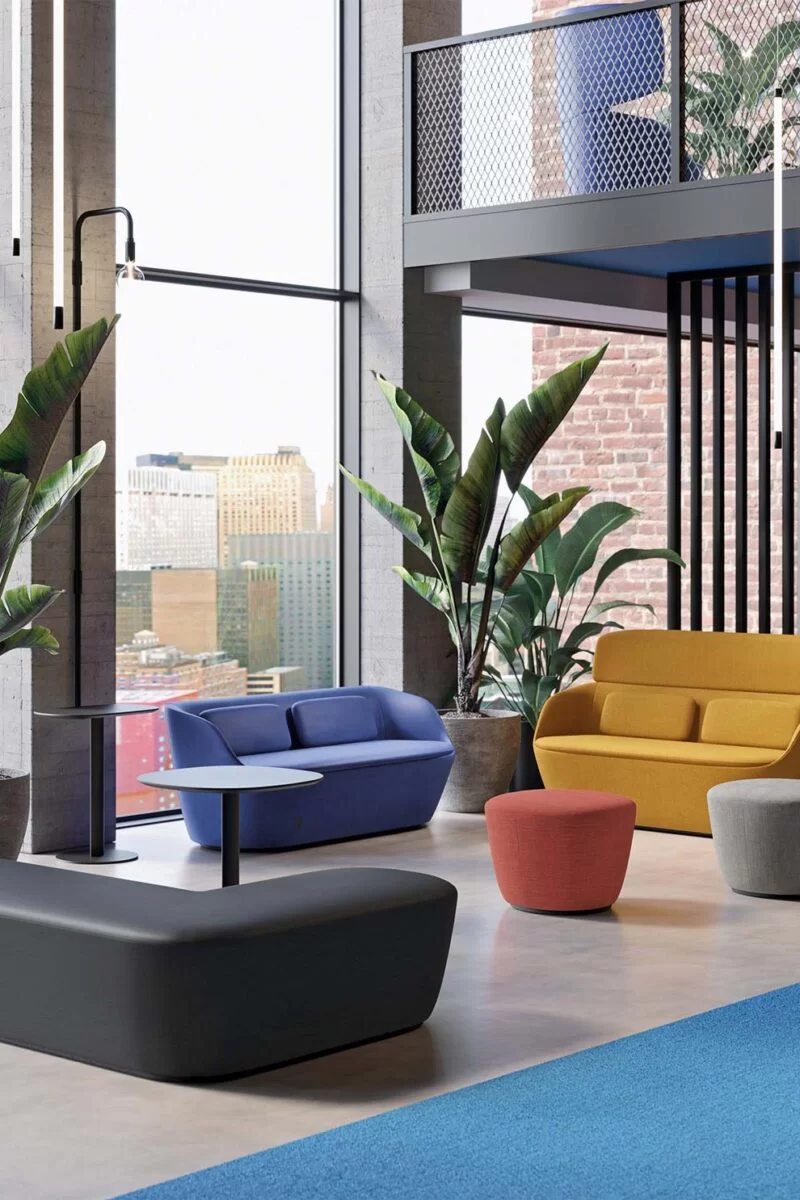
A similarly coherent dialogue with the principles of biophilic interior design is expressed in the Sabree and Lash collections, designed by Monica Armani. These products stand out for a design language that evokes a domestic dimension and a warm, reassuring colour palette.
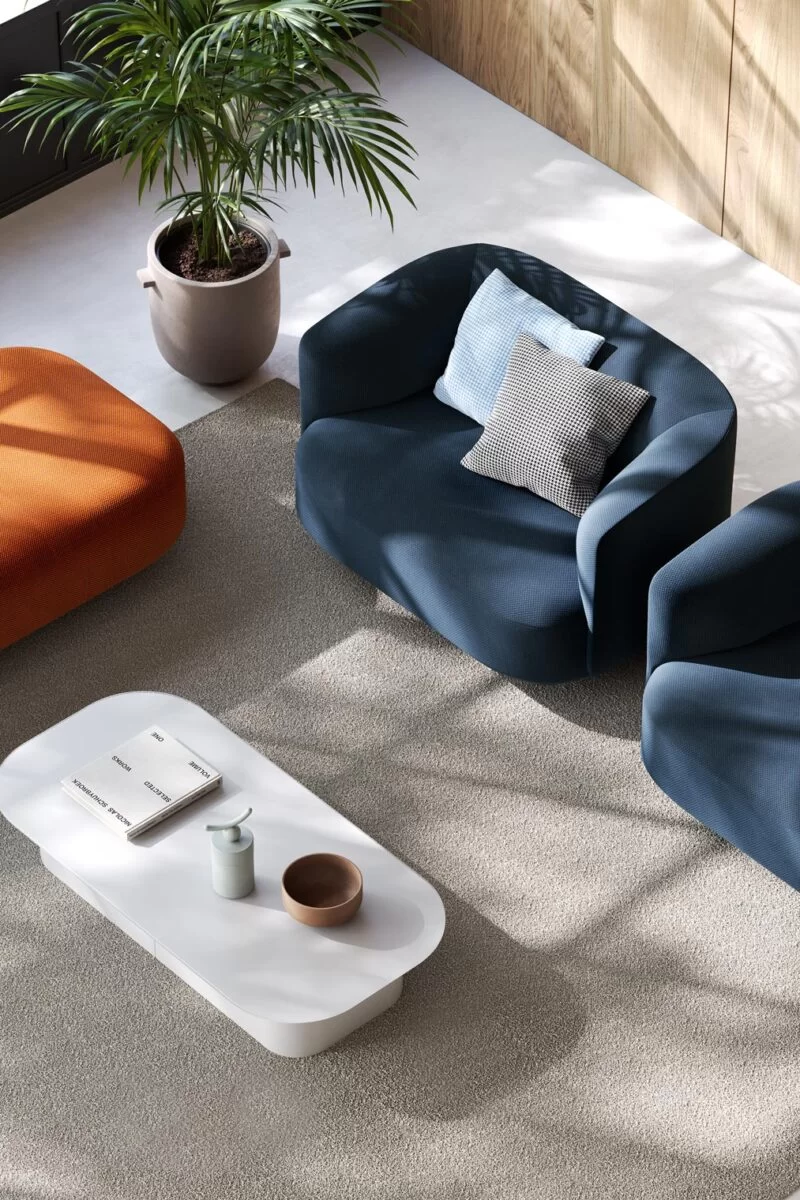
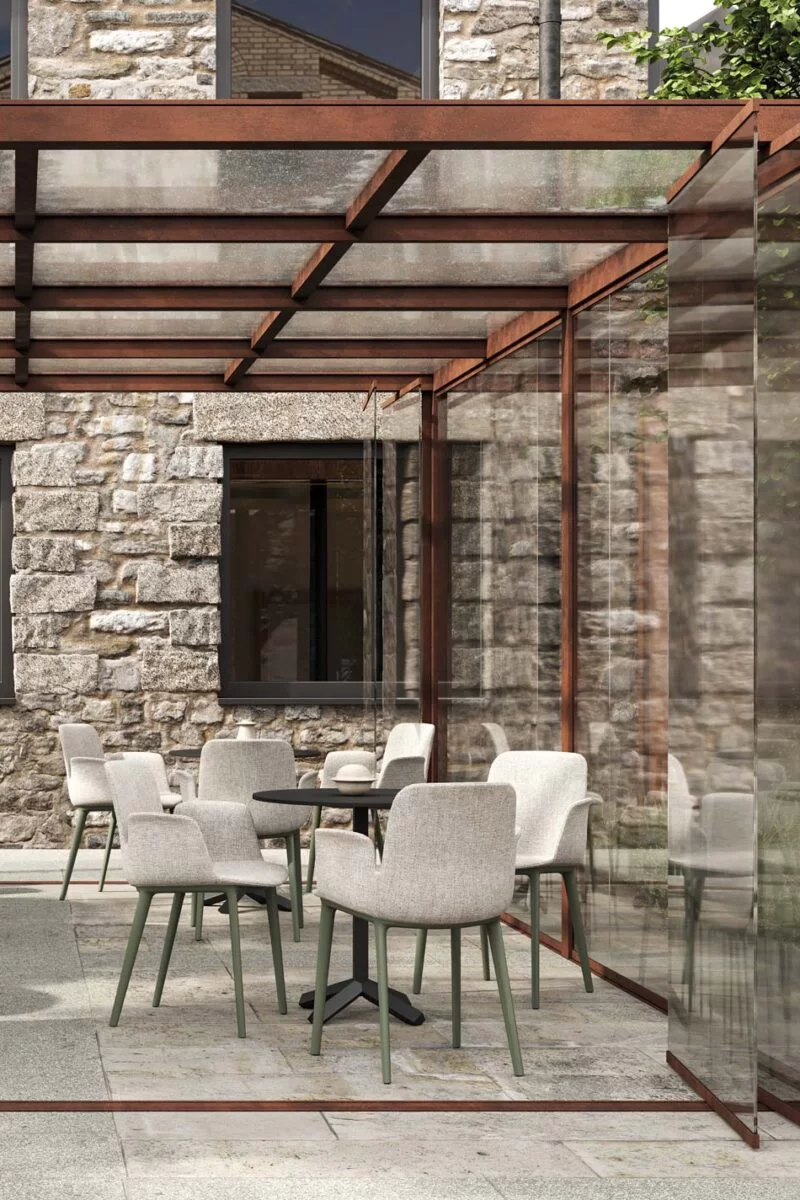
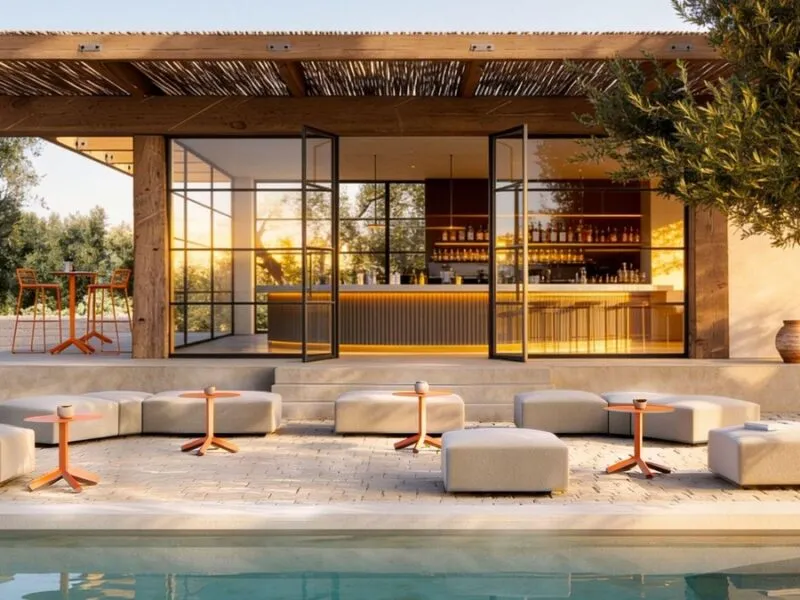
With a strong yet harmonious presence, Sabree tables become the focal point of social interaction: true centres of gravity within a space. They are characterized by sculptural bases with a soft, undulating and tactile rhythm. The variety of finishes and materials for the tabletop, including wood, allows for a wide range of expression, from bold statements to more understated and essential interpretations. The same aesthetic is reflected in the Sabree coffee tables, which translate this formal language into a more compact and versatile scale. Available in two heights, they enable dynamic compositions and material combinations, ideal for enhancing any environment with a refined and discreet presence, naturally complementing sofas in waiting areas and other public and residential spaces within the collection.
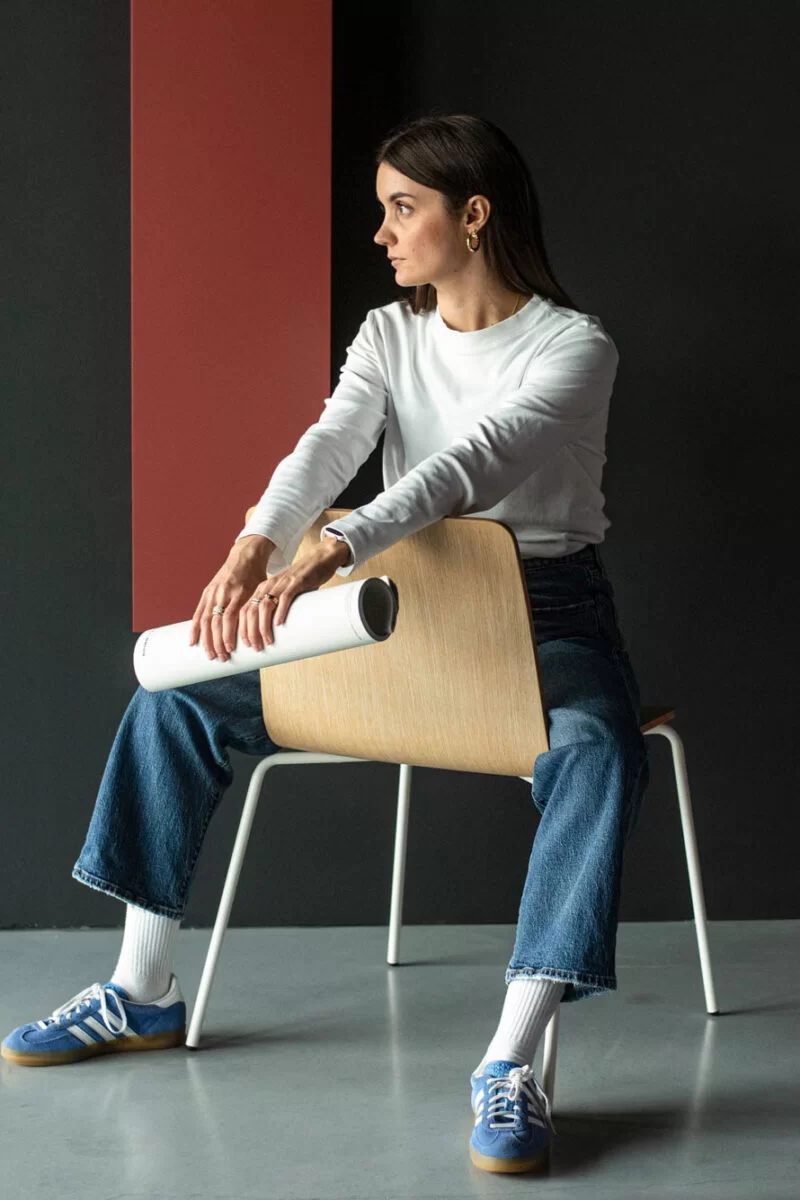
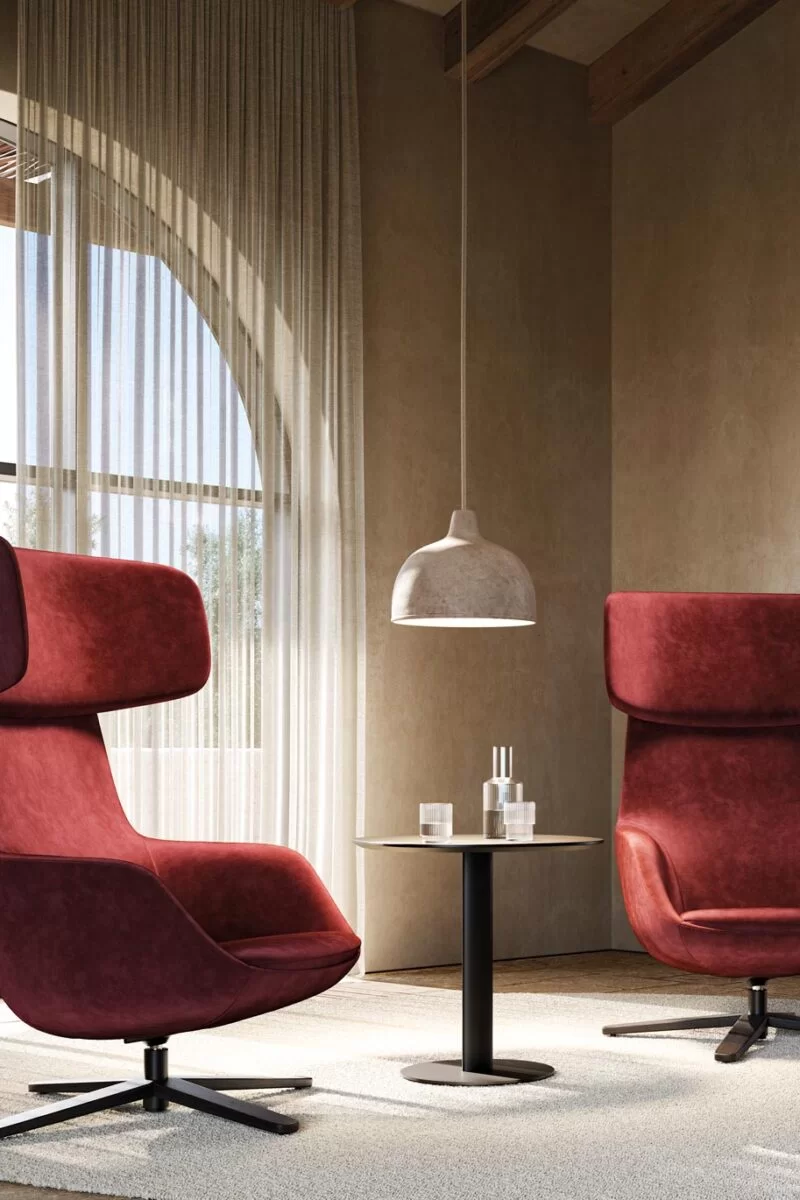
Completing the offering, the Lash seating introduces a more intimate dimension to the space. Crafted from solid wood, it features a backrest with soft, enveloping lines that promote a relaxed and comfortable posture. Also available in a more generously sized lounge version, Lash helps define welcoming and balanced environments, where design becomes a tool for supporting everyday well-being.
Contemporary spaces require a design approach capable of combining aesthetics, functionality and well-being.
 Read all





 Back to top