












 News
News
 8th November 2019

Working from home isn't so bad, whether you're a freelancer or enjoying the perks of a flexible working arrangement.
You get to avoid a lot of the downsides of office life, like battling traffic on your way to work, or the noise associated with an open-plan office. Along with all the pros, though, there are some cons. And more often than not, they all come down to the same error: not having a dedicated work space in your home.
As it happens, designing the perfect home office isn't as straightforward as it might seem.
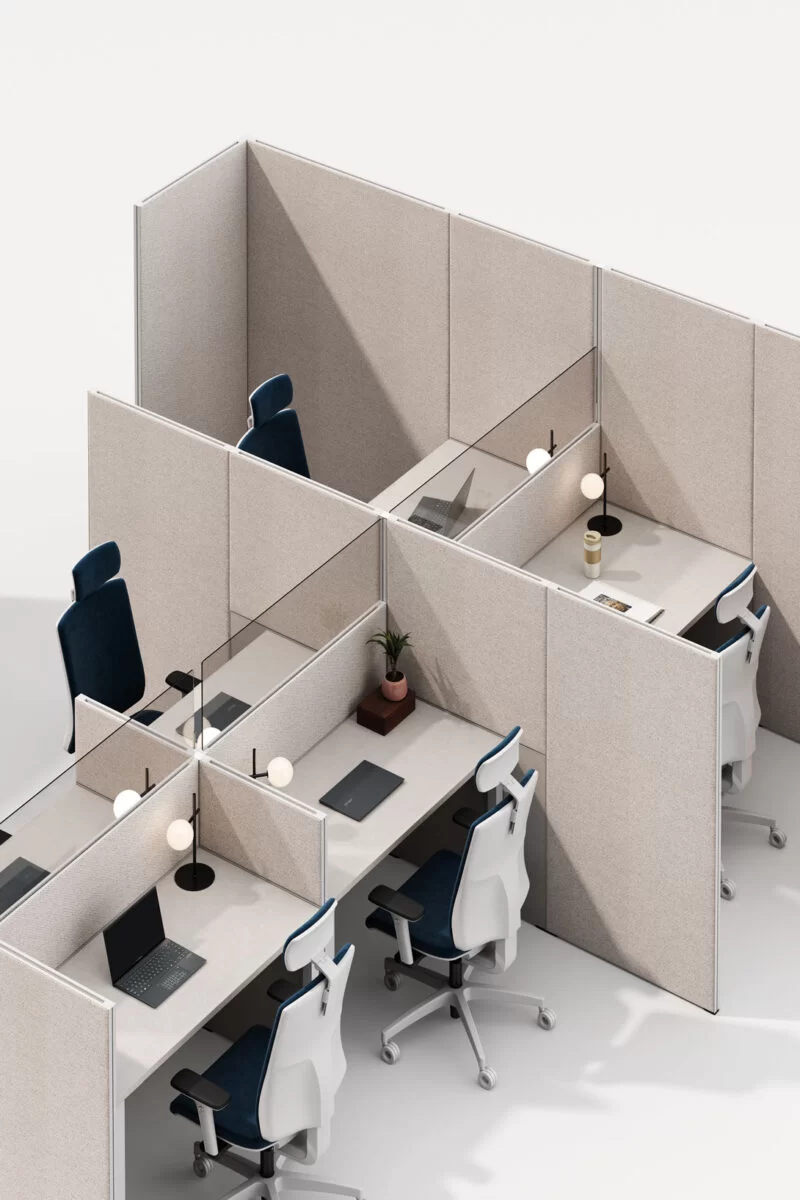
One vital factor, in order to be proactive and create separation between your work and home life, is to set up an area of the home as a designated work space.

Space, routine and light: key considerations
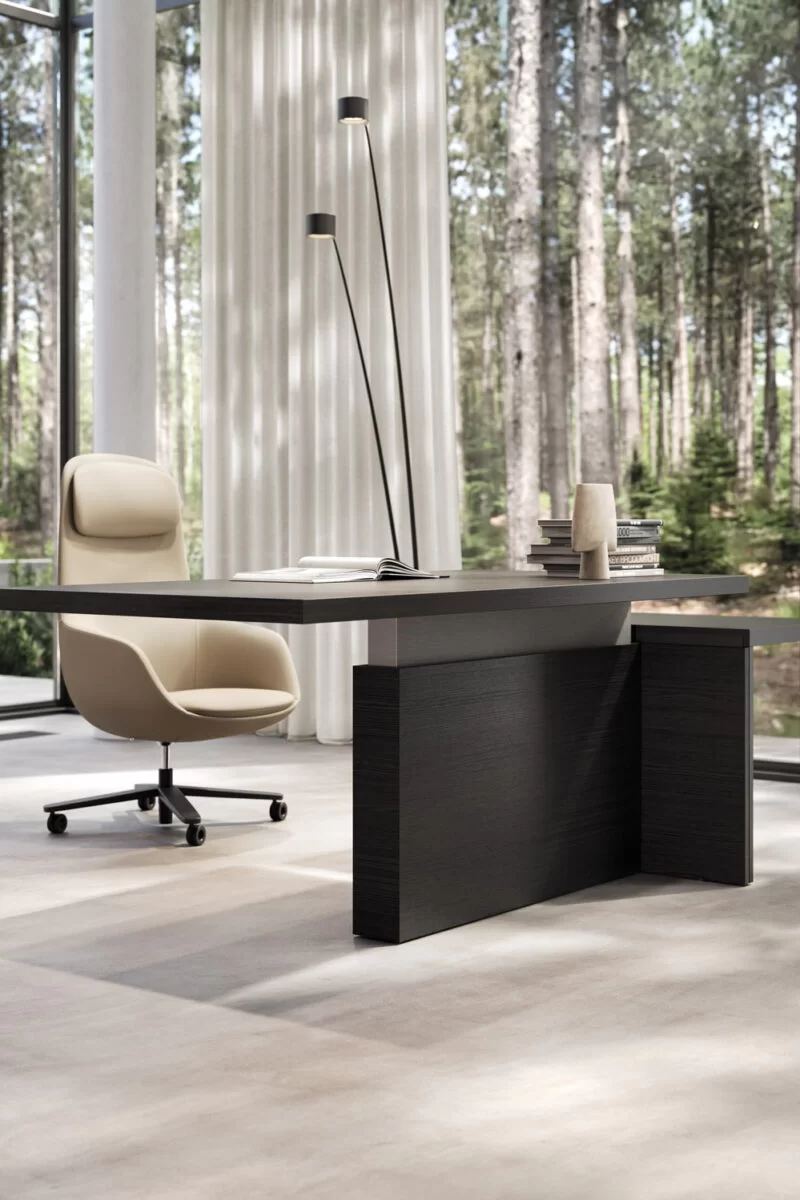
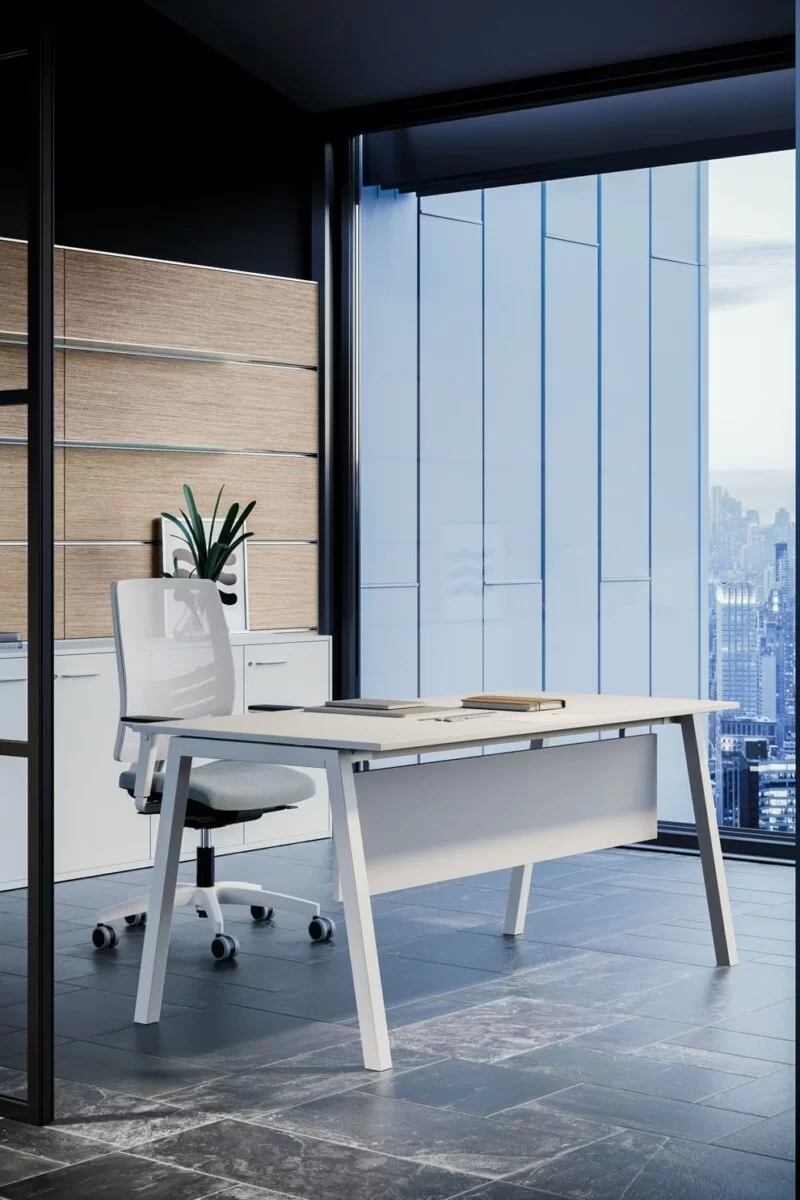
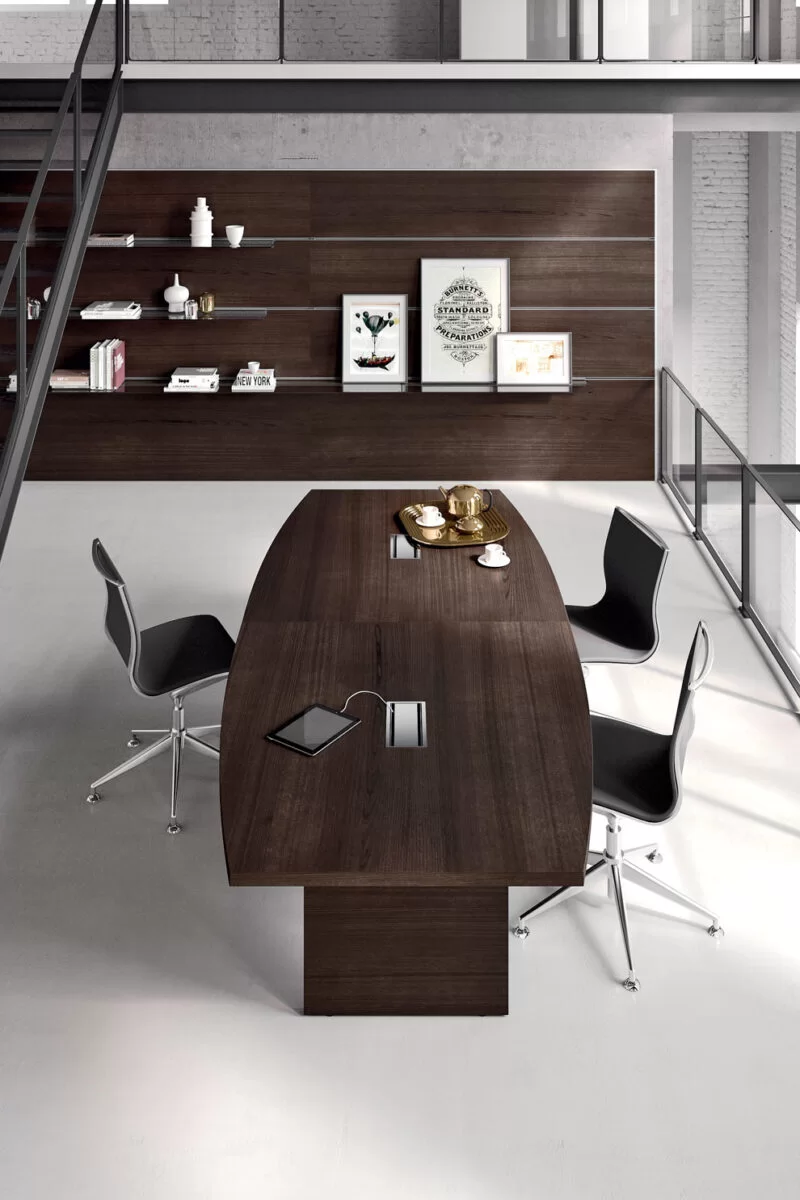
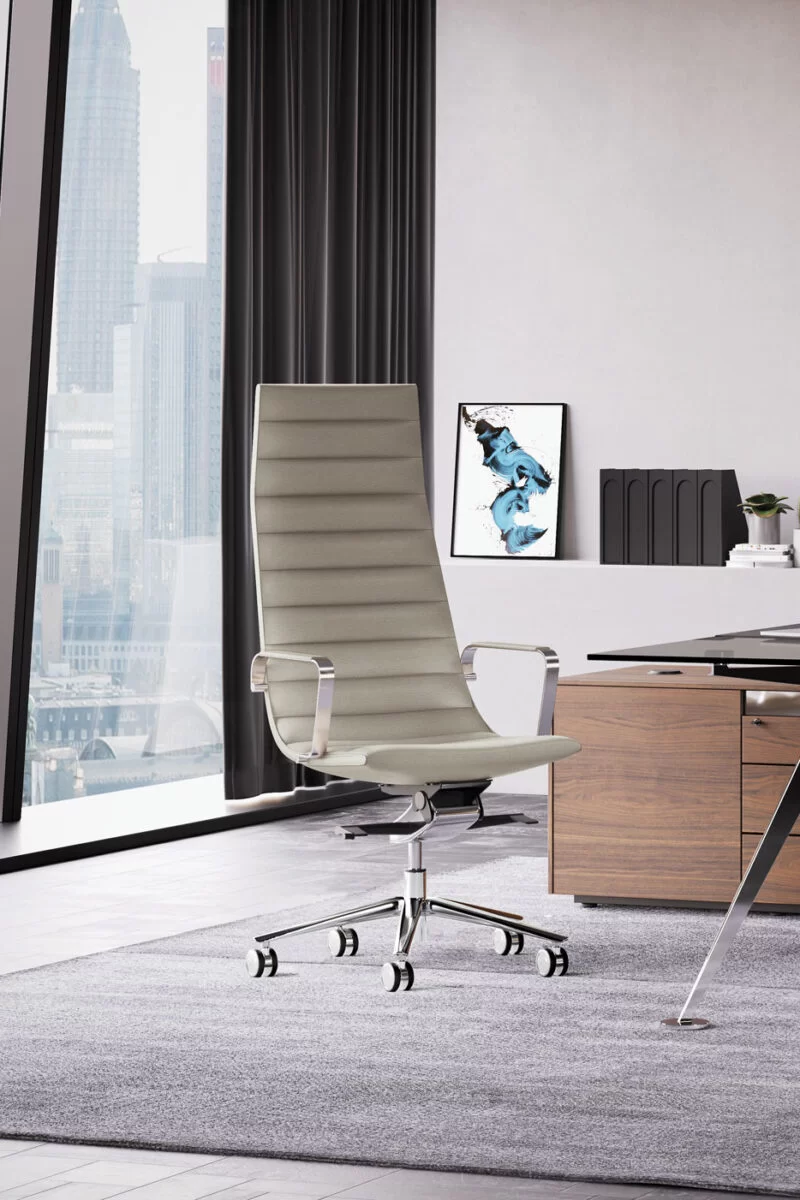
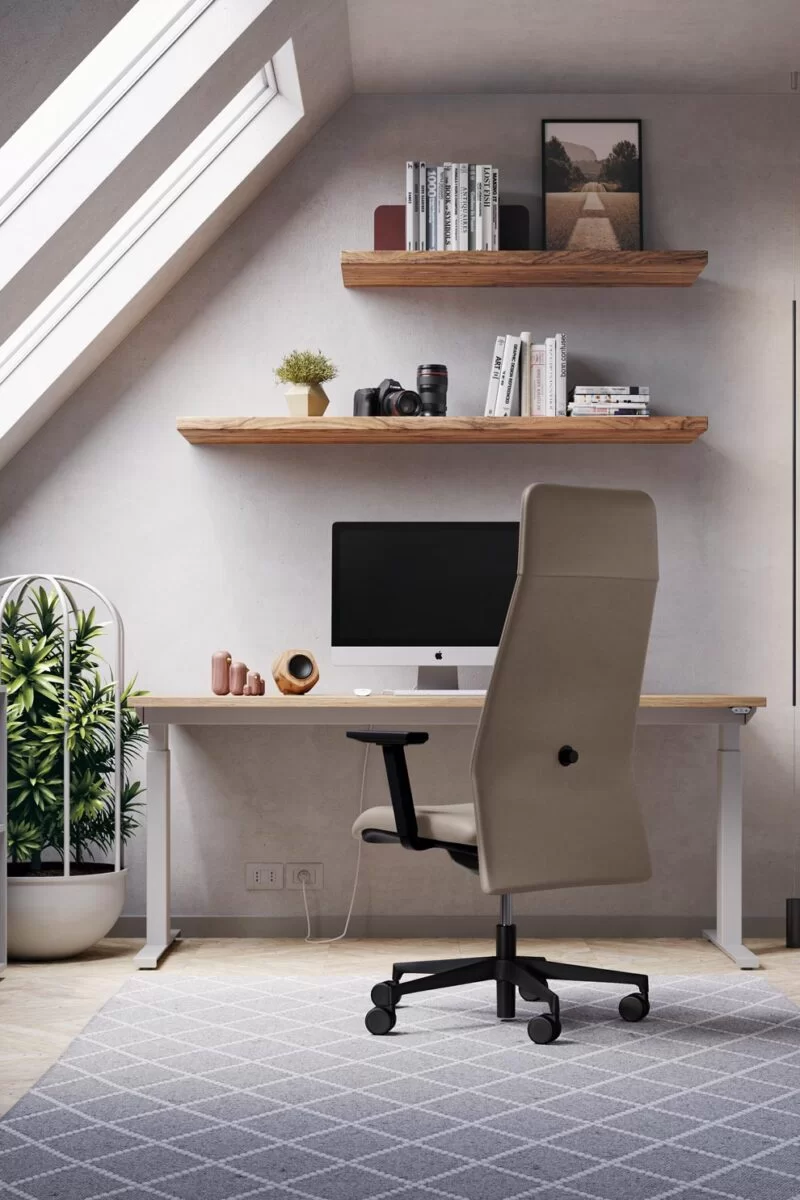
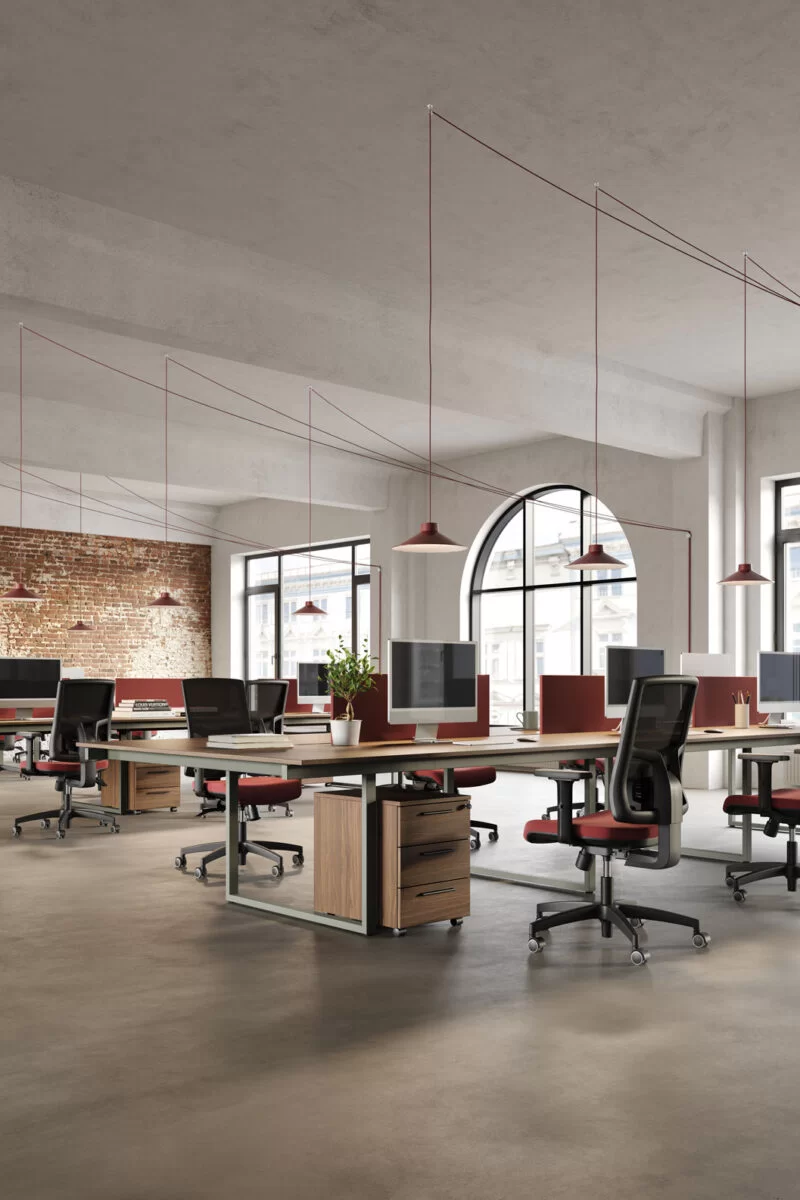
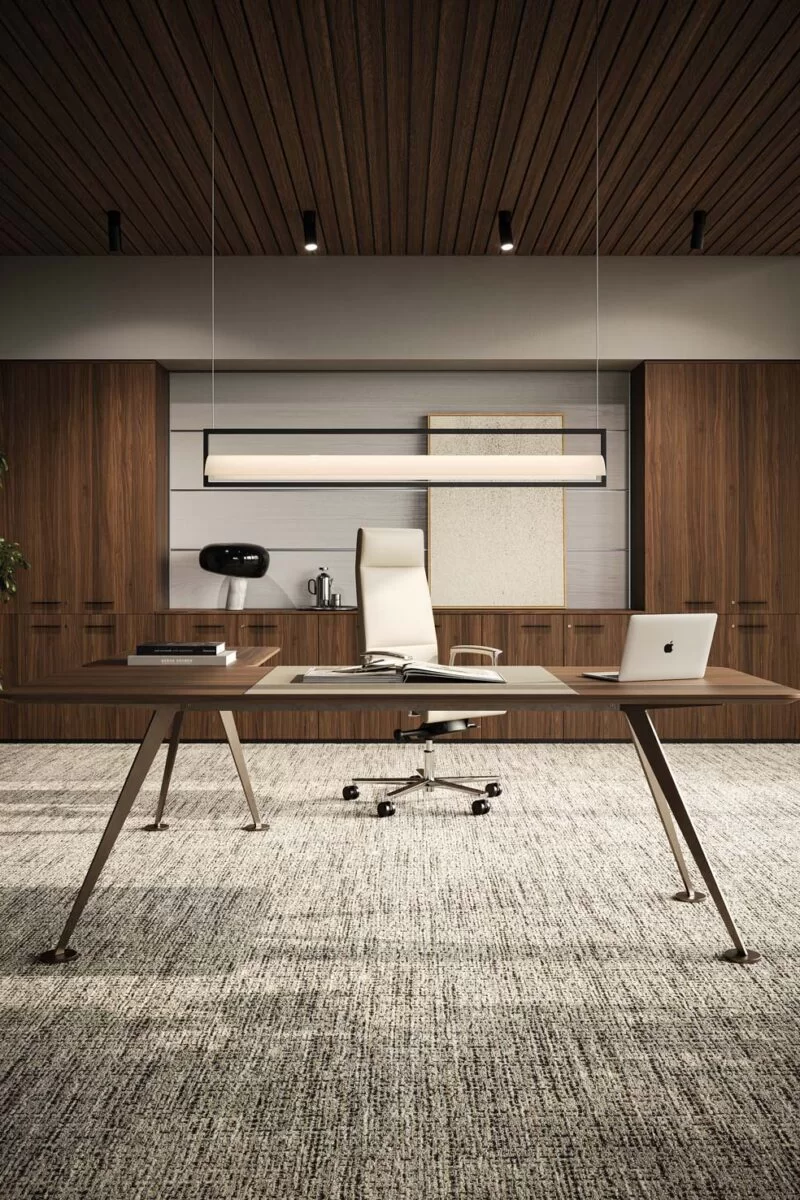
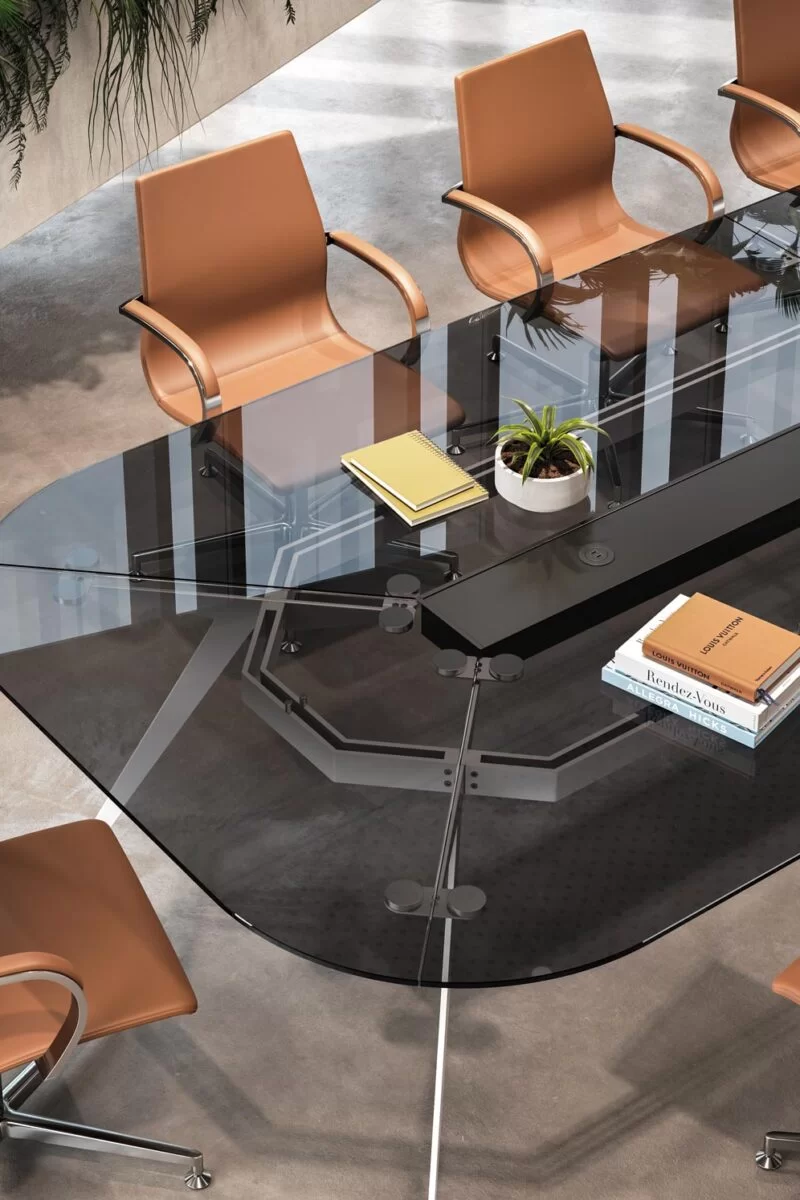
How much space do you have to play with? This is the first question you need to ask yourself. Second, think about your work routine and preferences. Your home office (unlike a workstation on company premises) should be designed entirely around your needs. Do you like to spread out your papers when you work? Choose a small meeting table. Do you work both sitting down and standing up? Choose a sit-stand desk. Do you want to create a hyper-organized workstation? Go for a flexible model, something you can customize with accessories to suit your personal needs. It's only once you've found efficient solutions to all your functional requirements that we get to the design stage. One equally important detail that's not to be overlooked, then, is the light, which will help determine where your desk should go. Do you have a massive window? Great, design the space so that your workspace benefits from as much natural light as possible, but be careful that you won't have glare reflecting off your computer screen. You'll also end up saving energy! If, on the other hand, the area's quite dark, choose lighting that won't tire your eyes (LED lighting is preferable), and design the layout so your retinas won't be screaming at you after an hour's work.

 Read all






 Back to top