








 News
News
 3rd August 2023

In recent years, the world has changed. The way we work, the place where we physically carry out our daily activities, the layout and choice of office furniture have all changed. More and more people have chosen to become digital nomads, while others would never return to a fully remote job.
Above all, the last four years have transformed us psychologically: more and more studies have shown how the succession of different lockdowns has negatively affected our openness towards others and our empathy, making us increasingly introverted and reserved.
On the other hand man is constantly changing, and events of this kind can only speed up the process.
Workspaces must monitor and facilitate these changes, acting as a true Design for evolving humans. But what does this mean in 2023?
Office, variety and home air
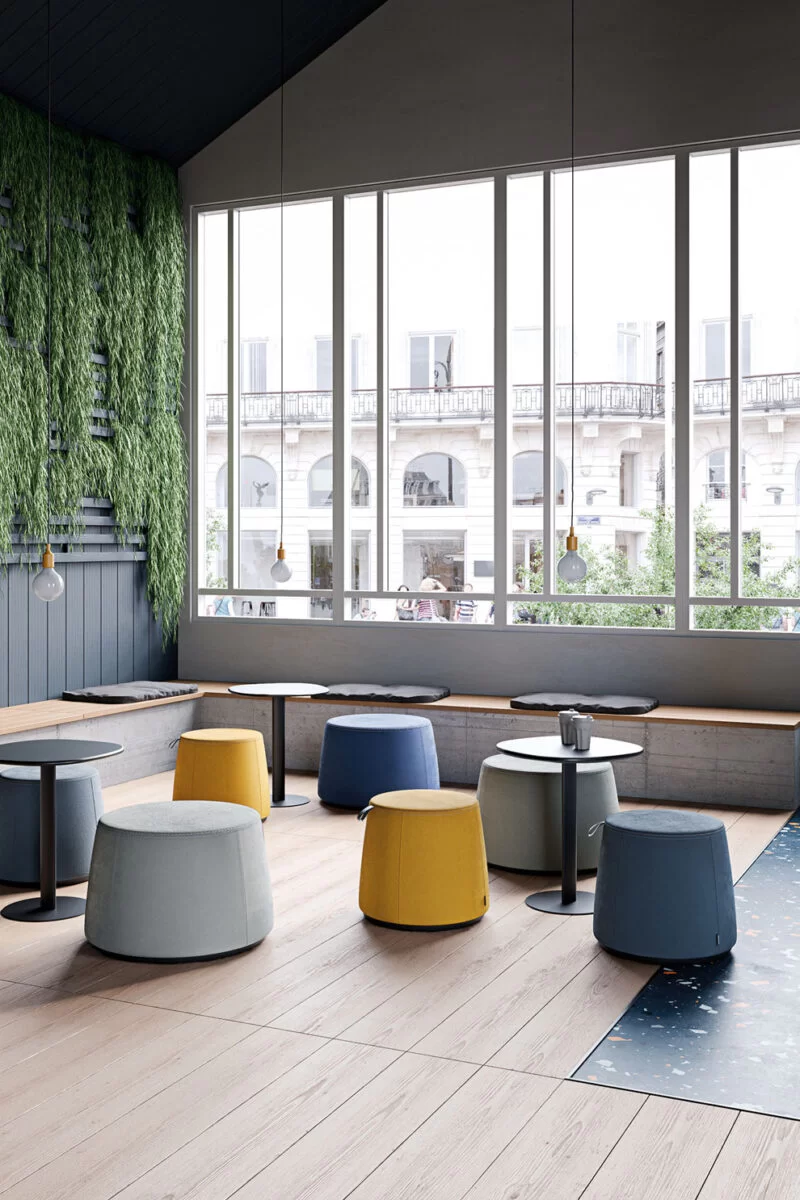
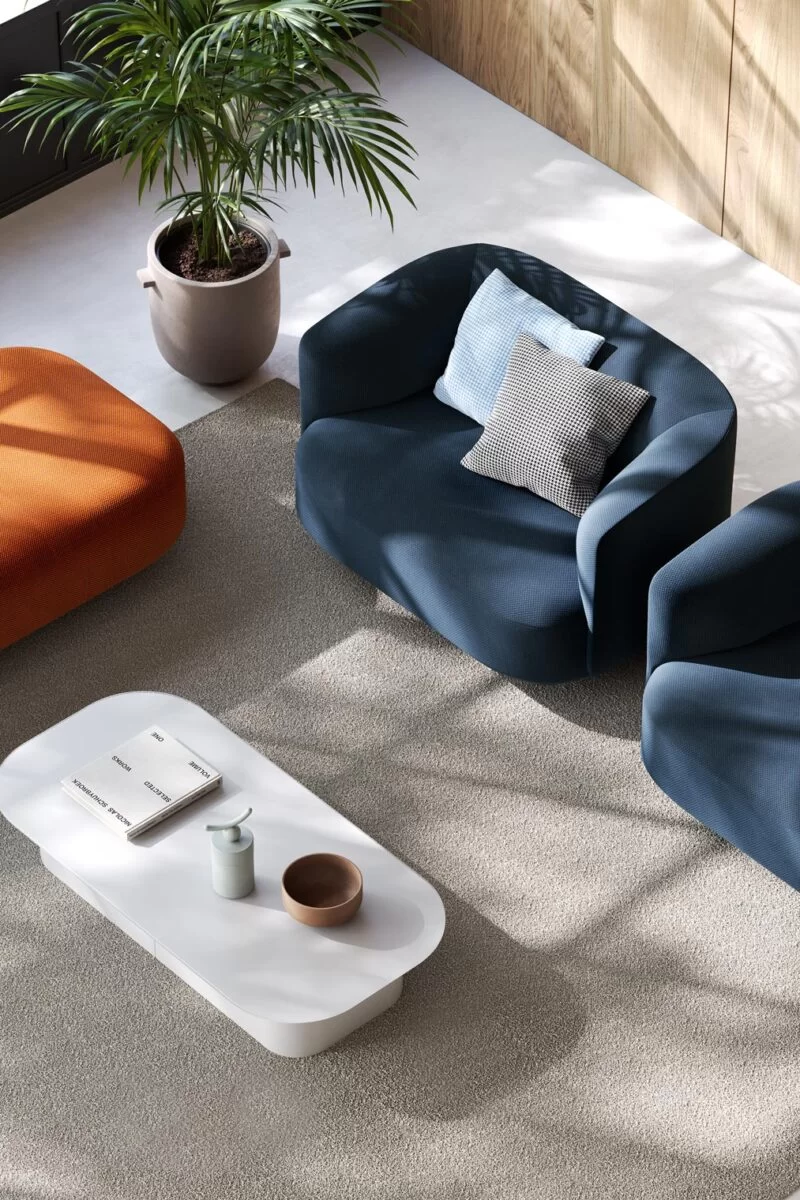
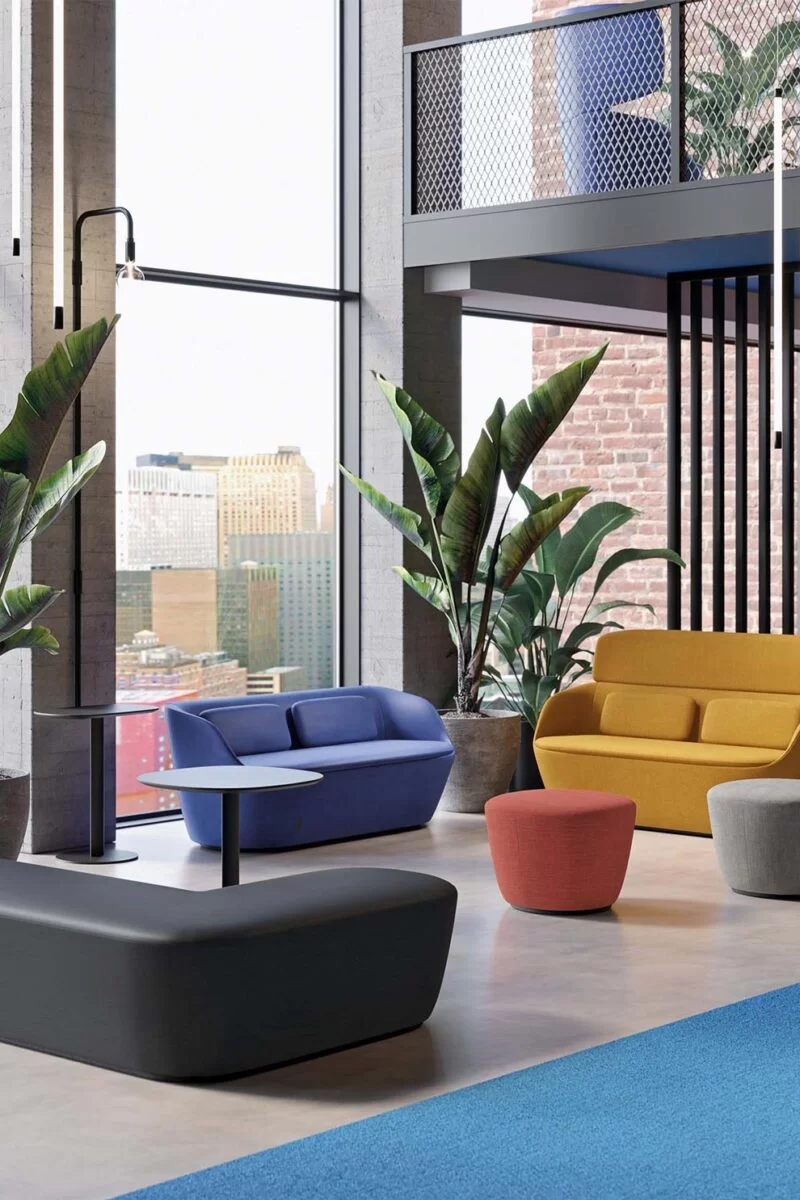
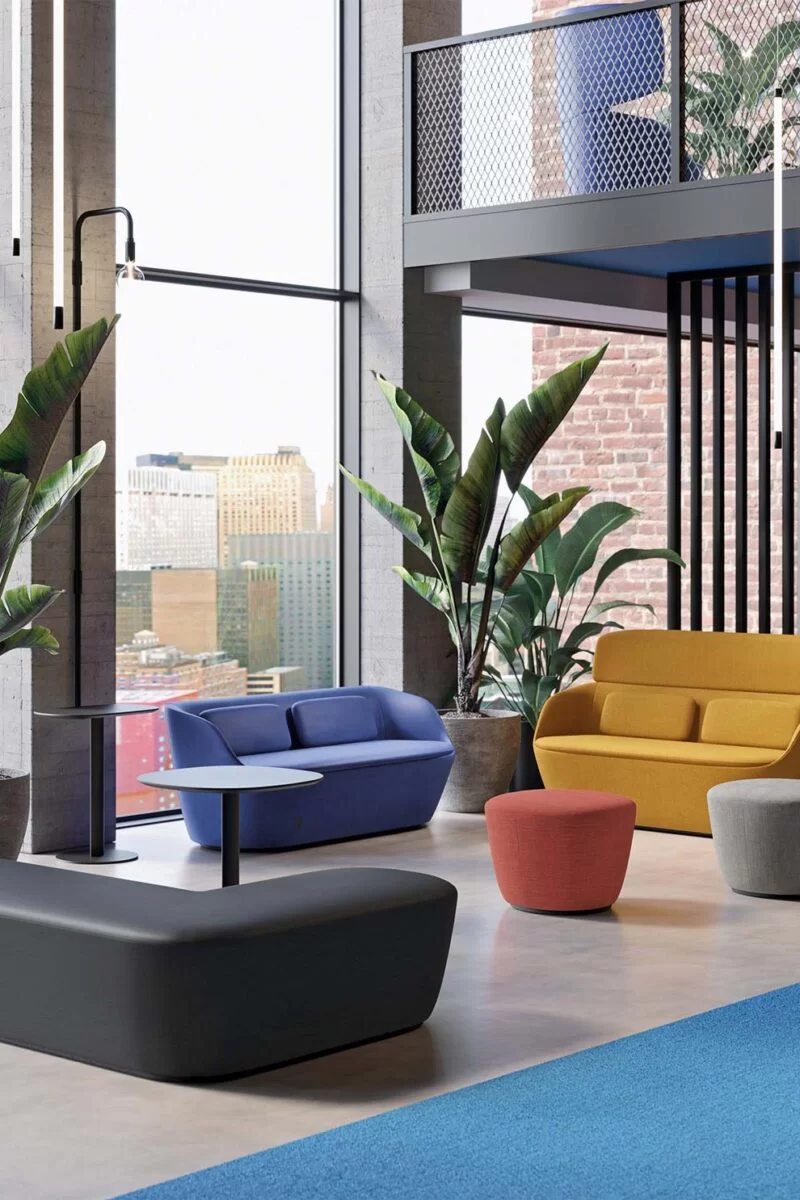
Three years have now passed since we first talked about the third place, and more than thirty have gone since the term was coined. This almost ethereal space sits in a limbo between office presence and remote work and between working hours and break time: it can be a work café, a lounge area or any collective space dedicated to socialising.
Its main characteristic is to be community-centred, making people feel part of a group and allowing them to spend time with colleagues.

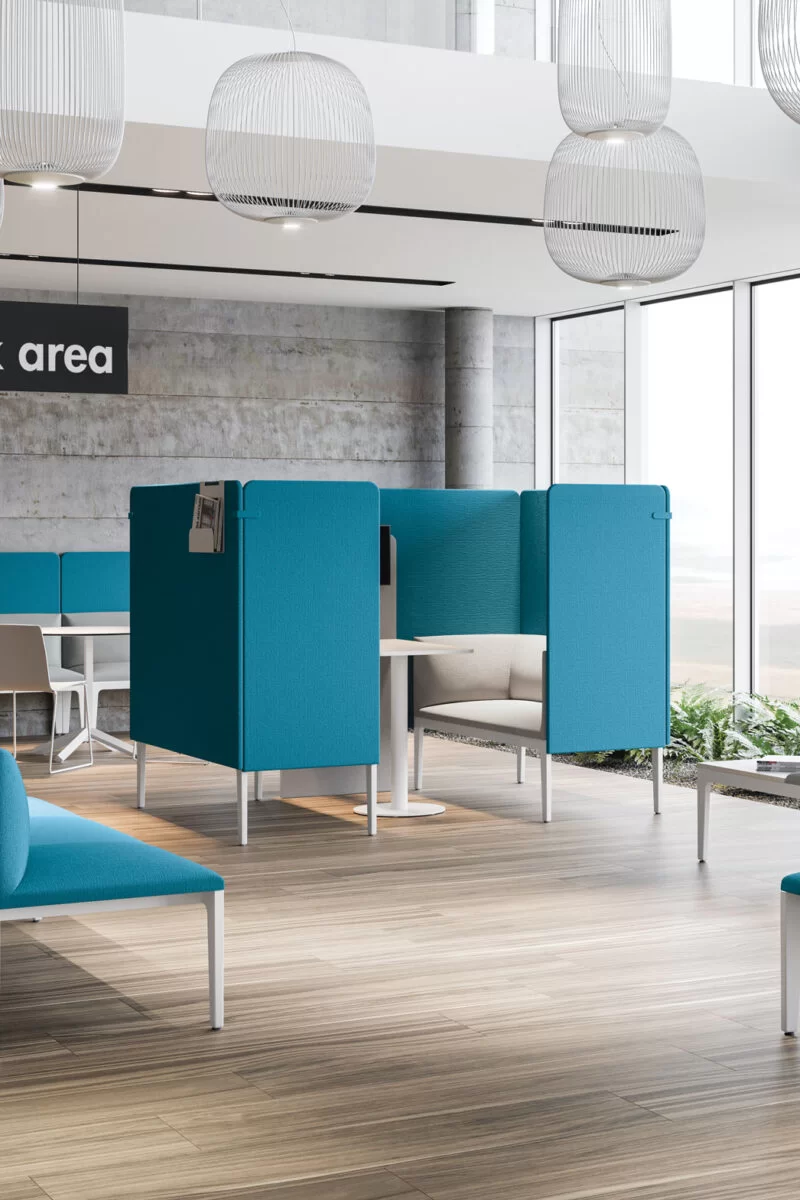
However, as we've already stated before, everyone needs private spaces where they can work in peace and quiet and without interference from others.
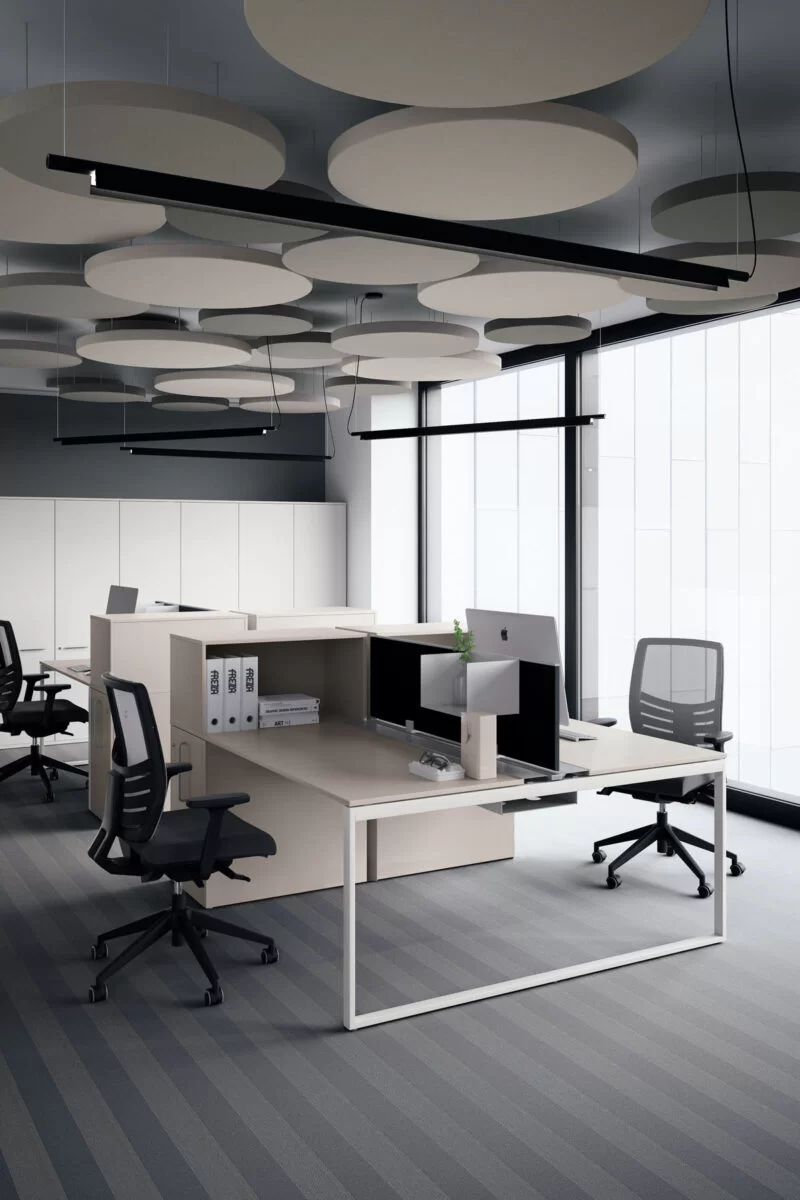
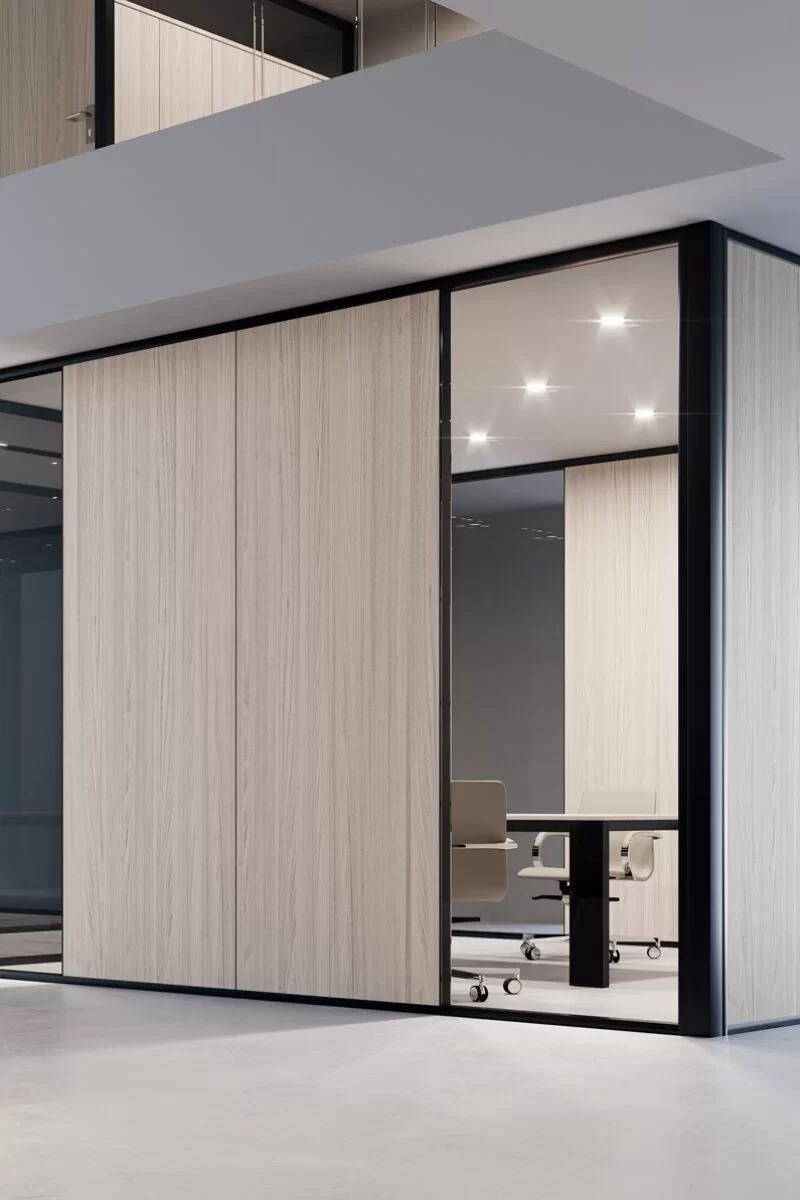
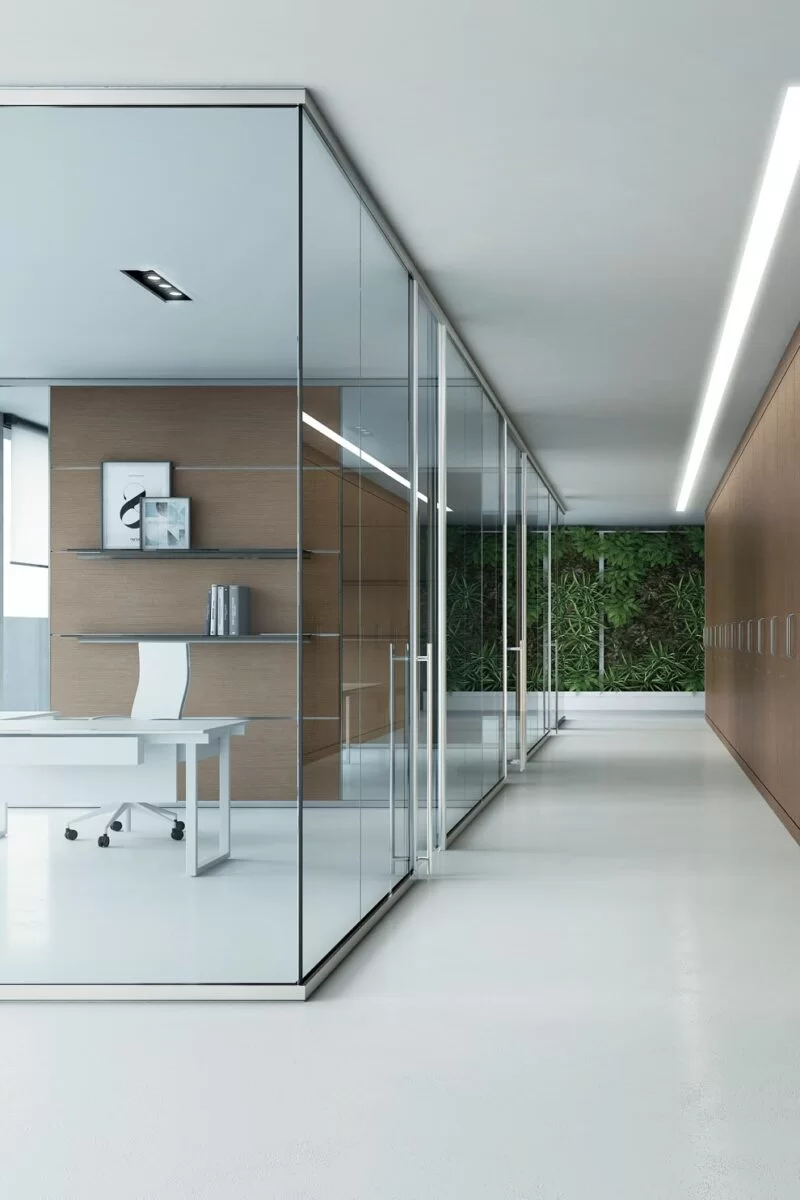
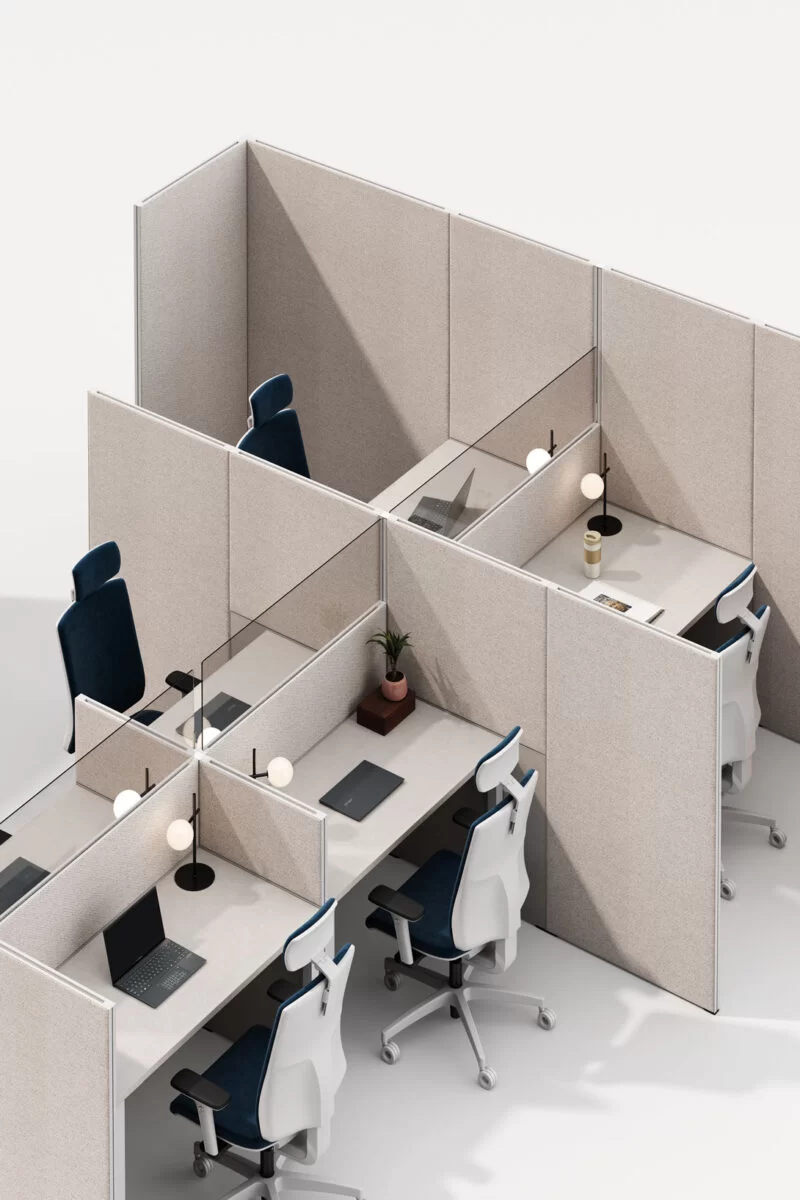
It's easy to see how impossible it is for a company to provide individual offices for each one of its employees: this is where alternative design solutions come into play, to flexibly divide up office space. Pal System fits right into this category, thanks to its four versions (Pal Room, Pal Spina, Pal 82 and Pal 38) and their modularity.
What if we went a step further?
In the most innovative and budget-conscious offices, as well as in buildings where several companies live together or in coworking spaces, the concept of 'hoteling', which is an approach that was already mentioned in 1998 in the Harvard Business Review, is gaining ground.
Hoteling adopts the principles of the hospitality sector, offering company employees a concierge (also called workplace maître) and the possibility to use spaces and services upon reservation.
Utopia or reality? One thing that is certain is that we're witnessing a radical transformation within the office, which is increasingly moving away from its more traditional standards. The key words are now privacy, community and service: each company must interpret them in its own way, listening to people and anticipating their needs.
 Read all



 Back to top