









 News
News
 10th February 2022

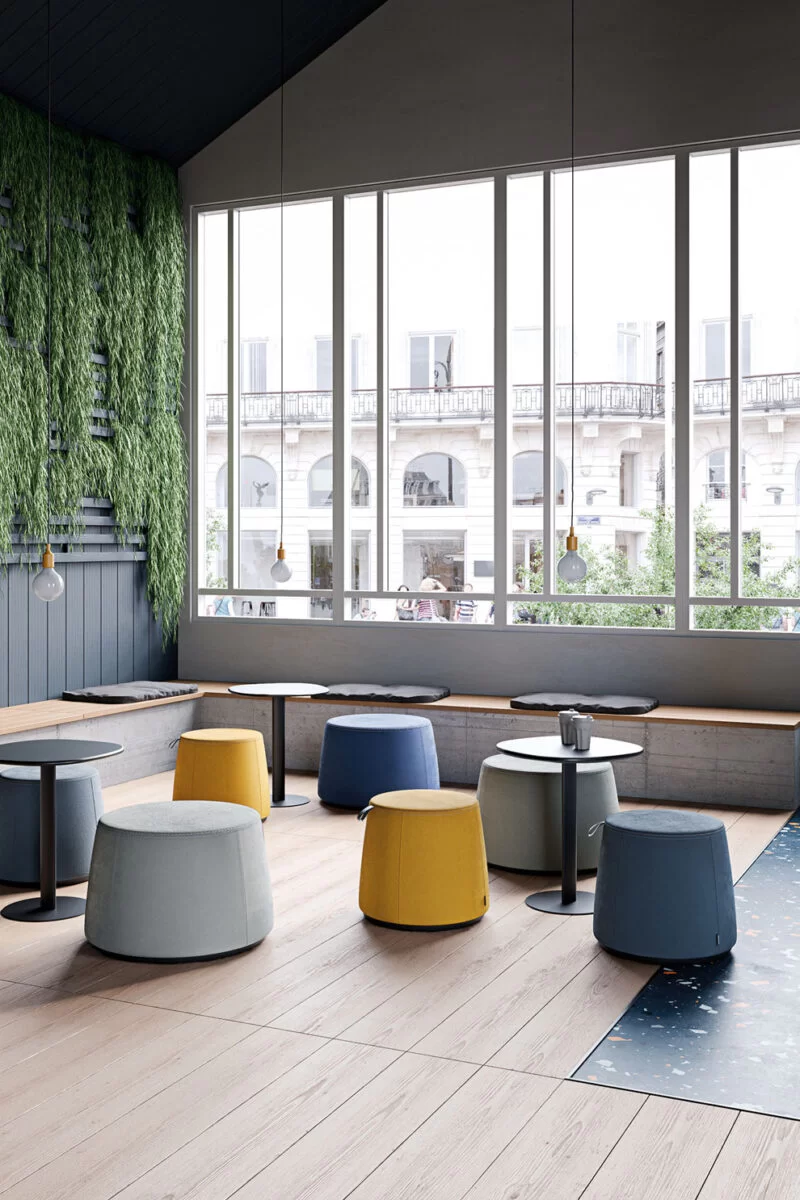
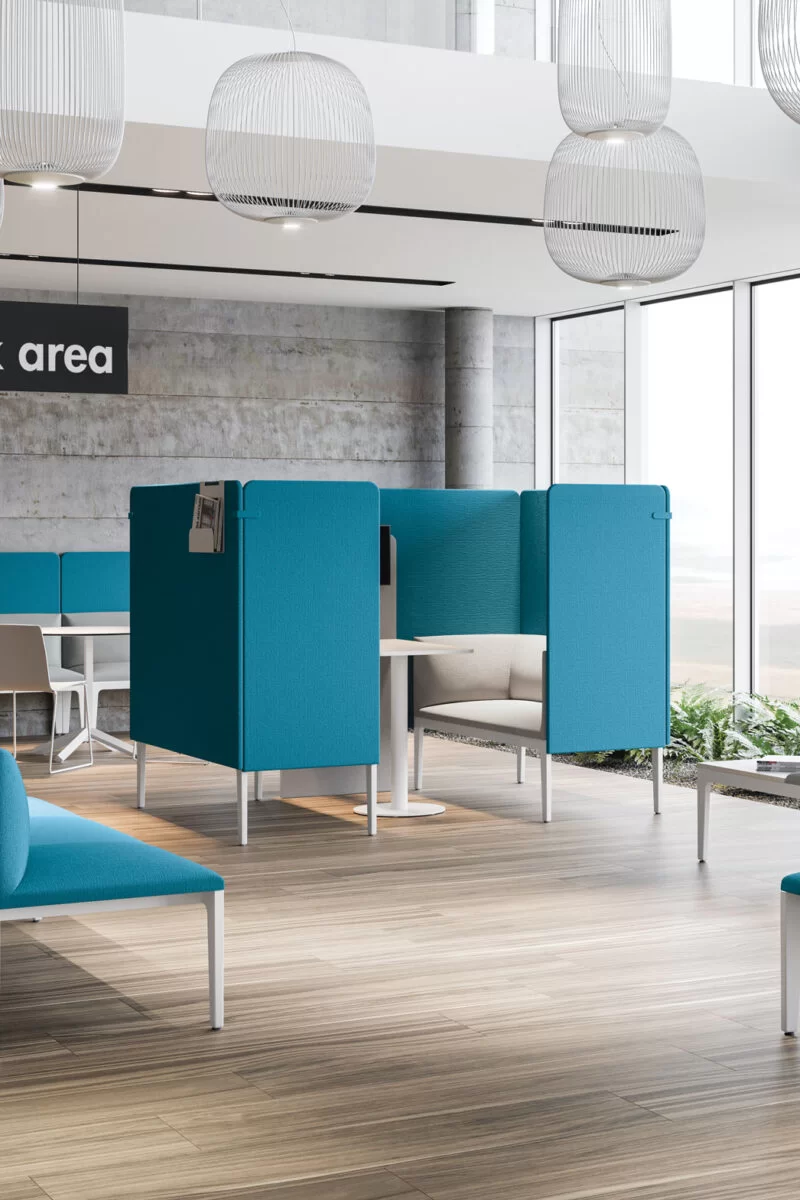
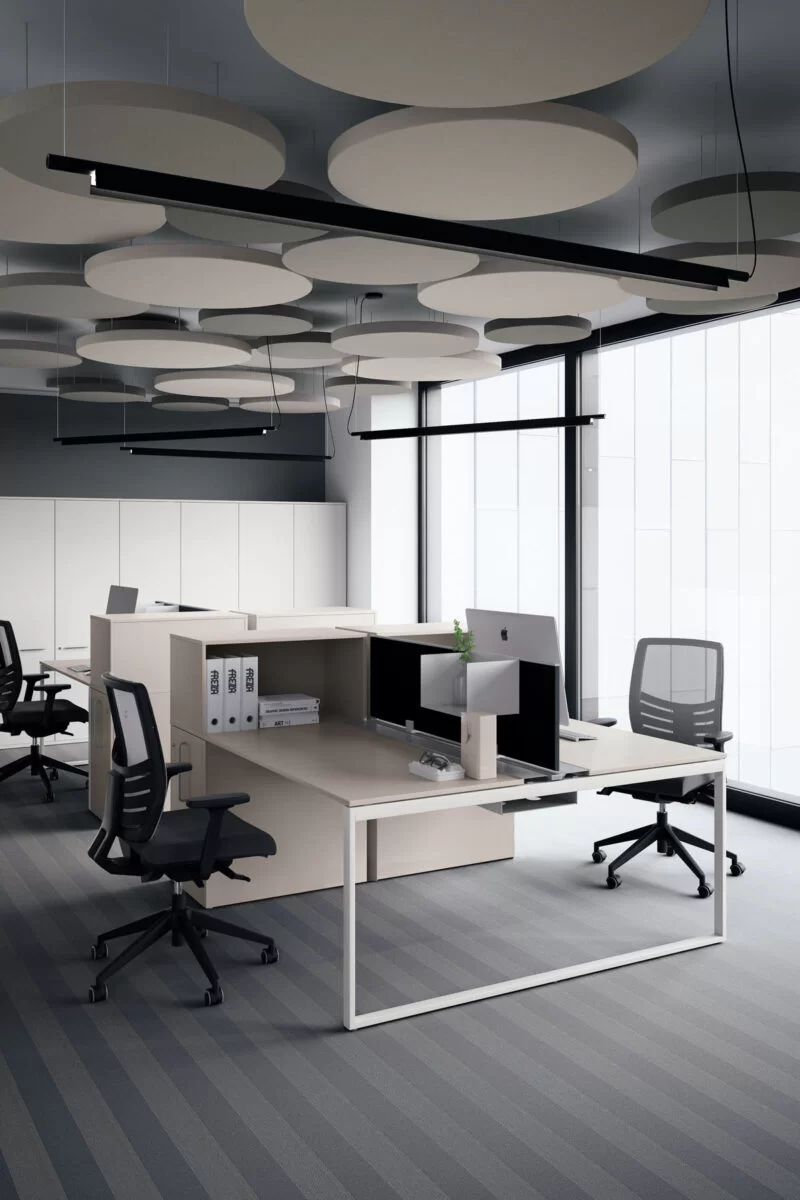
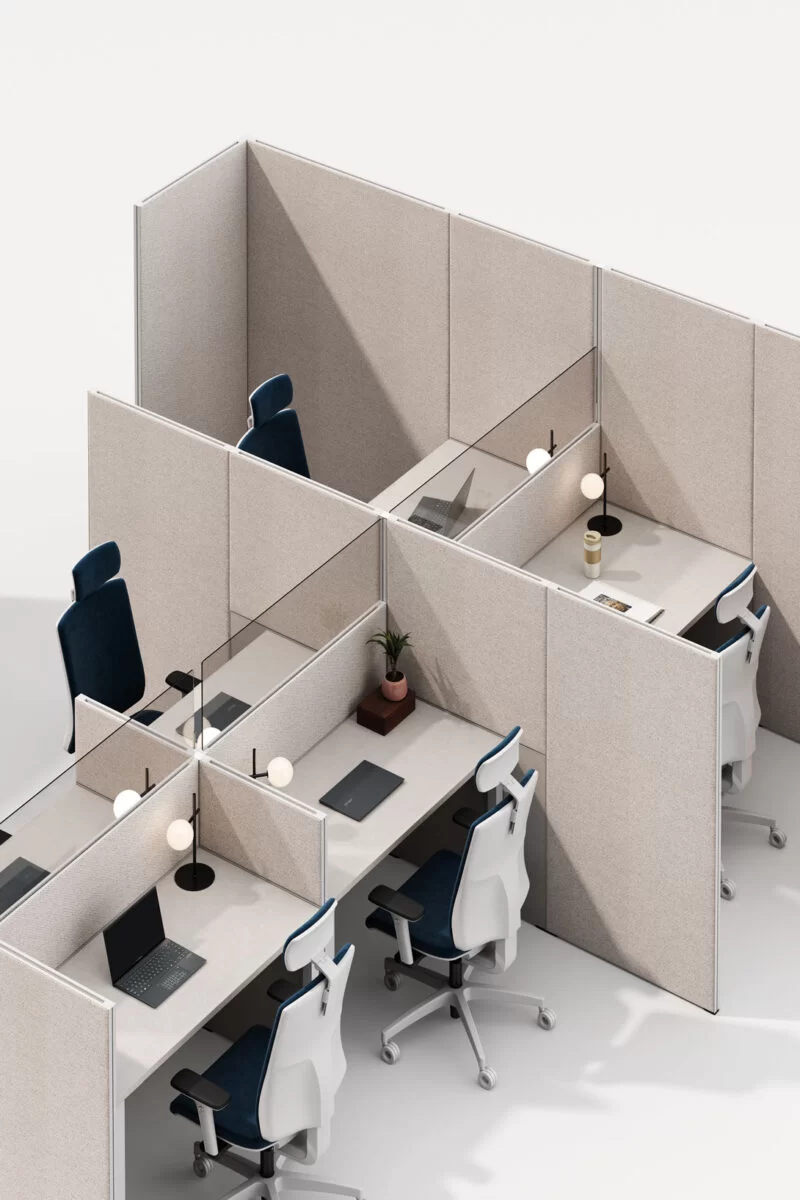
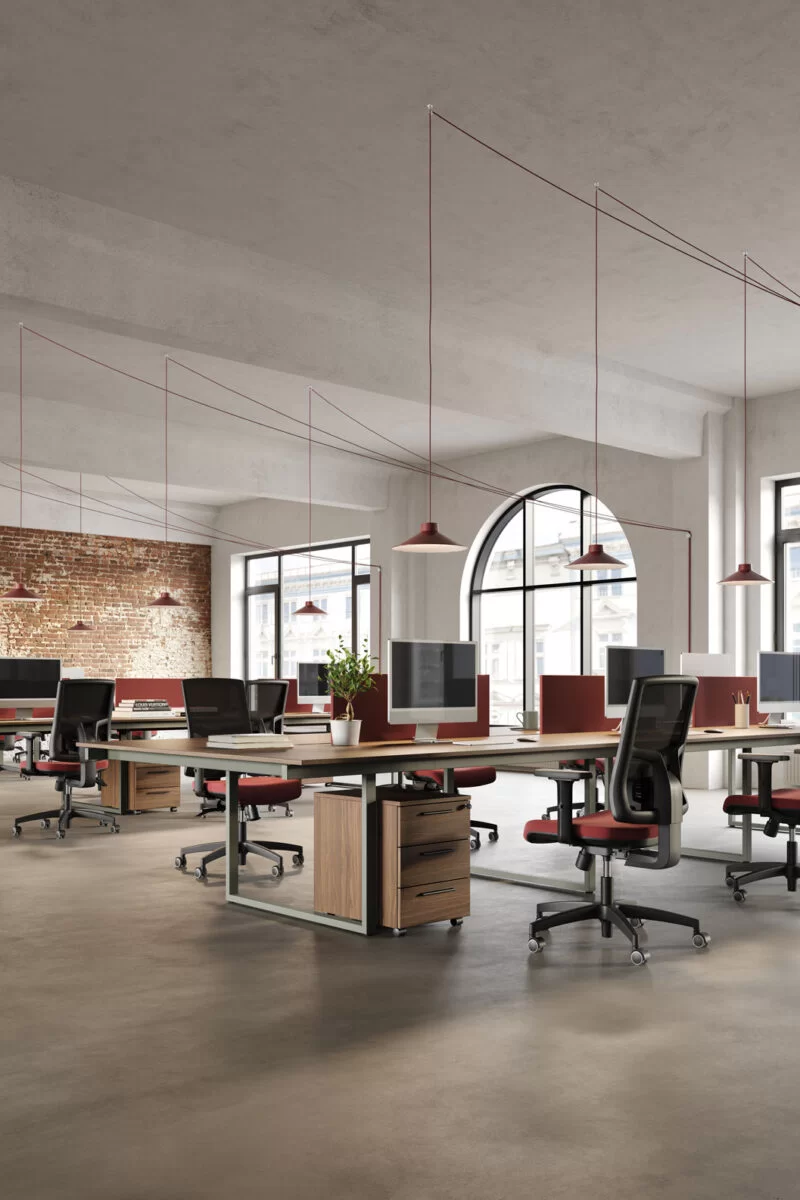
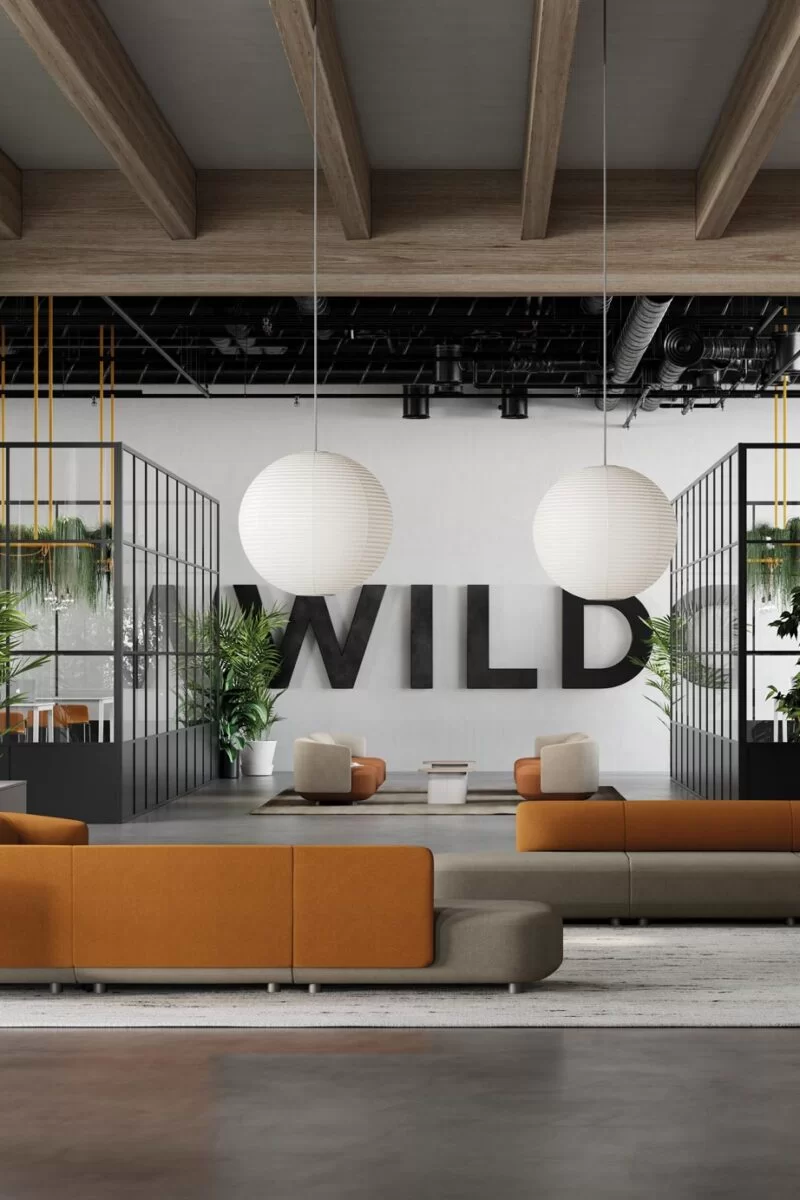
After a long period of time where the majority of work was done remotely, many companies decided to reorganise their offices so that people could work safely by adopting a hybrid working approach. This has in some cases seen conference rooms and lounges transformed into new work hubs or coworking spaces.
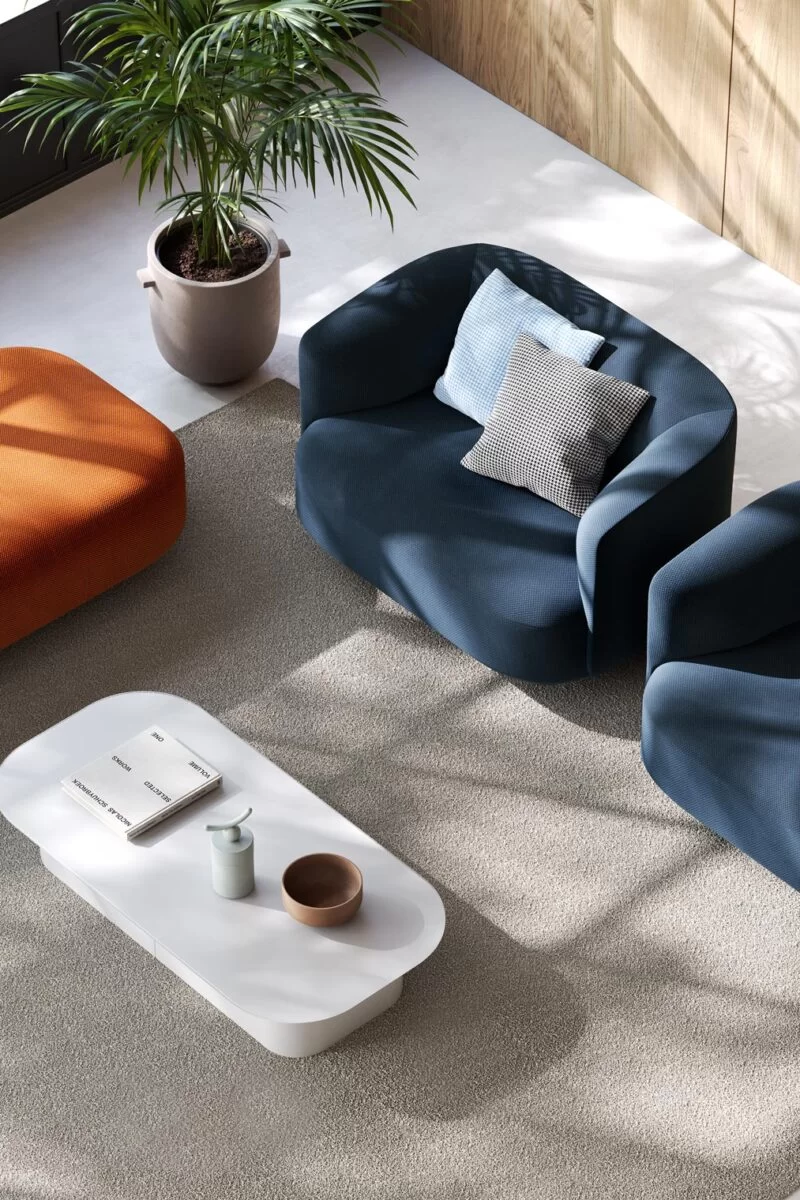
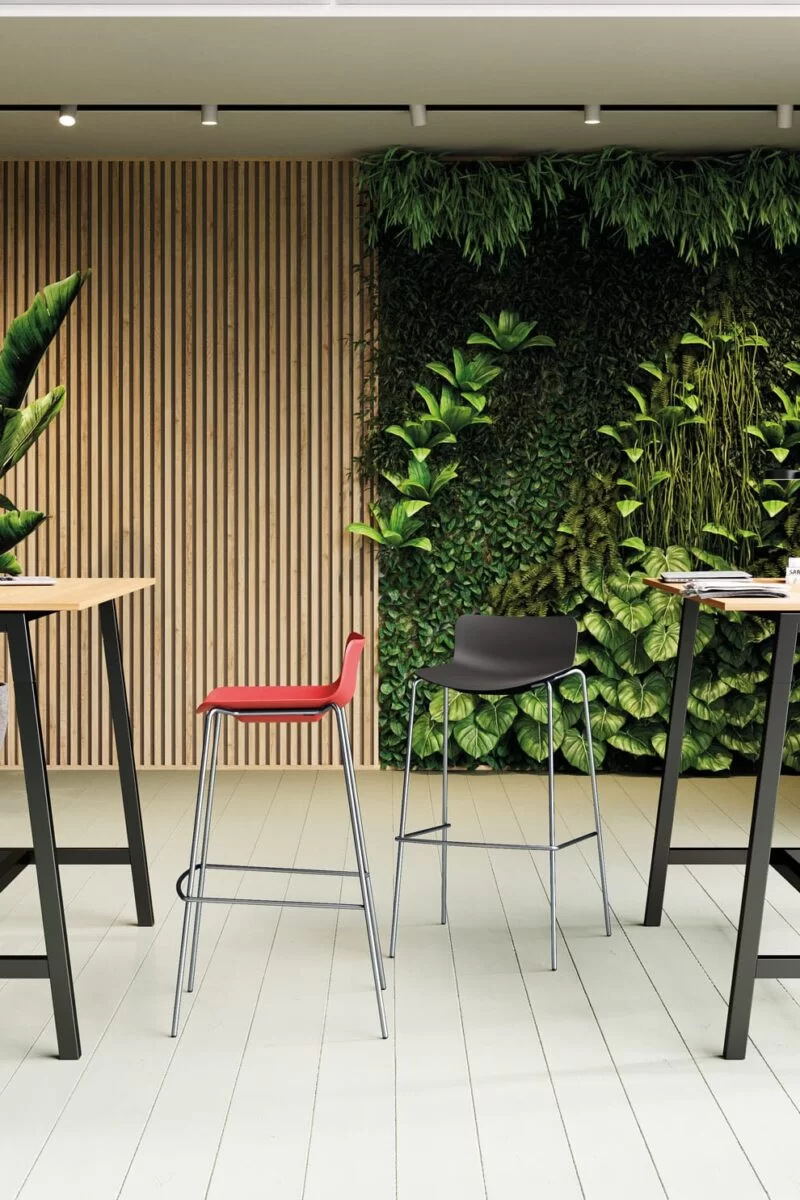
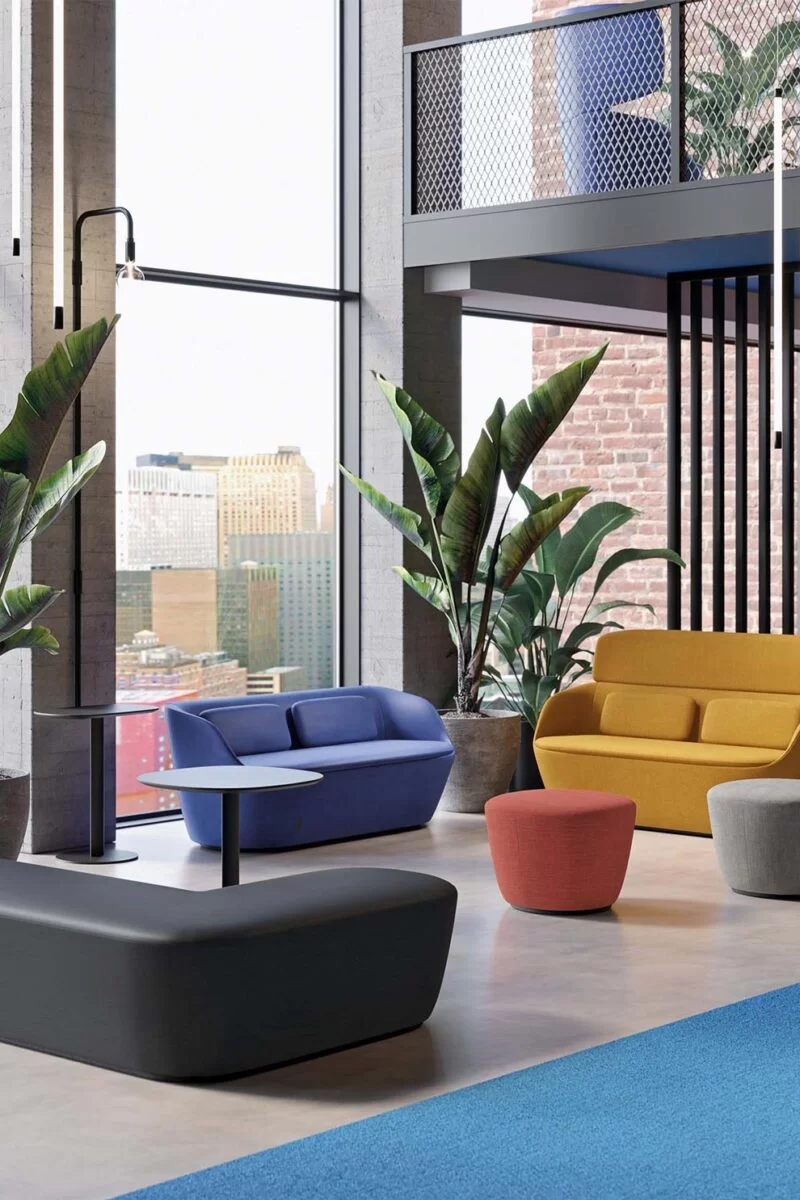
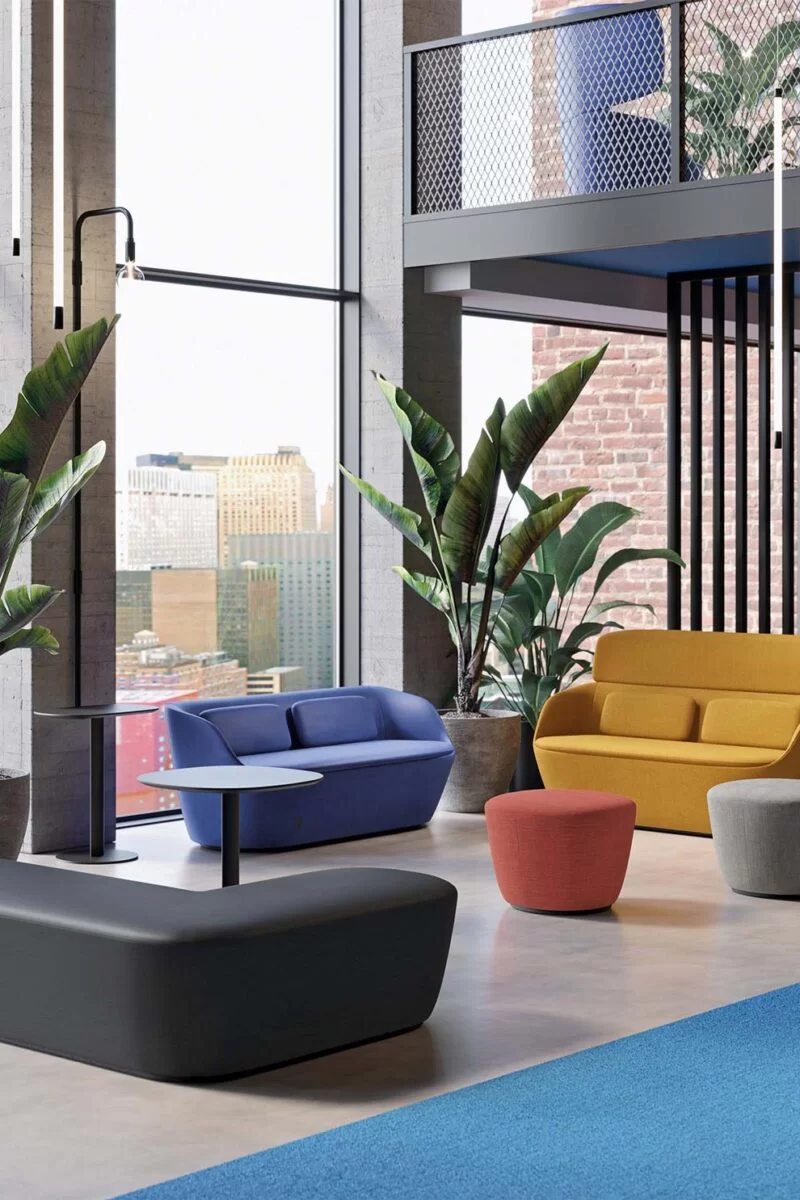
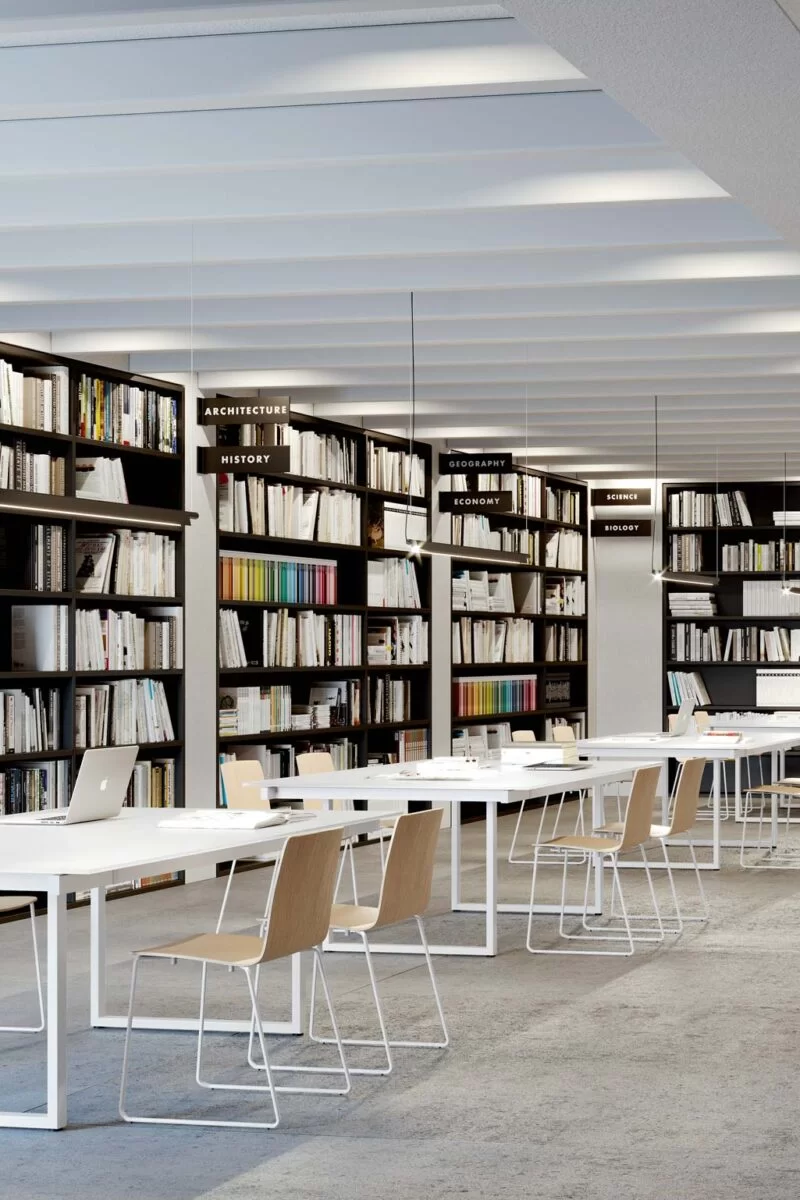
Shared desks and tables, seating that allows for more relaxed working and nomadic tables for quick meetings: these new working environments are increasingly being referred to as creativity and collaboration centres, reflecting the growing need to create workspaces where employees feel comfortable and have all the necessary tools to work.
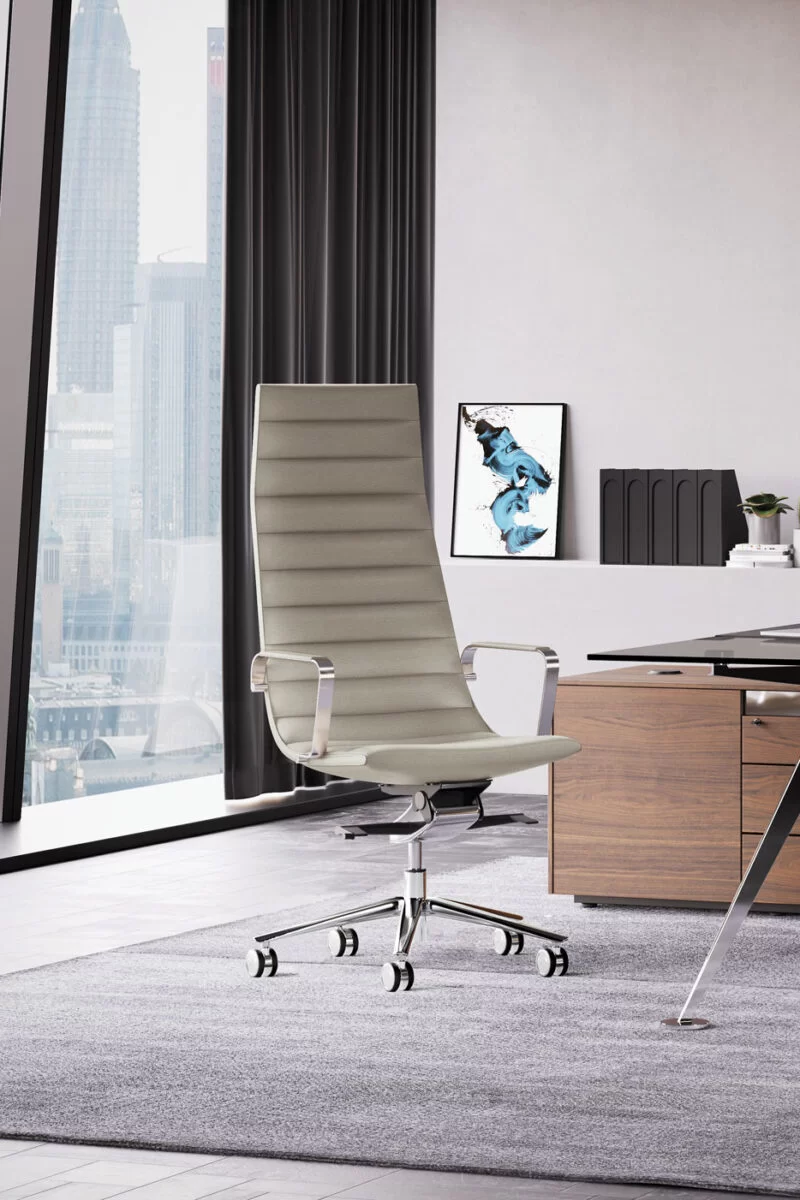
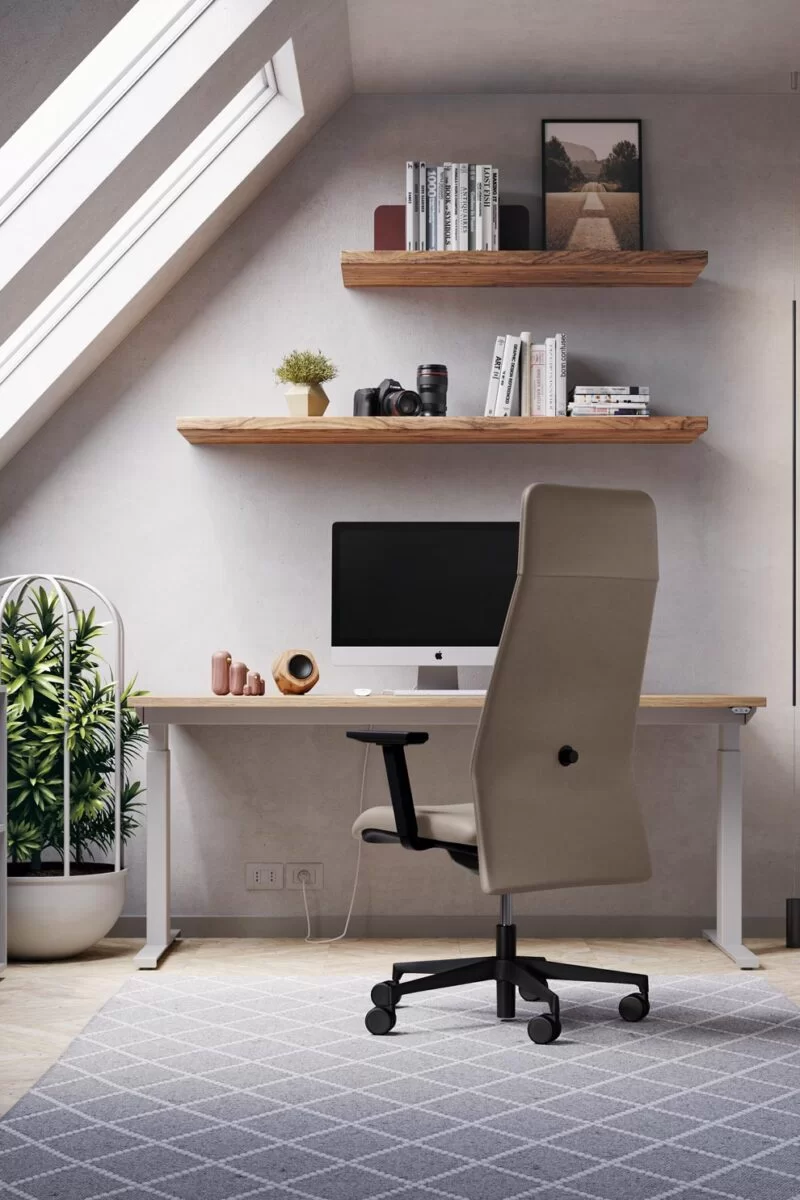
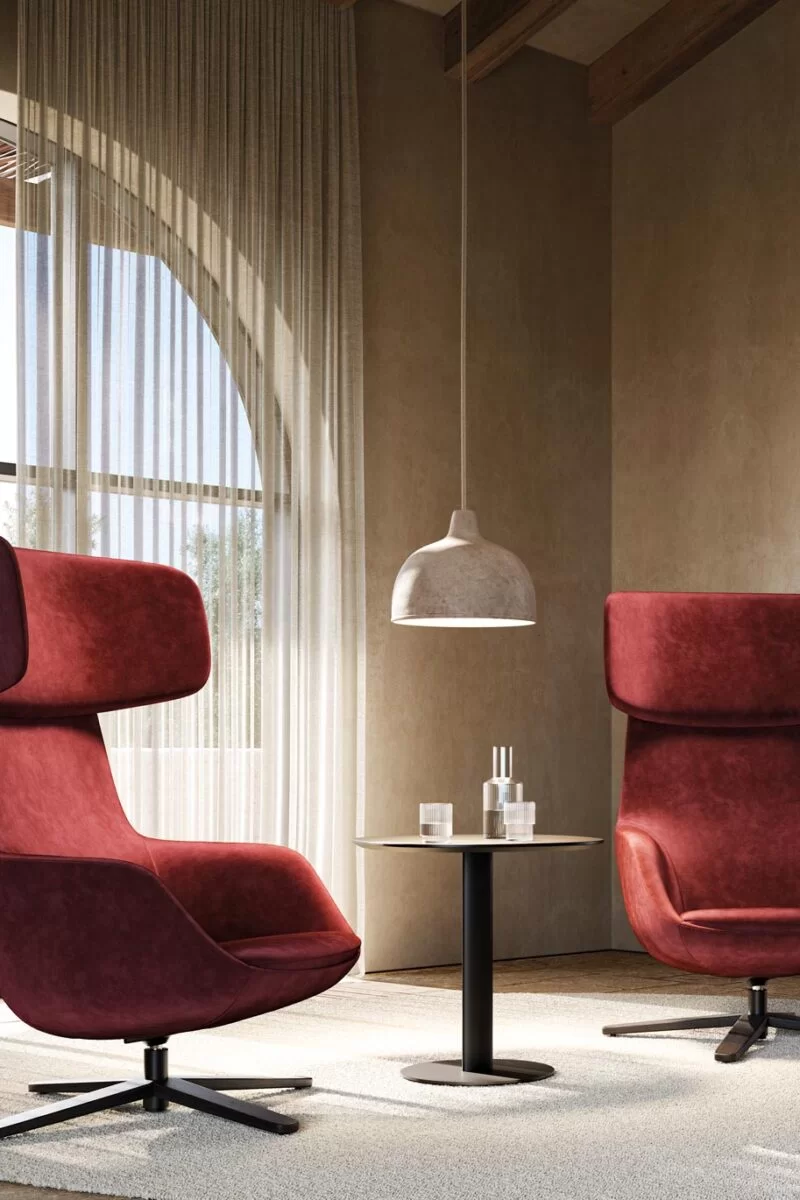
An important element to take into account is seating, which has to both elegantly fit into its surroundings and be ergonomic and equipped with devices that help maintain a correct posture. The aim is not to feel tired after sitting down for a long period of time and to promote personal well-being and productivity.
In this article we will focus on the specific needs of three different spaces: the meeting room, the waiting room and the lounge area.


How to choose a meeting room chair
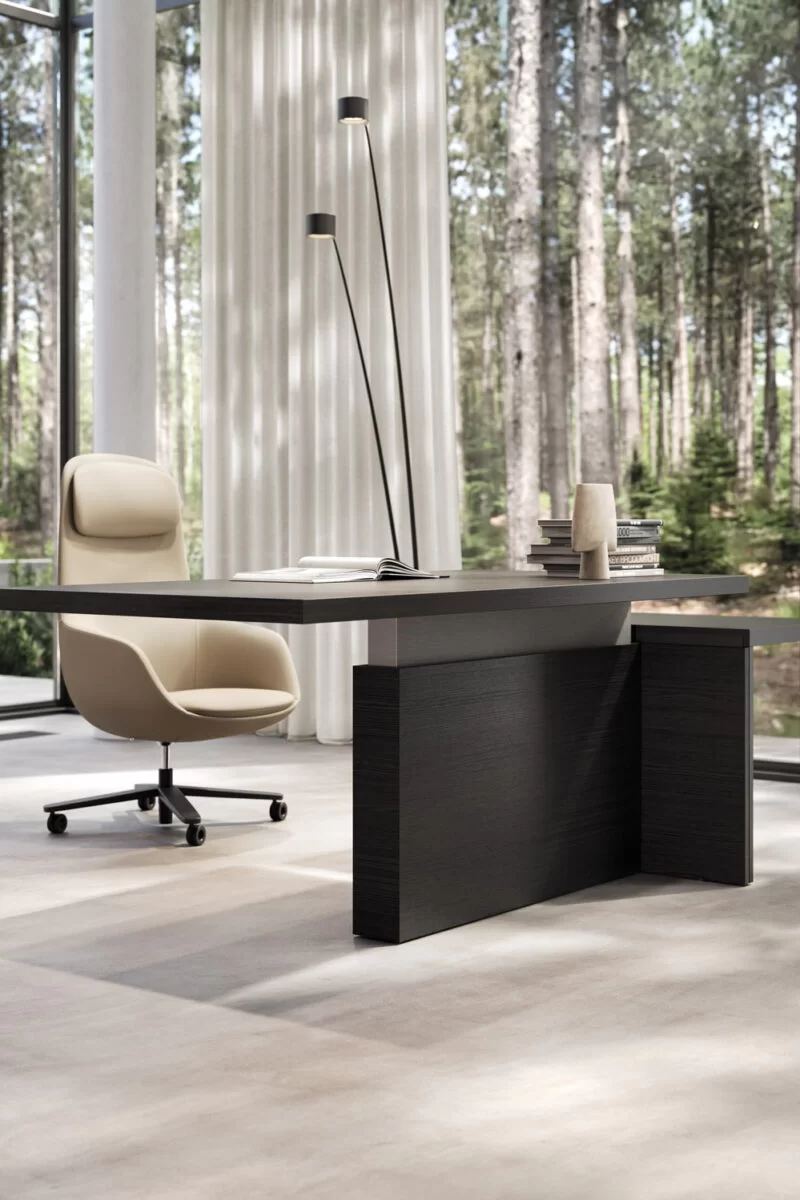
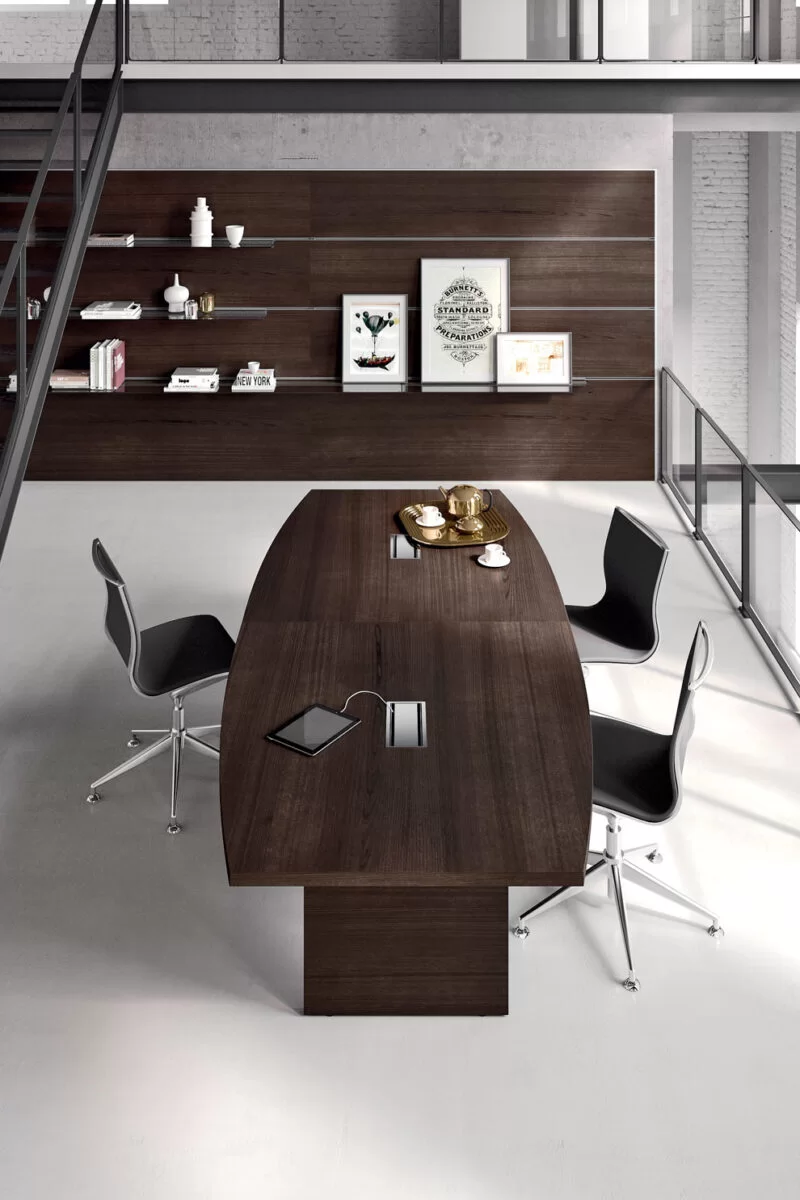
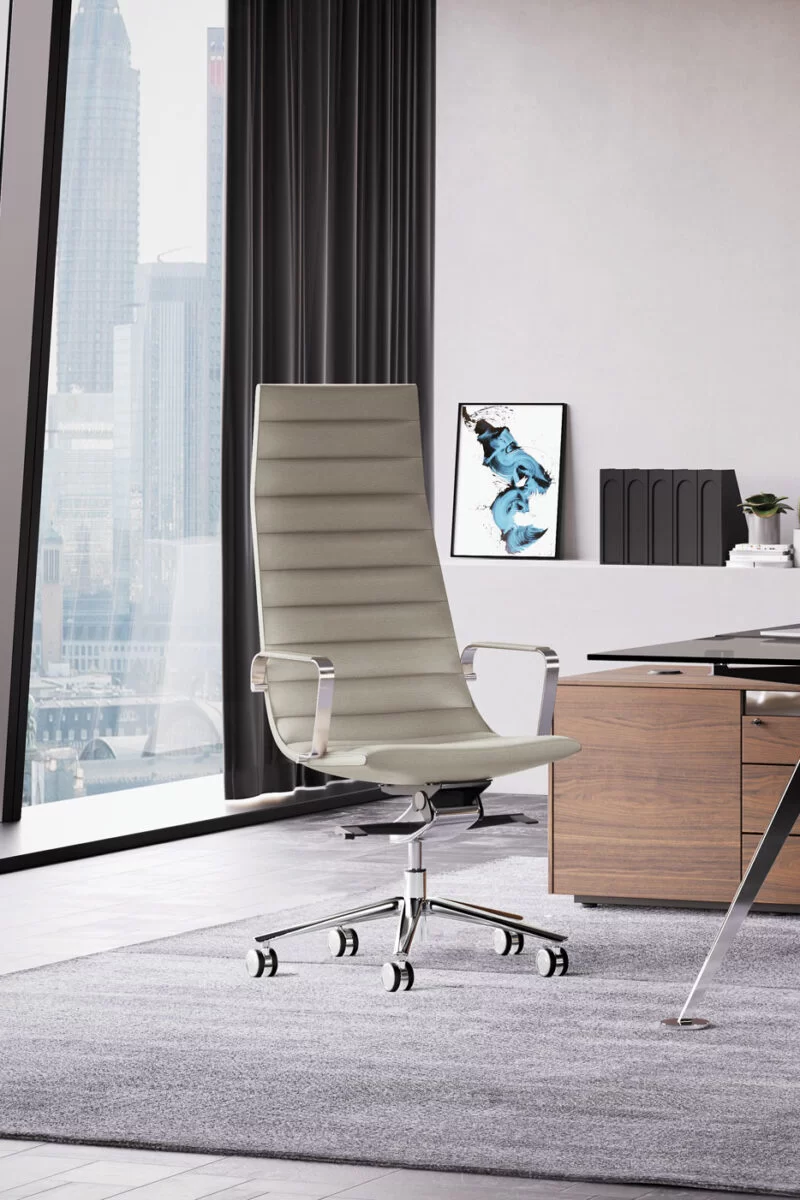
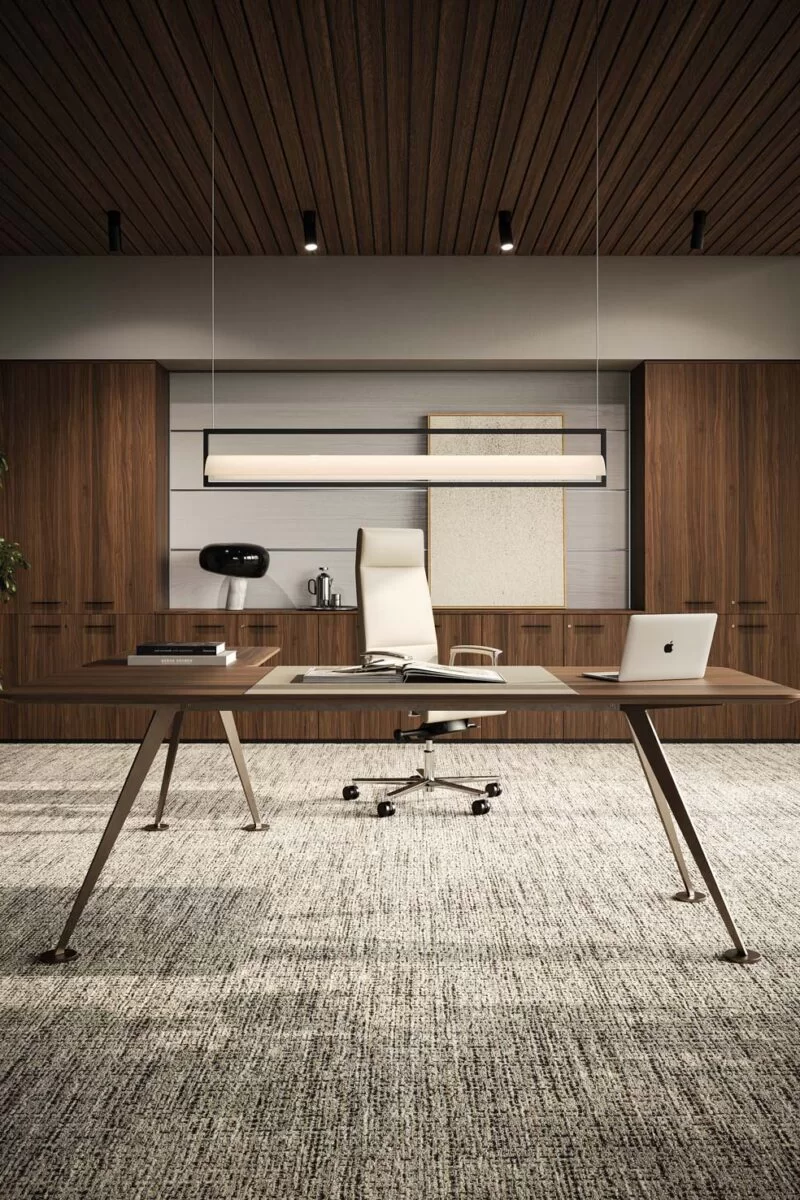
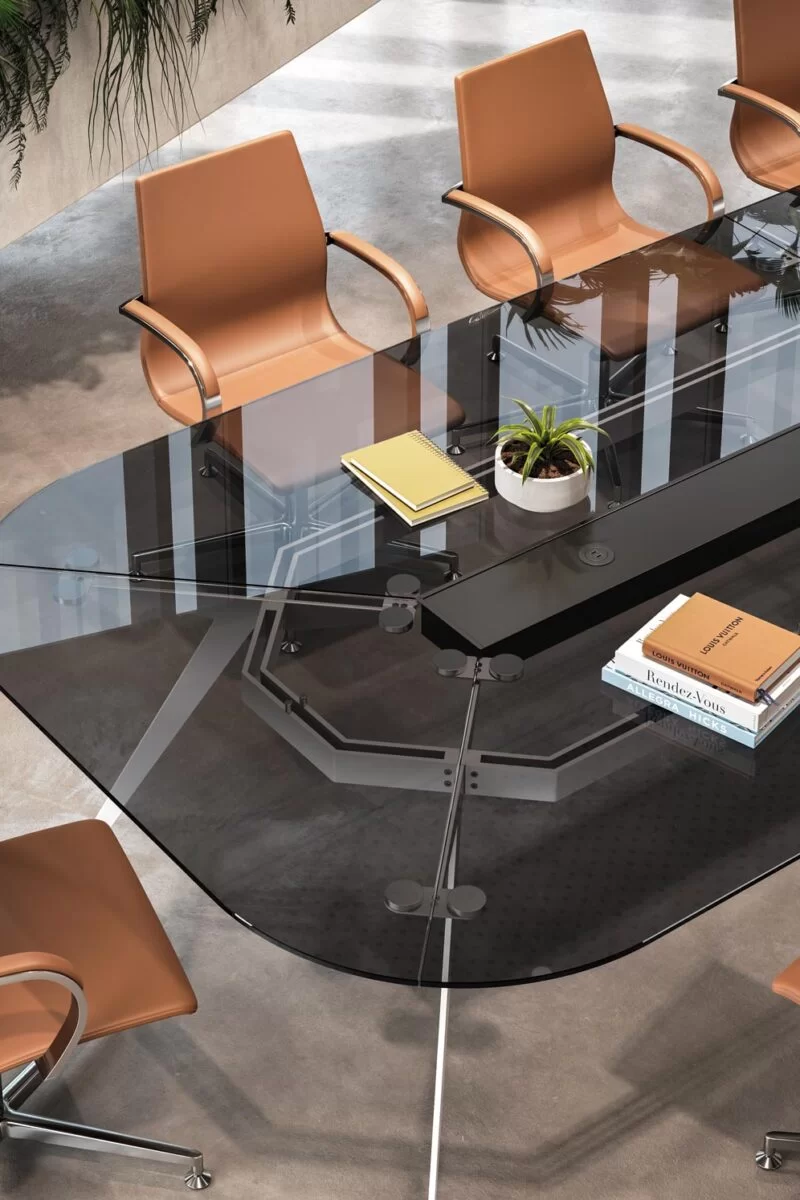
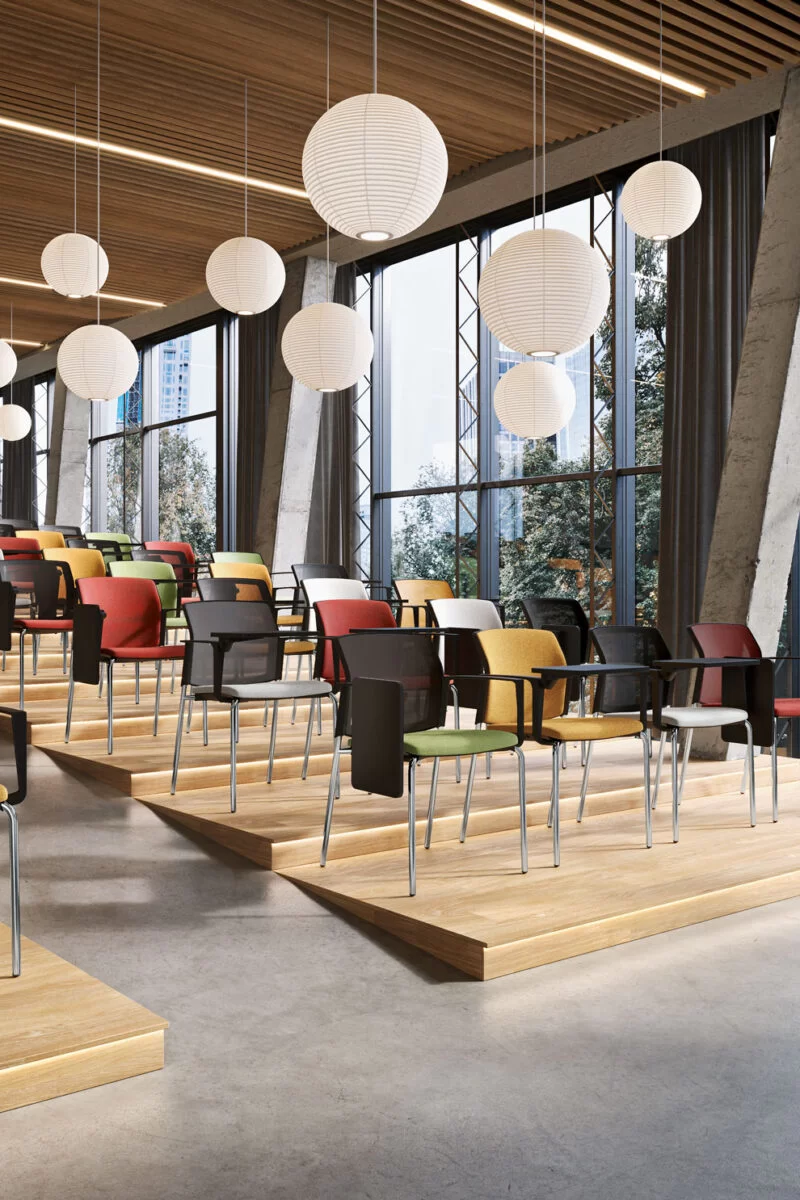
Conference rooms can be of different types and styles. Some prefer a classic and elegant design in line with the executive office and others opt for a more informal environment. The options are many and come in the form of operative or executive seating variants with lower backrests. In most conference rooms, seating is arranged around a large table, where people gather and remain in a static position for the whole meeting. If there is daily use and a prolonged permanence, the seating must be comfortable, durable and able to adapt to different body types and sizes, to facilitate correct posture and reduce the risk of musculoskeletal disorders. Some of the most common mechanisms include seat depth and height adjustment, height-adjustable lumbar support (to suit different people), and tilt and swivel adjustable armrests. Some conference chairs, as opposed to task chairs, are designed for non-intensive use and a short stay, with standard ergonomic features such as a backrest with tilt lock, seat height adjustment or non-adjustable armrests.
Welcoming visitors with the right seat
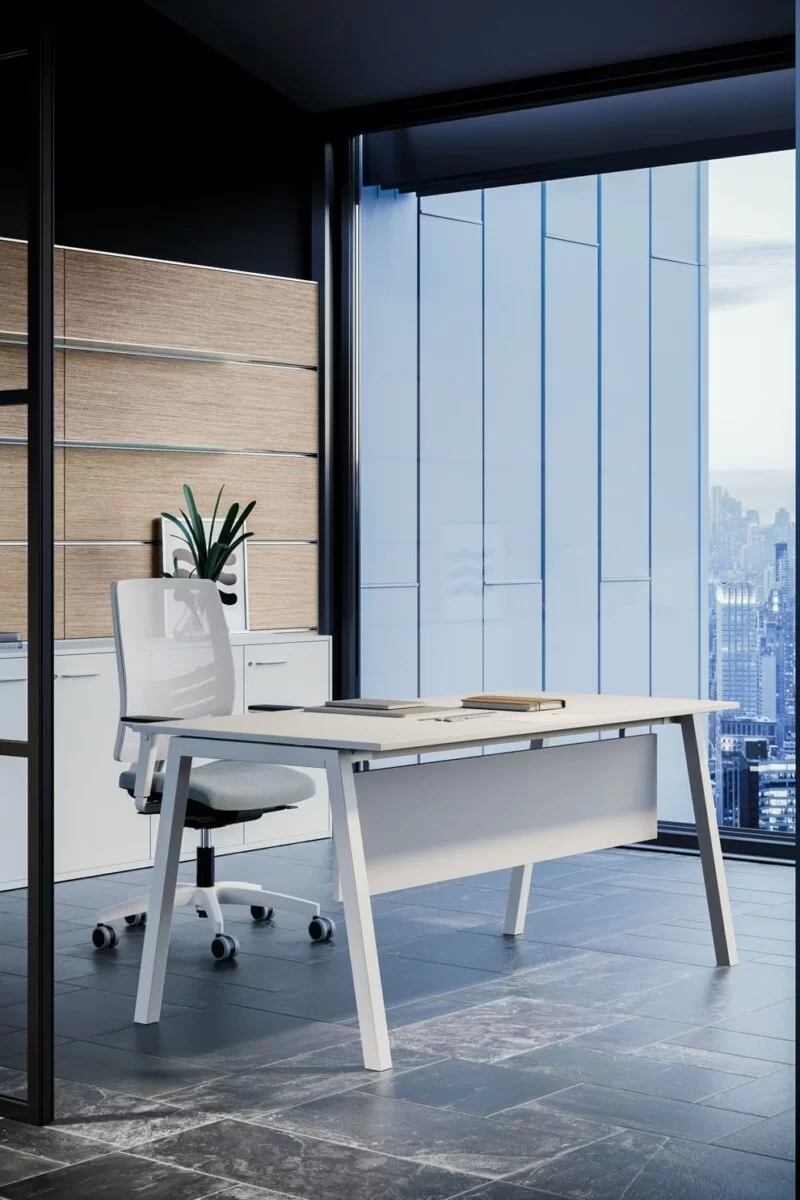
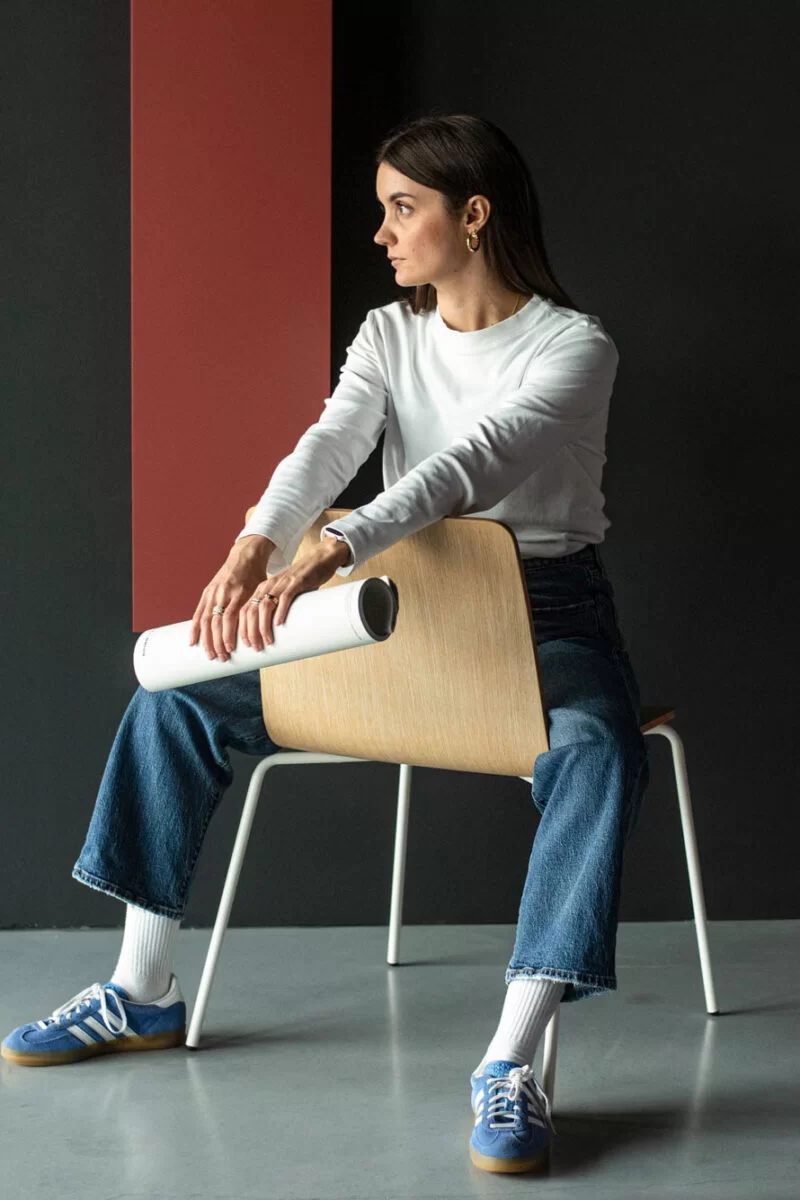
The visitor's chair is an all-rounder. It can be found in waiting rooms, meeting rooms (in the version with castors), executive offices and public reception areas. Usually it's used by the visitor for a short period of time and unlike an operative or executive chair, it does not have adjustment mechanisms for greater comfort and does not include ergonomic elements such as lumbar support or armrests. These seats are designed so that there are comfortable areas within the office that can be used for a limited time.
 Read all





 Back to top