








 News
News
 19th December 2025

Interior design trends for 2026: A guide to future projects
In the dynamic world of interior design, furniture trends act as true indicators of how we experience spaces. Aesthetic research blends seamlessly with functionality, environmental awareness becomes a core value and the concept of comfort evolves into more fluid, welcoming shapes. This transformation defines a deeper, more sensory design language, one that looks toward the future with clarity and purpose.
Frezza positions itself as a trusted partner in creating solutions that reflect environments built on identity, quality and design consistency. Embracing the contemporary furniture trends of 2026 means designing spaces that are both functional and distinctive, where materials, shapes and finishes interpret the ongoing evolution of modern taste.

Materials and textures: the language of materiality
The stylistic directions shaping design in the coming months reveal an increasing emphasis on quality, comfort and sustainability, values that have become central to contemporary furniture design. This awareness translates into choices that showcase the expressive power of materials, giving each space a distinctive and recognisable identity.
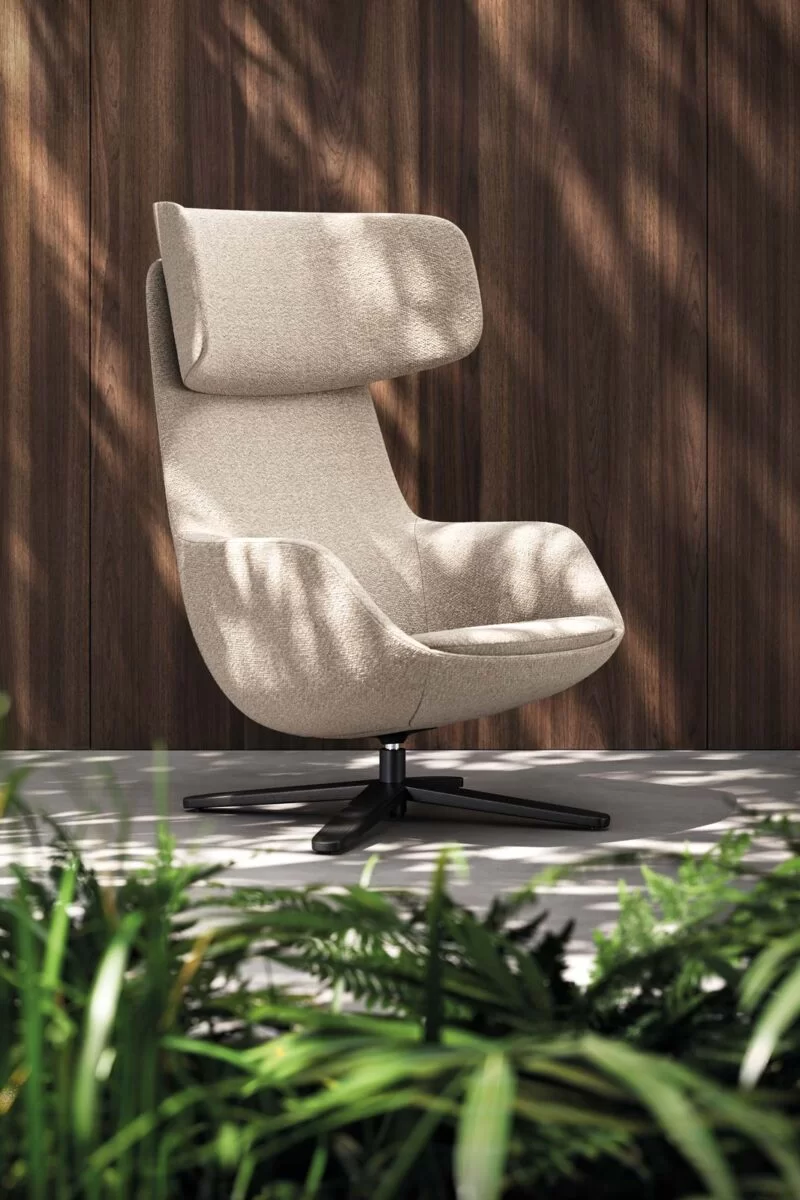
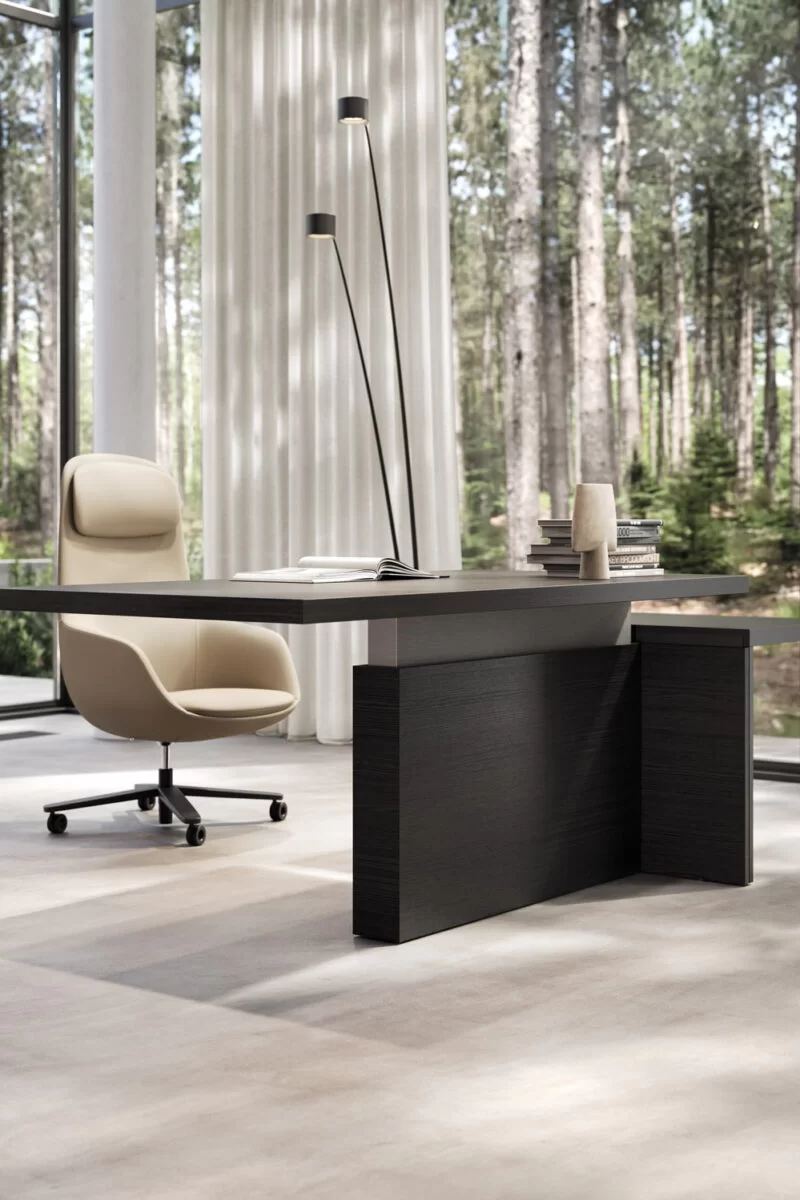
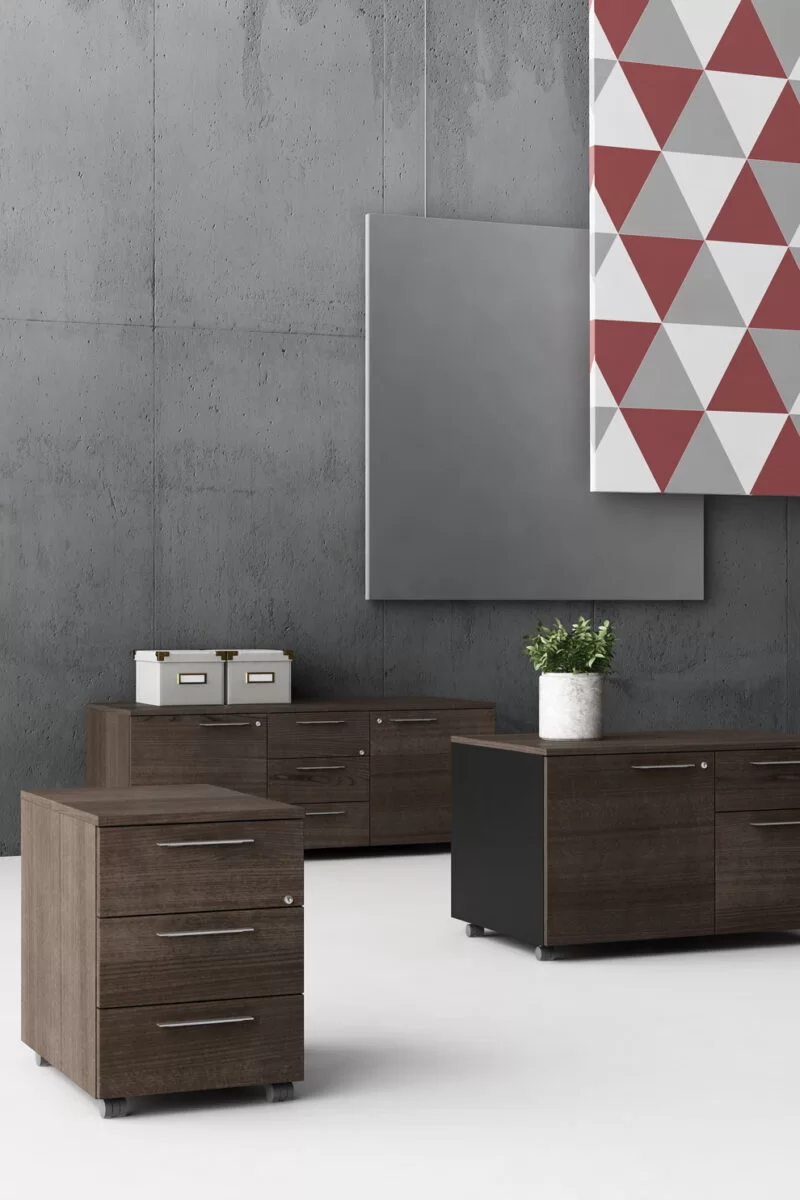
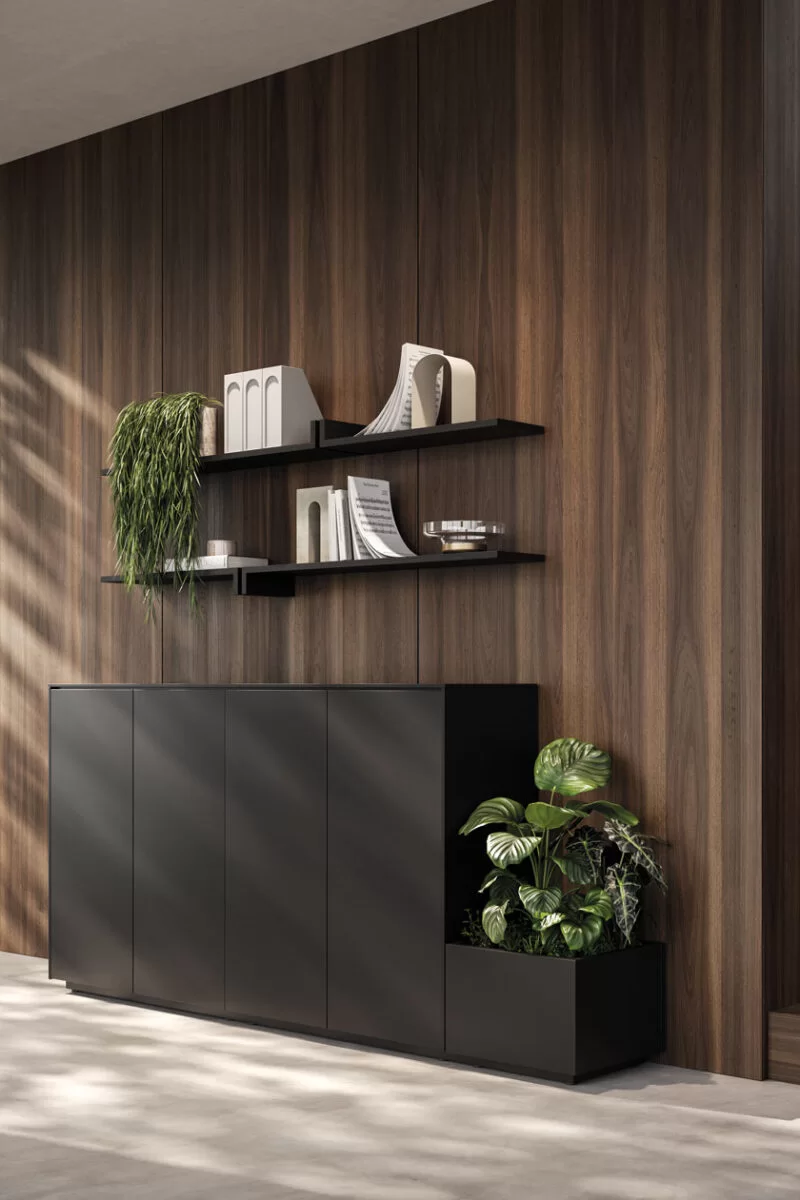
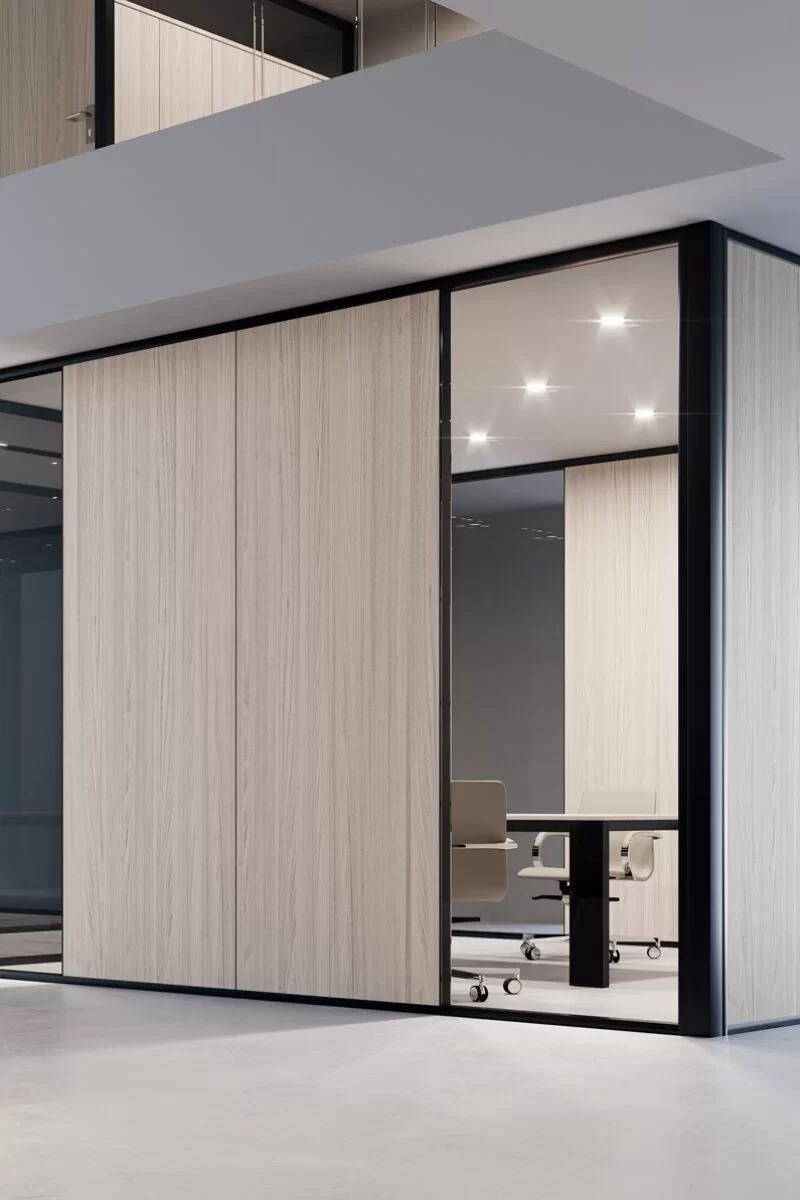
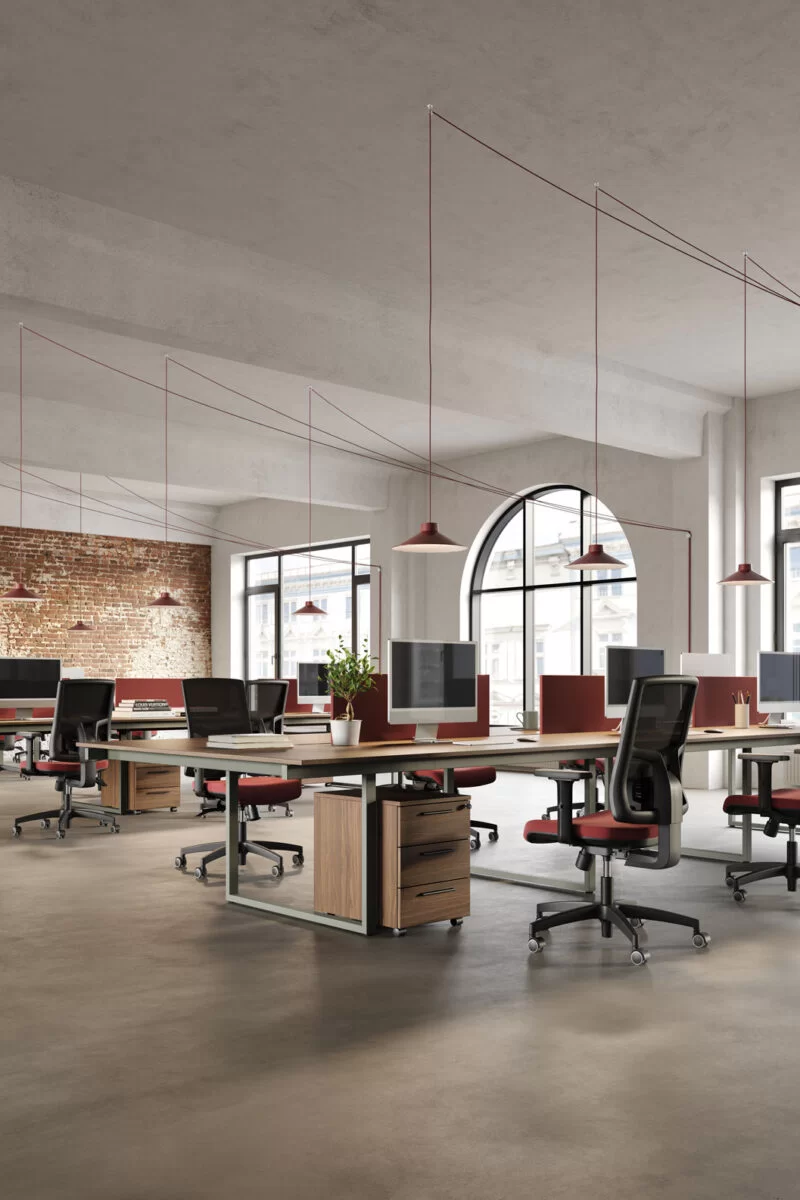
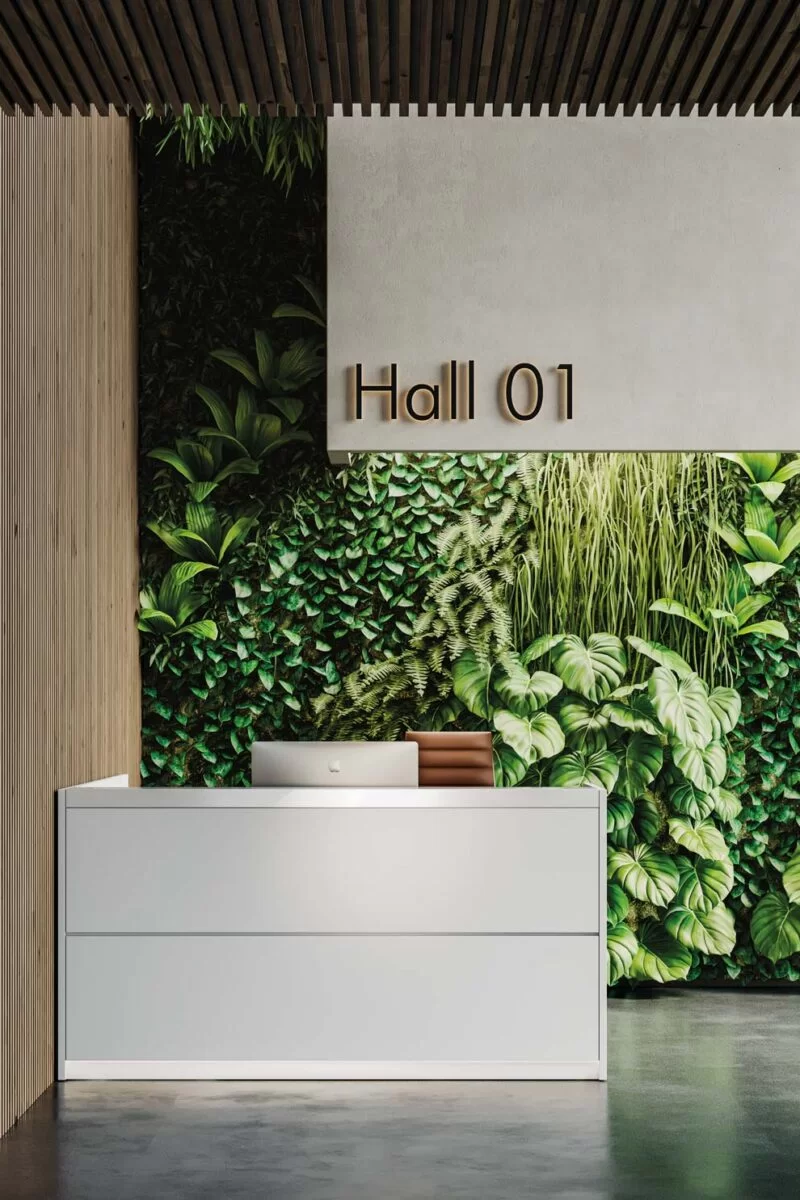
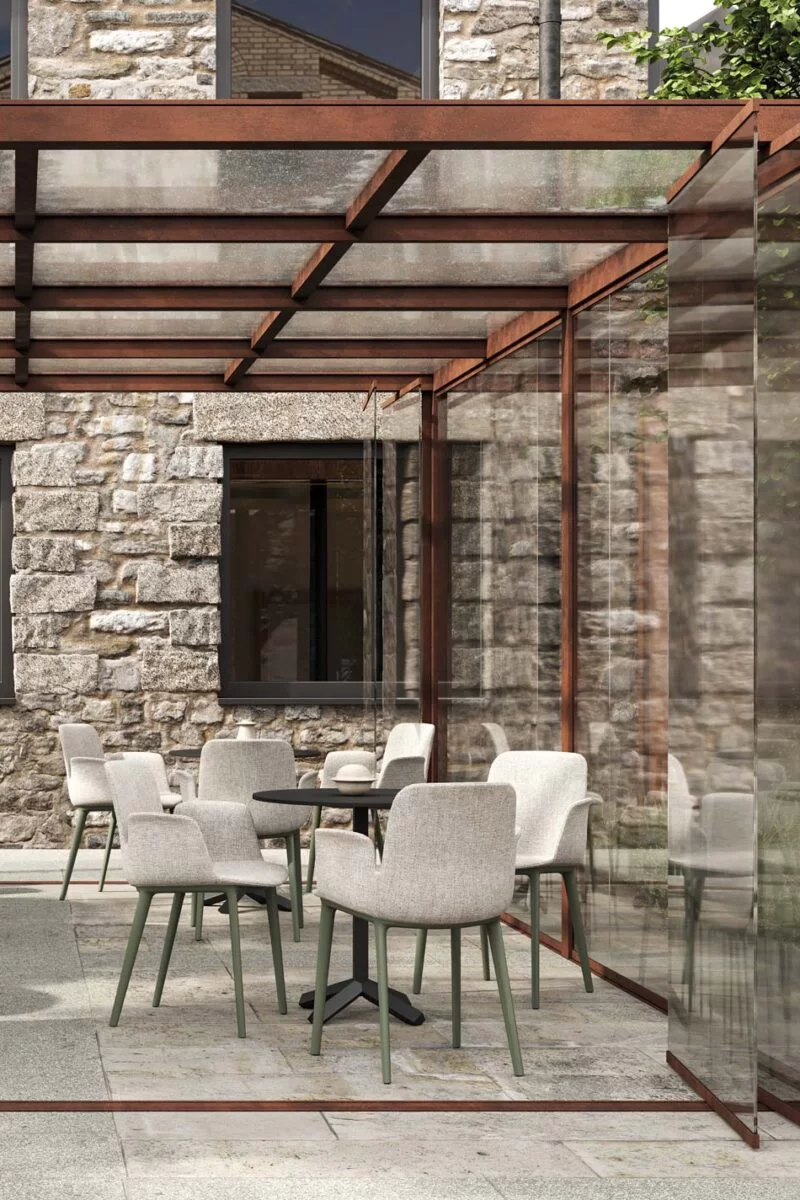
In 2026, interiors will embrace authentic, durable materials that engage not only the eye but also the sense of touch. Raw or boldly grained woods, unpolished natural stones, textiles with pronounced weaves and handcrafted finishes convey the essence of fine craftsmanship: refined yet understated, always distinctive.
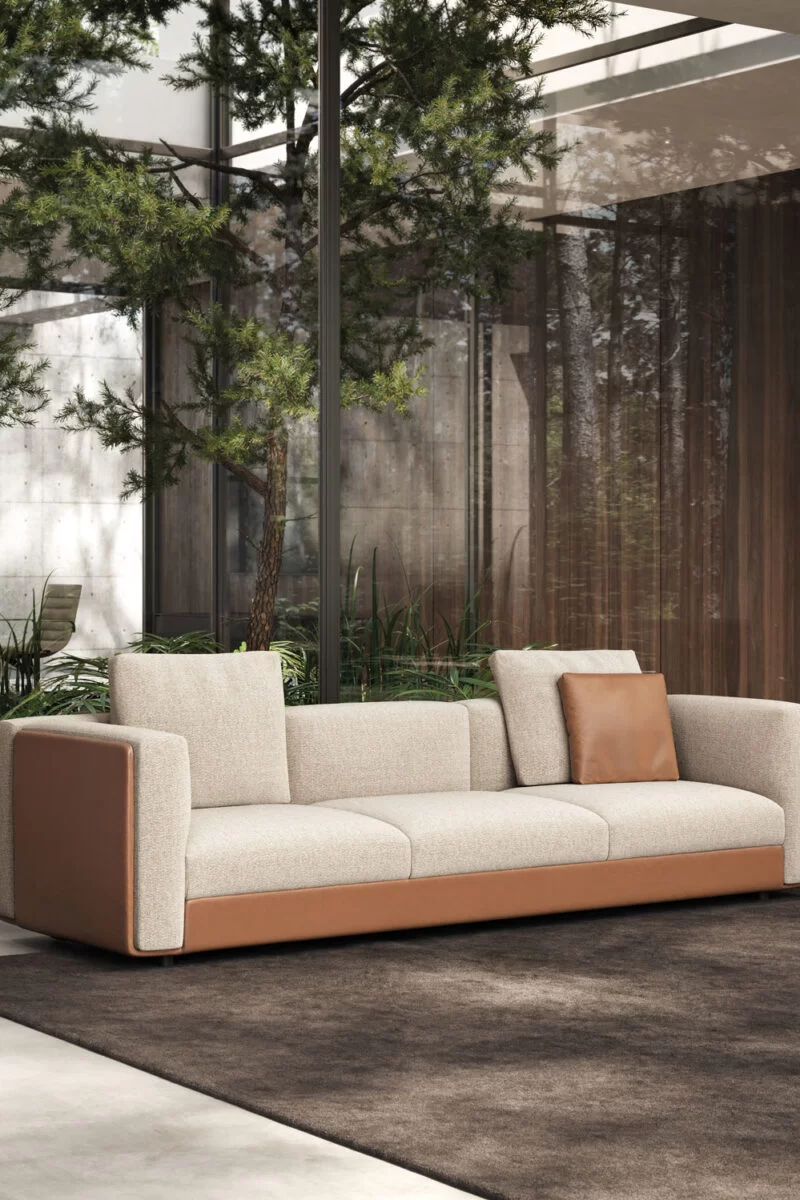
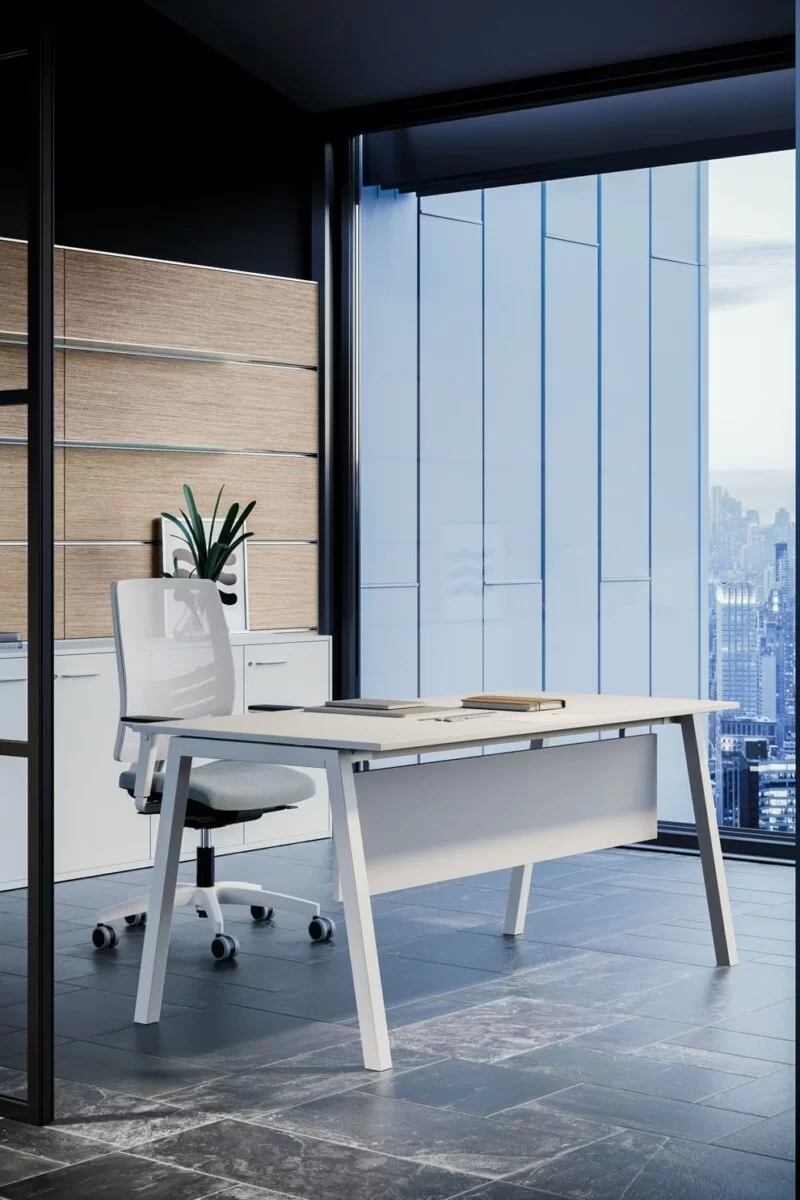
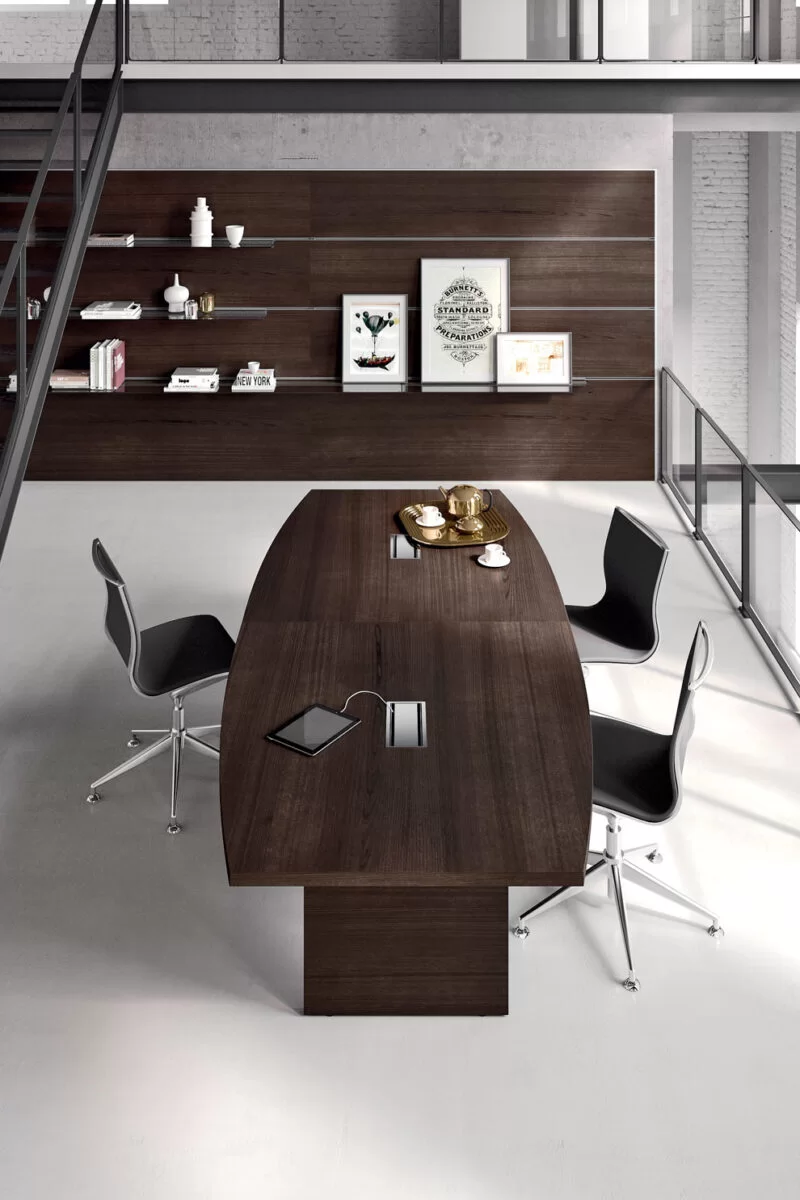
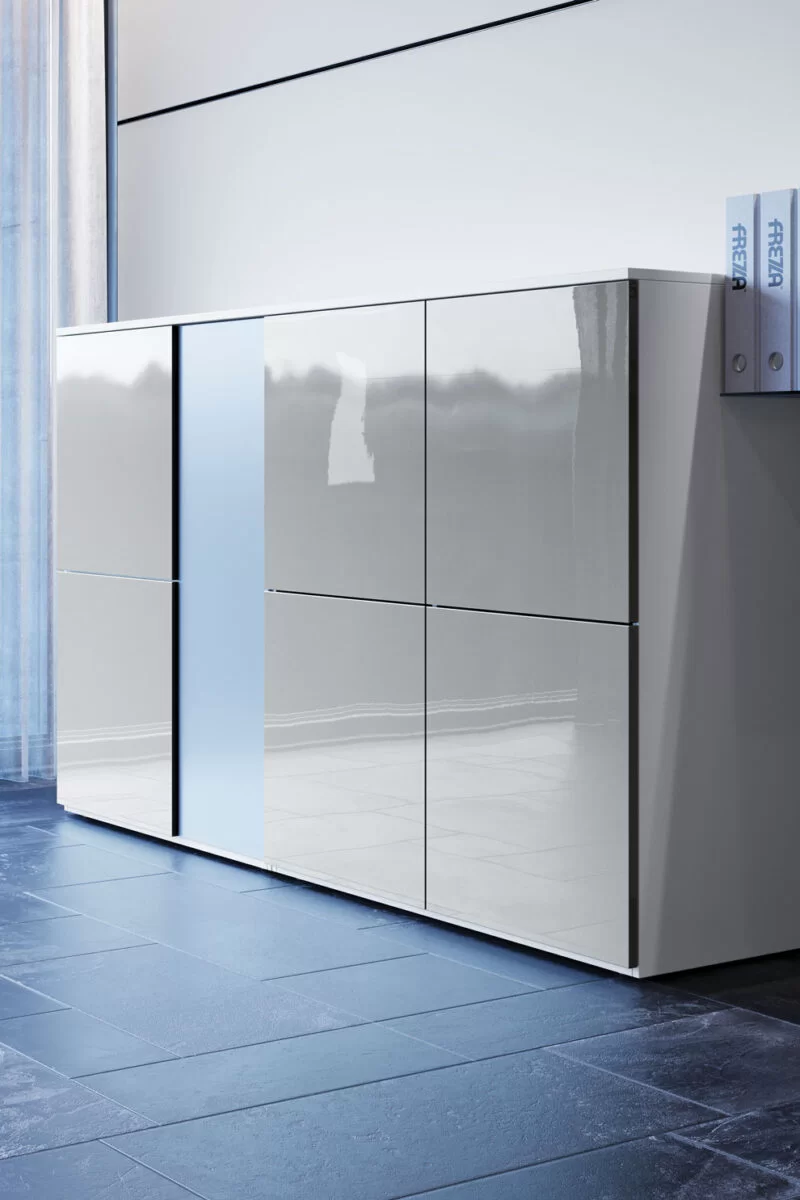
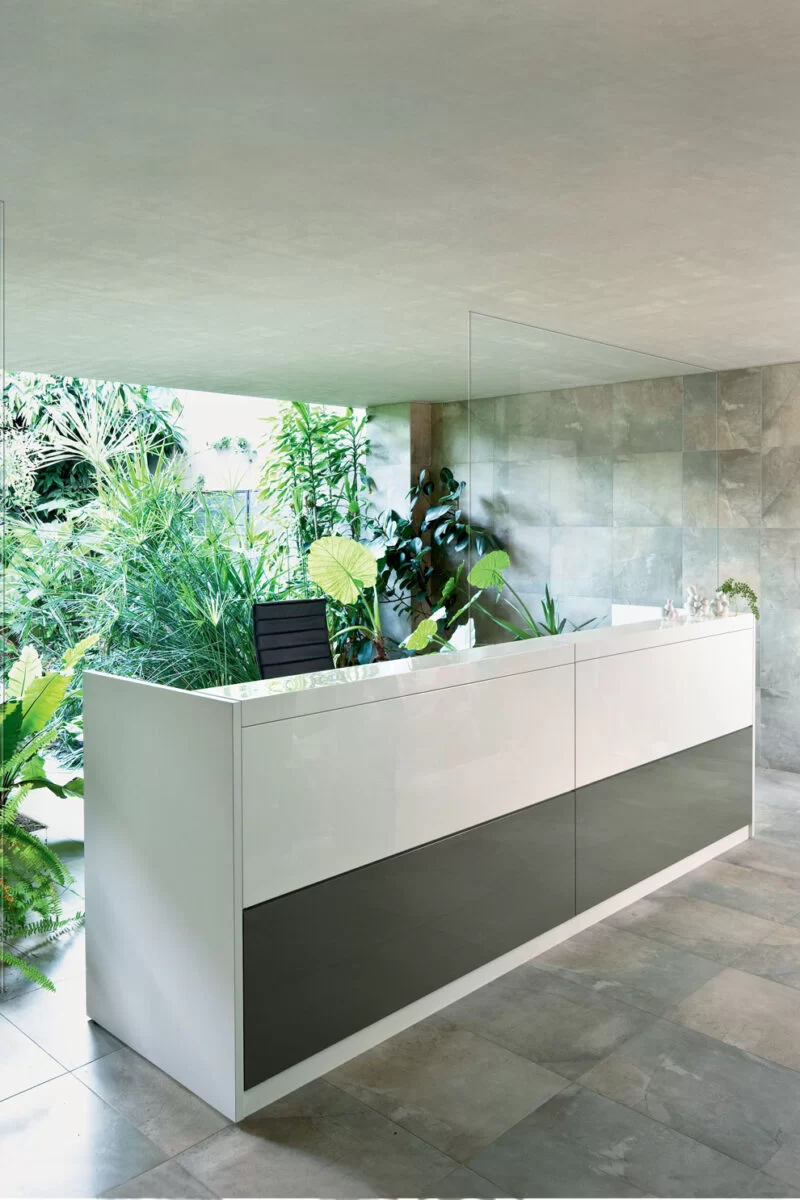
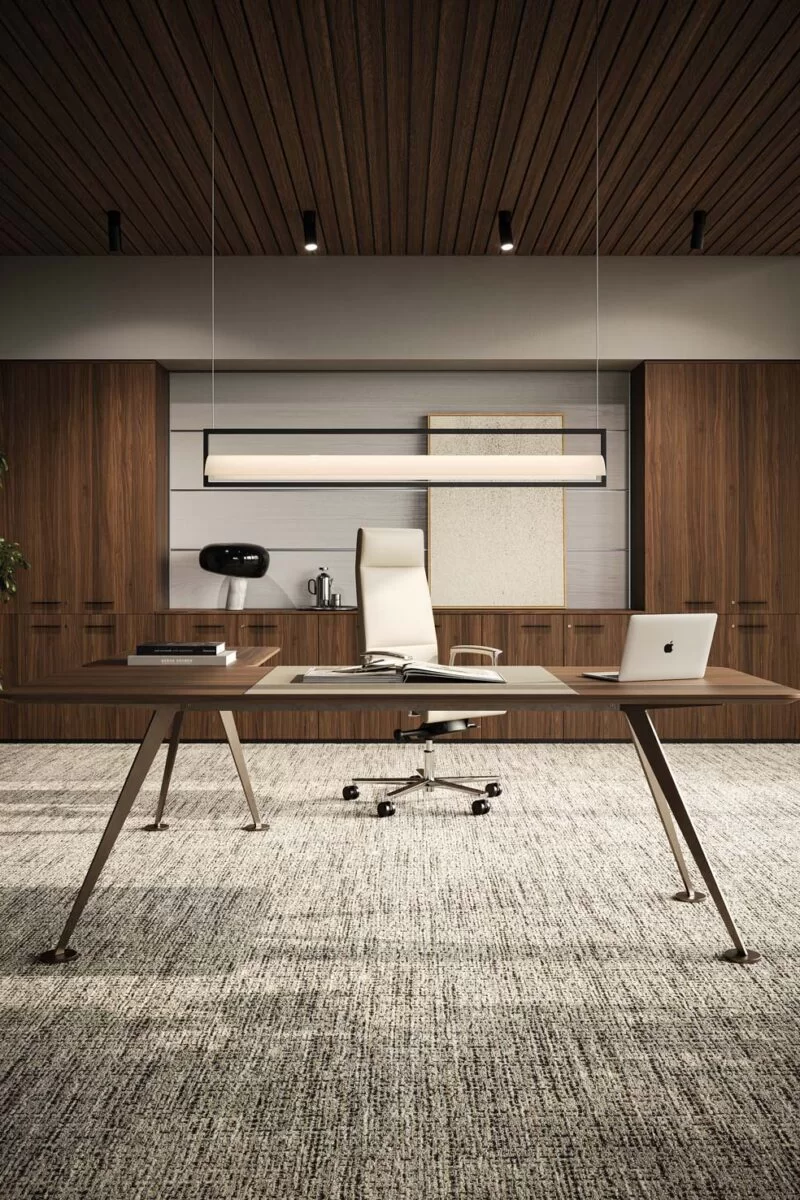
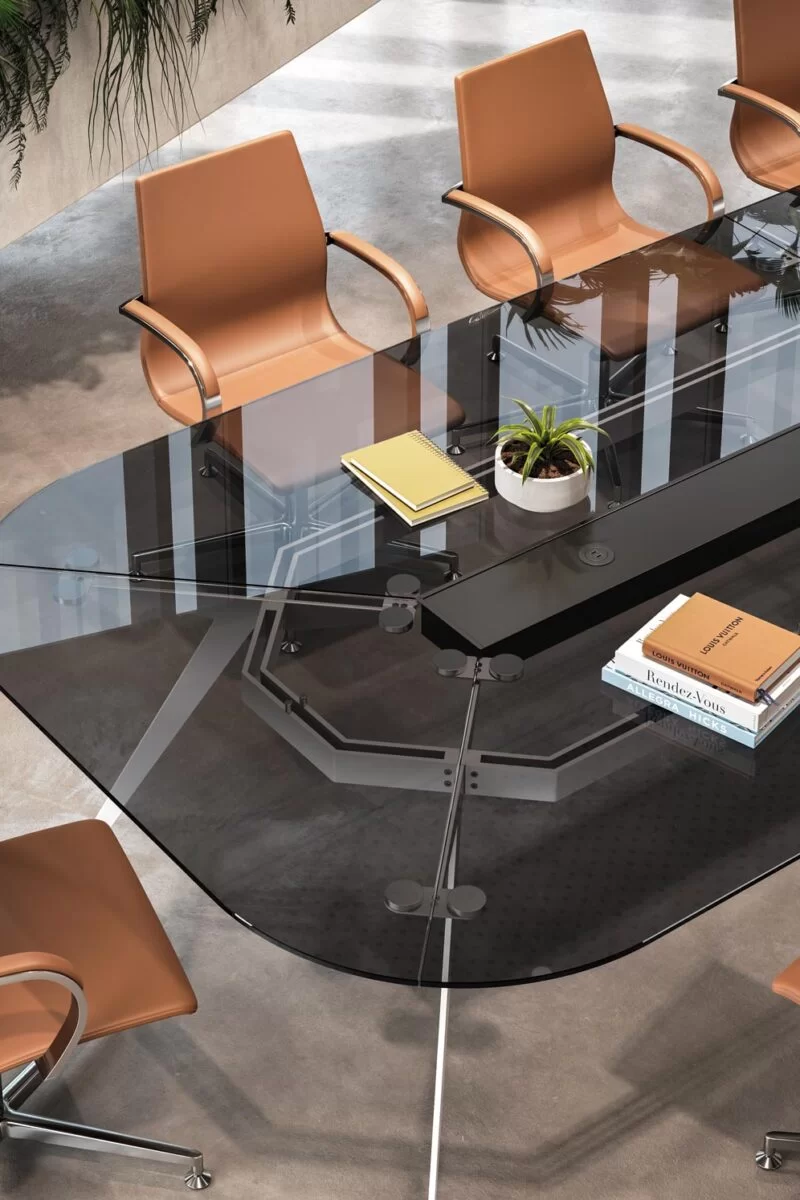
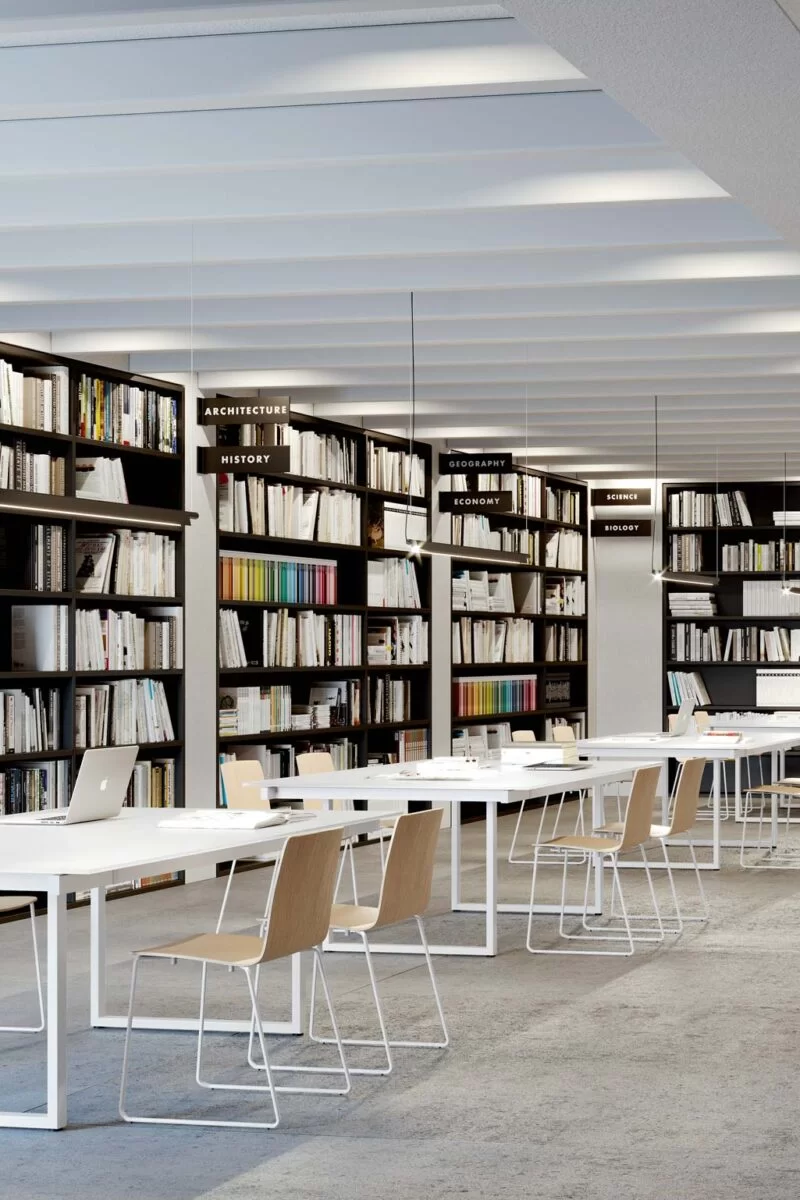
Among the most notable trends is the “layered” effect: a sophisticated interplay of glossy or smooth surfaces, such as glass, metal and lacquer, combined with textured, matte elements like stone, wood and natural fabrics. This composition creates visual and tactile depth, enriching spaces through balanced contrasts that add dynamism while highlighting the intrinsic quality of each material.
The overarching theme points toward creating more authentic environments, spaces where excellence can be experienced through all the senses. These interiors aim to be comfortable, warm, and enduring, fostering a direct, evocative and immediate connection with materials.

Shapes and colours: harmony, balance and comfort
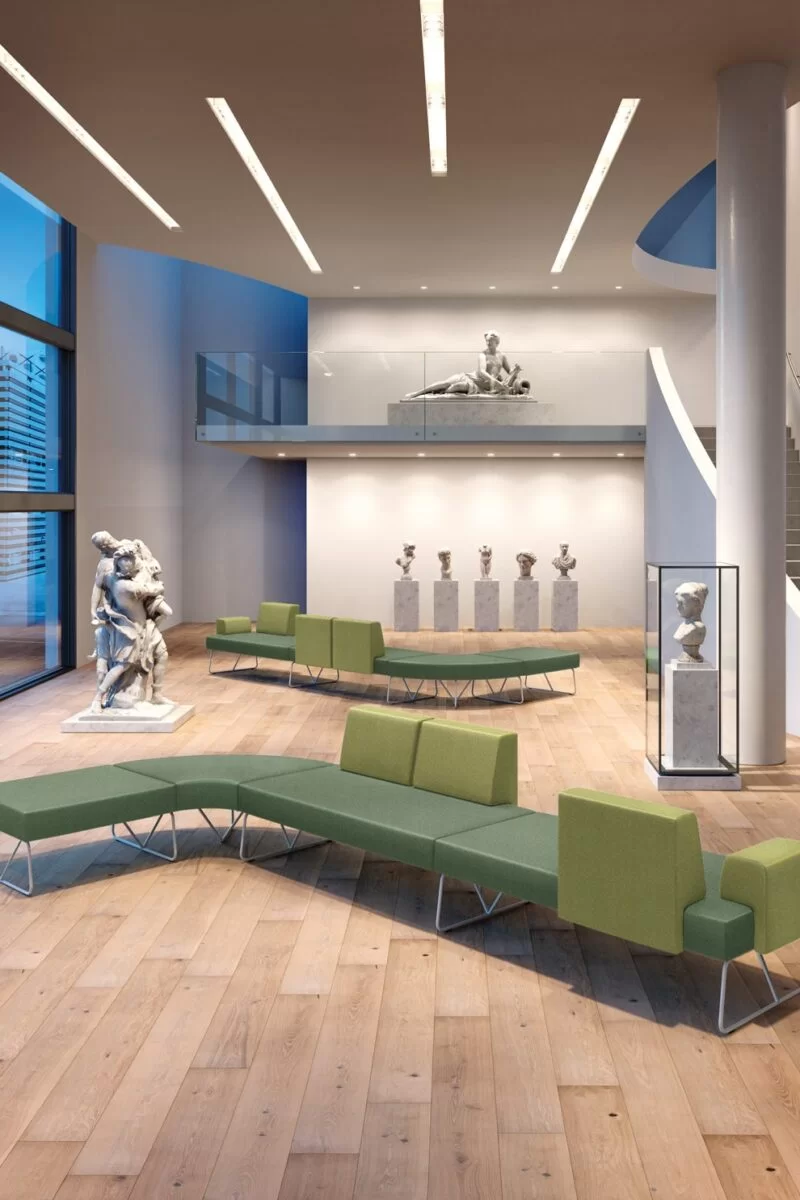
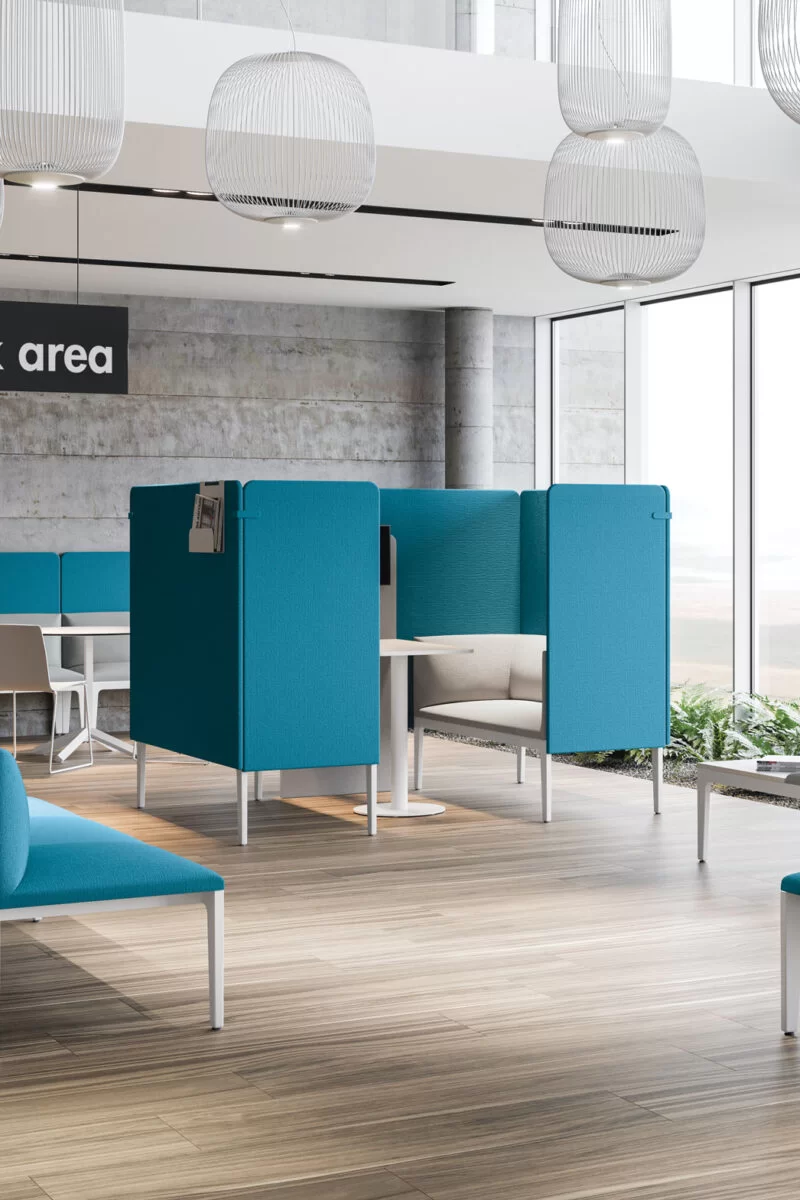
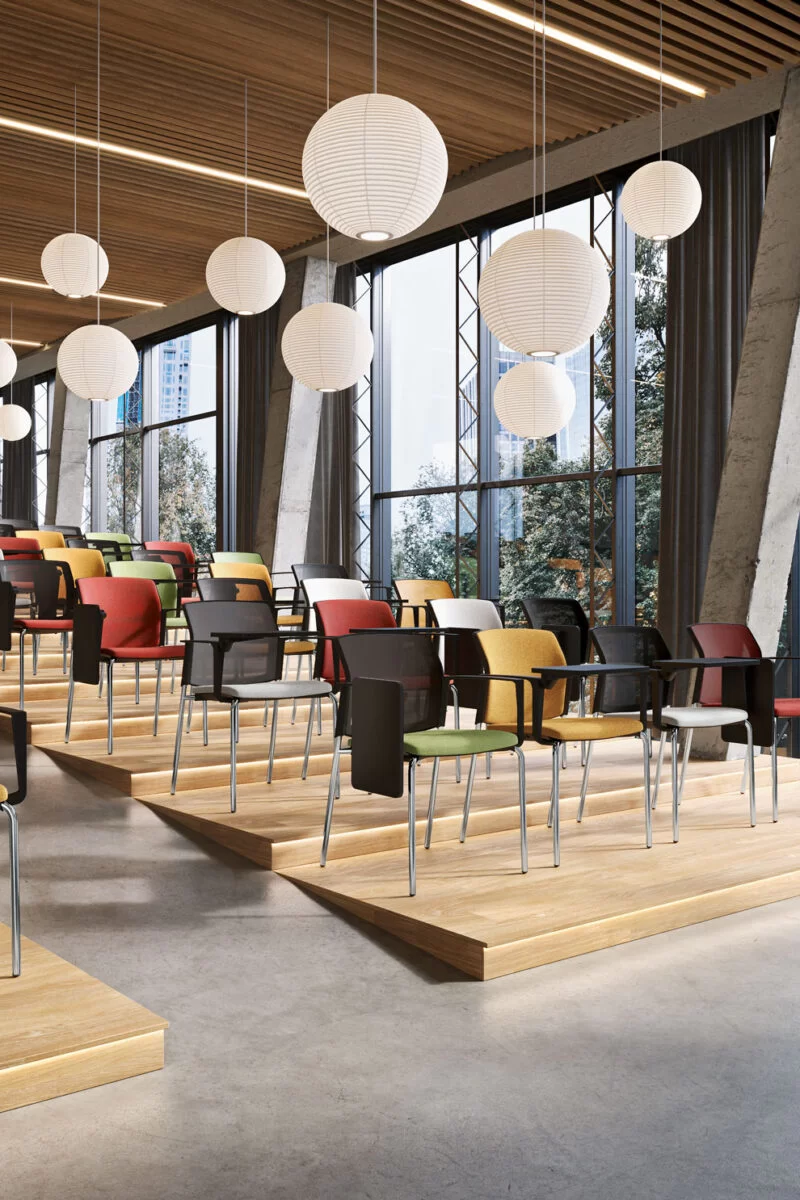
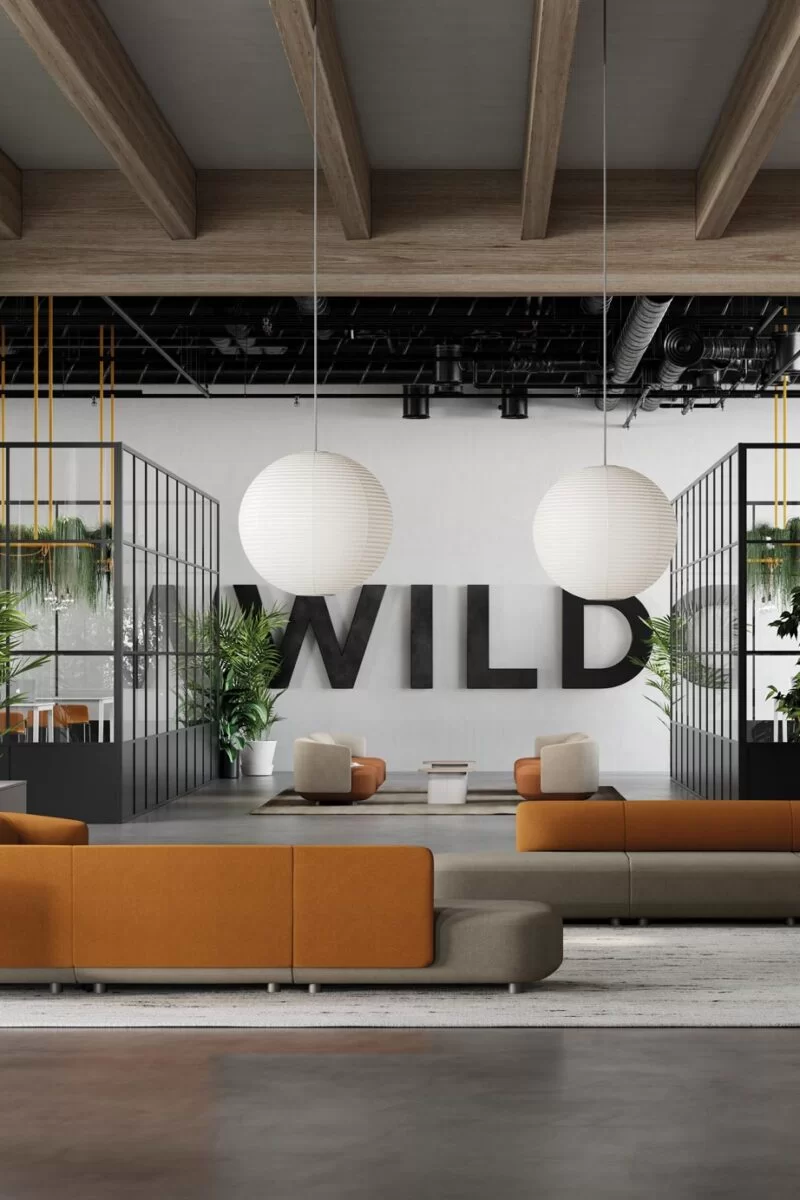
The spaces of the future are transforming into places of connection and well-being, capable of reflecting the identity of those who inhabit them through natural colours and design solutions that put personal balance at the centre. This evolution involves both residential and public environments, where the need for welcoming atmospheres and versatile furnishings that support focus, conviviality and relaxation is growing.
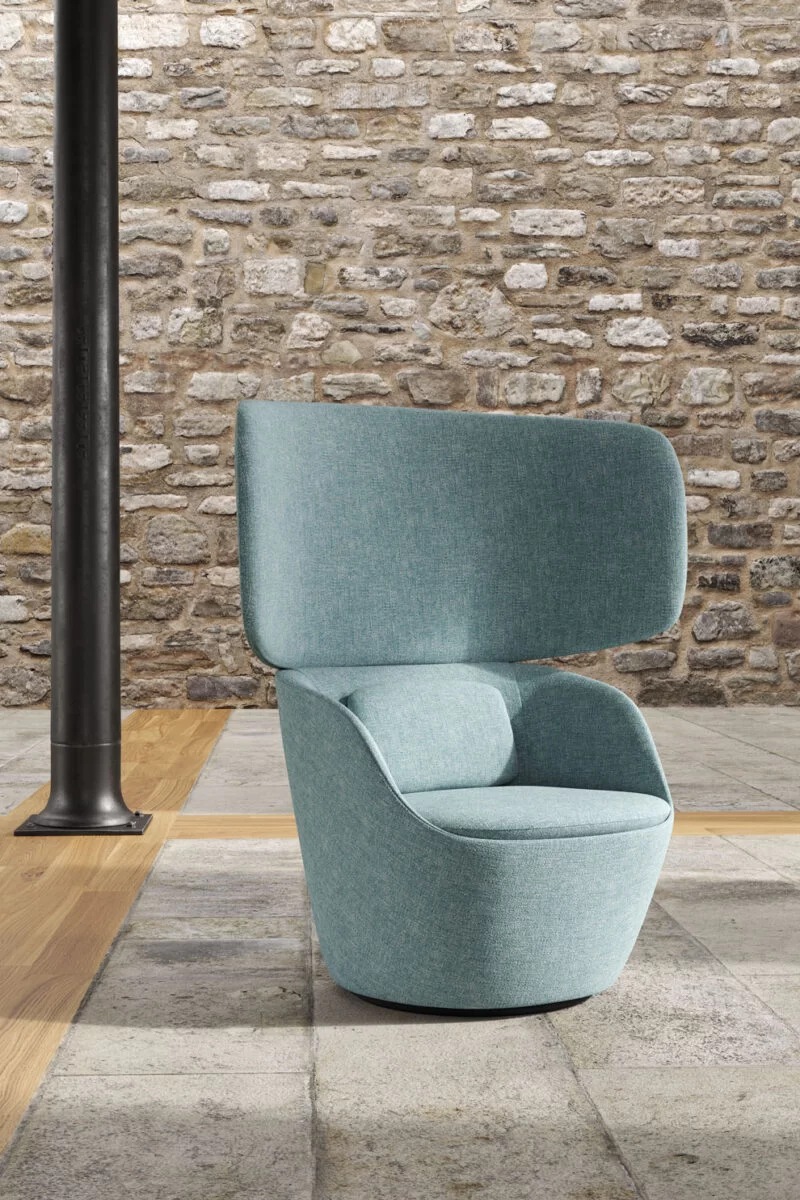
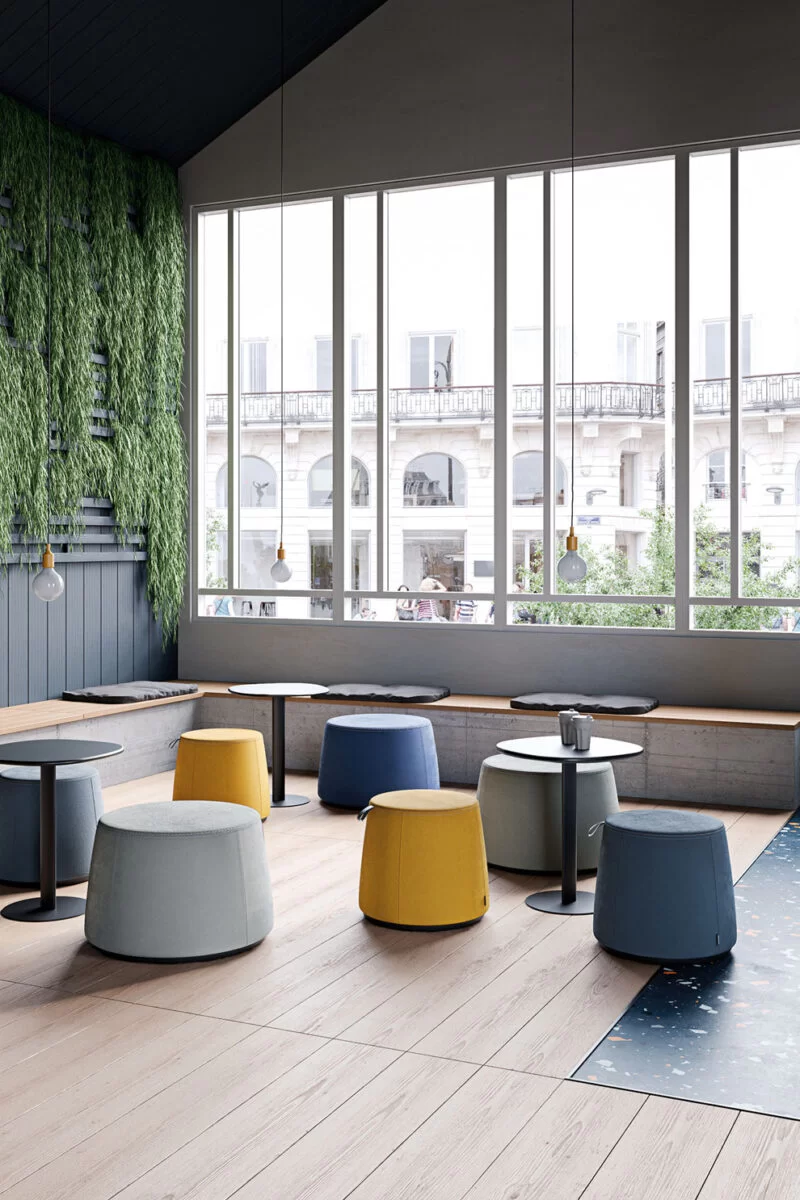
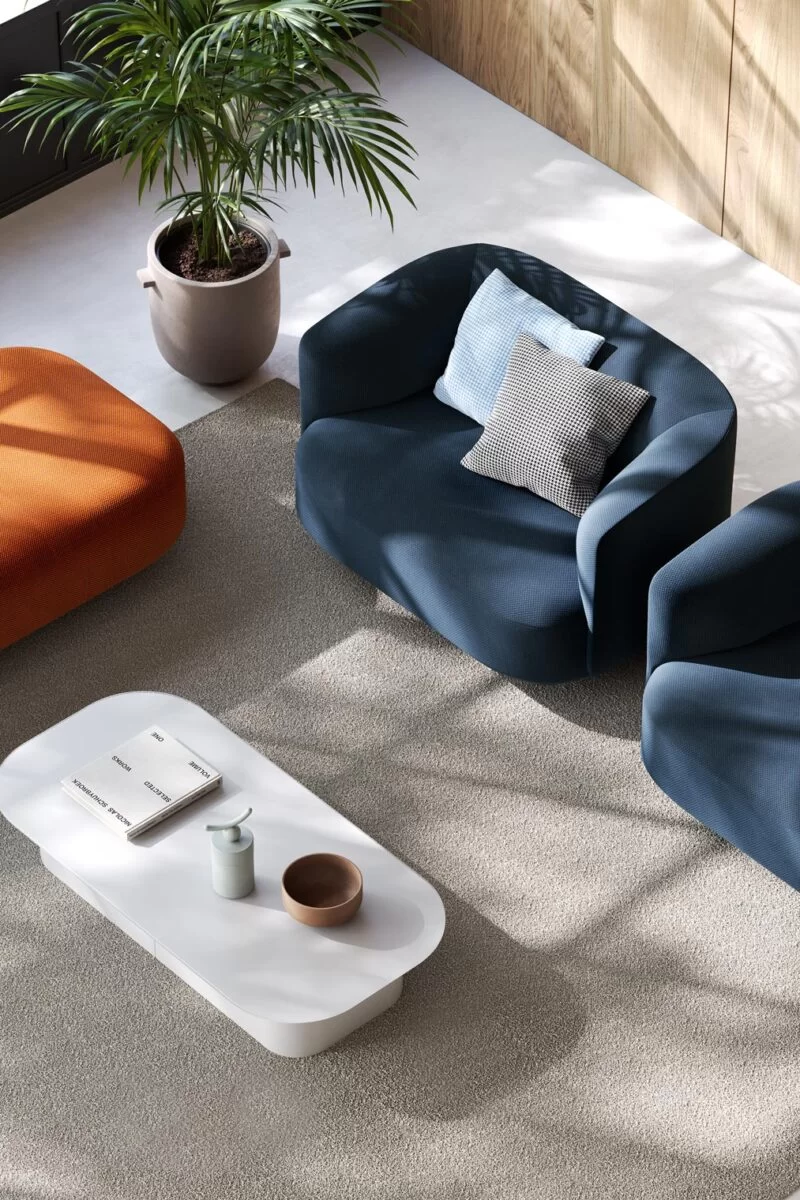
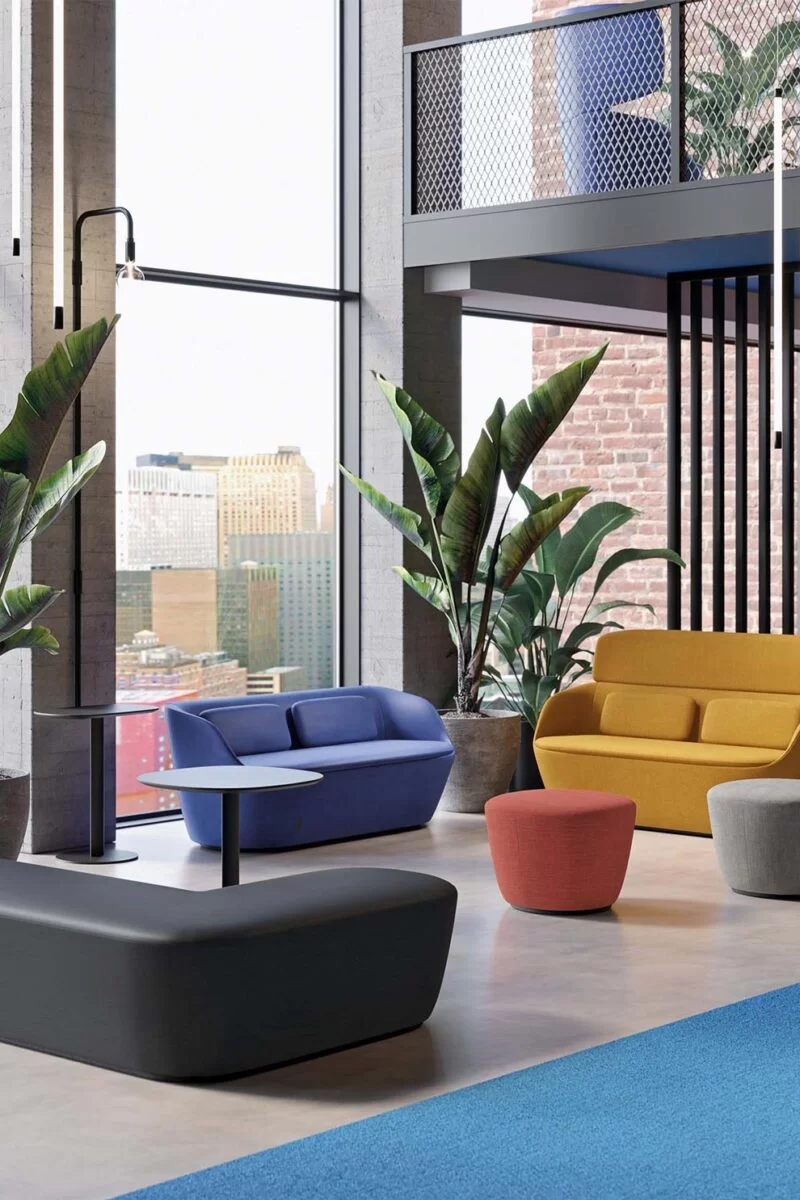
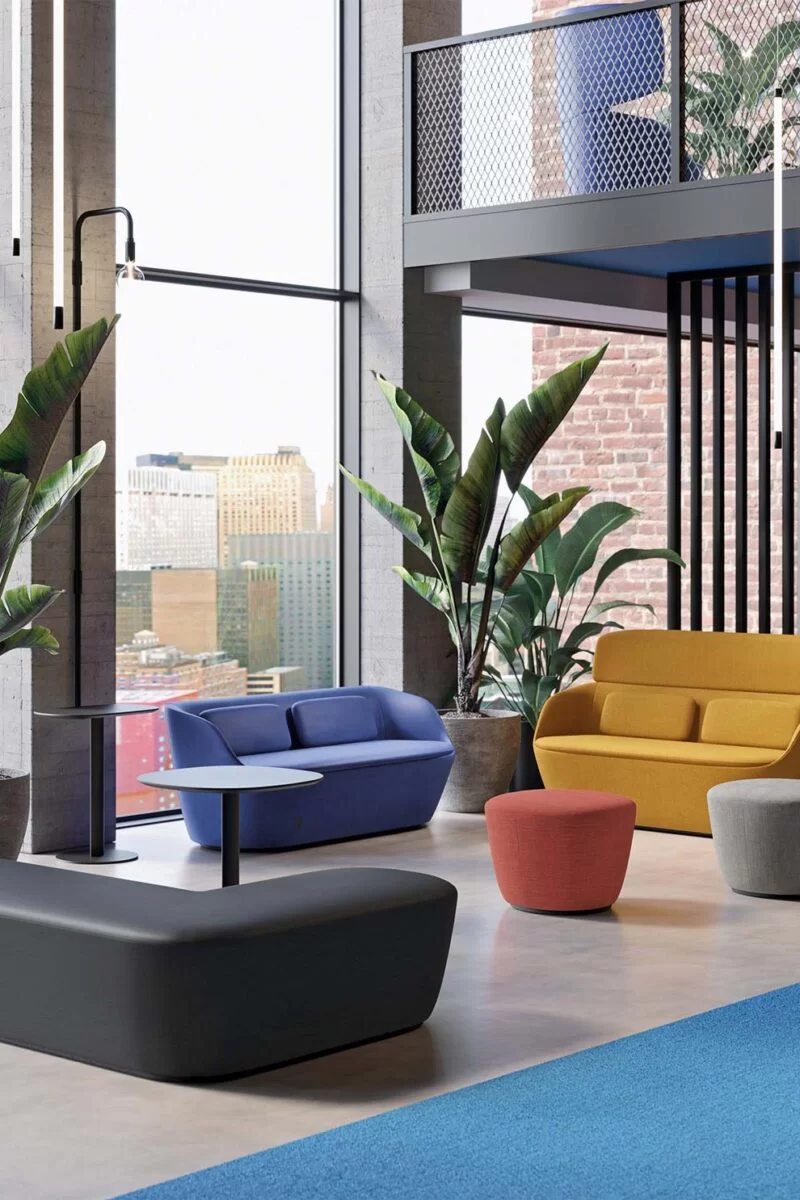
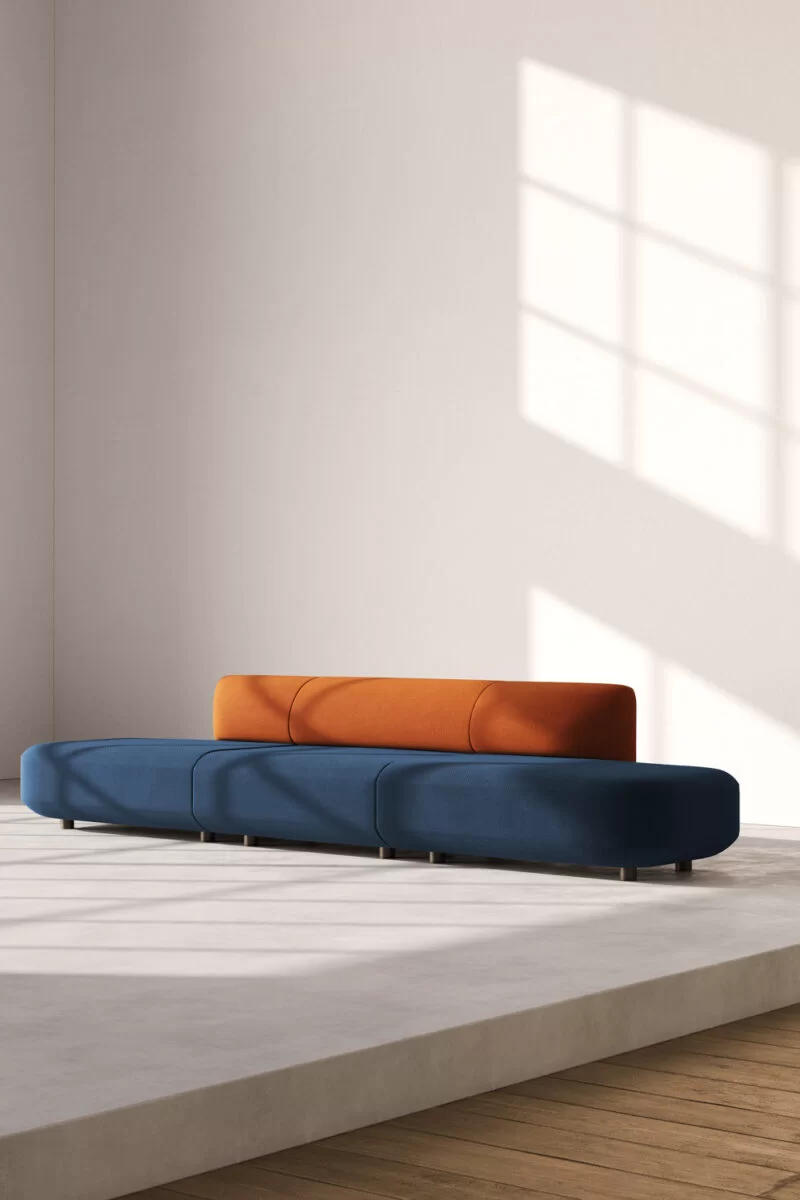
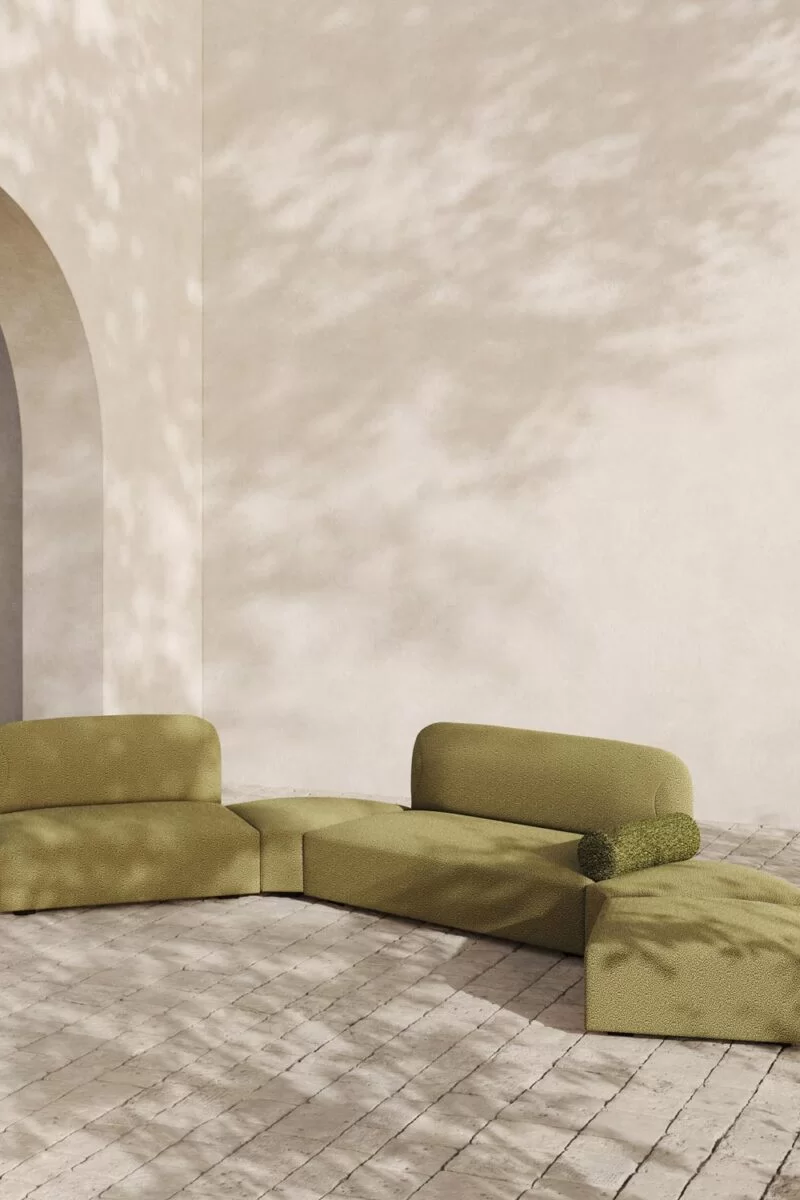
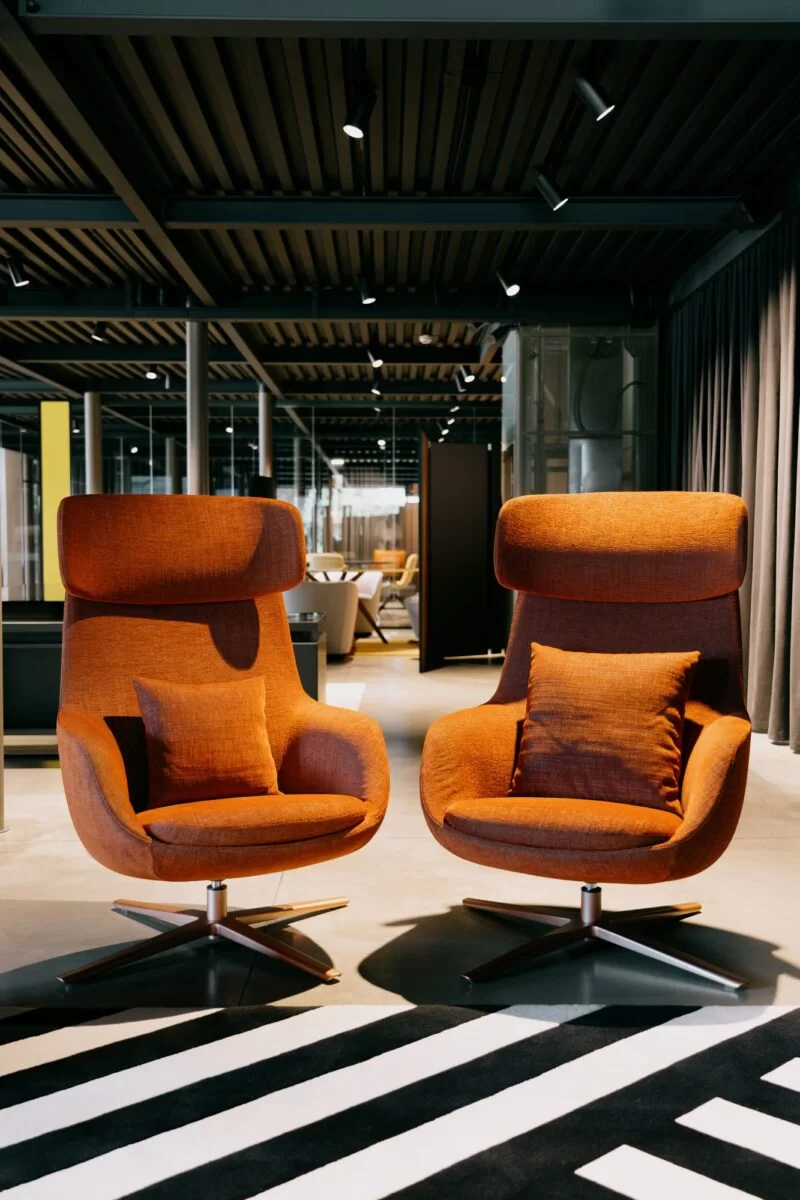
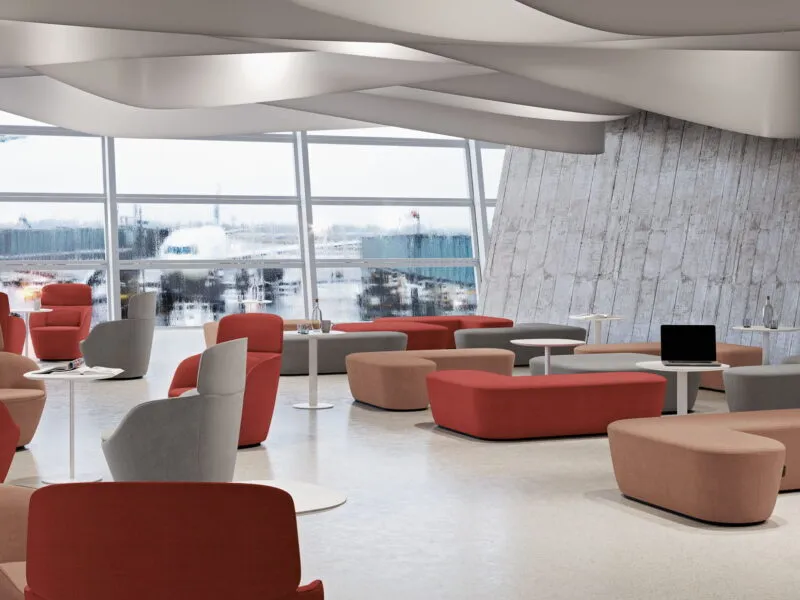
The 2026 interior design trends move away from rigid geometric patterns to embrace curved lines and generous volumes. Cosy seating, sculptural shapes and soft silhouettes guide the eye and become part of a more attentive and empathetic design language, conceived to encourage a more natural use of space. The fluidity of structures is not just an aesthetic choice but helps create harmonious environments where spatial navigation feels intuitive and free from visual harshness.
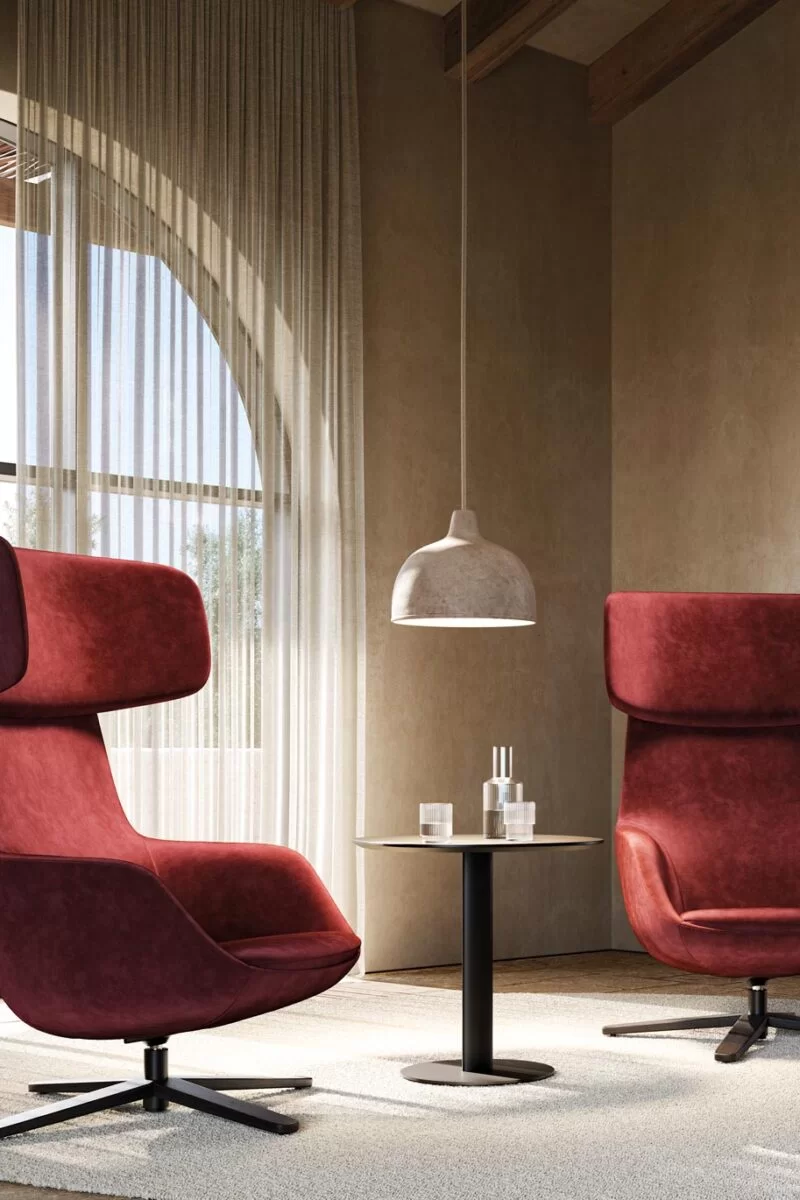
On the colour front, palettes are warming up: earthy tones, deep greens and mineral blues alternate with refined metallic accents, enriching the space without overwhelming it. Combined with structured textures, these colour pairings emphasise the tactile quality of materials and make interiors more expressive, offering continuity that brings colour, shape and substance together in a single narrative.
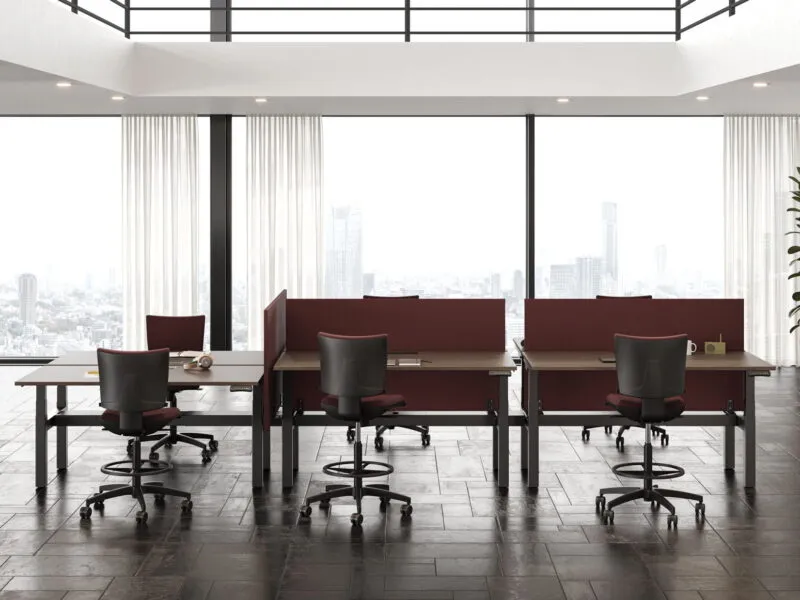
Designing contemporary public and residential spaces that are functional requires rigour, elegance and aesthetic consistency.
 Read all




 Back to top